Navigating the Tungsten Carbide Shortage: Strategies for Metalworkers in 2026
The tungsten carbide shortage in 2026 is hitting metalworkers hard, pushing tool prices higher and supply tighter than most expected. If you’ve noticed your carbide tooling costs creeping up and your orders taking longer to fill, you’re not alone. This post breaks down what’s driving tungsten supply constraints and export controls, and offers practical ways to extend your tool life and pick the right burr for the job. Keep reading to stay ahead in the metalworking industry despite these tough conditions. For more details on why tungsten carbide is so expensive, you can visit this link.

Have you seen our selection of carbide bur tools?
Understanding the Tungsten Carbide Shortage
The tungsten carbide shortage has left many in the metalworking industry scrambling. Let’s delve into how this impacts you and what steps can be taken to mitigate these challenges.
Current State of the Market
The market for tungsten carbide is tighter than ever. Supply issues have led to higher costs and longer wait times for orders. The demand for this crucial material is outpacing supply, pushing prices up. This shortage is affecting metalworkers’ ability to get the tools they need promptly. While some markets have seen temporary relief, the overall trend remains challenging. You might find yourself needing to plan purchases much further in advance than before.
Impact on Tool Prices
Tool prices have seen a significant increase as a result of the shortage. This is due to the basic economic principle of supply and demand. With tungsten carbide in short supply, manufacturers are forced to raise prices. As a result, many metalworkers are feeling the squeeze. It’s important to stay informed about these changes, as they directly affect your bottom line. By knowing what to expect, you can better prepare for these cost increases.
Export Controls and Trade Dynamics
Tungsten export controls are adding another layer of complexity. Countries that produce tungsten are imposing restrictions to protect domestic industries. These controls can limit availability even further, contributing to higher prices and longer lead times. As a metalworker, understanding these dynamics is crucial. You’ll need to adjust strategies to account for these trade issues, ensuring you can still access the materials you need.
Strategies for Navigating Supply Constraints
Facing supply challenges requires strategic action. Here are some ways to manage these constraints effectively.
Sourcing Alternatives and Solutions
Exploring alternative sourcing options can help. Look for suppliers who have a diversified supply chain. This could mean the difference between getting your tools on time or facing delays. Additionally, consider forming partnerships with suppliers who can offer more reliable delivery schedules. By diversifying your sourcing strategies, you can mitigate the risks associated with the current shortage.
Negotiating with Suppliers
Negotiation is key in times of scarcity. Approach your suppliers with a clear understanding of the market conditions. Be prepared to discuss long-term contracts that can benefit both parties. This can lead to more favorable terms and secure your supply in advance. Building strong relationships with suppliers can be invaluable during tough times.
Managing Inventory Effectively
Effective inventory management can alleviate some pressure. Monitor your stock levels closely to avoid shortages. Implement a just-in-time (JIT) inventory strategy if possible. This approach minimizes excess stock while ensuring you have what you need when you need it. By optimizing inventory levels, you can reduce costs and improve efficiency.
Optimizing Tool Usage for Longevity
Maximizing the lifespan of your tools is crucial in the current climate. Here are some strategies to help you achieve this.
Techniques for Tool Life Extension
Proper usage techniques can significantly extend tool life. Ensure that your tools are used within their specified limits. Overloading tools can cause premature wear and tear. Regular maintenance checks can catch potential issues early, preventing costly damage. By using tools as intended, you can avoid unnecessary replacements.
Selecting the Right Burrs
Choosing the correct burr for each job is essential. Different tasks require different burrs for optimal performance. Using the right burr can make your work more efficient and prolong tool life. Make sure to train your team on selecting the appropriate burrs for their projects. This small step can lead to significant savings.
Maintenance Practices for Metalworking Efficiency
Routine maintenance is key to keeping your tools in top shape. Schedule regular inspections and cleanings to ensure everything is functioning correctly. Keeping tools sharp and well-maintained can improve their effectiveness and lifespan. Investing time in maintenance can save you money in the long run.
Making Informed Purchasing Decisions
Navigating the current market requires careful decision-making. Here’s how to make smart choices when buying tools.
Assessing Quality vs. Cost
Balancing quality and cost is critical when purchasing tools. While it might be tempting to opt for cheaper options, consider the long-term implications. High-quality tools often last longer and perform better. Evaluate the total cost of ownership rather than just the purchase price. This approach leads to more sustainable spending.
Timing Purchases Strategically
Strategic timing can make a big difference. Monitor market trends to identify the best times to buy. Purchasing during periods of lower demand can save money. Additionally, planning purchases around sales or promotions can result in significant cost savings. Stay informed to take advantage of these opportunities.
Collaborating with Reliable Suppliers
Having reliable suppliers is essential. Work closely with those you trust to ensure a steady supply of tools. Good communication with suppliers can also provide insights into upcoming market changes. Building strong relationships can help you weather any supply disruptions.
Preparing for Future Challenges
Looking ahead, it’s important to prepare for future challenges in the metalworking industry.
Anticipating Market Trends
Staying ahead means anticipating market trends. Keep a close eye on industry news and reports. Understanding these trends can help you make proactive decisions. Being prepared for changes can give you a competitive edge.
Investing in Continued Education
Ongoing education is crucial in a constantly changing industry. Take advantage of training and workshops to stay updated. This knowledge can improve your skills and adaptability. Investing in yourself and your team can lead to better outcomes and innovation.
Building a Resilient Metalworking Operation
Resilience is key to thriving in uncertain times. Focus on creating flexible systems that can adapt to changes. Invest in technology and processes that enhance your operation’s efficiency. By building a resilient operation, you can better navigate future challenges.
Frequently Asked Questions
What is causing the tungsten carbide shortage?
The shortage is primarily due to increased demand and reduced supply. Export controls and trade issues also contribute to the scarcity.
How can I extend the life of my tools?
Proper maintenance and using the correct tools for each job are essential. Regular inspections and cleanings can also help prolong tool life.
Is it worth investing in more expensive tools?
Yes, investing in high-quality tools can save money in the long term. They often last longer and perform better, reducing replacement costs.
How can I manage my inventory efficiently?
Implementing a just-in-time inventory strategy can help. Monitor stock levels closely to avoid shortages and reduce excess inventory.
What should I consider when choosing suppliers?
Look for suppliers with diversified supply chains and strong communication. Building relationships with reliable suppliers ensures a steady supply of tools.
Have you seen our selection of carbide bur tools?
Looking for Carbide Bur Tools?
Check out our entire selection of USA made carbide bur die grinder tool bits
Follow us on Twitter

Return to CarbideBur.com
Carbide Burs – 1/4″ on 1/8″ Shanks – Accessories – Aluminum Cut – Bur Sets – End Mills – Long Shank – Solid Burs
Navigating the Tungsten Carbide Shortage
Navigating the Tungsten Carbide Shortage: Strategies for Metalworkers in 2026 The tungsten carbide shortage in 2026 is hitting metalworkers hard, pushing tool prices higher and supply tighter than most expected. If you’ve noticed your carbide [...]
How Export Controls and Tungsten Processing Impact Carbide Production
How Export Controls and Tungsten Processing Impact Carbide Production Tungsten supply issues are hitting carbide tool manufacturing harder than ever before. Export controls and shifts in tungsten processing have tightened availability, stretching manufacturing lead times [...]
From Alloys to Automation: Mastering CNC Machining for Speed and Accuracy
From Alloys to Automation: Mastering CNC Machining for Speed and Accuracy The old ways of machining can’t keep up with today’s demands for speed and precision. You’re working with tougher alloys and expecting flawless results [...]

Top Deburring Tools for Stainless Steel: From Carbide Burrs to Sanding Blocks
Top Deburring Tools for Stainless Steel: From Carbide Burrs to Sanding Blocks Most people damage their stainless steel finish while trying to deburr it. If you’ve struggled to get smooth edges without ruining your work, [...]

Enhance Your Fabrication Projects with Advanced Finishing Methods
Enhance Your Fabrication Projects with Advanced Finishing Methods You just finished a tough weld, but the job isn’t done yet. Skipping key post-welding processes can leave your joints weak and your project looking rough. In [...]
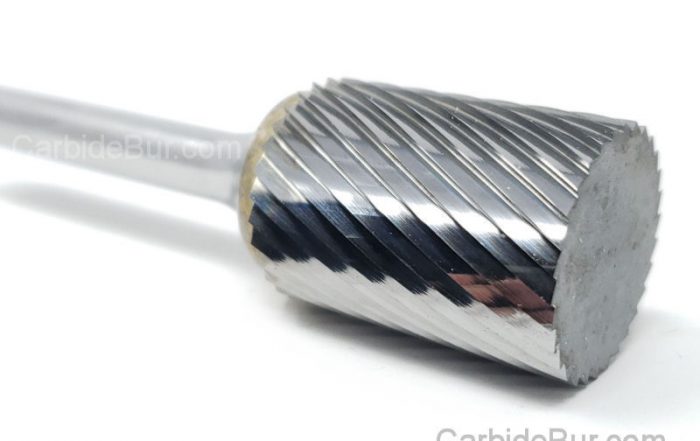
Grinding Metal in Tight Spaces: Top Tool Picks and Essential Safety Tips
Grinding Metal in Tight Spaces: Top Tool Picks and Essential Safety Tips Grinding metal in tight spaces is a challenge many metalworkers and DIYers face. Using the wrong tools often leads to frustration and sloppy [...]
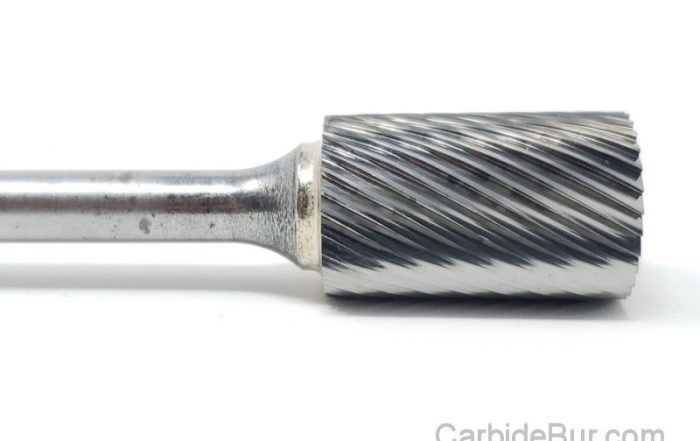
Finding the Best Carbide Burrs for Perfect Weld Cleanup: A Welder’s Guide
Finding the Best Carbide Burrs for Perfect Weld Cleanup: A Welder's Guide Welding cleanup can waste hours if you pick the wrong tools. Using carbide burrs that don’t fit your weld removal or metal blending [...]
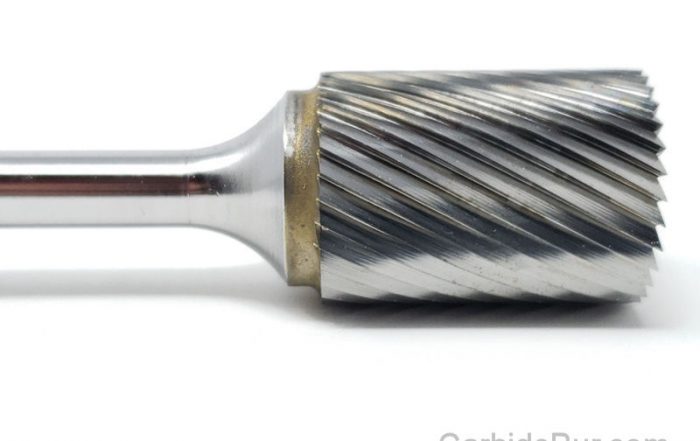
Riding the Wave: How the Machine-Tool Orders Surge is Shaping Manufacturing
Riding the Wave: How the Machine-Tool Orders Surge is Shaping Manufacturing Machine-tool orders have jumped by 45% this year, shaking up the manufacturing scene. If you're a tool buyer, this surge means fresh chances to [...]
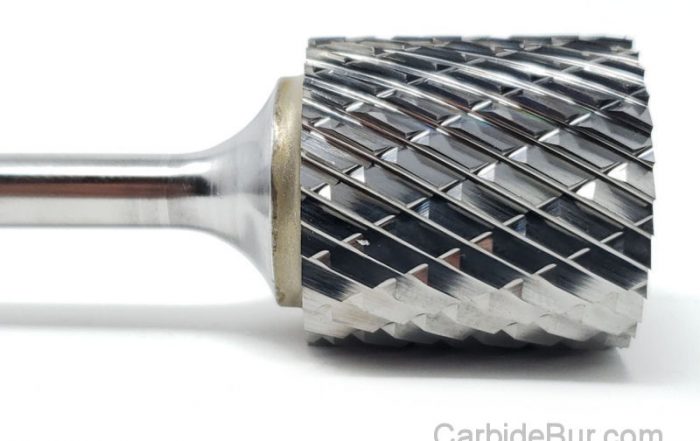
Choosing the Best Carbide Burrs for Your Projects
Quality and Performance: Choosing the Best Carbide Burrs for Your Projects Choosing between American-made carbide burrs and imported carbide tools can feel like navigating a maze without a map. You want tools that last and [...]
The Ultimate Guide to Choosing the Right Die Grinder Attachments
The Ultimate Guide to Choosing the Right Die Grinder Attachments Reaching deep cavities with your die grinder can feel like a puzzle with missing pieces. When you’re stuck trying to access tight spaces, the right [...]
Extend Tool Life: Tips for Maximizing Carbide Burr Performance
Extend Tool Life: Tips for Maximizing Carbide Burr Performance Most people think the only way to extend tool life is by buying premium carbide burrs. The truth is, simple mistakes kill your tools faster than [...]
Are Carbide Burrs the Key to Cost-Effective Metalworking in a Pricey Market?
Are Carbide Burrs the Key to Cost-Effective Metalworking in a Pricey Market? Tool prices keep climbing, and metalworkers are feeling the pinch when their tools wear out too fast. Cheaper options may save money upfront [...]