
Mastering Metalwork: The Art of Using Carbide Burrs on Stainless Steel Welds
Most welders waste hours struggling with stainless steel welds that refuse to smooth out. Using the wrong metalworking tools only makes burr grinding tougher and slower. But carbide burrs cut through these challenges faster, reshaping your approach to stainless steel grinding. Keep reading to find out how carbide burrs fit perfectly into your welding accessories and boost your metalwork precision. For more insights, check out this Ultimate Guide to Choosing the Best Carbide Burrs for Stainless Steel.
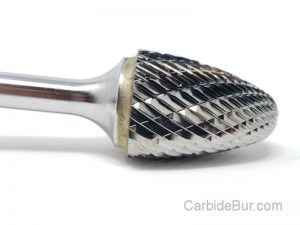
Check out this selection of USA made carbide burs
Understanding Carbide Burrs
Let’s kick off by exploring what makes carbide burrs a game-changer in metalworking. These tools offer precision, giving your projects that professional edge.
What Are Carbide Burrs?
Carbide burrs are small, cylindrical tools used for cutting, shaping, and grinding metal. They are made from tungsten carbide, a material known for its hardness and resistance to wear. You might be wondering: why use carbide burrs? It’s because they provide a high level of detail and finish that other tools can’t match. Whether you’re a professional or a DIY enthusiast, these little wonders can elevate your work with precision that impresses.
Types of Carbide Burrs
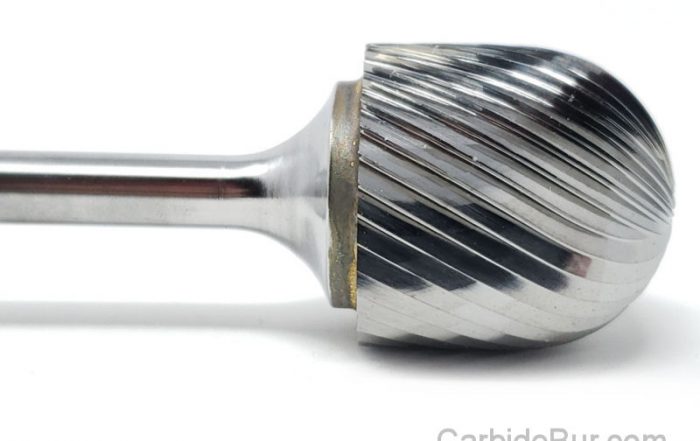
Carbide burrs come in various shapes and sizes, each designed for specific tasks. You’ll find flame, ball, and cylindrical shapes among others. Each type serves a unique purpose. For instance, flame-shaped burrs excel at rounded edges, while cylindrical burrs are perfect for flat surfaces. Selecting the right type is crucial for achieving the desired outcome. Explore options and match the burr to your task for best results. If you’re curious about all your choices, this comprehensive guide will help.
Benefits of Carbide Burrs
Using carbide burrs brings numerous advantages to your metalworking projects. First, they are incredibly durable, capable of handling tough materials like stainless steel. Second, their precision allows for intricate designs and smooth finishes. Third, they reduce the time you spend on tasks, letting you focus on craftsmanship. Most users find that these burrs significantly improve their workflow, saving time and effort. Discover how they can optimize your projects here.
Working with Stainless Steel Welds
Transitioning to stainless steel welds, you’ll find unique challenges that require specific techniques and tools. Let’s delve into the intricacies of working with this robust material and how to conquer its challenges.
Characteristics of Stainless Steel
Stainless steel is renowned for its corrosion resistance and strength. It contains chromium, which forms a protective layer on the surface. This makes it ideal for diverse applications, from kitchenware to construction. However, its toughness can pose challenges in grinding and welding. Understanding its properties helps you choose the right approach and tools for efficient work. For a deep dive into stainless steel’s characteristics, this resource is invaluable.

Need a longer reach for your die grinder?
Challenges in Stainless Steel Grinding
Grinding stainless steel is no walk in the park. Its hardness and heat resistance make it difficult to work with. The material tends to harden under pressure, causing tools to wear out quickly. These challenges can slow down your progress and affect the quality of your work. But don’t worry, using the right tools like carbide burrs can overcome these hurdles, ensuring smooth and efficient grinding. Find practical solutions and expert tips here.
Best Practices for Welds
To achieve flawless welds, adopt best practices that suit stainless steel. Start by using carbide burrs for smooth finishes. Maintain a consistent speed and pressure to avoid overheating. Prepare your workspace, ensuring it’s clean and organized. These steps lead to high-quality results, making your projects stand out. By implementing these practices, you’ll find that handling stainless steel becomes second nature.
Techniques for Burr Grinding
Now, let’s get into the techniques of burr grinding. Mastering these can make a significant difference in your metalworking skills, providing you with the confidence to tackle any project.
Choosing the Right Burr
Selecting the right burr for your task is crucial. Factors to consider include the material, shape, and size of the burr. Each project may require a different burr, so it’s essential to match the tool to the job. This ensures efficiency and a superior finish. By making informed choices, you enhance the quality of your work and save time. For more on selecting the perfect burr, refer to this guide.
Step-by-step Burr Grinding
Here’s a simple guide to burr grinding:
-
Select your burr: Start with the appropriate shape and size for your task.
-
Secure the metal: Ensure your workpiece is stable to prevent accidents.
-
Start grinding: Apply consistent pressure, keeping the burr moving to avoid heat buildup.
-
Inspect the work: Regularly check your progress and adjust as needed for precision.
Following this process ensures a smooth grind and high-quality finish.
Safety Tips and Precautions
Safety should always be your priority. Wear protective gear, including goggles and gloves. Ensure your workspace is well-ventilated to avoid inhaling metal dust. Keep your tools maintained and inspect them regularly for wear and tear. By following these precautions, you create a safe environment, reducing the risk of accidents and injuries.
Essential Metalworking Tools
To further enhance your skills, familiarize yourself with essential metalworking tools. Having the right equipment can significantly impact the quality and efficiency of your projects.
Must-Have Welding Accessories
Investing in quality welding accessories is crucial. Essential items include welding helmets, gloves, and clamps. These accessories not only protect you but also enhance your work’s precision. Ensuring you have the right gear is a vital step toward professional-level results. Explore a wide range of accessories here.
Maintaining Your Metalworking Tools
Tool maintenance is key to longevity. Regularly clean and inspect your tools, replacing parts as necessary. Keeping tools in top condition ensures they perform at their best, providing you with reliable results every time. A little upkeep goes a long way in extending the life of your equipment.
Tips for Tool Longevity
Extend the lifespan of your tools with these tips:
-
Regular cleaning: Remove dust and debris after each use.
-
Proper storage: Keep tools in a dry, organized space.
-
Routine inspection: Check for signs of wear and address them promptly.
Implementing these practices guarantees your tools stay in excellent condition, ready for any project.
Building a Digital Brand in Metalworking
As we conclude, let’s explore how you can build a thriving digital brand in the metalworking industry. Embracing e-commerce can open new opportunities for growth and success.
E-commerce Solutions for Entrepreneurs
Starting an online store can revolutionize your business. E-commerce platforms provide tools and resources to reach a broader audience. By setting up a virtual shop, you expand your reach and offer customers convenience. This modern approach is a game-changer in today’s digital world.
Positioning as the Go-to Virtual Shop
Position your brand as the go-to shop by offering exceptional service and unique products. Engage with customers through social media and personalized experiences. Building a strong online presence sets you apart from competitors, making you the preferred choice for metalworking enthusiasts.
Empowering Your Metalworking Business
Empower your business by embracing digital strategies. Stay updated with industry trends and continuously improve your skills. By doing so, you not only enhance your craft but also ensure your business remains relevant and competitive.
By understanding and implementing these strategies, you’re on your way to mastering metalwork and building a successful digital brand. The path to excellence is within reach, and with the right tools and mindset, you can achieve remarkable results.
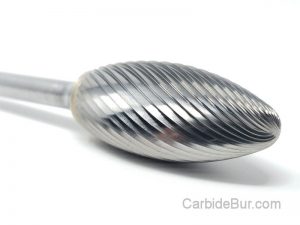
Looking for Carbide Bur Tools?
Check out our entire selection of USA made carbide bur die grinder tool bits
Follow us on Twitter

Return to CarbideBur.com
Carbide Burs – 1/4″ on 1/8″ Shanks – Accessories – Aluminum Cut – Bur Sets – End Mills – Long Shank – Solid Burs
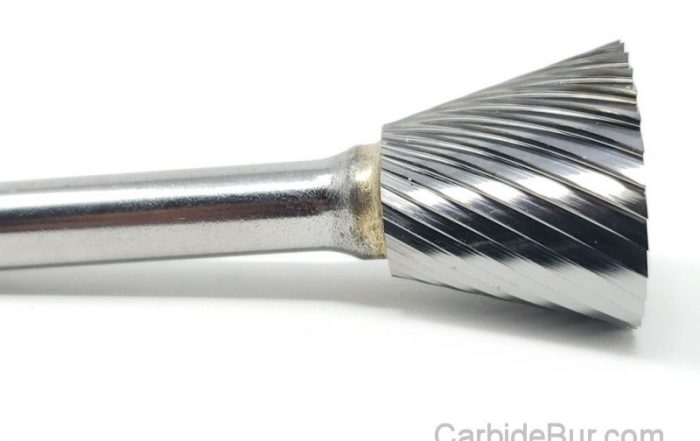
1/8 vs 1/4 Inch Carbide Burrs: What’s the Difference?
1/8 vs 1/4 Inch Carbide Burrs: What's the Difference? Choosing between a 1/8 inch carbide burr and a 1/4 inch carbide burr can change how your project turns out. Many machinists and hobbyists overlook how [...]
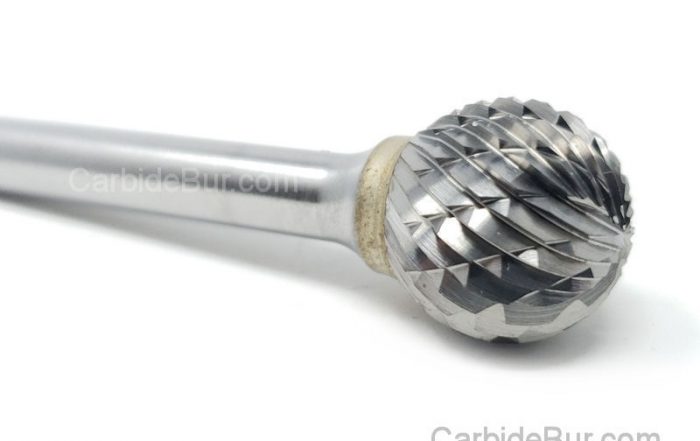
Best Carbide Burr for Removing Flash From Castings
Best Carbide Burr for Removing Flash From Castings Removing flash from castings is a task that can slow down your entire metalworking process if you don’t have the right tools. Picking the best carbide burr [...]
What RPM Should You Use for a 1/4 Inch Carbide Burr?
What RPM Should You Use for a 1/4 Inch Carbide Burr? Most machinists guess the right speed for a 1/4 inch carbide burr and hope for the best. Using the wrong carbide burr RPM can [...]
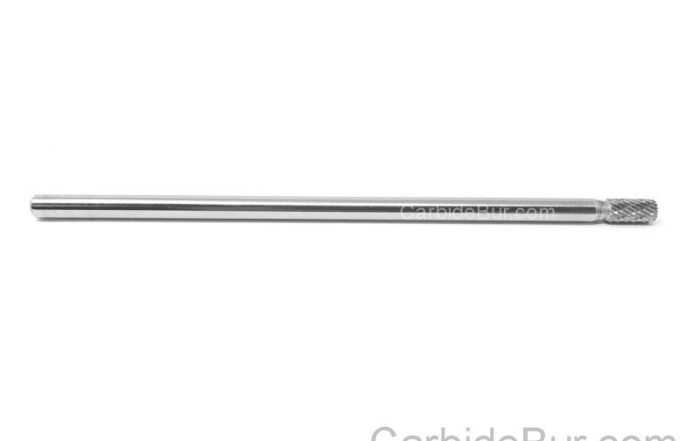
Long Shank Carbide Burrs: When Do You Need One?
Long Shank Carbide Burrs: When Do You Need One? Most machinists overlook the power of long shank carbide burrs until a project demands precision in tight spaces. When your usual tools can’t reach intricate contours, [...]
How Deep Can a Carbide Burr Cut Metal?
How Deep Can a Carbide Burr Cut Metal? Carbide burrs often get praised for their precision, but many users hit a wall wondering how deep they can actually cut metal. The truth is, cutting depth [...]
How to Use Carbide Burrs for Port Matching
How to Use Carbide Burrs for Port Matching Most engine builds hit a wall when airflow doesn’t flow smoothly between the ports and manifolds. If your engine isn’t breathing right, your performance stalls. Using the [...]
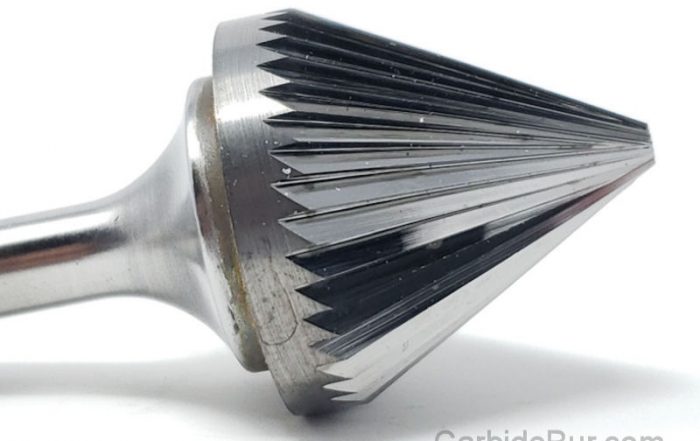
Best Carbide Burr for Porting Intake Manifolds
Best Carbide Burr for Porting Intake Manifolds Porting intake manifolds can make or break your engine’s airflow, yet many struggle with the right tools for the job. Choosing the best carbide burrs is key to [...]
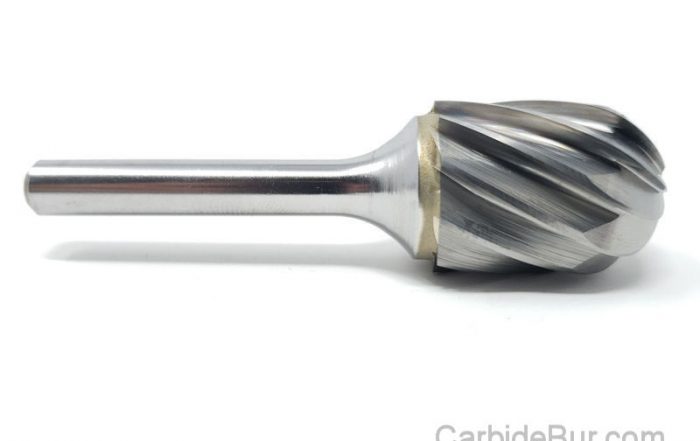
Best Carbide Burr for Concave Surfaces
Best Carbide Burr for Concave Surfaces Concave surfaces can turn a straightforward project into a frustrating challenge if you don’t have the right tool. Carbide burrs designed for these tricky curves make all the difference [...]
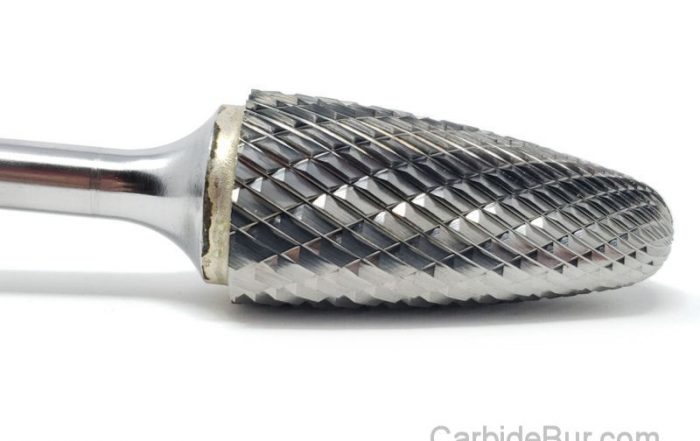
How to Grind a Slot in Metal With a Carbide Burr
How to Grind a Slot in Metal With a Carbide Burr Grinding a precise slot in metal can feel like a tricky task, especially if you’re unsure which tools to trust. Carbide burr grinding offers [...]

Best Carbide Burr for Inside Corners
Best Carbide Burr for Inside Corners Working in tight inside corners can turn even simple projects into frustrating tasks. Many carbide burrs just don’t fit or cut cleanly where you need them most. The best [...]
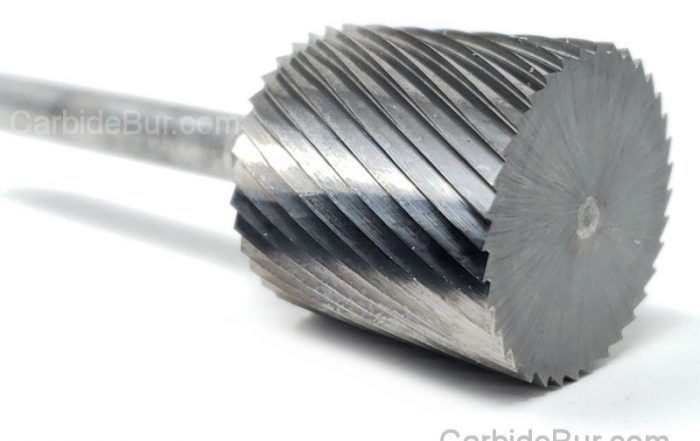
What Size Carbide Burr Do I Need?
What Size Carbide Burr Do I Need? Picking the wrong carbide burr can turn a simple project into a frustrating mess. You might have the best machining tools but still miss the mark if your [...]
How to Smooth Sharp Metal Edges With a Carbide Burr
How to Smooth Sharp Metal Edges With a Carbide Burr Sharp metal edges can turn your project from professional to risky in seconds. If you’ve struggled with smoothing metal edges without scratching or weakening the [...]
