
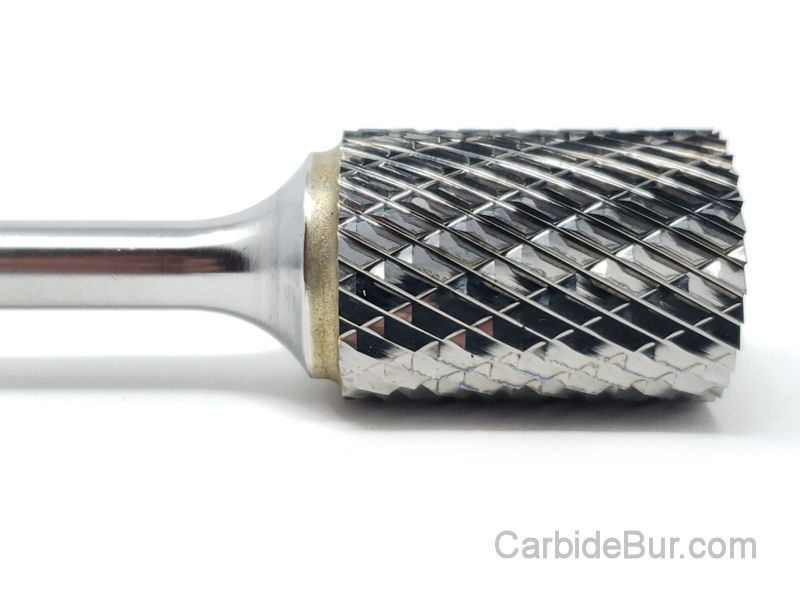
The Role of Carbide Bur Design in Precision Machining
In the world of precision machining, the intricate design of a carbide bur is a pivotal factor that can dramatically influence rotary cutting performance. The morphology of these essential tools—encompassing their shape, size, and cutting edge arrangement—plays a crucial role in determining how effectively they engage with various materials. Understanding the interplay between a bur’s design and its performance can significantly enhance machining efficiency by optimizing chip removal and improving the precision of each cut. This knowledge empowers machinists, craftsmen, and tool manufacturers to select the ideal bur morphology for their specific applications, ensuring the highest levels of productivity and accuracy. Join us as we delve into the fascinating dynamics of carbide bur design and its impact on the art and science of machining.
Understanding Carbide Bur Morphology
Carbide bur morphology is foundational to its rotary cutting performance. Understanding the shape, size, and cutting edge arrangement of these tools allows for improved accuracy and efficiency in machining tasks. Let’s explore how these factors influence performance and the broader implications for machinists and craftsmen.
Impact on Rotary Cutting Performance
Carbide bur morphology is crucial in determining the effectiveness of rotary cutting. The shape of the bur impacts how it engages with the workpiece, influencing both the cutting speed and finish quality. Larger sizes tend to remove more material quickly, while smaller sizes offer finer precision.
The cutting edge arrangement dictates how well the bur can manage chip removal. Arrangements that optimize chip flow reduce clogging and enhance tool longevity. This balance is critical for maintaining high machining efficiency across different materials.
Real-world examples, such as the effectiveness of different bur designs in automotive machining, highlight how specific morphologies can vastly improve rotary cutting performance.
For deeper insights, visit Carbide Burr and learn how specific designs enhance your metalworking projects.
Importance of Cutting Edge Arrangement
The cutting edge arrangement of a carbide bur determines its ability to cut through materials efficiently. When edges are precisely arranged, they reduce resistance and heat generation, thus extending tool life.
-
Evenly spaced edges: Promote smooth chip flow, minimizing clogging.
-
Sharp, angled edges: Enhance penetration, making them suitable for hard materials.
-
Curved edges: Ideal for softer materials, allowing a more forgiving cut.
For machinists, choosing the right cutting edge arrangement can significantly enhance productivity. Well-arranged cutting edges ensure consistent cutting dynamics, which is pivotal for achieving precision.
Explore Carbide Bur for more information on how cutting-edge design impacts performance.
Role in Machining Efficiency
Machining efficiency is directly tied to the morphology of the carbide bur. A well-designed bur can drastically reduce operation time by optimizing material removal and minimizing tool wear.
In precision machining, every detail counts. The size and shape of the bur influence the speed and quality of each cut, thus determining the overall efficiency of the machining process.
A case study in the aerospace industry demonstrated how selecting the right bur design saved significant time and costs. Key takeaways included:
-
Enhanced chip removal capabilities
-
Reduced frequency of tool changes
-
Improved surface finish quality
Machinists can visit Wybur Tools for performance insights and control options for carbide burs.
Selecting the Right Bur for Precision
Choosing the ideal carbide bur is essential for achieving precision in machining tasks. By tailoring the bur design to specific materials and applications, machinists can enhance both performance and efficiency. Let’s delve into how the right selection can make a difference.
Tailoring Bur Design for Materials
Different materials require unique bur designs to maximize efficiency and precision. Tailoring the bur involves selecting the appropriate shape, size, and cutting edge arrangement tailored to the material’s properties.
For instance, soft metals benefit from burs with smooth, wide flutes to prevent clogging. Meanwhile, hard metals require sharply angled edges to ensure effective penetration and cutting.
To guide machinists:
-
Aluminum: Use burs with fewer flutes for reduced clogging.
-
Steel: Opt for high-density burs with sharp edges.
-
Wood: Choose burs with spiral flutes for clean cuts.
For more guidance on tailoring bur designs, visit Carbide Bur.
Enhancing Chip Removal and Precision
Effective chip removal is vital for maintaining precision and preventing tool wear. When chip removal is optimized, it enhances the cutting efficiency and extends the tool’s life.
-
Spiral flute designs: Increase chip flow, reduce heat build-up.
-
Straight flute designs: Offer stability during cutting.
-
Cross-cut designs: Balance speed and precision.
Enhancing chip removal ensures that the tool maintains its cutting edge for longer periods, reducing downtime and costs.
Visit Carbide Bur to learn more about enhancing chip removal and precision in your projects.
Machinist Tools for Optimal Results
Choosing the right tools is critical for machinists seeking optimal results. The selection of appropriate carbide burs is a pivotal decision in achieving high-quality machining outcomes.
Machinists should consider:
-
Durability: Burs that withstand high-speed operations.
-
Versatility: Tools suitable for multiple materials.
-
Precision: Designs that offer exact cutting capabilities.
A blend of these factors ensures that machinists can maintain consistency and precision in their work.
Explore Carbide Bur for a selection of machinist tools that enhance performance and results.
Improving Productivity with Bur Design
Improving productivity in precision machining is closely linked to the design of carbide burs. By understanding the influence of bur design on machining dynamics, craftsmen can significantly boost their productivity. Let’s dive into how strategic choices in bur design can enhance overall outcomes.
Influence on Precision Machining
The influence of bur design on precision machining is undeniable. The right design can transform a standard process into a highly efficient and precise operation.
-
Fine-tooth designs: Offer smoother finishes.
-
Coarse-tooth designs: Enhance material removal rate.
-
Mixed patterns: Provide a balance between speed and precision.
Understanding these dynamics helps machinists achieve their desired outcomes with greater ease.
Discover more about how bur design influences precision at Wybur Tools.
Strategies for Better Cutting Dynamics
To improve cutting dynamics, machinists must leverage strategic bur designs. This involves understanding the specific requirements of each task and matching them with the correct bur morphology.
In practice, this means:
-
Analyzing material properties: Choose burs that complement the hardness and texture.
-
Optimizing cutting speeds: Ensure burs operate at their ideal RPM for maximum efficiency.
-
Regular maintenance: Keeping tools sharp and in good condition.
These strategies, when applied, can significantly enhance the quality and speed of machining operations.
For more strategies on achieving better cutting dynamics, visit Carbide Bur.
Advancing Craftsmanship in Machining
Advancing craftsmanship in machining involves a deep understanding of tool selection and application. By mastering the nuances of carbide bur design, craftsmen can elevate their work to new heights of precision and efficiency.
Key points to consider include:
-
Customizing tool selection: Choose burs that align with project goals.
-
Investing in quality tools: Ensure long-term performance and reliability.
-
Continuous learning: Stay updated on the latest advancements in bur technology.
These practices foster a culture of excellence and innovation in machining.
For further insights into advancing craftsmanship, explore Carbide Bur.
Find more carbide bur die grinder tool bits here
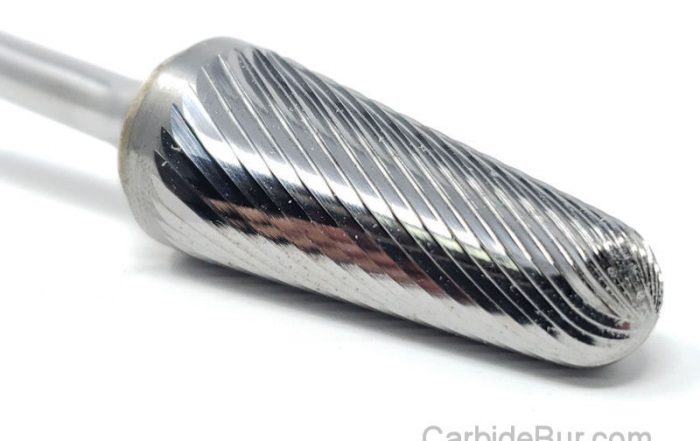
Die Grinder vs. Dremel for Carbide Burrs: Which Tool Should You Use?
Die Grinder vs. Dremel for Carbide Burrs: Which Tool Should You Use? Choosing the right tool for carbide burrs can make or break your project. You might be stuck deciding between a die grinder and [...]
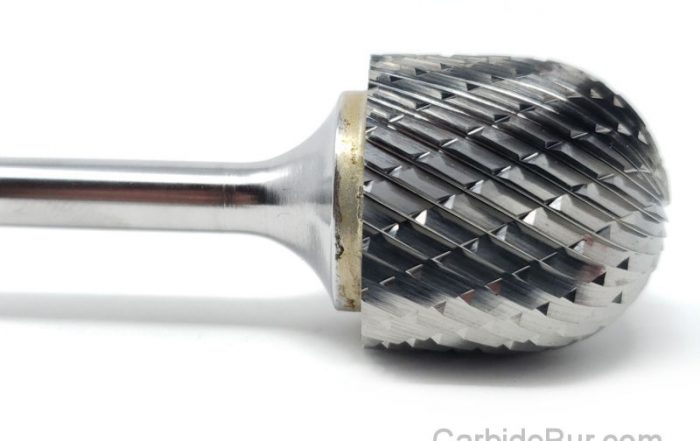
How to Use Carbide Burrs for Weld Removal
How to Use Carbide Burrs for Weld Removal Weld removal can slow down any metalworking project when you’re stuck with the wrong tools or techniques. Using carbide burrs the right way cuts your cleanup time [...]
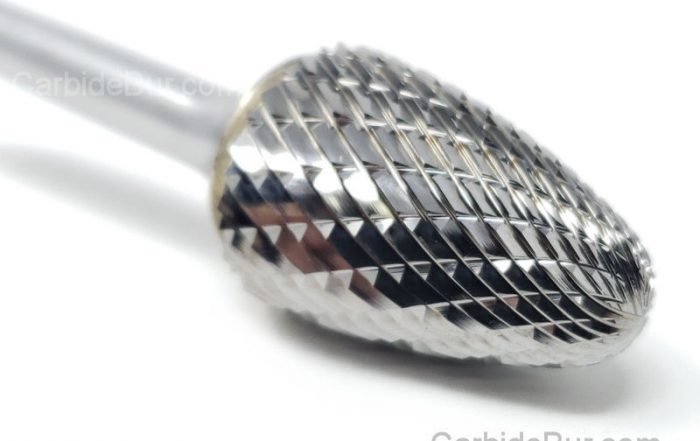
Carbide Burr RPM Guide: How Fast Should You Run a Carbide Burr?
Carbide Burr RPM Guide: How Fast Should You Run a Carbide Burr? Most people run their carbide burrs too fast or too slow without realizing it. Using the wrong speed wears out your tools faster [...]
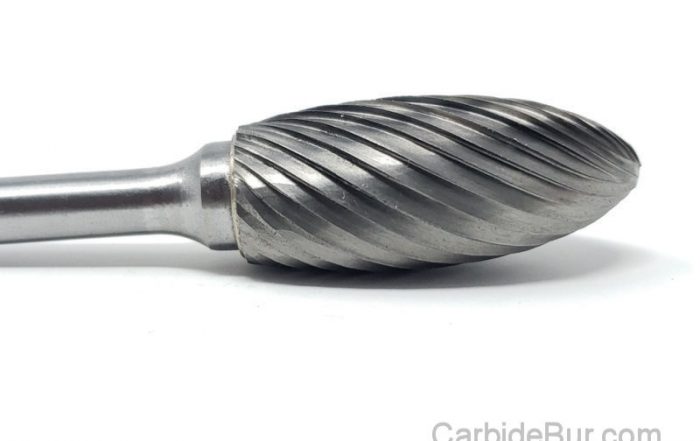
Flame Carbide Burr vs. Tree Carbide Burr: Which Should You Use?
Flame Carbide Burr vs. Tree Carbide Burr: Which Should You Use? You’ve got the right tools, but choosing between a flame carbide burr and a tree carbide burr can still slow down your project. Picking [...]
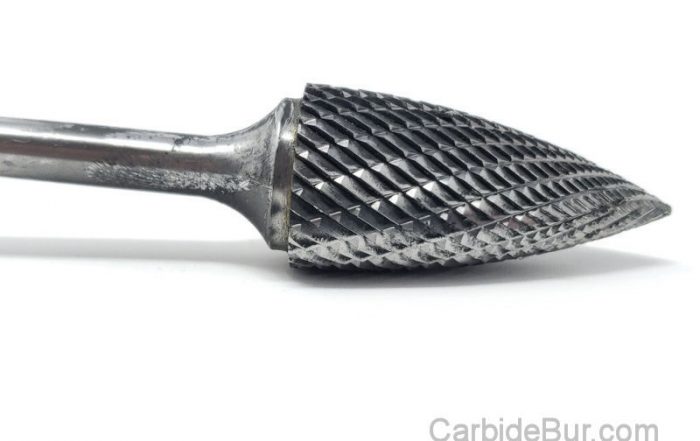
Why Does My Carbide Burr Break? 10 Common Causes
Why Does My Carbide Burr Break? 10 Common Causes Carbide burrs breaking in the middle of a project can bring everything to a halt and drain your budget fast. You’ve probably wondered why your tools [...]
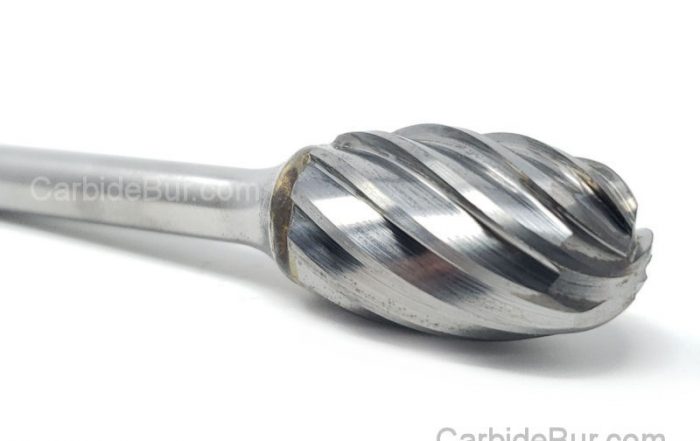
Best Carbide Burr for Aluminum Without Clogging
Best Carbide Burr for Aluminum Without Clogging Clogging ruins more than just your workflow when machining aluminum—it wastes your time and wears out your tools. If you’ve struggled to find a carbide burr that keeps [...]
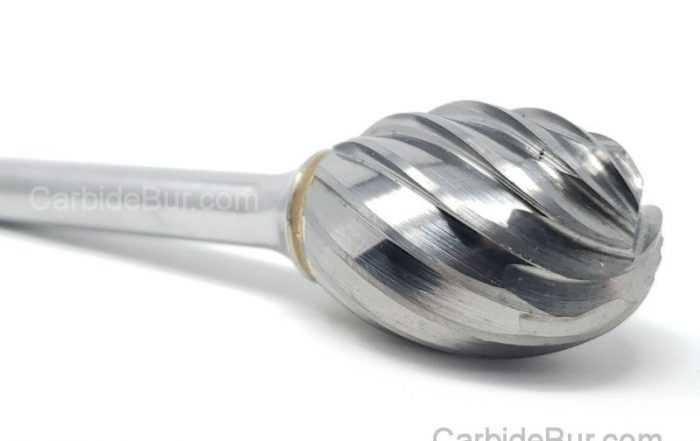
Can You Use Carbide Burrs on Brass and Copper?
Can You Use Carbide Burrs on Brass and Copper? Most machinists hesitate when it comes to using carbide burrs on soft metals like brass and copper. The challenge is real: these metals tend to clog [...]
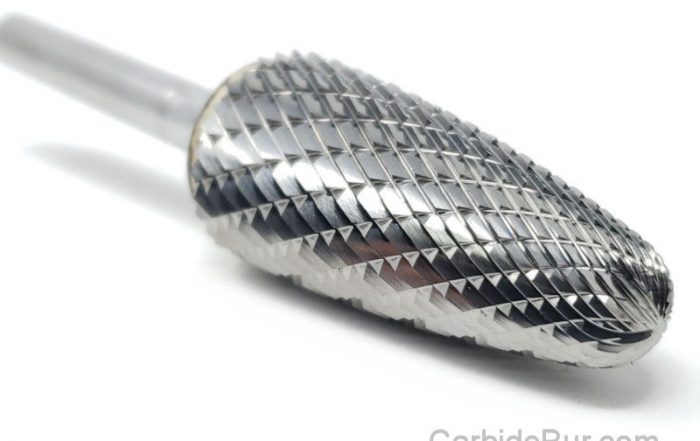
Best Carbide Burr for Stainless Steel: Complete Guide
Best Carbide Burr for Stainless Steel: Complete Guide Working with stainless steel can quickly wear down your tools if you don’t have the right carbide burrs. Choosing the best carbide burr for stainless steel means [...]
Choosing the Right Carbide Burrs for Bolt Cutting
Mastering Metalwork: Choosing the Right Carbide Burrs for Bolt Cutting Cutting bolts with the wrong tool can waste hours and wear down your equipment fast. Carbide burrs offer a powerful option, but not all of [...]
Exploring the Versatility of Carbide Burrs
From Metal Engraving to Crafting: Exploring the Versatility of Carbide Burrs Metal engraving can be a slow, frustrating grind when your tools don’t keep up. If you’ve struggled to get precise cuts or smooth finishes, [...]
Perfecting Material Removal in Tight Spaces
The Ultimate Guide to Tree Shape Carbide Burrs: Perfecting Material Removal in Tight Spaces Most people think all carbide burrs handle tight spaces the same way. That’s not true when it comes to the tree [...]
How to Choose the Best Carbide Burrs for Hard Materials
From Hobbyist to Pro: How to Choose the Best Carbide Burrs for Hard Materials Most metalworkers struggle to find carbide burrs that can handle titanium without wearing out fast. If you’ve wasted time and money [...]
