
The Ultimate Guide to Engraving Metal with Top Carbide Burrs
Most engraving burrs claim to work on metal, but few deliver the precision you need for crisp, detailed designs. If your metalwork projects feel rough or uneven, the problem might be your tools—not your technique. This guide breaks down the best carbide burrs for engraving metal, showing which shapes, sizes, and materials fit each style, so you can create clean, intricate results every time. For more insights, check out this resource.
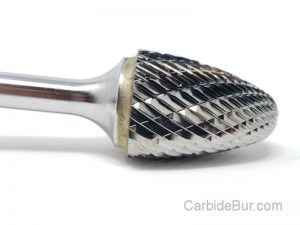
Check out this selection of USA made carbide burs
Choosing the Best Carbide Burr
Selecting the right carbide burr is crucial for achieving precision in metal engraving. Dive into the details of shape, size, and composition to find your perfect match.
Top Burr Shapes for Metal
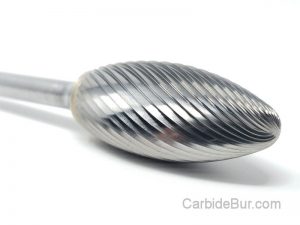
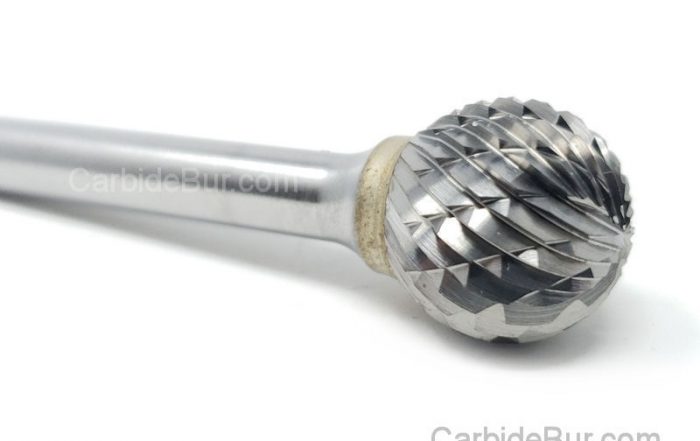
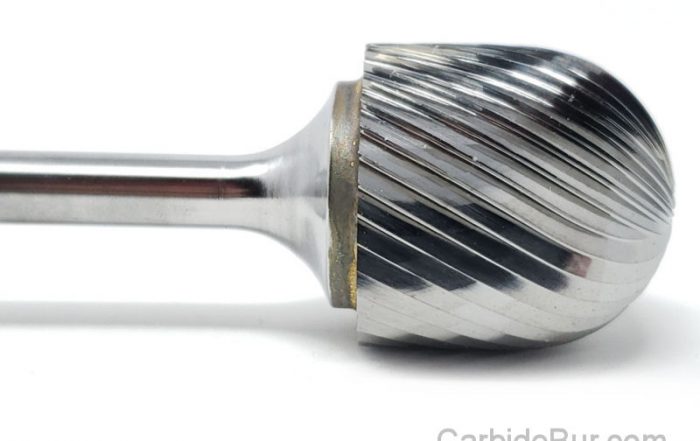
The shape of a burr can greatly influence your engraving results. Cylinder, ball, and flame shapes are popular choices. A cylinder is excellent for flat surfaces and sharp edges, often used in creating straight lines and cleaning up welds. Ball shapes are your go-to for rounded cuts and contours, offering smooth transitions between surfaces. Flame shapes, resembling a teardrop, are ideal for intricate details and making delicate cuts.
Each shape serves a unique purpose, so understanding their applications will save you time and enhance your work. Experimenting with various shapes will quickly show you which one best suits your style and project demands.
Ideal Burr Sizes Explained
Choosing the correct burr size can make your engraving task easier. Sizes range widely, but for most metalwork, a diameter between 1/8″ to 1/4″ is optimal. Smaller diameters are perfect for fine details, while larger sizes cover broader areas more efficiently.
For hobbyists working on smaller projects, starting with a 1/8″ size can offer great precision without compromising on control. Professionals might prefer larger sizes for speed and efficiency, especially when working on extensive surfaces.
Material Composition Insights
The composition of your burr impacts its longevity and effectiveness. Tungsten carbide is a popular choice due to its hardness and durability, making it suitable for various metals. This material withstands high temperatures and resists wear, ensuring clean cuts over time.
If you’re interested in exploring more about tungsten carbide burrs, consider checking out this comprehensive guide. It provides detailed insights into how different compositions can affect your engraving efficiency.

Need a longer reach for your die grinder?
Understanding Metal Engraving Tools
With the right tools, engraving becomes a seamless task. Understanding types, selection, and precision techniques will help you master your craft.
Types of Engraving Burrs
There are countless types of engraving burrs. Each type serves a specific purpose, allowing you to tailor your approach to the project at hand. Rotary burrs are common, offering versatility and control. They come in various shapes and sizes, giving you the flexibility to tackle different tasks.
For more in-depth information on specific burr types, you can refer to resources like this article, which delves into the nuances of different burrs.
Selecting the Right Tool for Metal
Choosing the right tool is essential for successful metal engraving. First, consider the metal type you’re working with. Softer metals like aluminum might require different burrs than harder ones like steel. Secondly, assess the level of detail you need. Fine details require smaller, more precise burrs, while broader strokes can be achieved with larger ones.
Precision Engraving Techniques
Precision is the name of the game in metal engraving. Start by securing your workpiece properly. Use a steady hand and apply consistent pressure to maintain control. Practicing on scrap metal can help you hone your technique before moving on to your main project.
Techniques for Effective Metal Engraving
Achieving effective results in metal engraving involves mastering control and accuracy, enhancing your designs with intricate details, and understanding how different styles impact your work.
Enhancing Control and Accuracy
Control is crucial for clean engravings. Keep your workspace stable to prevent unwanted movements. Use a light touch, letting the burr do the work. Regularly check your progress to ensure accuracy, making adjustments as necessary to maintain control throughout the process.
Tips for Intricate Designs
When tackling intricate designs, patience is key. Begin with a light outline of your design, then gradually deepen the cuts. This approach reduces the risk of mistakes and ensures a polished final product. Detailed work often requires smaller burrs for precision, so choose accordingly.
Engraving Styles and Their Impact
Different engraving styles can significantly affect the outcome of your work. Shallow engravings offer a subtle, elegant look, while deeper cuts provide a more pronounced effect. Experimenting with various styles will help you discover which resonates best with your artistic vision.
Metal Types and Their Challenges
Each metal presents unique challenges in the engraving process. Understanding these can lead to better results and fewer frustrations.
Engraving Aluminum with Ease
Aluminum is softer, making it easier to engrave, but it can clog burrs quickly. Frequent cleaning is necessary to maintain smooth cuts. Using burrs designed for aluminum can also help in achieving cleaner results.
Techniques for Steel and Brass
Steel requires more pressure due to its hardness. High-speed burrs work best here to cut efficiently. Brass, while softer than steel, demands precision to avoid over-cutting and damaging the piece.
For more tips on steel engraving, consider exploring this post for community insights and shared experiences.
Adapting to Metalwork Variations
Metalwork often involves adapting to various materials and conditions. Each project teaches something new, so stay open to learning and adjusting your techniques. The more you practice, the more adept you’ll become at handling different metals and tools.
Mastering the Art of Engraving
Mastery in engraving comes from experience, the right tools, and continuous practice. Aim for professional-quality results and stunning designs by honing your skills.
Professional-Quality Results
Achieving professional results requires attention to detail and dedication. Consistent practice leads to improved skills and more polished outcomes. Take pride in your progress and keep pushing your boundaries.
Tools for Stunning Designs
Investing in quality tools is a game-changer. High-quality burrs offer reliability and precision, making them indispensable in creating stunning designs. Regular maintenance of your tools will also ensure their longevity and effectiveness.
Elevating Your Metalwork Skills
Elevate your skills by challenging yourself with new projects. Join communities, share your work, and learn from others. The journey of mastering engraving is ongoing, but with each project, you gain confidence and expertise.
Engraving is an art form that combines precision, creativity, and skill. By choosing the best carbide burrs and mastering the techniques, you can achieve exceptional results that showcase your talents.
Looking for Carbide Bur Tools?
Check out our entire selection of USA made carbide bur die grinder tool bits
Follow us on Twitter

Return to CarbideBur.com
Carbide Burs – 1/4″ on 1/8″ Shanks – Accessories – Aluminum Cut – Bur Sets – End Mills – Long Shank – Solid Burs
1/8 vs 1/4 Inch Carbide Burrs: What’s the Difference?
1/8 vs 1/4 Inch Carbide Burrs: What's the Difference? Choosing between a 1/8 inch carbide burr and a 1/4 inch carbide burr can change how your project turns out. Many machinists and hobbyists overlook how [...]
Best Carbide Burr for Removing Flash From Castings
Best Carbide Burr for Removing Flash From Castings Removing flash from castings is a task that can slow down your entire metalworking process if you don’t have the right tools. Picking the best carbide burr [...]
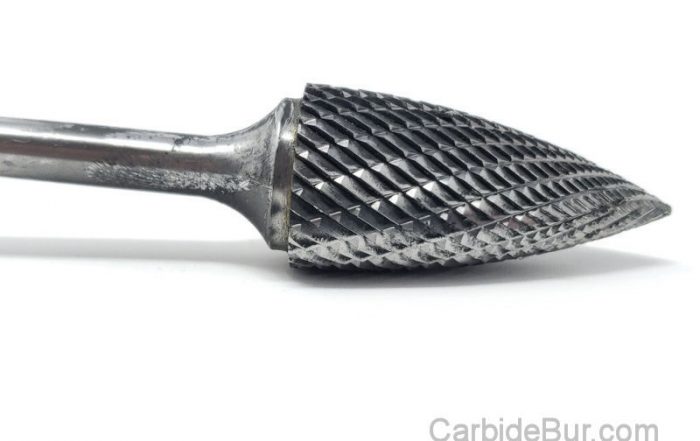
What RPM Should You Use for a 1/4 Inch Carbide Burr?
What RPM Should You Use for a 1/4 Inch Carbide Burr? Most machinists guess the right speed for a 1/4 inch carbide burr and hope for the best. Using the wrong carbide burr RPM can [...]
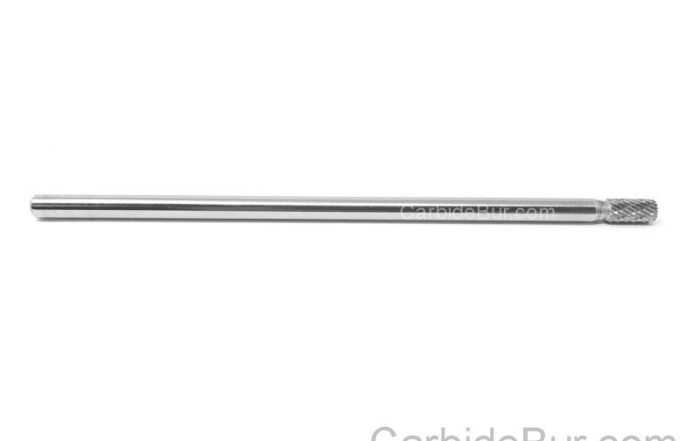
Long Shank Carbide Burrs: When Do You Need One?
Long Shank Carbide Burrs: When Do You Need One? Most machinists overlook the power of long shank carbide burrs until a project demands precision in tight spaces. When your usual tools can’t reach intricate contours, [...]
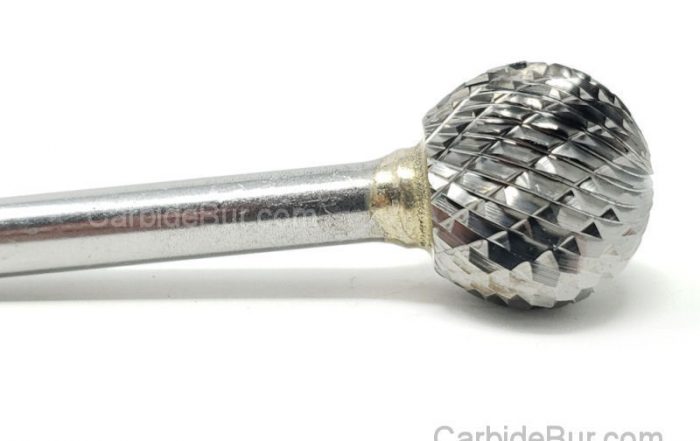
How Deep Can a Carbide Burr Cut Metal?
How Deep Can a Carbide Burr Cut Metal? Carbide burrs often get praised for their precision, but many users hit a wall wondering how deep they can actually cut metal. The truth is, cutting depth [...]
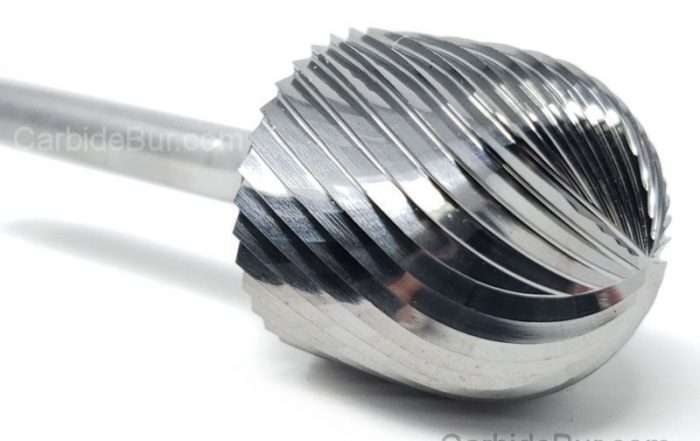
How to Use Carbide Burrs for Port Matching
How to Use Carbide Burrs for Port Matching Most engine builds hit a wall when airflow doesn’t flow smoothly between the ports and manifolds. If your engine isn’t breathing right, your performance stalls. Using the [...]
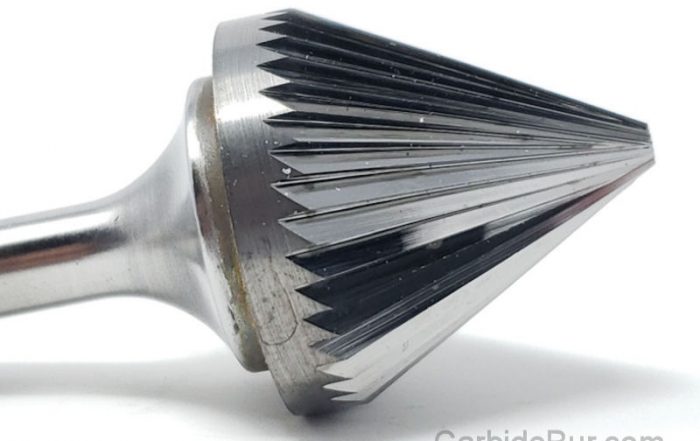
Best Carbide Burr for Porting Intake Manifolds
Best Carbide Burr for Porting Intake Manifolds Porting intake manifolds can make or break your engine’s airflow, yet many struggle with the right tools for the job. Choosing the best carbide burrs is key to [...]
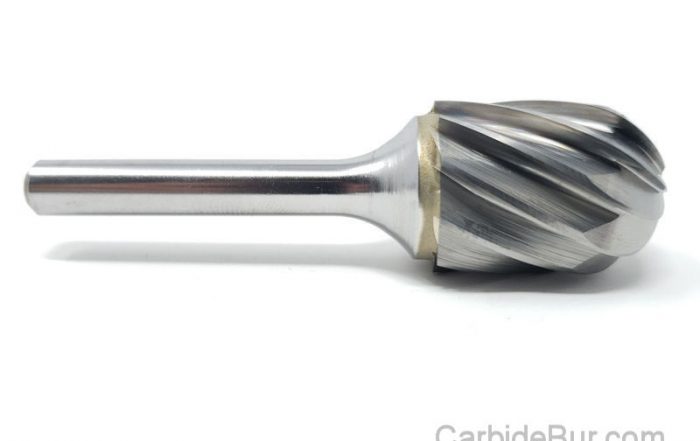
Best Carbide Burr for Concave Surfaces
Best Carbide Burr for Concave Surfaces Concave surfaces can turn a straightforward project into a frustrating challenge if you don’t have the right tool. Carbide burrs designed for these tricky curves make all the difference [...]
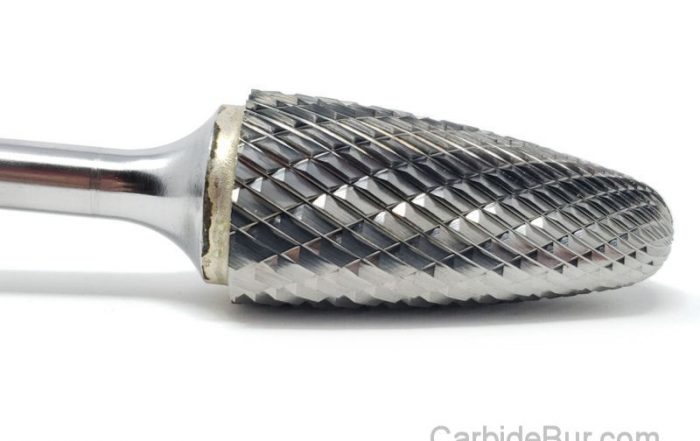
How to Grind a Slot in Metal With a Carbide Burr
How to Grind a Slot in Metal With a Carbide Burr Grinding a precise slot in metal can feel like a tricky task, especially if you’re unsure which tools to trust. Carbide burr grinding offers [...]

Best Carbide Burr for Inside Corners
Best Carbide Burr for Inside Corners Working in tight inside corners can turn even simple projects into frustrating tasks. Many carbide burrs just don’t fit or cut cleanly where you need them most. The best [...]
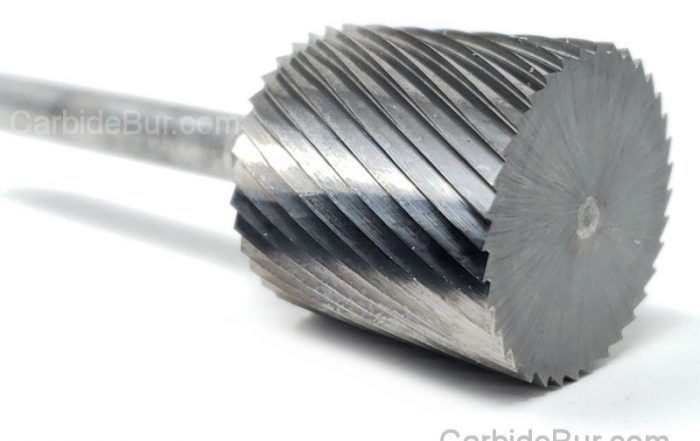
What Size Carbide Burr Do I Need?
What Size Carbide Burr Do I Need? Picking the wrong carbide burr can turn a simple project into a frustrating mess. You might have the best machining tools but still miss the mark if your [...]
How to Smooth Sharp Metal Edges With a Carbide Burr
How to Smooth Sharp Metal Edges With a Carbide Burr Sharp metal edges can turn your project from professional to risky in seconds. If you’ve struggled with smoothing metal edges without scratching or weakening the [...]
