
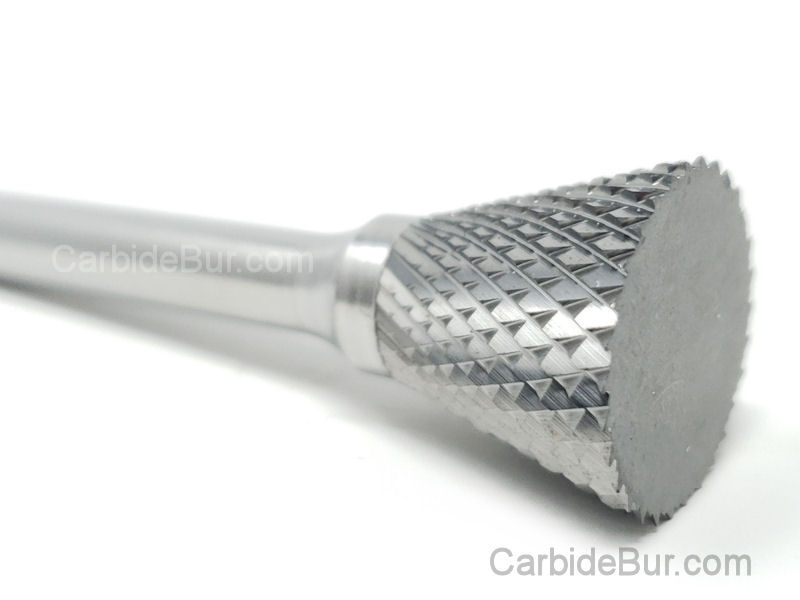
What Specialized Techniques Should You Master With An Inverted Cone Bur?
With the right techniques, using an inverted cone bur can enhance your dental practice and improve patient outcomes. This versatile tool is crucial for various procedures, including caries removal and cavity preparation. In this post, you will learn specialized techniques that allow you to maximize the effectiveness of the inverted cone bur, ensuring precision and efficiency in your work. By mastering these skills, you can elevate your expertise and provide superior care for your patients.
Find more carbide bur die grinder tool bits here
Understanding the Inverted Cone Bur
For a dental professional, understanding the inverted cone bur is necessary for efficient cavity preparation. This tool features a distinctive tapered shape that allows for precise removal of decayed enamel and dentin, making it a valuable addition to your dental handpiece collection. Recognizing its characteristics and applications can significantly enhance your restorative techniques and patient outcomes.
Description and Characteristics
Any inverted cone bur typically has a flat end with angled edges, creating its unique cone-like appearance. This design allows for effective cutting and smooth finishing, enabling you to navigate tooth structure easily. Additionally, they come in various sizes and materials, offering versatility for different procedures and preferences.
Common Uses in Dentistry
Common applications of the inverted cone bur include cavity preparation for restorative fillings, as well as refining tooth structure during endodontic procedures. These burs provide excellent control, allowing you to access cavities without damaging adjacent tissue.
For instance, when preparing a cavity for an amalgam or composite restoration, the inverted cone bur allows you to create the necessary cavity shape efficiently. This tool lets you remove carious tissue while preserving healthy tooth structure, promoting a strong bond with the filling material. Additionally, it is effective in creating retention grooves, ensuring stability for restorations and improving long-term patient satisfaction.
Essential Techniques for Mastery
You should focus on mastering specific techniques that enhance your efficiency and precision with an inverted cone bur. These techniques include creating precise cavities and shaping and smoothing surfaces, both of which are vital for delivering high-quality dental work. By honing these skills, you can ensure better patient outcomes and elevate your practice standards.
Creating Precise Cavities
After you have familiarized yourself with the inverted cone bur, you can enhance your skills by practicing cavity preparation. This technique requires meticulous control to ensure that the cavity is created accurately, taking into account the required depth and angle. By developing a steady hand and precise movements, you will be able to prepare cavities that facilitate effective restorations.
Shaping and Smoothing Surfaces
Before you proceed with the final steps in cavity preparation, it’s imperative to shape and smooth the surfaces effectively. This technique involves using the inverted cone bur to refine the contours of the preparation, ensuring optimal bonding and aesthetics. Mastering this skill allows you to create smoother surfaces that not only enhance the fitting of restorations but also improve the patient’s comfort.
This technique is significant as it directly impacts the quality of the finished restoration. High-quality shaping and smoothing can lead to a more seamless fit for crowns or fillings, reducing the risk of future complications. By consistently practicing this technique, you will build the dexterity needed to achieve superior surface quality, resulting in enhanced durability and patient satisfaction.
Advanced Applications of Inverted Cone Bur
Some of the advanced applications of inverted cone bur include:
|
Endodontic Preparations
Any skilled practitioner understands the importance of precision in endodontic preparations. Utilizing an inverted cone bur can streamline access to the pulp chamber, allowing you to create an efficient pathway while minimizing trauma to surrounding dentin. This technique enhances visibility and facilitates a more effective cleaning and shaping process during root canal therapy.
Esthetic Restorations
An inverted cone bur plays a significant role in successful esthetic restorations by allowing you to manipulate tooth structure with precision. This aids you in achieving a smooth finish and appropriate contours, which are vital for blending restorations with natural tooth aesthetics.
At the core of esthetic restorations lies your ability to create superficial enamel and dentin layers, fostering seamless integration of materials. By mastering the inverted cone bur, you can skillfully refine margins and facilitate a more natural appearance in cosmetic procedures. Your expertise in this technique will not only enhance the quality of your work but also elevate patient satisfaction and outcomes.
Maintenance and Care of Inverted Cone Burs
Unlike other dental instruments, the maintenance of inverted cone burs is important to ensure optimal performance and longevity. Regular care will help you achieve consistent results while also safeguarding your investment in these vital tools. Adopting a systematic approach to maintenance will not only enhance the lifespan of your burs but also contribute to better patient outcomes during procedures.
Cleaning and Sterilization
At the end of each use, it’s important to thoroughly clean your inverted cone burs to prevent the buildup of debris and bacteria. Use an ultrasonic cleaner with an appropriate solution to ensure every surface is effectively cleaned, followed by sterilization in an autoclave. This process not only preserves the integrity of the burs but also promotes the safety of your patients by minimizing infection risks.
Longevity and Replacement
Care for your inverted cone burs extends to their longevity and eventual replacement. Regular inspection for wear and damage ensures you can identify when a bur has reached the end of its life cycle. Using a bur that has dulled or experienced structural degradation can lead to inefficiencies and poor performance during procedures. Such proactive measures can improve your workflow and overall patient care.
Longevity of inverted cone burs generally hinges on factors such as usage frequency, the materials being cut, and proper maintenance practices. Typically, with appropriate care—like cleaning, sterilizing, and inspecting for wear—you can maximize their operational lifespan. As burs become worn, you may notice less efficient cutting and increased heat generation during procedures. Therefore, keeping an eye on their performance and replacing them when necessary helps ensure the quality of your work remains high.
Benefits of Proficient Use
Despite the variety of dental tools available, mastering the use of an inverted cone bur presents unique advantages that can enhance your practice significantly. Proficient use not only elevates your skill set but also ensures you deliver high-quality dental care. As you increase your expertise with this tool, you’ll discover that it contributes positively to both your workflow and patient satisfaction.
Enhanced Patient Outcomes
About effective dental procedures, the proficient use of an inverted cone bur allows you to achieve precision in cavity preparation and tooth contouring. This precision leads to better adhesion of restorative materials and improved overall aesthetics. Ultimately, your patients experience less discomfort and enjoy longer-lasting treatments, making your skills a key contributor to their dental health.
Increased Efficiency in Procedures
Beside enhanced patient outcomes, mastering the inverted cone bur enables you to streamline your dental procedures. The design of this bur allows for quick and precise cutting, which can reduce the time spent on each patient. Efficiency in your practice can lead to shorter appointment times while maintaining high-quality work, imperative for managing a busy dental schedule.
Another way the inverted cone bur contributes to efficiency is through its versatility in various treatments. You can utilize this tool for a range of procedures, from cavity preparations to smoothing and finishing surfaces. This adaptability means less time spent switching between instruments, allowing you to focus more on patient care and less on logistics. As you become more familiar with its usage, you will find your workflow becoming smoother and overall practice more productive.
Common Mistakes to Avoid
After mastering the use of an inverted cone bur, it’s vital to steer clear of common pitfalls that can hinder your effectiveness. These mistakes can compromise your precision and the quality of your work. By being aware of potential errors, you can refine your technique and achieve better outcomes in your dental procedures.
Improper Angling and Pressure
Before you start using an inverted cone bur, ensure you have the proper angling and pressure applied. If your angle is off or the pressure you exert is inconsistent, this can lead to uneven cuts or even damage to the surrounding tooth structure. Take your time to adjust your hand positioning and adapt your pressure to suit the material you’re working on.
Ignoring Material Compatibility
Any time you use an inverted cone bur, it is vital to consider the material you are operating on. Using the bur on incompatible materials can lead to inefficient cutting or excessive wear on the bur itself.
And when you overlook material compatibility, you risk not only damaging your tools but also compromising the integrity of your dental work. Each material—be it enamel, dentin, or restorative materials—requires a specific approach. Understand the properties of the materials you’re working with to optimize your cutting efficiency and prolong the life of your burs.
To wrap up
To wrap up, mastering the use of an inverted cone bur can greatly enhance your dental skills. Focus on techniques such as effective cavity preparation, precise decay removal, and meticulous undercut creation to optimize your restorations. Additionally, practice maintaining the proper angle and pressure during use to achieve smoother finishes and better access in tight spaces. By refining these techniques, you will improve your efficiency and outcomes in restorative procedures, ultimately elevating your level of patient care.
Find more carbide bur die grinder tool bits here
Die Grinder vs. Dremel for Carbide Burrs: Which Tool Should You Use?
Die Grinder vs. Dremel for Carbide Burrs: Which Tool Should You Use? Choosing the right tool for carbide burrs can make or break your project. You might be stuck deciding between a die grinder and [...]
How to Use Carbide Burrs for Weld Removal
How to Use Carbide Burrs for Weld Removal Weld removal can slow down any metalworking project when you’re stuck with the wrong tools or techniques. Using carbide burrs the right way cuts your cleanup time [...]
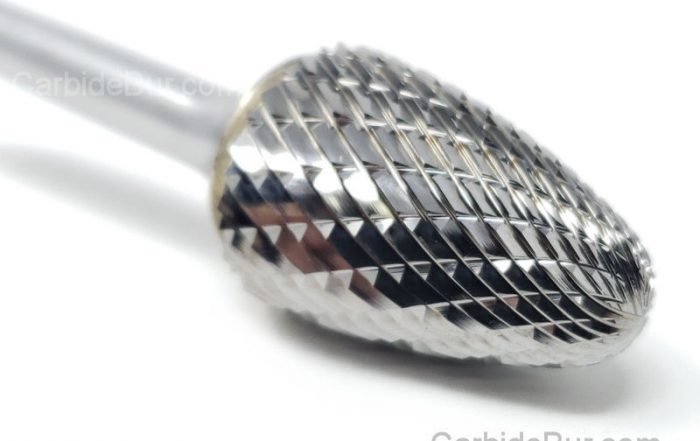
Carbide Burr RPM Guide: How Fast Should You Run a Carbide Burr?
Carbide Burr RPM Guide: How Fast Should You Run a Carbide Burr? Most people run their carbide burrs too fast or too slow without realizing it. Using the wrong speed wears out your tools faster [...]
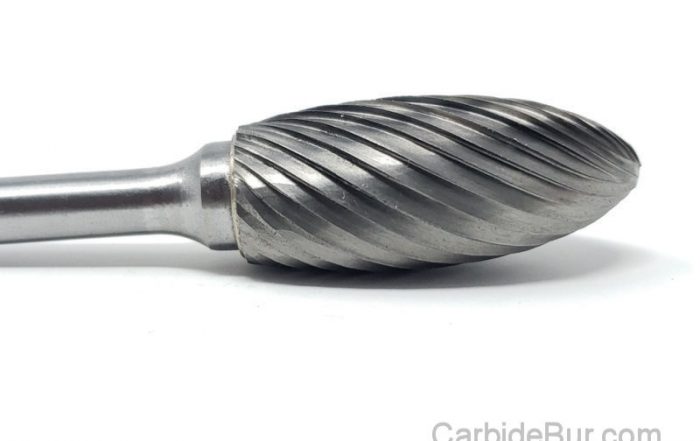
Flame Carbide Burr vs. Tree Carbide Burr: Which Should You Use?
Flame Carbide Burr vs. Tree Carbide Burr: Which Should You Use? You’ve got the right tools, but choosing between a flame carbide burr and a tree carbide burr can still slow down your project. Picking [...]
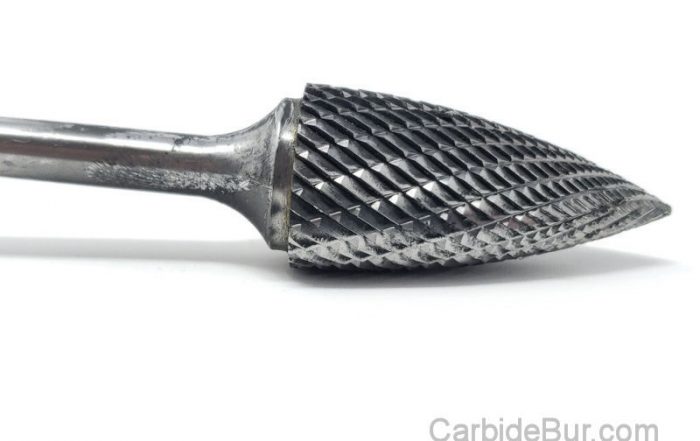
Why Does My Carbide Burr Break? 10 Common Causes
Why Does My Carbide Burr Break? 10 Common Causes Carbide burrs breaking in the middle of a project can bring everything to a halt and drain your budget fast. You’ve probably wondered why your tools [...]
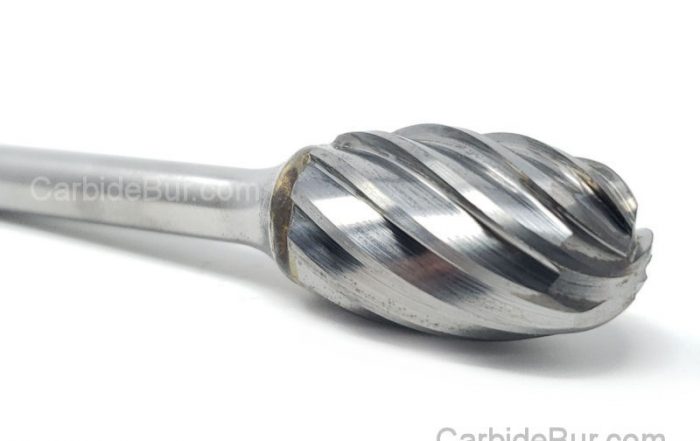
Best Carbide Burr for Aluminum Without Clogging
Best Carbide Burr for Aluminum Without Clogging Clogging ruins more than just your workflow when machining aluminum—it wastes your time and wears out your tools. If you’ve struggled to find a carbide burr that keeps [...]
Can You Use Carbide Burrs on Brass and Copper?
Can You Use Carbide Burrs on Brass and Copper? Most machinists hesitate when it comes to using carbide burrs on soft metals like brass and copper. The challenge is real: these metals tend to clog [...]
Best Carbide Burr for Stainless Steel: Complete Guide
Best Carbide Burr for Stainless Steel: Complete Guide Working with stainless steel can quickly wear down your tools if you don’t have the right carbide burrs. Choosing the best carbide burr for stainless steel means [...]
Choosing the Right Carbide Burrs for Bolt Cutting
Mastering Metalwork: Choosing the Right Carbide Burrs for Bolt Cutting Cutting bolts with the wrong tool can waste hours and wear down your equipment fast. Carbide burrs offer a powerful option, but not all of [...]
Exploring the Versatility of Carbide Burrs
From Metal Engraving to Crafting: Exploring the Versatility of Carbide Burrs Metal engraving can be a slow, frustrating grind when your tools don’t keep up. If you’ve struggled to get precise cuts or smooth finishes, [...]
Perfecting Material Removal in Tight Spaces
The Ultimate Guide to Tree Shape Carbide Burrs: Perfecting Material Removal in Tight Spaces Most people think all carbide burrs handle tight spaces the same way. That’s not true when it comes to the tree [...]
How to Choose the Best Carbide Burrs for Hard Materials
From Hobbyist to Pro: How to Choose the Best Carbide Burrs for Hard Materials Most metalworkers struggle to find carbide burrs that can handle titanium without wearing out fast. If you’ve wasted time and money [...]
