
Eco-Friendly Welding: How Carbide Burs Cut Waste and Costs
In a world where sustainability is more than a buzzword, the welding industry is stepping up with eco-friendly solutions that balance quality and waste reduction. Carbide burs are leading the charge by offering precise material removal during weld finishing, allowing you to trim only what’s necessary and keep excess waste to a minimum. This practice not only supports sustainable welding but also slashes costs, making your projects more budget-friendly. By choosing high-efficiency cutting tools like carbide burs, you’re not just enhancing weld quality—you’re contributing to a greener planet. Ready to learn how you can implement these strategies and boost your role in environmentally conscious welding? Let’s explore the benefits of carbide burs and their impact on the industry. Learn more about sustainable solutions here.## Eco-Friendly Welding Benefits
Eco-friendly welding is gaining traction as a responsible approach to reduce environmental harm while maintaining quality. By adopting tools like carbide burs, welders address sustainability challenges head-on.
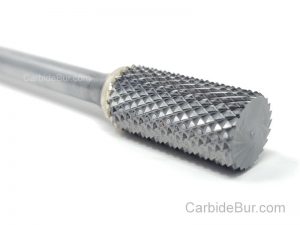
Find more carbide bur die grinder tool bits here
Essential Eco-Friendly Welding Tools
Eco-friendly welding tools are designed to minimize environmental impact. Carbide burs are a prime example, offering precise material removal. These tools are crafted to reduce waste effectively.
-
Cutting Tools: Made from durable materials that last longer, reducing replacements.
-
Carbide Burs: Specifically designed for precision, enhancing efficiency in material removal.
For more detailed information on these tools, visit carbidebur.com.
Advantages of Carbide Burs
Carbide burs offer several advantages. They are crafted from tungsten carbide, ensuring longevity and durability. This material significantly reduces the need for frequent replacements.
-
Efficiency: Carbide burs cut through materials with precision, reducing job times.
-
Waste Reduction: By removing only the necessary material, they minimize scrap.
-
Cost-Effective: Long-lasting tools mean fewer purchases over time.
Explore the benefits in detail at carbideburr.net.
Sustainable Welding Practices Explained
Sustainable welding practices involve more than just tool use. They encompass techniques and strategies aimed at reducing environmental impact.
-
Material Selection: Opt for recyclable and sustainable materials.
-
Process Optimization: Optimize welding processes to use less energy.
-
Waste Management: Implement recycling and waste reduction programs.
For a complete guide on sustainable practices, check Weldmaster.
Reducing Material Waste
Reducing material waste is a key goal in eco-friendly welding. Precision, technology, and strategic waste management are pivotal.
Precision in Weld Finishing
Precision is crucial in weld finishing. It ensures that only necessary material is removed, minimizing waste.
-
Carbide burs enable precise cuts, which are critical for reducing scrap.
-
Advanced tools help maintain high-quality finishes without excess material loss.
High Efficiency Cutting Techniques
High efficiency cutting involves advanced techniques and precise tools. Techniques focus on optimizing cuts to reduce waste.
-
Tool Selection: Choose tools that offer precision and durability.
-
Technique Application: Apply techniques that focus on minimal material removal.
-
Continuous Improvement: Regularly update practices for better efficiency.
Environmental Impact and Cost Savings
Eco-friendly welding reduces environmental impact and offers cost savings. By reducing waste, overall costs decrease.
-
Reduced Scrap: Less waste means lower disposal costs.
-
Energy Efficiency: Less energy consumption translates to lower bills.
-
Sustainability Goals: Meeting environmental standards can lead to potential financial incentives.
Enhancing Weld Quality
Enhancing weld quality is crucial for both performance and sustainability. It involves using the right tools and techniques to ensure optimal results.
Effective Welding Industry Solutions
The welding industry offers solutions that enhance quality while promoting sustainability.
-
Tool Innovation: Introduction of advanced tools designed for precision.
-
Training Programs: Programs focus on sustainable practices and tool use.
Achieving Superior Results
Superior results in welding combine quality with sustainability. This balance is vital for modern projects.
-
Tool Use: Proper tool use enhances quality and sustainability.
-
Technique Mastery: Master techniques that focus on efficiency and precision.
Long-term Benefits of Eco-Friendly Practices
Eco-friendly practices offer long-term benefits. They improve environmental footprint while enhancing project quality.
-
Sustainability: Long-term commitment to reducing environmental impact.
-
Cost Savings: Reduced waste and efficient processes save money over time.
By integrating eco-friendly practices, you can achieve both environmental and economic goals.
Find more carbide bur die grinder tool bits here
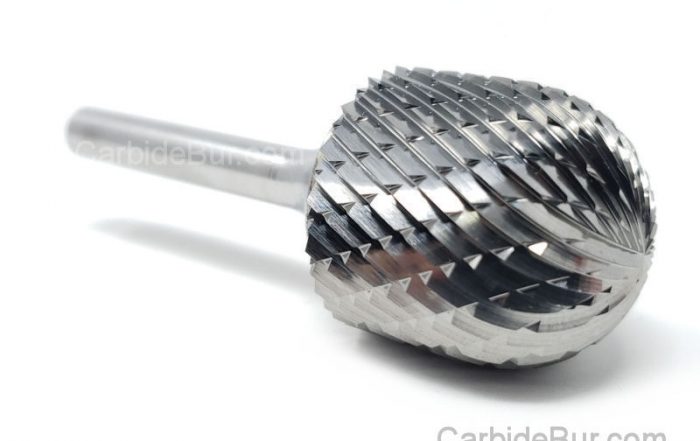
How to Use a Carbide Burr With a Die Grinder
How to Use a Carbide Burr With a Die Grinder Most people treat a carbide burr like just another tool, but using it with a die grinder takes skill. If you’ve struggled with burr installation [...]
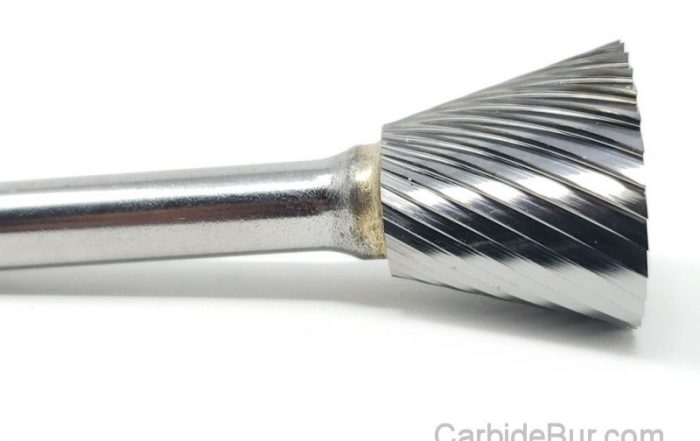
1/8 vs 1/4 Inch Carbide Burrs: What’s the Difference?
1/8 vs 1/4 Inch Carbide Burrs: What's the Difference? Choosing between a 1/8 inch carbide burr and a 1/4 inch carbide burr can change how your project turns out. Many machinists and hobbyists overlook how [...]
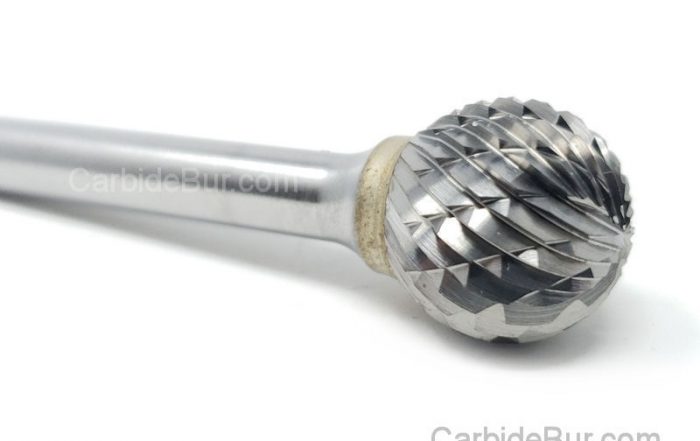
Best Carbide Burr for Removing Flash From Castings
Best Carbide Burr for Removing Flash From Castings Removing flash from castings is a task that can slow down your entire metalworking process if you don’t have the right tools. Picking the best carbide burr [...]
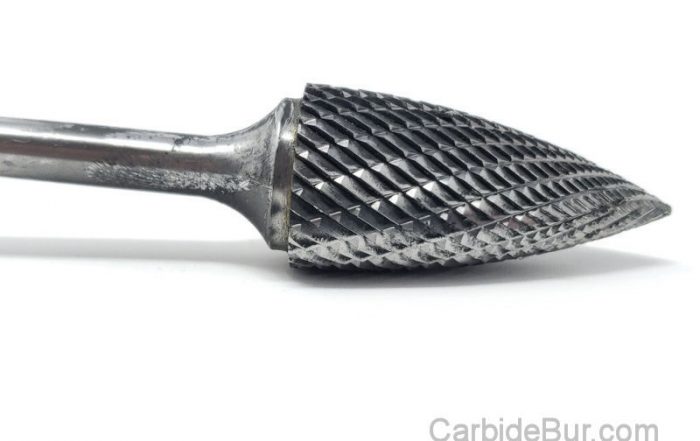
What RPM Should You Use for a 1/4 Inch Carbide Burr?
What RPM Should You Use for a 1/4 Inch Carbide Burr? Most machinists guess the right speed for a 1/4 inch carbide burr and hope for the best. Using the wrong carbide burr RPM can [...]
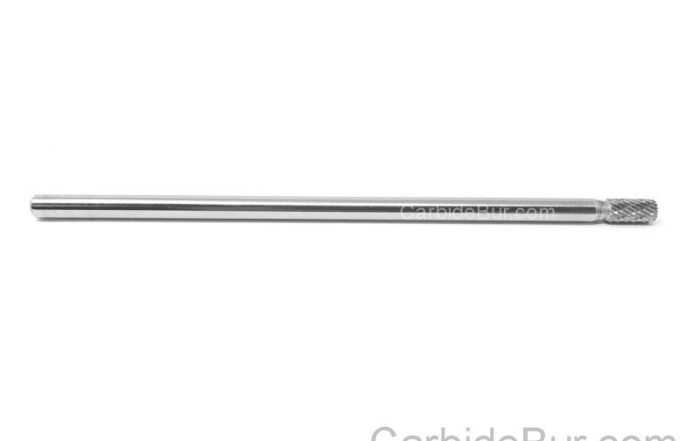
Long Shank Carbide Burrs: When Do You Need One?
Long Shank Carbide Burrs: When Do You Need One? Most machinists overlook the power of long shank carbide burrs until a project demands precision in tight spaces. When your usual tools can’t reach intricate contours, [...]
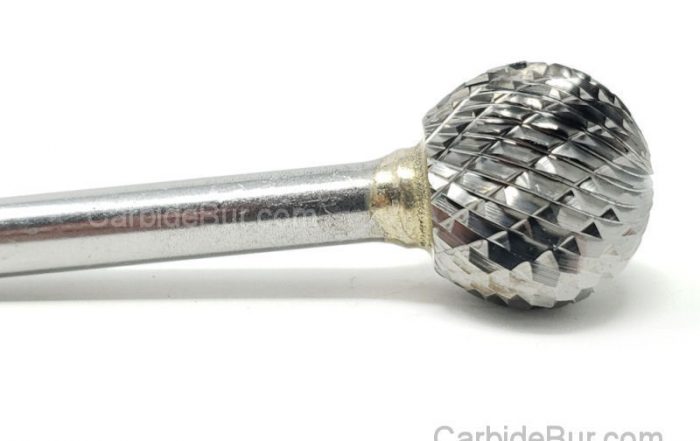
How Deep Can a Carbide Burr Cut Metal?
How Deep Can a Carbide Burr Cut Metal? Carbide burrs often get praised for their precision, but many users hit a wall wondering how deep they can actually cut metal. The truth is, cutting depth [...]
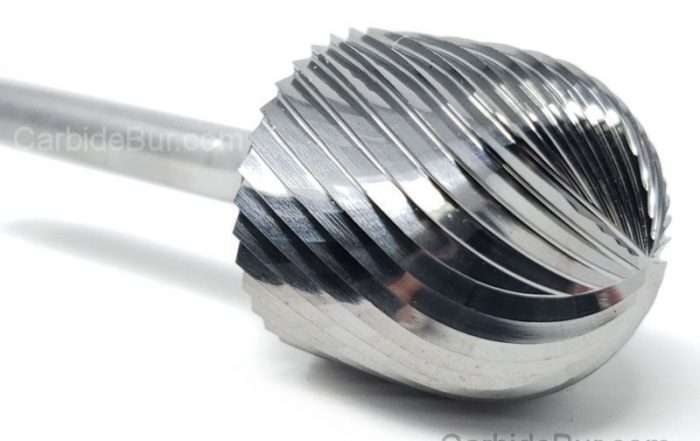
How to Use Carbide Burrs for Port Matching
How to Use Carbide Burrs for Port Matching Most engine builds hit a wall when airflow doesn’t flow smoothly between the ports and manifolds. If your engine isn’t breathing right, your performance stalls. Using the [...]
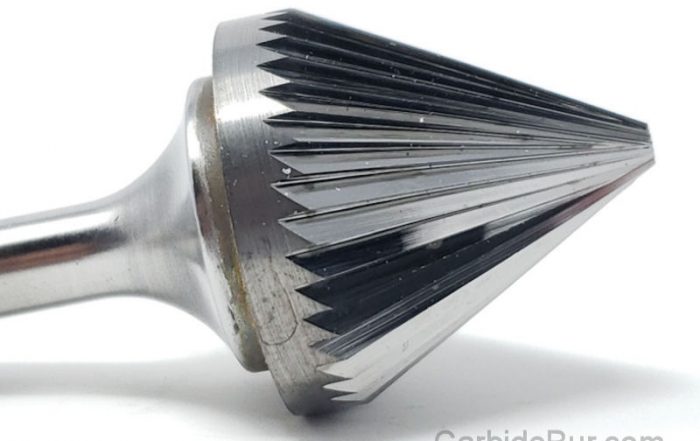
Best Carbide Burr for Porting Intake Manifolds
Best Carbide Burr for Porting Intake Manifolds Porting intake manifolds can make or break your engine’s airflow, yet many struggle with the right tools for the job. Choosing the best carbide burrs is key to [...]
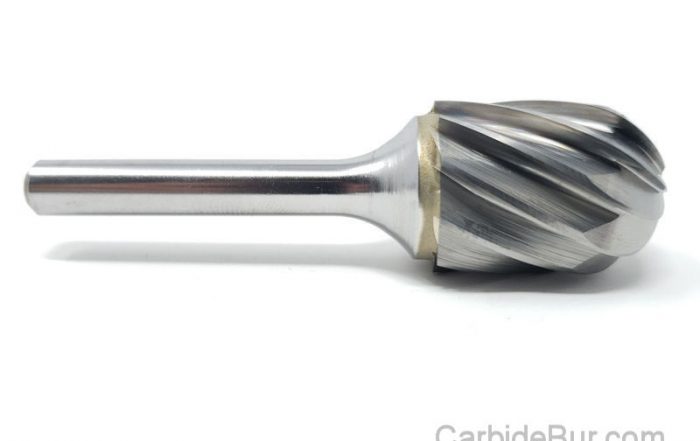
Best Carbide Burr for Concave Surfaces
Best Carbide Burr for Concave Surfaces Concave surfaces can turn a straightforward project into a frustrating challenge if you don’t have the right tool. Carbide burrs designed for these tricky curves make all the difference [...]
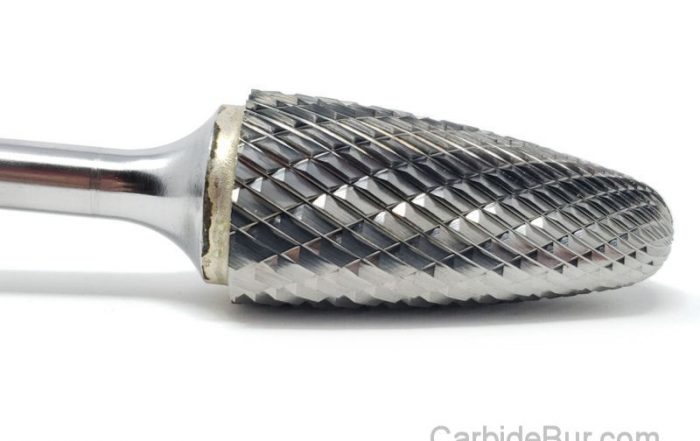
How to Grind a Slot in Metal With a Carbide Burr
How to Grind a Slot in Metal With a Carbide Burr Grinding a precise slot in metal can feel like a tricky task, especially if you’re unsure which tools to trust. Carbide burr grinding offers [...]

Best Carbide Burr for Inside Corners
Best Carbide Burr for Inside Corners Working in tight inside corners can turn even simple projects into frustrating tasks. Many carbide burrs just don’t fit or cut cleanly where you need them most. The best [...]
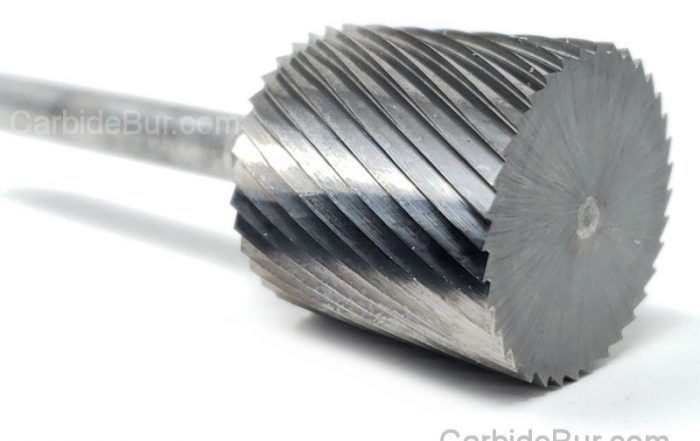
What Size Carbide Burr Do I Need?
What Size Carbide Burr Do I Need? Picking the wrong carbide burr can turn a simple project into a frustrating mess. You might have the best machining tools but still miss the mark if your [...]
