
Effective Techniques – How To Utilize SATA Carbide Burrs For Efficient Grinding
This guide will equip you with effective techniques to maximize the performance of SATA carbide burrs in your grinding tasks. By understanding the unique features of these tools and implementing best practices, you can achieve cleaner finishes and improve your efficiency. From selecting the right burr for your materials to mastering the appropriate techniques for use, you will discover how to enhance your projects with precision and ease. Dive in to unlock the potential of SATA carbide burrs and transform your grinding experience.
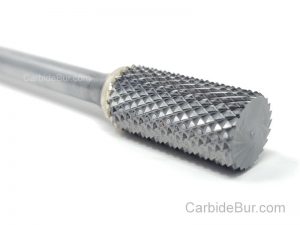
Find more carbide bur die grinder tool bits here
Unlocking the Potential: What SATA Carbide Burrs Can Do
With their precision and versatility, SATA carbide burrs unlock a plethora of possibilities for both professional and DIY projects. You can use these tools to shape, grind, and polish a wide range of materials, from metals to plastics, making them indispensable in various industries such as automotive, aerospace, and woodworking. Their ability to remove material efficiently while producing a smooth finish sets them apart from traditional grinding methods.
Key Features that Enhance Grinding Efficiency
When considering SATA carbide burrs, multiple key features contribute to their effectiveness in grinding tasks. You’ll appreciate how these attributes elevate your work quality and speed.
- High hardness rating ensures durability and longevity
- Variety of shapes (round, cylindrical, tapered) for diverse applications
- Coarse to fine grit options to match material and finish required
- Precision ground tips for consistent performance
- Compatibility with different rotary tools for versatile use
After understanding these features, you’re likely to see how they collectively enhance your grinding efficiency and output.
Varieties of SATA Carbide Burrs for Different Applications
Different applications demand various tooling approaches, and SATA carbide burrs excel in this area by offering a diverse range of shapes and sizes. You can select from options like flame, ball, and cylinder shapes, each tailored for specific tasks such as deburring, contouring, or intricate carving. For instance, a flame-shaped burr is ideal for shaping contours, while a ball-shaped burr works effectively for detailed engraving or hole enlargements. This extensive selection ensures you can tackle any project confidently and efficiently, with the right tool at your disposal.
Prepping for Success: Essential Setup Procedures
Setting up for an efficient grinding session requires careful attention to detail. Start by ensuring your workspace is clean and organized, with easy access to all necessary tools. Position your grinder so that you have ample lighting and sufficient space to maneuver. Verify that your grinder is compatible with SATA carbide burrs and isn’t set to excessive speeds, which can lead to overheating or unwanted vibrations during use. Taking these steps will create a safer and more productive environment, ensuring smooth operation throughout your project.
Selecting the Right Burr for Your Task
The variety of SATA carbide burrs available allows you to choose the perfect tool for your specific grinding needs. Identify the material you’re working with and the type of finish you desire to determine whether a pointed, ball, or flat-shaped burr is best suited for the job. Keep in mind that different sizes may yield varying results—even within the same material—so having a range of options can enhance your workflow and ensure precision.
Find more carbide bur die grinder tool bits here
Essential Equipment and Safety Measures
Proper equipment and safety gear are crucial for a successful grinding experience. Always wear safety goggles to protect your eyes from flying debris, and consider gloves to prevent cuts or abrasions. A dust mask or respirator can also be useful when dealing with materials that produce harmful dust. Ensure that your grinder is in good condition, with a functioning safety guard and sharp burrs, to minimize the risk of accidents and enhance efficiency.
Utilizing the right equipment is just as important as wearing proper safety gear. An adjustable speed grinder allows you to tailor the RPM to suit the material you’re working on, while a sturdy workbench helps stabilize your workpiece. Using a vice or clamps to secure your material will reduce movement, ensuring precision and safety. An emergency shut-off switch on your grinder can provide an extra layer of security, allowing for quick action should something go wrong. By combining these safety measures with appropriate equipment, you’ll create an environment conducive to efficient and safe grinding.
Mastering Techniques: Effective Grinding Methods
Utilizing SATA carbide burrs effectively requires mastering various grinding techniques that cater to your workpiece and desired finish. Different materials and applications will dictate specific methods, enabling precision in achieving your goals. Optimize your approach by experimenting with speed, angle, and pressure, ensuring you adapt your technique to the task at hand for the best results.
Angle and Pressure: Finding the Perfect Balance
The angle and pressure you apply during grinding have a significant impact on the removal rate and finish quality. A steeper angle may yield a more aggressive cut, while a shallower angle can finesse a smoother finish. Adjusting the pressure dynamically, based on the material’s hardness, further enhances your efficiency—too little pressure slows progress, while excessive pressure risks tool damage and uneven results.
Controlled Movements for Optimal Results
Maintaining controlled movements while operating SATA carbide burrs is important for achieving optimal grinding outcomes. Slow, deliberate motions allow you to monitor the burr’s performance, preventing overheating and damage to both the tool and workpiece. Incorporate a steady hand technique; ensuring consistency in speed and direction enhances accuracy and produces superior surface finishes. Regularly changing angles can also help in accessing intricate shapes without compromising control.
In effective grinding, consider practicing your hand-eye coordination to improve your controlled movements. Using a steady tabletop or workbench can provide the stability needed for those delicate tasks. When you shift your position, focus on the rhythm of your gestures, allowing your body to develop a natural cadence that complements the tool’s operation. Practicing with scrap materials can build your confidence and precision before tackling more critical projects. As you refine these skills, your grinding efficiency will naturally improve, yielding better results in less time.
Troubleshooting Common Challenges: Avoiding Pitfalls
Encounters with challenges while using SATA carbide burrs can disrupt your grinding progress and outcomes. Common pitfalls such as overheating, excessive wear, or creating rough surfaces often stem from improper technique or equipment settings. Keeping a vigilant eye on these factors, adjusting speeds, and ensuring proper application pressure can greatly enhance your efficiency and the quality of your work.
Identifying and Fixing Common Mistakes
Many users face recurring issues that could easily be resolved with some quick adjustments. Overheating can be traced back to high RPM settings; consider lowering the speed if you notice your workpiece getting too hot. Uneven pressure while grinding can lead to inconsistent finishes; focus on applying even pressure across the tool during use. Address these common mistakes promptly to streamline your grinding process.
Maintenance Tips to Extend Burr Lifespan
Regular maintenance of your SATA carbide burrs is key to prolonging their usability and performance. Ensure you clean your burrs thoroughly after each use to remove any accumulated debris, which can contribute to dulling and damage. Storing these tools in a protective case away from moisture will also help prevent rust and degradation. Little maintenance steps can keep your burrs performing optimally for a long time.
- Clean burrs after use to remove debris.
- Store in a moisture-free environment to prevent rust.
- Inspect for wear regularly to replace when needed.
- Ensure proper attachment to avoid loosening during operation.
- Perceiving these maintenance practices as integral will enhance your workflow efficiency.
Focusing on maintenance involves more than just cleaning; it incorporates various strategies such as checking RPM compatibility with your burr parameters and utilizing manufacturers’ recommendations for usage duration. Keep a log of your burr usage to track wear patterns, which can signal when to replace them. The more diligence you apply in this area, the smoother your overall grinding experience will be.
- Schedule consistent intervals for detailed inspections.
- Follow correct storage practices to retain sharpness.
- Use lubricants if applicable for smoother operation.
- Replace worn burrs promptly to maintain quality output.
- Perceiving maintenance as part of your routine will save you time and money in the long run.
Real-World Applications: Practical Uses of SATA Carbide Burrs
SATA carbide burrs are versatile tools that serve a variety of practical applications across multiple industries. From deburring sharp edges on metal parts to refining intricate shapes in wood and plastic, these burrs streamline production and enhance the quality of your craftsmanship. Their efficient material removal and fine detailing capabilities make them indispensable for tasks ranging from automotive repairs to jewelry making.
Industry-Specific Applications and Insights
In the automotive sector, SATA carbide burrs make quick work of exhaust port modifications, ensuring that performance enhancements are both effective and efficient. In metalworking, these tools help you tackle tough alloys with precision, while in woodworking, they allow for delicate carvings and shaping of intricate designs. Understanding the unique specifications of your chosen burr can lead to a significant increase in productivity and quality.
Creative Uses Beyond Traditional Grinding
Exploring creative applications for SATA carbide burrs can unlock new potentials in your projects. Beyond routine grinding, you can use these tools for sculpting in clay, engraving materials like glass and stone, or crafting customized designs in soft metals.
Imagine transforming a mundane project into a work of art with just a SATA carbide burr. For instance, artists can create stunning glass engravings, personalizing gifts or adding intricate patterns to functional items. They also excel in sculpting projects, allowing for detailed textures and unique forms in clay or plaster. Their adaptability is a game changer, enabling you to push the boundaries of what these tools can achieve while maintaining the precision and finesse requisite for intricate work. Whether you’re a hobbyist or a professional, innovation with carbide burrs can set your creations apart from the rest.
Summing up
Presently, utilizing SATA carbide burrs effectively can significantly enhance your grinding efficiency. By selecting the right burr size and shape for your specific project, maintaining the appropriate RPM, and applying consistent pressure, you can achieve superior results. Additionally, ensuring proper tool maintenance and keeping your workspace organized will expedite your workflow. By following these techniques, you will be better equipped to maximize your productivity and deliver high-quality outcomes in your grinding tasks.
Find more carbide bur die grinder tool bits here
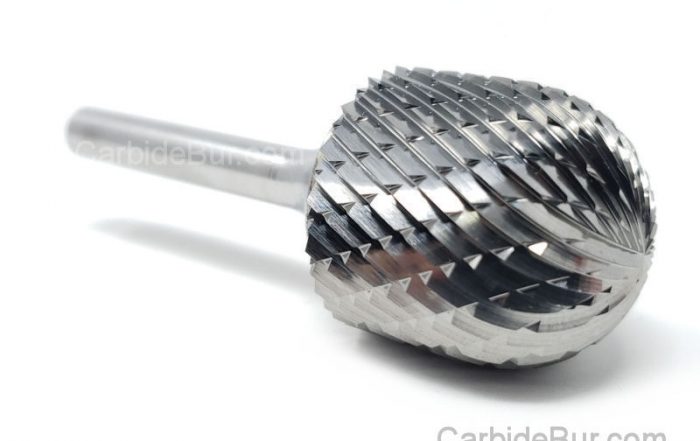
How to Use a Carbide Burr With a Die Grinder
How to Use a Carbide Burr With a Die Grinder Most people treat a carbide burr like just another tool, but using it with a die grinder takes skill. If you’ve struggled with burr installation [...]
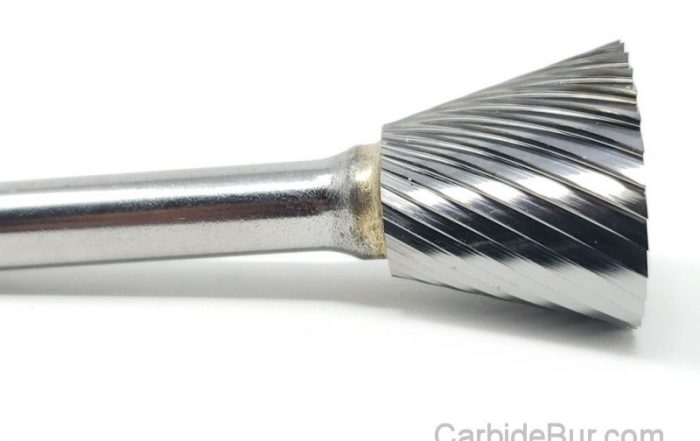
1/8 vs 1/4 Inch Carbide Burrs: What’s the Difference?
1/8 vs 1/4 Inch Carbide Burrs: What's the Difference? Choosing between a 1/8 inch carbide burr and a 1/4 inch carbide burr can change how your project turns out. Many machinists and hobbyists overlook how [...]
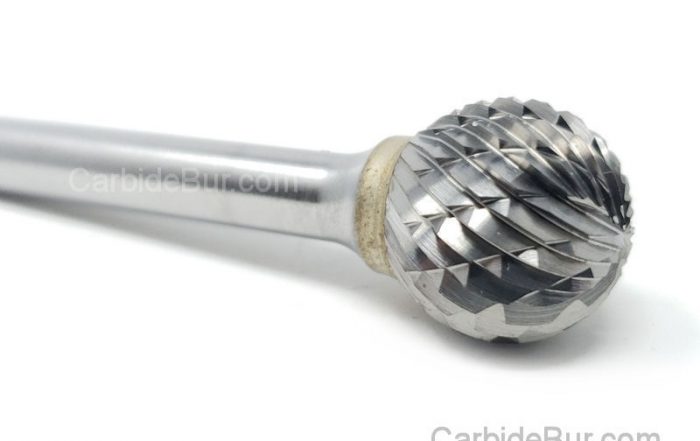
Best Carbide Burr for Removing Flash From Castings
Best Carbide Burr for Removing Flash From Castings Removing flash from castings is a task that can slow down your entire metalworking process if you don’t have the right tools. Picking the best carbide burr [...]
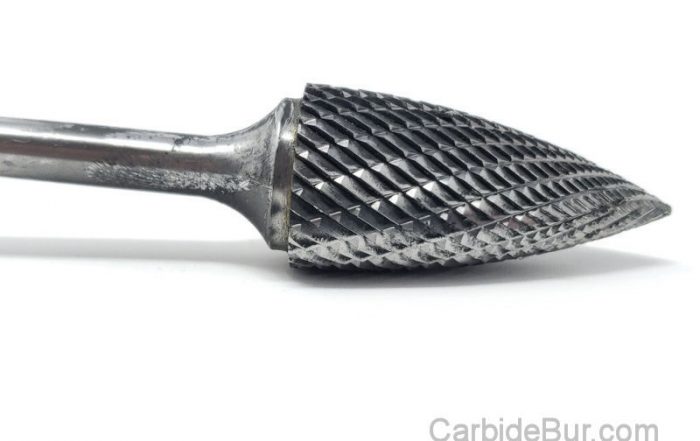
What RPM Should You Use for a 1/4 Inch Carbide Burr?
What RPM Should You Use for a 1/4 Inch Carbide Burr? Most machinists guess the right speed for a 1/4 inch carbide burr and hope for the best. Using the wrong carbide burr RPM can [...]
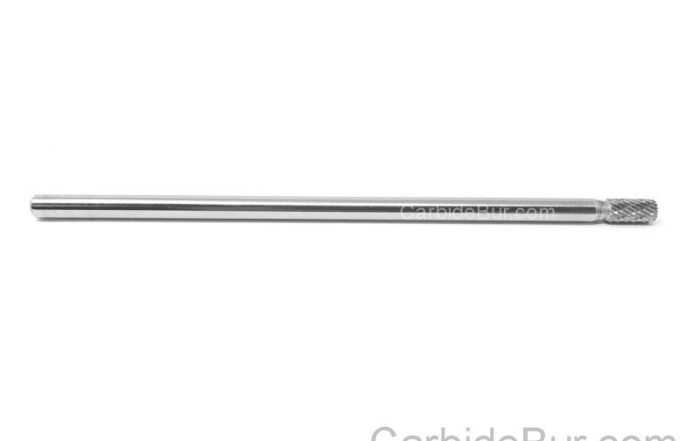
Long Shank Carbide Burrs: When Do You Need One?
Long Shank Carbide Burrs: When Do You Need One? Most machinists overlook the power of long shank carbide burrs until a project demands precision in tight spaces. When your usual tools can’t reach intricate contours, [...]
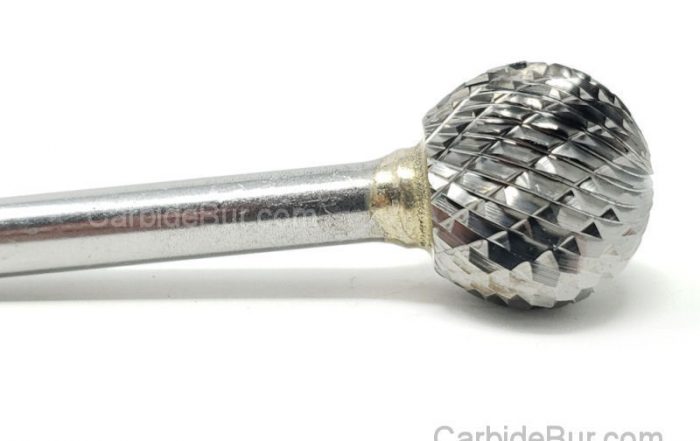
How Deep Can a Carbide Burr Cut Metal?
How Deep Can a Carbide Burr Cut Metal? Carbide burrs often get praised for their precision, but many users hit a wall wondering how deep they can actually cut metal. The truth is, cutting depth [...]
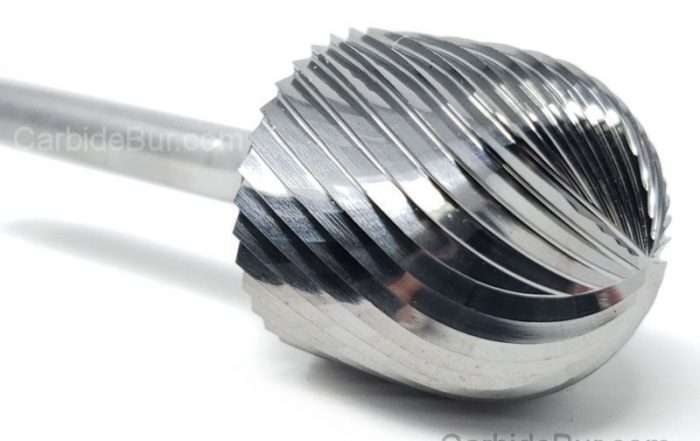
How to Use Carbide Burrs for Port Matching
How to Use Carbide Burrs for Port Matching Most engine builds hit a wall when airflow doesn’t flow smoothly between the ports and manifolds. If your engine isn’t breathing right, your performance stalls. Using the [...]
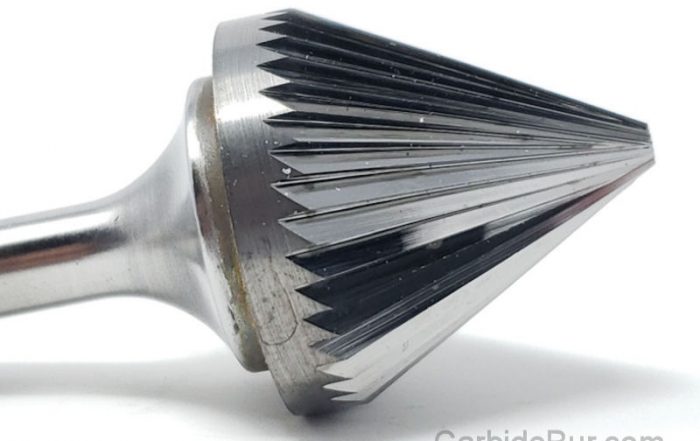
Best Carbide Burr for Porting Intake Manifolds
Best Carbide Burr for Porting Intake Manifolds Porting intake manifolds can make or break your engine’s airflow, yet many struggle with the right tools for the job. Choosing the best carbide burrs is key to [...]
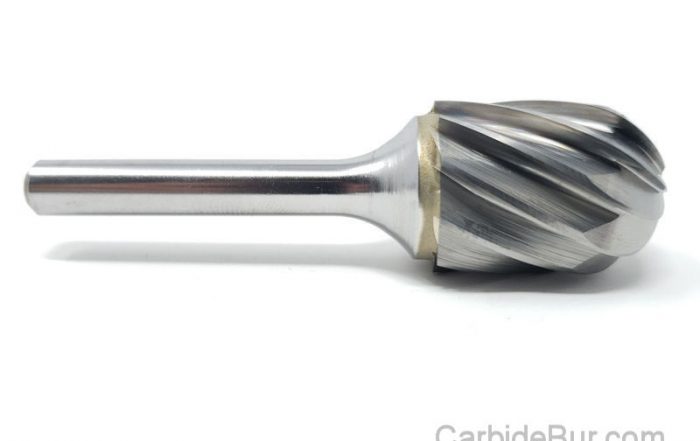
Best Carbide Burr for Concave Surfaces
Best Carbide Burr for Concave Surfaces Concave surfaces can turn a straightforward project into a frustrating challenge if you don’t have the right tool. Carbide burrs designed for these tricky curves make all the difference [...]
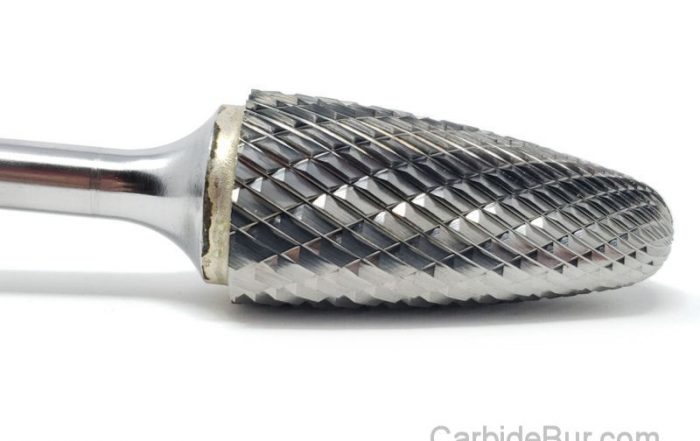
How to Grind a Slot in Metal With a Carbide Burr
How to Grind a Slot in Metal With a Carbide Burr Grinding a precise slot in metal can feel like a tricky task, especially if you’re unsure which tools to trust. Carbide burr grinding offers [...]

Best Carbide Burr for Inside Corners
Best Carbide Burr for Inside Corners Working in tight inside corners can turn even simple projects into frustrating tasks. Many carbide burrs just don’t fit or cut cleanly where you need them most. The best [...]
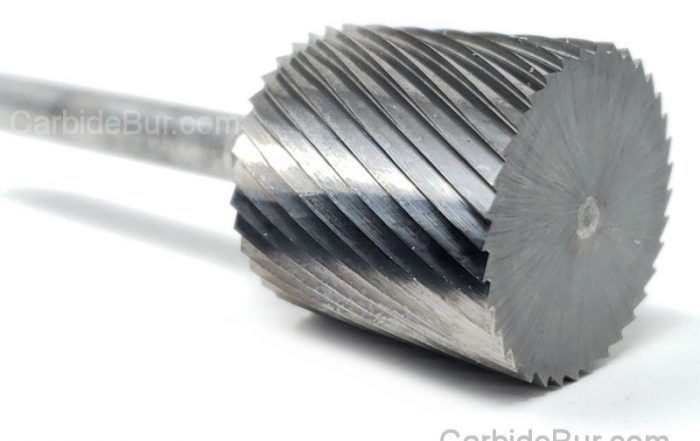
What Size Carbide Burr Do I Need?
What Size Carbide Burr Do I Need? Picking the wrong carbide burr can turn a simple project into a frustrating mess. You might have the best machining tools but still miss the mark if your [...]
