
CNC Machining Tools You Need for Effective Metalworking and Porting
In the world of automotive engineering and aerospace manufacturing, CNC machining has become a cornerstone of precision and efficiency. At the heart of successful metalworking and CNC porting operations are the machining tools that make it all possible. Carbide burs are indispensable companions to CNC machines, offering the durability and precision needed for intricate porting tasks. As you explore the critical role of porting tools in enhancing your metalworking projects, you’ll gain insights into how these tools can elevate your craftsmanship. Whether you’re a seasoned machinist or an engineer looking to refine your toolkit, understanding the synergy between carbide burs and CNC porting will empower you to achieve exceptional results in your projects.
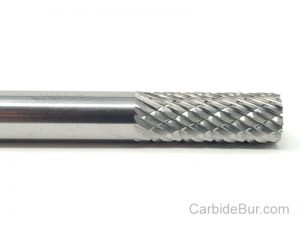
Check out all our USA made carbide bur cutting tools here
Essential CNC Machining Tools
In the realm of metalworking and porting, selecting the right CNC machining tools is crucial. These tools not only enhance precision but also ensure that operations are efficient and effective. Understanding the essential tools involved can significantly impact your workflow and output quality.
Key Tools for Metalworking
Metalworking requires precision and durability, and choosing the right tools is key. Commonly used tools include end mills, drill bits, and lathes. End mills are versatile and can perform plunging, slotting, and contouring tasks. Drill bits are essential for creating holes, while lathes are used for shaping materials.
-
End Mills: Ideal for cutting and shaping.
-
Drill Bits: Essential for creating precise holes.
-
Lathes: Used for turning operations.
Each tool serves a specific purpose, allowing machinists to achieve detailed and accurate results. Incorporating these tools into your workflow can streamline processes and improve outcomes.
Must-Have Porting Tools
Porting tools are vital for enhancing the flow of air and fuel in engines. Carbide burs are a must-have due to their ability to handle intricate porting tasks with precision.
-
Carbide Burs: Offer durability and precision, ideal for detailed work.
-
Rotary Files: Useful for shaping and smoothing surfaces.
-
Grinders and Sanders: Provide a fine finish to ported areas.
Each tool plays a unique role in the porting process. They offer versatility and precision needed for intricate work, making them indispensable in any machinist’s toolkit.
Selecting the Right Tools
When selecting machining tools, several factors must be considered. Material compatibility, tool durability, and specific application needs are vital.
-
Assess Material: Match tools to the materials you’ll work with.
-
Evaluate Durability: Ensure the tools can withstand heavy use.
-
Determine Application Needs: Select tools based on the specific tasks at hand.
Considering these factors ensures you choose tools that enhance efficiency and precision, ultimately improving your project’s outcome.
Check out all our USA made carbide bur cutting tools here
Role of Carbide Burs in CNC Porting
Carbide burs play a pivotal role in CNC porting. Their durability and precision make them ideal for complex porting tasks, such as those found in automotive and aerospace applications.
Enhancing Precision and Efficiency
Carbide burs are known for their precision and efficiency. These tools are designed to handle intricate tasks with ease, making them a staple in CNC porting.
-
Precision: Carbide burs can achieve tight tolerances.
-
Efficiency: Designed to perform tasks quickly without compromising quality.
By integrating carbide burs into your CNC machining processes, you can achieve superior results while maintaining high standards of quality and efficiency.
Carbide Burs vs. Traditional Tools
When comparing carbide burs to traditional tools, several differences emerge. A table can highlight these differences:
|
Feature |
Carbide Burs |
Traditional Tools |
|---|---|---|
|
Durability |
High |
Moderate |
|
Precision |
Exceptional |
Varies |
|
Application Range |
Wide |
Limited |
|
Cost Efficiency |
Long-term savings |
Higher replacement rate |
Carbide burs offer significant advantages in terms of durability and precision, making them a preferred choice for CNC porting tasks.
Application in Automotive Engineering
In automotive engineering, carbide burs are essential for optimizing engine performance. They are used in porting to enhance air and fuel flow, contributing to improved engine efficiency.
-
Improved Performance: Enhances engine air and fuel flow.
-
Precision Porting: Allows for detailed shaping and smoothing.
-
Durability: Withstands repetitive use without degrading quality.
Incorporating carbide burs in automotive applications leads to more efficient engines and a better overall performance.
CNC Machining in Aerospace Manufacturing
CNC machining is integral to aerospace manufacturing. The precision and customizability of CNC machines are invaluable in producing complex aircraft components.
Importance in Aircraft Production
CNC machining allows for the production of precise and complex aircraft components. This precision is essential in ensuring the safety and performance of aircraft.
-
Precision: Ensures tight tolerances are met in component production.
-
Efficiency: Speeds up the manufacturing process while maintaining standards.
-
Customizability: Allows for tailored solutions to meet specific aerospace needs.
These attributes make CNC machines indispensable in the aerospace industry, contributing to the production of high-quality aircraft parts.
CNC Porting Benefits for Aerospace
In aerospace, CNC porting offers numerous benefits. It enhances component performance and contributes to overall aircraft efficiency.
-
Enhanced Component Performance: CNC porting optimizes component functionality.
-
Reduced Weight: Precise porting can reduce component weight, improving fuel efficiency.
-
Improved Aerodynamics: Streamlined components enhance aerodynamic performance.
The benefits of CNC porting in aerospace are clear, offering both performance improvements and cost savings.
Challenges and Solutions
While CNC machining offers many advantages, it also presents challenges, particularly in aerospace applications. Addressing these challenges involves strategic solutions:
-
Material Selection: Choose materials that withstand high stress and temperatures.
-
Tool Wear: Implement regular maintenance checks to prevent tool degradation.
-
Precision Requirements: Utilize advanced software for precise measurements and cuts.
Addressing these challenges ensures the continued success and efficiency of CNC machining in aerospace manufacturing.
Future of CNC Machining and Porting
The future of CNC machining and porting is promising, with advances in technology and evolving techniques poised to enhance the industry further.
Advances in Tool Technology
Technological advancements in tool design and materials are revolutionizing CNC machining. New tool coatings and materials offer increased wear resistance and precision.
-
Coatings: New coatings extend tool life and reduce wear.
-
Materials: Advanced materials provide better performance and durability.
These advancements promise to improve the efficiency and effectiveness of CNC machining processes.
Evolving Metalworking Techniques
Metalworking techniques are continuously evolving, driven by advances in CNC technology. Innovative methods are emerging that enhance precision and reduce production time.
-
Advanced CNC Techniques: New methods enhance precision and efficiency.
-
Automation: Reduces manual labor, increasing production speed.
As techniques evolve, they offer the potential to significantly improve metalworking outcomes.
Industry Trends and Predictions
The CNC machining industry is set for growth, driven by technological innovations and increased demand in sectors like automotive and aerospace.
-
Growth in Demand: Increased need in automotive and aerospace sectors.
-
Innovation: Continuous advancements in CNC technologies.
-
Sustainability: Focus on eco-friendly practices and materials.
These trends indicate a vibrant future for CNC machining, marked by innovation and growth.
Check out all our USA made carbide bur cutting tools here
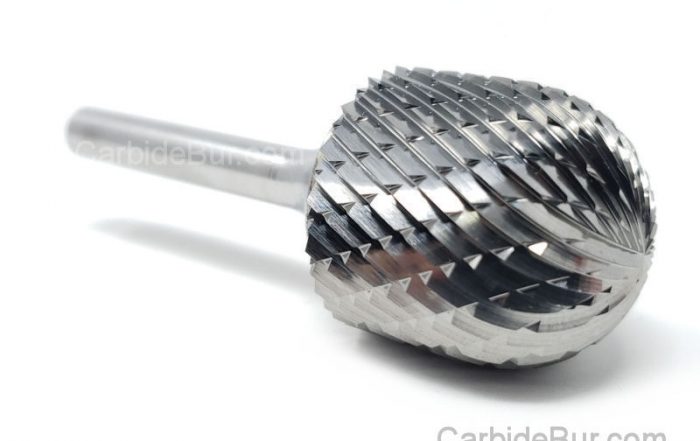
How to Use a Carbide Burr With a Die Grinder
How to Use a Carbide Burr With a Die Grinder Most people treat a carbide burr like just another tool, but using it with a die grinder takes skill. If you’ve struggled with burr installation [...]
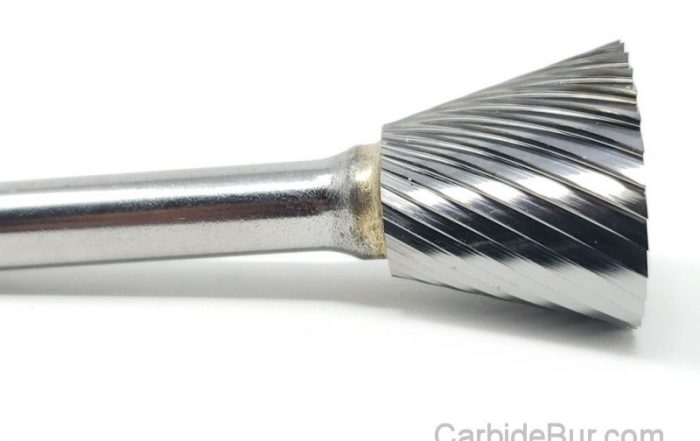
1/8 vs 1/4 Inch Carbide Burrs: What’s the Difference?
1/8 vs 1/4 Inch Carbide Burrs: What's the Difference? Choosing between a 1/8 inch carbide burr and a 1/4 inch carbide burr can change how your project turns out. Many machinists and hobbyists overlook how [...]
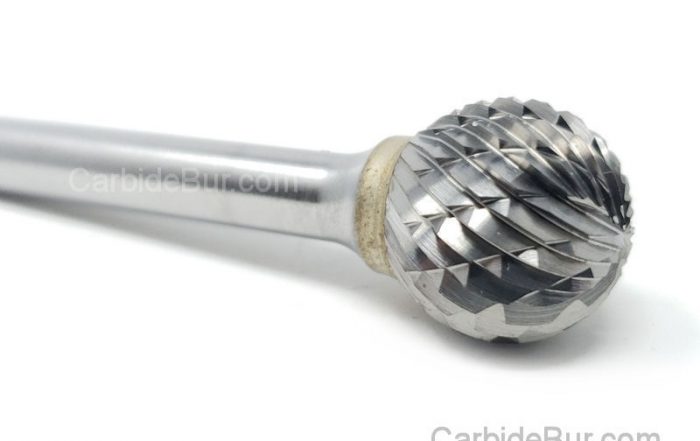
Best Carbide Burr for Removing Flash From Castings
Best Carbide Burr for Removing Flash From Castings Removing flash from castings is a task that can slow down your entire metalworking process if you don’t have the right tools. Picking the best carbide burr [...]
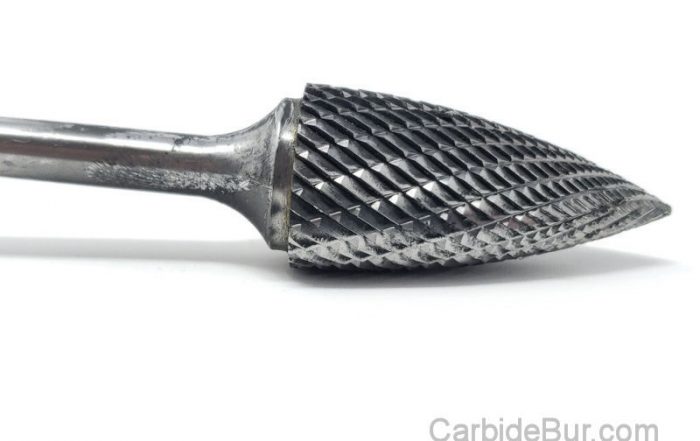
What RPM Should You Use for a 1/4 Inch Carbide Burr?
What RPM Should You Use for a 1/4 Inch Carbide Burr? Most machinists guess the right speed for a 1/4 inch carbide burr and hope for the best. Using the wrong carbide burr RPM can [...]
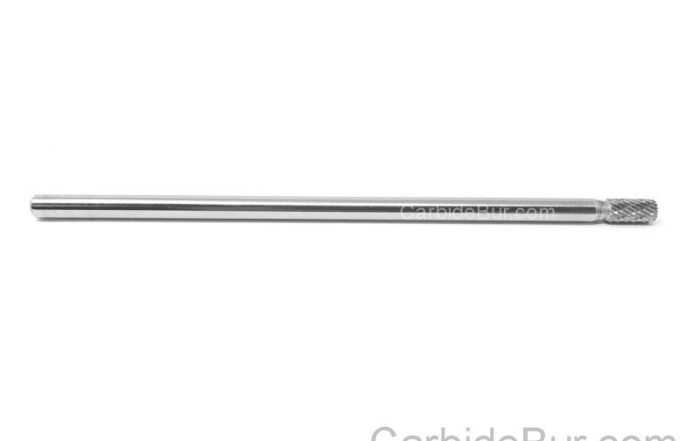
Long Shank Carbide Burrs: When Do You Need One?
Long Shank Carbide Burrs: When Do You Need One? Most machinists overlook the power of long shank carbide burrs until a project demands precision in tight spaces. When your usual tools can’t reach intricate contours, [...]
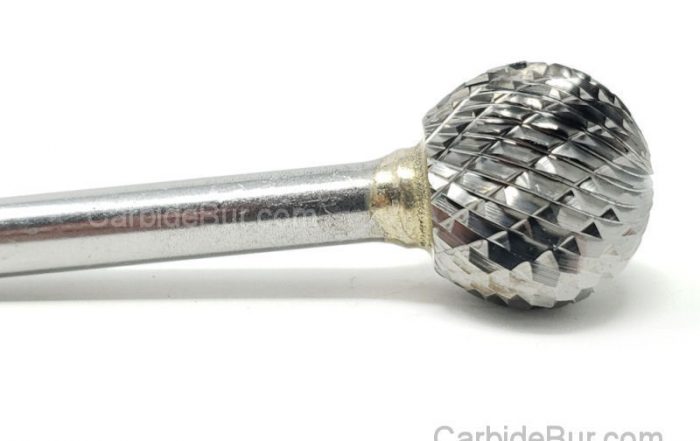
How Deep Can a Carbide Burr Cut Metal?
How Deep Can a Carbide Burr Cut Metal? Carbide burrs often get praised for their precision, but many users hit a wall wondering how deep they can actually cut metal. The truth is, cutting depth [...]
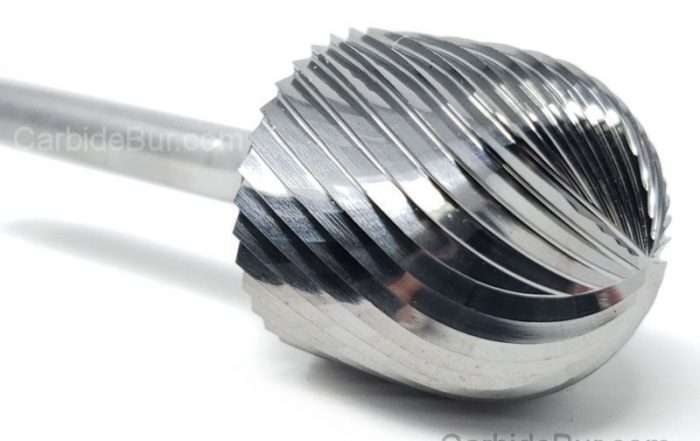
How to Use Carbide Burrs for Port Matching
How to Use Carbide Burrs for Port Matching Most engine builds hit a wall when airflow doesn’t flow smoothly between the ports and manifolds. If your engine isn’t breathing right, your performance stalls. Using the [...]
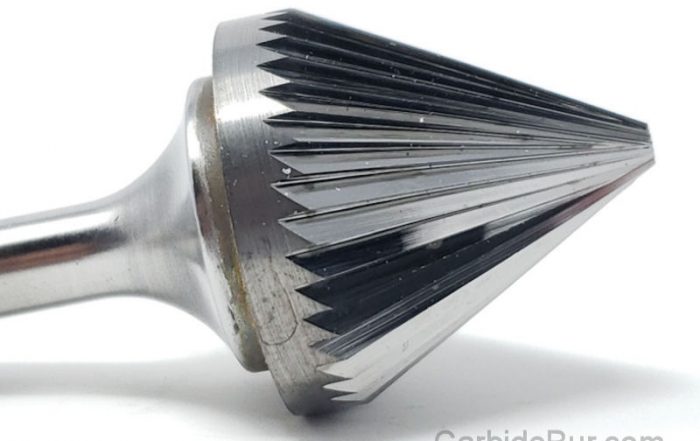
Best Carbide Burr for Porting Intake Manifolds
Best Carbide Burr for Porting Intake Manifolds Porting intake manifolds can make or break your engine’s airflow, yet many struggle with the right tools for the job. Choosing the best carbide burrs is key to [...]
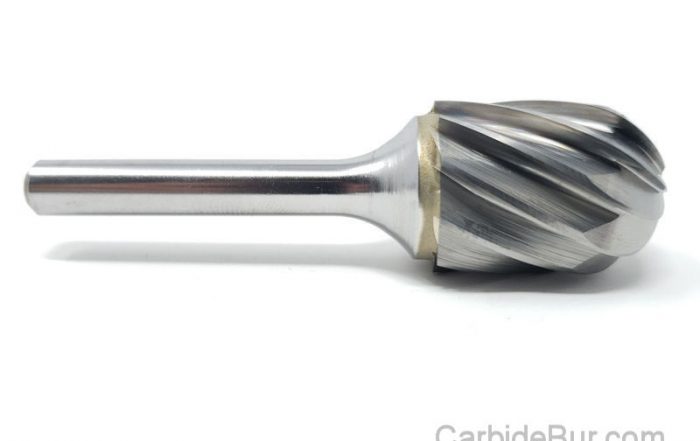
Best Carbide Burr for Concave Surfaces
Best Carbide Burr for Concave Surfaces Concave surfaces can turn a straightforward project into a frustrating challenge if you don’t have the right tool. Carbide burrs designed for these tricky curves make all the difference [...]
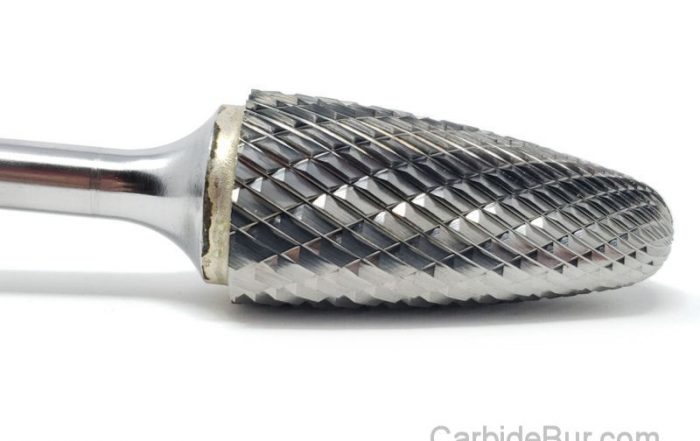
How to Grind a Slot in Metal With a Carbide Burr
How to Grind a Slot in Metal With a Carbide Burr Grinding a precise slot in metal can feel like a tricky task, especially if you’re unsure which tools to trust. Carbide burr grinding offers [...]

Best Carbide Burr for Inside Corners
Best Carbide Burr for Inside Corners Working in tight inside corners can turn even simple projects into frustrating tasks. Many carbide burrs just don’t fit or cut cleanly where you need them most. The best [...]
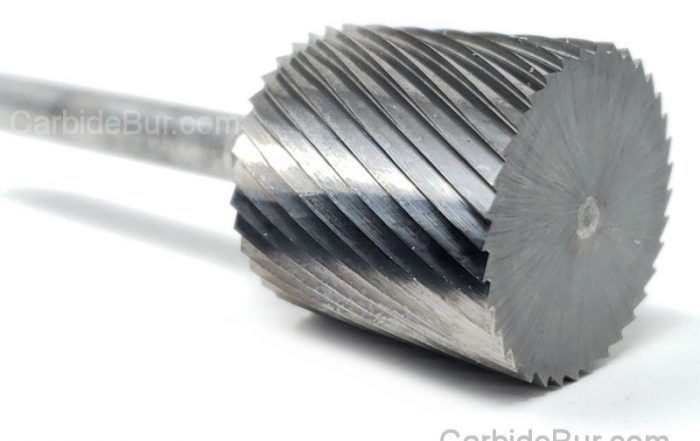
What Size Carbide Burr Do I Need?
What Size Carbide Burr Do I Need? Picking the wrong carbide burr can turn a simple project into a frustrating mess. You might have the best machining tools but still miss the mark if your [...]
