
The Welder’s Guide to Durability: How to Care for Your Carbide Burs
Carbide burs are the unsung heroes of welding projects, offering precision and durability that can make or break your work. For welders and metalworkers, caring for these essential tools is crucial to maintaining their performance and extending their lifespan. By focusing on proper welding tools maintenance, you can ensure that your carbide burs stay sharp and effective, saving time and money. This guide will provide practical carbide bur tips that emphasize the importance of regular cleaning, proper storage, and mindful usage. Let’s explore how to enhance the durability of burs and keep your welding projects running smoothly.## Understanding Carbide Burs
Carbide burs are essential in welding, known for their precision and durability. Understanding their function and benefits can improve your projects significantly. Let’s dive into what makes carbide burs a staple in welding toolkits.
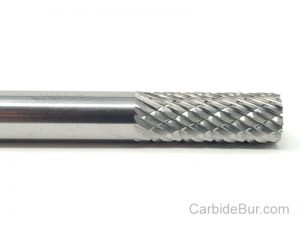
Check out all our USA made carbide bur cutting tools here
What Are Carbide Burs?
Carbide burs are robust rotary tools used for cutting, shaping, grinding, and removing excess material. Made from tungsten carbide, they offer superior hardness and heat resistance compared to steel. Ideal for high-speed applications, carbide burs maintain sharpness longer, enhancing productivity.
In welding projects, these burs tackle heavy-duty tasks like smoothing welds and deburring edges. They come in various shapes and sizes, each suited for specific tasks. For a detailed guide on using and maintaining carbide burs, check out this resource.
The versatility of carbide burs makes them indispensable for welders. Their ability to work on a range of materials—from aluminum to steel—demonstrates their adaptability. This saves time and effort, making them both cost-effective and efficient.
Benefits for Welding Projects
Carbide burs provide numerous advantages in welding projects. They are not only durable but also enhance precision, allowing welders to achieve smoother finishes with less effort.
-
Durability: With a composition tougher than steel, carbide burs withstand rigorous use.
-
Precision: They offer fine control for delicate tasks, essential for detailed metalwork.
-
Efficiency: Faster material removal rates improve workflow, reducing project time.
A welder using carbide burs can expect extended tool life and reduced downtime. The investment in these tools pays off in enhanced quality and productivity.
For more on how carbide burs can benefit your welding projects, visit this site.
Proper Cleaning Techniques
Maintaining the cleanliness of your carbide burs is crucial for extending their lifespan and ensuring optimal performance. Regular cleaning practices will help prevent buildup and maintain their cutting efficiency.
Daily Cleaning Routine
A daily cleaning routine involves simple steps to keep your burs in top condition. Follow these steps to preserve their effectiveness:
-
Inspect: Check for residue or damage after each use.
-
Brush: Use a wire brush to remove debris.
-
Soak: Immerse in a mild cleaning solution for stubborn buildup.
-
Dry: Ensure they are completely dry before storage.
Consistency is key. By investing a few minutes each day, you can significantly prolong the lifespan of your carbide burs. This routine prevents corrosion and maintains cutting precision.
A regular cleaning routine is not just about maintenance; it’s about ensuring safety and efficiency in your work environment. Clean tools reduce the risk of accidents and deliver better results.
Deep Cleaning Practices
Deep cleaning should be performed periodically to remove ingrained materials and restore burs to their original sharpness. Here’s how to do it:
-
Disassemble: Remove burs from their holder.
-
Ultrasonic Cleaning: Use an ultrasonic cleaner with a specialized solution.
-
Rinse: Thoroughly rinse with clean water.
-
Inspection: Check for any signs of wear or damage.
-
Lubricate: Apply a light oil to prevent rust.
Deep cleaning ensures that even the most stubborn residues are eliminated. This protects the tool from long-term damage and maintains high performance.
Regular deep cleaning, in conjunction with a daily routine, maximizes tool lifespan. It also boosts productivity by maintaining the burs’ sharpness and reliability.
Storage Solutions for Longevity
Correct storage of carbide burs is vital to prevent damage and extend their usable life. Proper storage solutions ensure that your tools remain in the best possible condition.
Ideal Storage Conditions
Ideal storage involves keeping carbide burs in a dry, stable environment. Here are some considerations:
-
Humidity Control: Store in a low-humidity area to prevent rust.
-
Temperature Stability: Avoid extreme temperatures that could alter tool integrity.
-
Container: Use a dedicated case with individual slots to avoid contact damage.
These conditions help preserve the sharpness and functionality of carbide burs. Proper storage also minimizes the risk of accidental damage or loss.
Creating a dedicated storage space not only protects your tools but also improves organization and workflow efficiency. It ensures that you can quickly find and access the right tool when needed.
Organizing Your Tool Kit
Organizing your tool kit enhances ease of access and ensures the longevity of your carbide burs. Here are some tips:
-
Labeling: Clearly label each tool slot for quick identification.
-
Separation: Keep carbide burs separate from other tools to prevent chipping.
-
Inventory Check: Regularly update your inventory to track tool condition and availability.
By organizing your toolkit, you reduce clutter and improve efficiency. It also reduces the risk of using the wrong tool for a task, which can lead to premature wear.
An organized toolkit not only saves time but also extends the life of your tools, ensuring they are always ready for your next project.
Using Carbide Burs Effectively
To maximize the effectiveness of carbide burs, using them correctly is as important as maintaining them. This section covers best practices for speed, pressure, and selection.
Correct Speed and Pressure
Operating carbide burs at the correct speed and pressure is crucial for effective use. Here’s a quick guide:
-
Speed: Match the RPM to the material being worked on. Softer materials require lower speeds.
-
Pressure: Apply light, consistent pressure to avoid overheating and tool damage.
-
Technique: Use smooth, fluid motions to maintain control.
Adopting these techniques prevents tool damage and ensures a smooth finish. Incorrect speed and pressure can lead to premature wear and reduce the lifespan of the bur.
Practicing the right technique not only enhances tool performance but also improves safety. It minimizes the risk of accidents and ensures a high-quality finish on your projects.
Choosing the Right Bur for the Job
Choosing the right bur involves understanding the specific requirements of your project. Consider these factors:
-
Material Type: Different burs are designed for specific materials.
-
Task Requirements: Shape and size should match the task (e.g., deburring vs. cutting).
-
Efficiency: Select a bur that offers the best balance of speed and control.
Using the correct bur for each task improves efficiency and results. It reduces wear and achieves the desired finish more effectively.
Selecting the right tool for the job saves time and resources. It also ensures that your carbide burs last longer, providing better value over time.
Preventing Common Wear and Tear
Preventing wear and tear on carbide burs involves recognizing early signs of damage and adopting techniques to minimize tool degradation.
Recognizing Early Signs of Damage
Recognizing early signs of damage helps prevent further tool degradation. Be aware of these indicators:
-
Visual Inspection: Look for chips or cracks.
-
Performance: Notice any decrease in cutting efficiency.
-
Sound: Listen for unusual noises during operation.
Catching these signs early allows for timely intervention, which can save the tool from further damage. It also ensures that your projects are not compromised by using suboptimal tools.
Regular inspections can prevent costly replacements. They also maintain the quality of your work by ensuring your tools are always in peak condition.
Techniques to Avoid Tool Damage
Adopting techniques to avoid tool damage extends the lifespan of your carbide burs. Consider the following:
-
Proper Handling: Avoid dropping or misplacing your burs.
-
Correct Use: Follow manufacturer guidelines for each task.
-
Consistent Maintenance: Regular cleaning and inspection.
By implementing these practices, you protect your investment in carbide burs. It also enhances the safety and efficiency of your work environment.
These techniques not only prevent damage but also optimize the performance of your tools, ensuring that they deliver consistent, high-quality results.
Check out all our USA made carbide bur cutting tools here
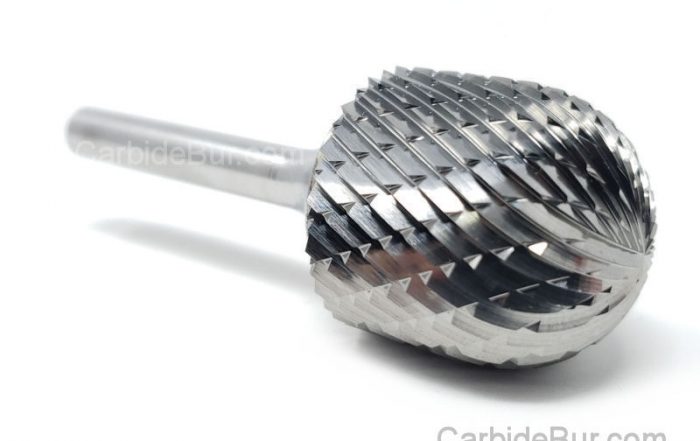
How to Use a Carbide Burr With a Die Grinder
How to Use a Carbide Burr With a Die Grinder Most people treat a carbide burr like just another tool, but using it with a die grinder takes skill. If you’ve struggled with burr installation [...]
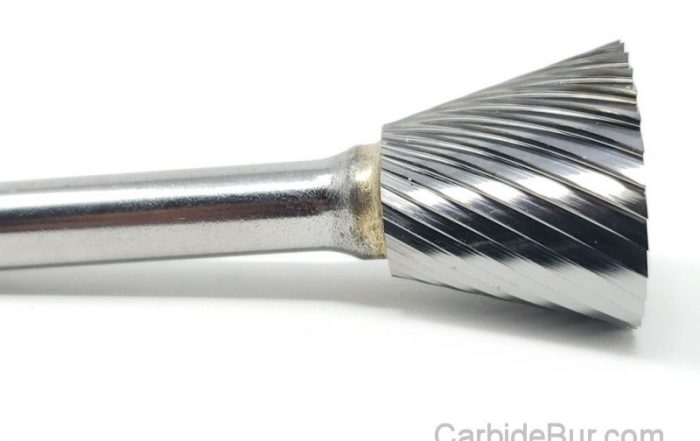
1/8 vs 1/4 Inch Carbide Burrs: What’s the Difference?
1/8 vs 1/4 Inch Carbide Burrs: What's the Difference? Choosing between a 1/8 inch carbide burr and a 1/4 inch carbide burr can change how your project turns out. Many machinists and hobbyists overlook how [...]
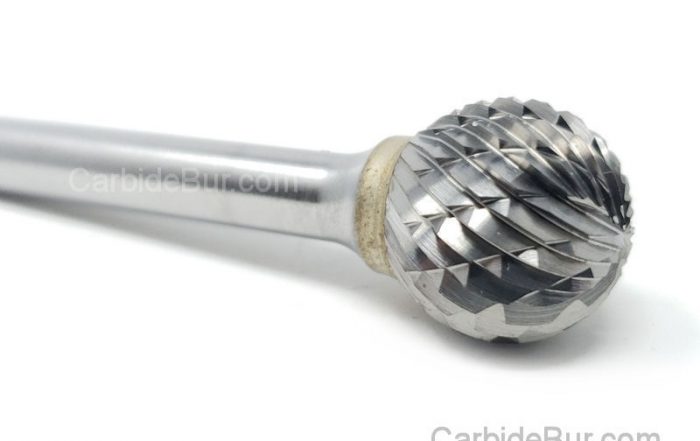
Best Carbide Burr for Removing Flash From Castings
Best Carbide Burr for Removing Flash From Castings Removing flash from castings is a task that can slow down your entire metalworking process if you don’t have the right tools. Picking the best carbide burr [...]
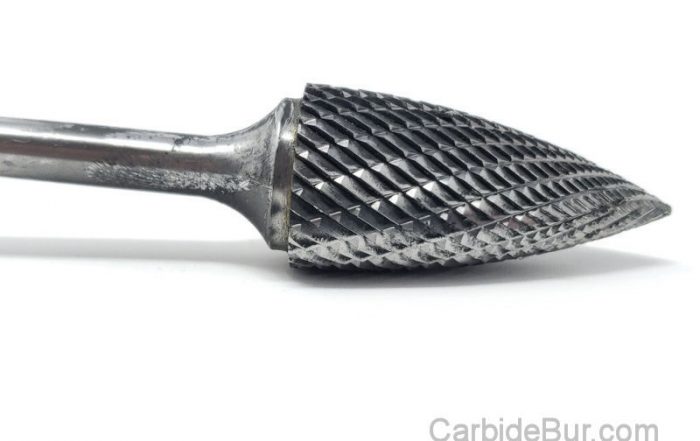
What RPM Should You Use for a 1/4 Inch Carbide Burr?
What RPM Should You Use for a 1/4 Inch Carbide Burr? Most machinists guess the right speed for a 1/4 inch carbide burr and hope for the best. Using the wrong carbide burr RPM can [...]
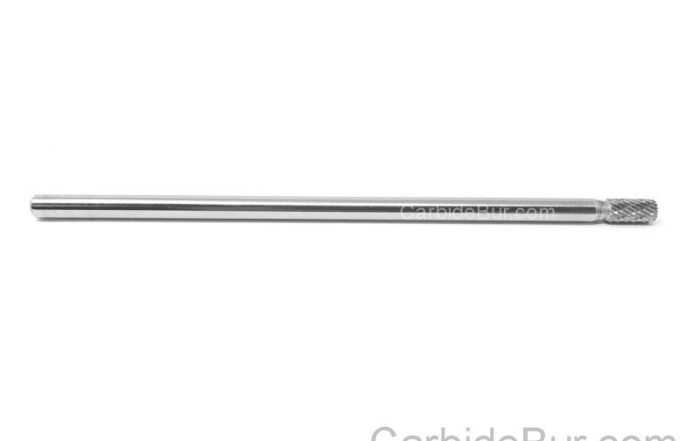
Long Shank Carbide Burrs: When Do You Need One?
Long Shank Carbide Burrs: When Do You Need One? Most machinists overlook the power of long shank carbide burrs until a project demands precision in tight spaces. When your usual tools can’t reach intricate contours, [...]
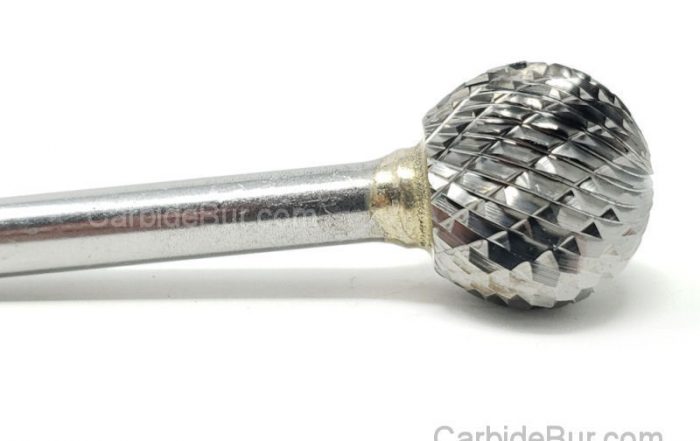
How Deep Can a Carbide Burr Cut Metal?
How Deep Can a Carbide Burr Cut Metal? Carbide burrs often get praised for their precision, but many users hit a wall wondering how deep they can actually cut metal. The truth is, cutting depth [...]
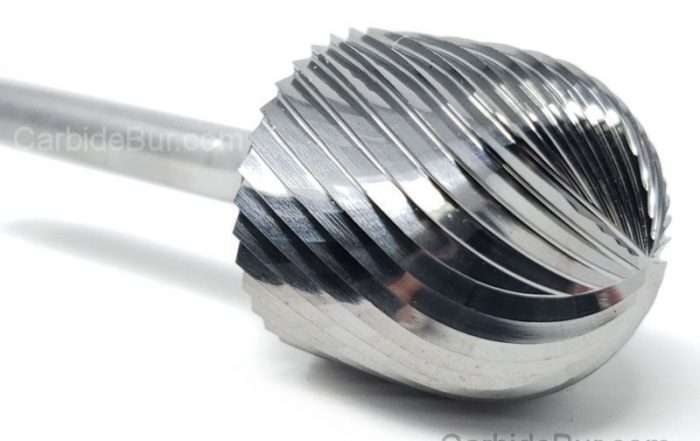
How to Use Carbide Burrs for Port Matching
How to Use Carbide Burrs for Port Matching Most engine builds hit a wall when airflow doesn’t flow smoothly between the ports and manifolds. If your engine isn’t breathing right, your performance stalls. Using the [...]
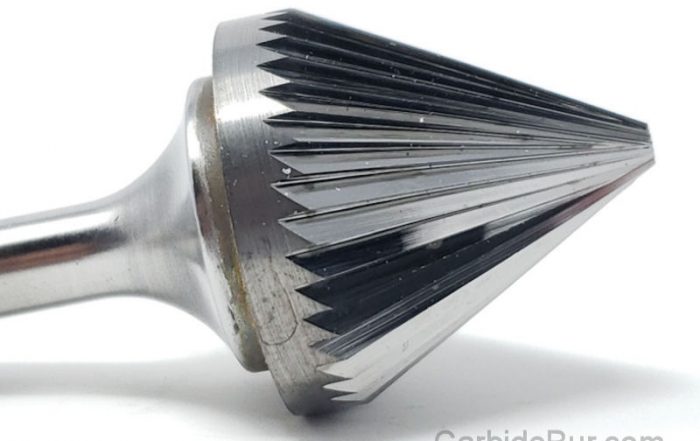
Best Carbide Burr for Porting Intake Manifolds
Best Carbide Burr for Porting Intake Manifolds Porting intake manifolds can make or break your engine’s airflow, yet many struggle with the right tools for the job. Choosing the best carbide burrs is key to [...]
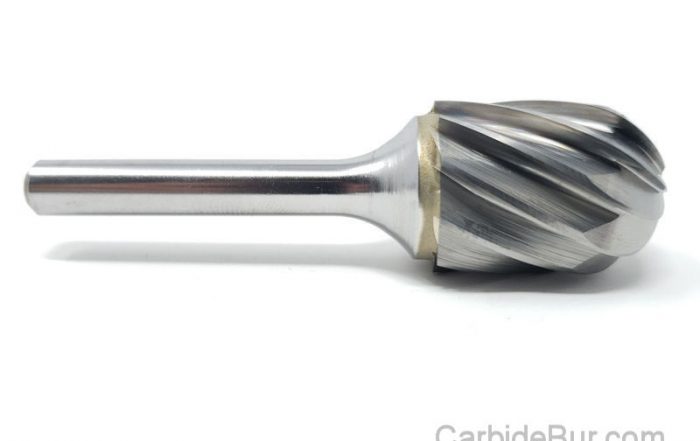
Best Carbide Burr for Concave Surfaces
Best Carbide Burr for Concave Surfaces Concave surfaces can turn a straightforward project into a frustrating challenge if you don’t have the right tool. Carbide burrs designed for these tricky curves make all the difference [...]
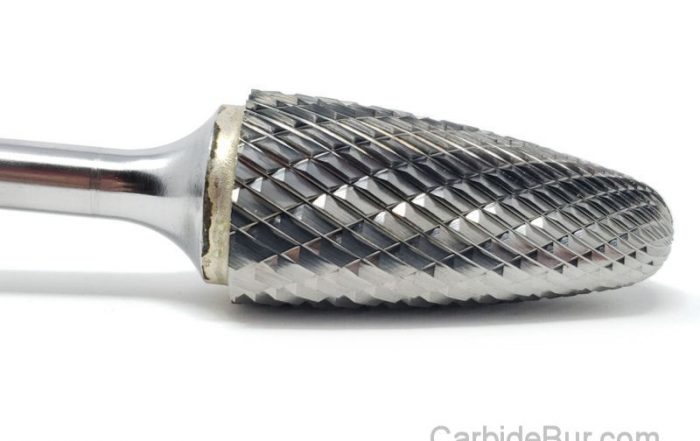
How to Grind a Slot in Metal With a Carbide Burr
How to Grind a Slot in Metal With a Carbide Burr Grinding a precise slot in metal can feel like a tricky task, especially if you’re unsure which tools to trust. Carbide burr grinding offers [...]

Best Carbide Burr for Inside Corners
Best Carbide Burr for Inside Corners Working in tight inside corners can turn even simple projects into frustrating tasks. Many carbide burrs just don’t fit or cut cleanly where you need them most. The best [...]
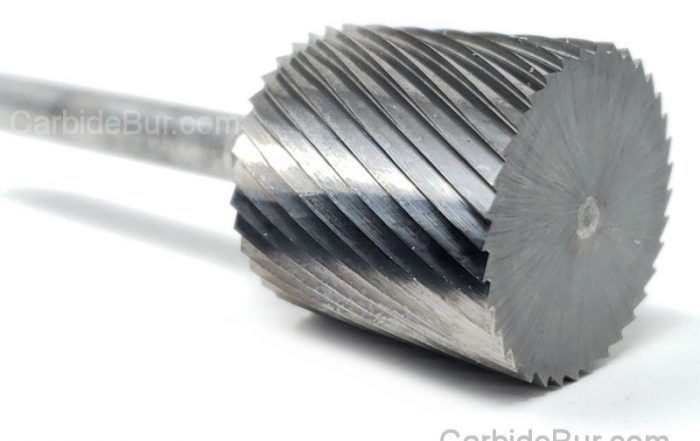
What Size Carbide Burr Do I Need?
What Size Carbide Burr Do I Need? Picking the wrong carbide burr can turn a simple project into a frustrating mess. You might have the best machining tools but still miss the mark if your [...]
