
The Art of Burr Selection: Enhance Your Metalworking with the Right Carbide Tool
Picking the right carbide burr for your die grinder can make or break your metalworking project. Single-cut burrs and double-cut burrs each have their own way of slicing through metal and clearing chips. Knowing how these cutting actions affect your work helps you choose the perfect tool for fast material removal or smooth finishing. Let’s break down what makes each carbide burr unique and how to match them to your tasks. Learn more here.
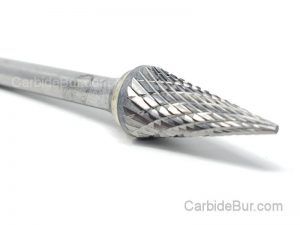
Click here for our entire selection of carbide bur tools
Understanding Carbide Burrs
To master metalworking, you first need to understand the tools. Carbide burrs are essential for shaping and finishing metals. But what exactly sets them apart? Let’s dive into their types and why choosing the right one is crucial for your projects.
Types of Carbide Burrs
Carbide burrs come in various shapes and sizes, each serving a unique purpose. Single-cut burrs have single grooves that are effective for material removal. They’re excellent for working on hard materials like steel. Double-cut burrs, on the other hand, have crisscross grooves. They provide a smoother finish and are versatile across materials.
-
Single-cut burrs: Best for hard materials.
-
Double-cut burrs: Great for a smoother finish.
-
Variety: Shapes like cylinders or cones cater to different tasks.
These differences might seem minor, but they can significantly impact your work’s outcome.
Importance of Burr Selection
Choosing the right burr ensures efficiency and precision. A poorly selected burr can lead to wasted time and effort. Imagine cutting through steel with the wrong tool—it’s frustrating and ineffective. By selecting the appropriate burr, you not only save time but also achieve your desired finish with less hassle. This choice is pivotal in setting the stage for successful projects.
Single-Cut vs Double-Cut Burrs
Now that we have an overview of carbide burrs, let’s compare single-cut and double-cut burrs. Understanding the differences aids in optimizing your work process and results.
Unique Cutting Actions
Single-cut burrs create long chips and are ideal for roughing out material quickly. This makes them perfect for heavy-duty tasks. Double-cut burrs, however, produce smaller chips and provide better control. This is useful for achieving intricate finishes. Each cutting action has its strengths, and knowing when to use each type can make your tasks more manageable.
Chip Removal Capabilities
The ability to clear chips efficiently affects how smoothly your project progresses. Single-cut burrs excel in removing large amounts of material, making them suitable for initial passes. Double-cut burrs clear smaller chips, which prevents clogging and allows for finer detailing. This feature is crucial for maintaining a clean workspace and achieving precise cuts.
Ideal Applications
Each burr type excels in different scenarios. Use single-cut burrs for heavy stock removal on ferrous metals. They’re also great for creating longer grooves. Double-cut burrs are your go-to for more delicate tasks, such as finishing and removing light material from non-ferrous metals. Selecting the right burr for the job increases your productivity and enhances the quality of your work.
Explore more about single-cut vs double-cut carbide burrs.
Finishing Techniques with Carbide Tools
With an understanding of burr types, it’s time to focus on finishing techniques. Perfecting your finish is key to achieving professional results in metalworking.
Achieving a Fine Finish
For a polished outcome, it’s important to use double-cut burrs. They allow for smoother motions and control, which aids in creating a refined surface. Practice is essential. As you become more familiar with your tools, you can experiment with different speeds and pressures to enhance your skills. Your attention to detail will be rewarded with a superior finish.
Fast Material Removal
When speed is of the essence, single-cut burrs are your best friends. They remove material quickly, making them ideal for preparing surfaces before finer detailing. This makes them indispensable for large projects where time efficiency is crucial. Remember, the right burr choice can transform a complex task into a simple one.
To further improve your technique, explore these finishing techniques.
By understanding carbide burrs and their specific uses, you empower yourself to tackle any metalworking challenge with confidence. Whether you’re seeking precision or speed, selecting the right tool is your first step towards success.
Click here for our entire selection of carbide bur tools
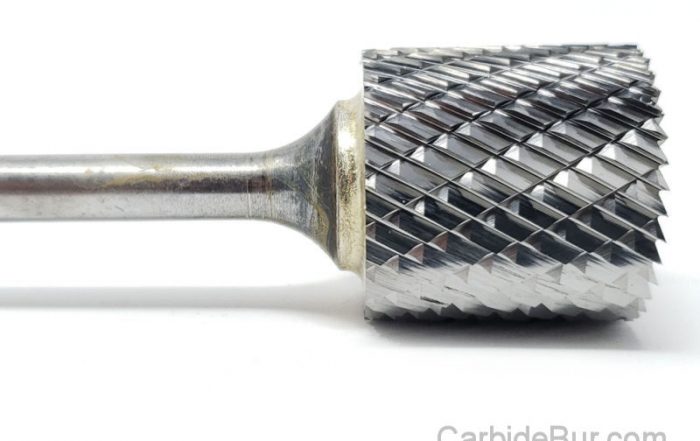
Can Carbide Burrs Cut Through Welds?
Can Carbide Burrs Cut Through Welds? Cutting through welds can feel like a battle, especially when you need clean results without harming the base metal. Carbide burrs offer a sharp edge in this fight, but [...]
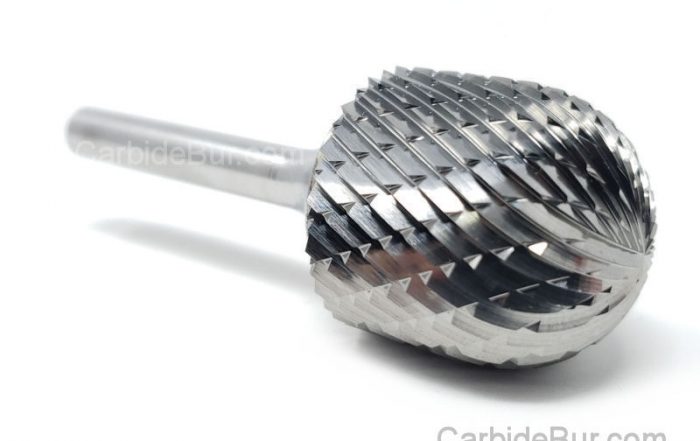
How to Use a Carbide Burr With a Die Grinder
How to Use a Carbide Burr With a Die Grinder Most people treat a carbide burr like just another tool, but using it with a die grinder takes skill. If you’ve struggled with burr installation [...]
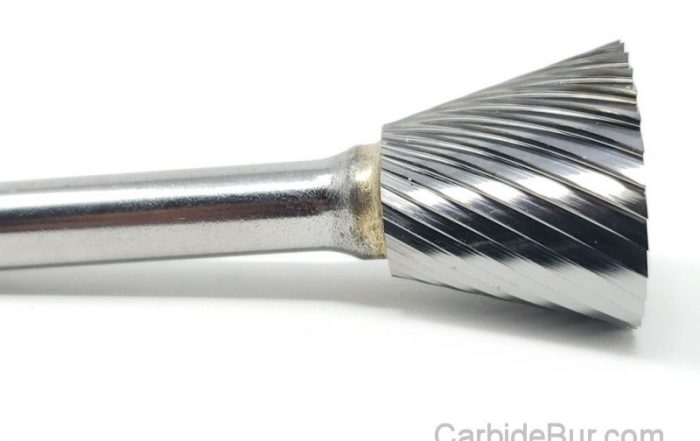
1/8 vs 1/4 Inch Carbide Burrs: What’s the Difference?
1/8 vs 1/4 Inch Carbide Burrs: What's the Difference? Choosing between a 1/8 inch carbide burr and a 1/4 inch carbide burr can change how your project turns out. Many machinists and hobbyists overlook how [...]

Best Carbide Burr for Removing Flash From Castings
Best Carbide Burr for Removing Flash From Castings Removing flash from castings is a task that can slow down your entire metalworking process if you don’t have the right tools. Picking the best carbide burr [...]
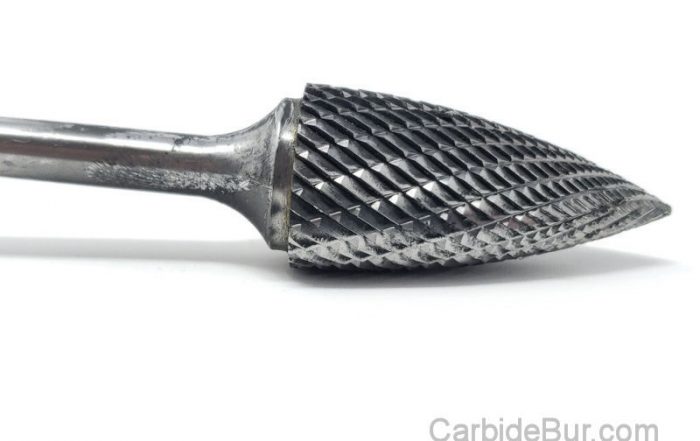
What RPM Should You Use for a 1/4 Inch Carbide Burr?
What RPM Should You Use for a 1/4 Inch Carbide Burr? Most machinists guess the right speed for a 1/4 inch carbide burr and hope for the best. Using the wrong carbide burr RPM can [...]
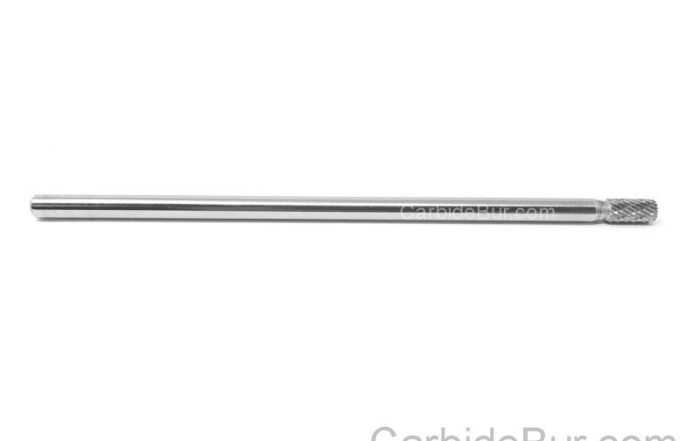
Long Shank Carbide Burrs: When Do You Need One?
Long Shank Carbide Burrs: When Do You Need One? Most machinists overlook the power of long shank carbide burrs until a project demands precision in tight spaces. When your usual tools can’t reach intricate contours, [...]
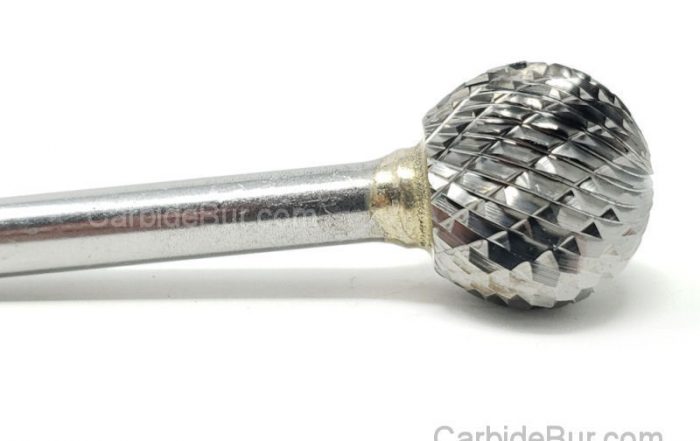
How Deep Can a Carbide Burr Cut Metal?
How Deep Can a Carbide Burr Cut Metal? Carbide burrs often get praised for their precision, but many users hit a wall wondering how deep they can actually cut metal. The truth is, cutting depth [...]
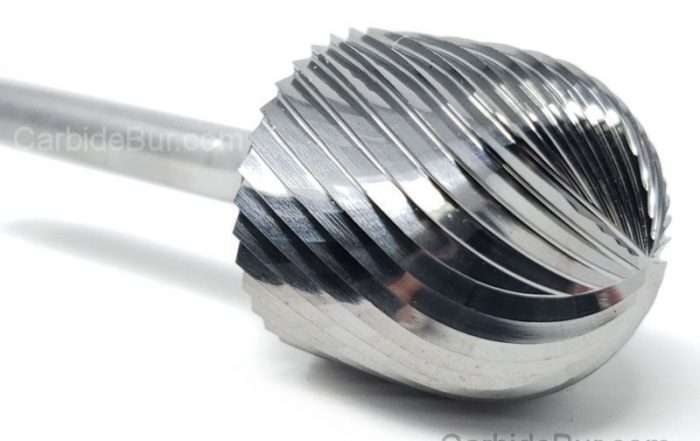
How to Use Carbide Burrs for Port Matching
How to Use Carbide Burrs for Port Matching Most engine builds hit a wall when airflow doesn’t flow smoothly between the ports and manifolds. If your engine isn’t breathing right, your performance stalls. Using the [...]
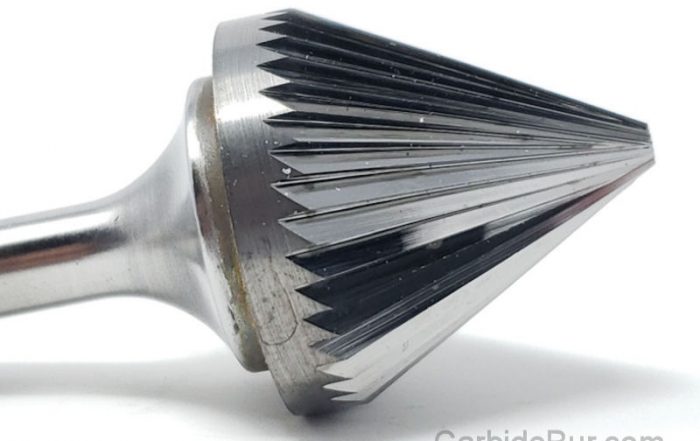
Best Carbide Burr for Porting Intake Manifolds
Best Carbide Burr for Porting Intake Manifolds Porting intake manifolds can make or break your engine’s airflow, yet many struggle with the right tools for the job. Choosing the best carbide burrs is key to [...]
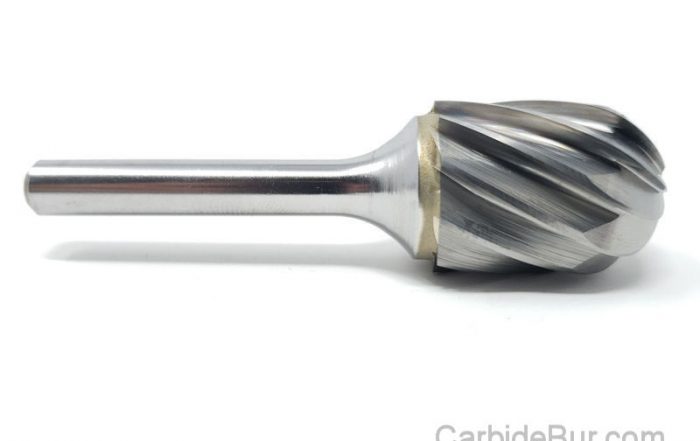
Best Carbide Burr for Concave Surfaces
Best Carbide Burr for Concave Surfaces Concave surfaces can turn a straightforward project into a frustrating challenge if you don’t have the right tool. Carbide burrs designed for these tricky curves make all the difference [...]
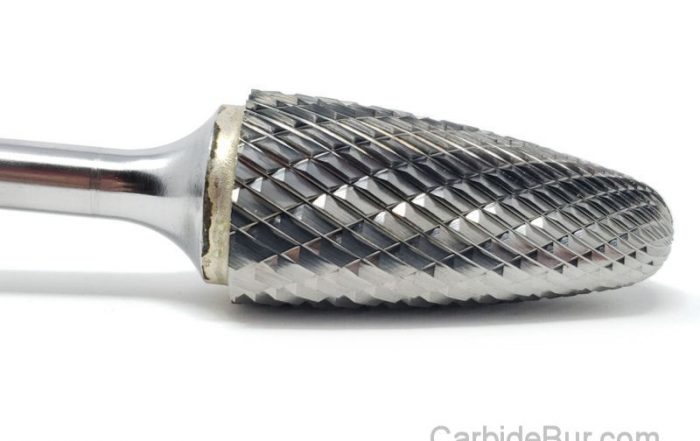
How to Grind a Slot in Metal With a Carbide Burr
How to Grind a Slot in Metal With a Carbide Burr Grinding a precise slot in metal can feel like a tricky task, especially if you’re unsure which tools to trust. Carbide burr grinding offers [...]

Best Carbide Burr for Inside Corners
Best Carbide Burr for Inside Corners Working in tight inside corners can turn even simple projects into frustrating tasks. Many carbide burrs just don’t fit or cut cleanly where you need them most. The best [...]
