
Mastering the Art of Metalwork: Choosing the Perfect Carbide Burr Size
Picking the wrong carbide burr can wreck your metalwork in minutes. You might think any carbide bur will do, but size makes all the difference. Knowing how to match your carbide burr to the job’s needs—whether it’s thickness, shape, or finish—saves time and keeps your work sharp. Let’s break down how to choose the right carbide burr for every task. Check out this guide for more insights: https://huanatools.com/how-to-choose-the-right-carbide-burr-bit-for-every-job/.
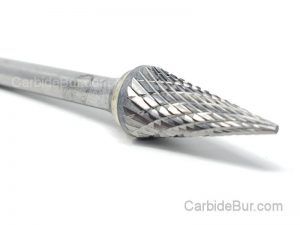
Click here for our entire selection of carbide bur tools
Understanding Carbide Burrs
Choosing the right carbide burr is like picking the perfect tool for your toolkit. Each one plays a unique role in your metalworking projects, ensuring quality and precision.
Different Types and Uses
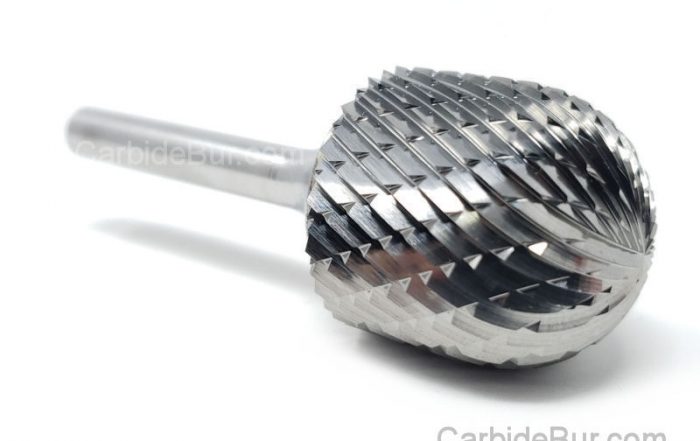
Carbide burrs come in many shapes and sizes, each designed for specific tasks. Think of them as specialized instruments in a toolbox. For example, a cylindrical burr works best for surface leveling, while a ball-shaped burr is ideal for smoothing and finishing. Imagine you’re shaping a piece of metal. The wrong burr could cause uneven edges, but the right one delivers a smooth finish every time. Popular choices include the carbide rotary burr and double cut carbide burr. These are widely used because of their versatility. For a deeper understanding of which burr fits your needs, explore this comprehensive guide on carbide burr shapes.
Importance of Size Selection
Size matters when selecting a carbide burr. A burr that’s too large might damage delicate metalwork, while one that’s too small could prolong the task, leading to frustration. Proper size selection ensures that you maintain control and achieve the desired outcome. Most people assume any size will do, but precision requires careful choice. Picking the right size also prevents unnecessary wear on your tools, extending their lifespan.
Factors Influencing Burr Size
Understanding the factors that influence burr size will help you make informed decisions and avoid common pitfalls in your projects.
Material Thickness Considerations
The thickness of your material is a crucial factor. Thicker materials need larger burrs for effective cutting. Conversely, thinner materials require smaller burrs to avoid damage. For instance, when working with a thin sheet of aluminum, a small burr will prevent tearing or distortion. According to CarbideBur.com, choosing the right burr size based on material thickness can significantly improve your results.
Shape Complexity Challenges
Complex shapes present unique challenges. Intricate designs demand burrs that fit precisely into tight spaces. A cone-shaped burr might be necessary for these tasks, offering precision where it’s needed most. If you’re tackling a project with detailed patterns, consider the shape and size of the burr to ensure accuracy. Many people underestimate this, but it can transform the quality of your craftsmanship.
Desired Finish and Precision
The finish you desire dictates the burr you select. If a smooth, polished surface is your goal, a burr designed for finishing is essential. For example, finer tungsten carbide burrs can deliver the precision you need for a polished look. This choice directly impacts the final appearance of your project, so it’s vital to choose wisely. The longer you wait to select the right burr, the more time and resources you may waste correcting mistakes.
Practical Tips for Selection
Ready to select the perfect burr? Here are some practical tips to guide you along the way.
Matching Burrs to Tasks
Matching your burr to the task at hand is crucial. Consider your project’s requirements and choose accordingly. Are you removing material quickly? A coarse burr might be best. Looking for detail? Opt for a finer burr. By aligning the burr with the task, you ensure efficiency and improve the outcome. For more detailed insights, visit Benchmark Abrasives.
Common Mistakes to Avoid
Avoid common mistakes by keeping these tips in mind:
-
Don’t use a burr that’s too large for delicate tasks; it can cause damage.
-
Avoid forcing a burr into a space where it doesn’t fit; this can lead to tool wear.
-
Never ignore the material’s thickness; it dictates the optimal burr size.
Recognizing these pitfalls helps you make smarter choices and enhances your metalworking skills.
By following these guidelines, you position yourself as a master in metalwork, choosing the right carbide burr size with confidence and precision.
Click here for our entire selection of carbide bur tools
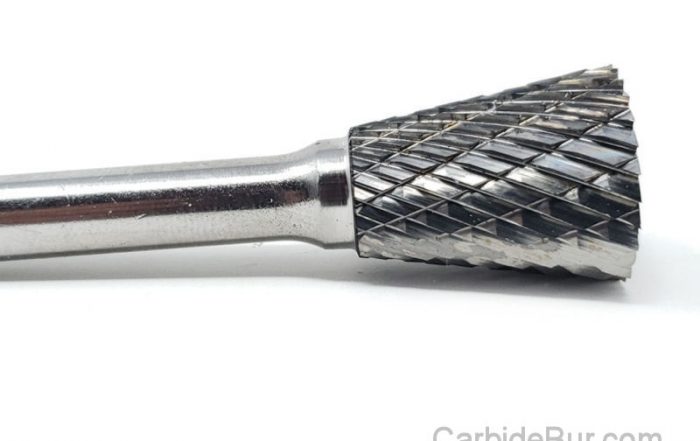
Carbide Burr Safety: 15 Mistakes That Can Cause Injury or Damage
Carbide Burr Safety: 15 Mistakes That Can Cause Injury or Damage Carbide burr safety is often overlooked until a costly mistake happens. Many metalworkers and DIYers make the same errors that lead to injuries or [...]
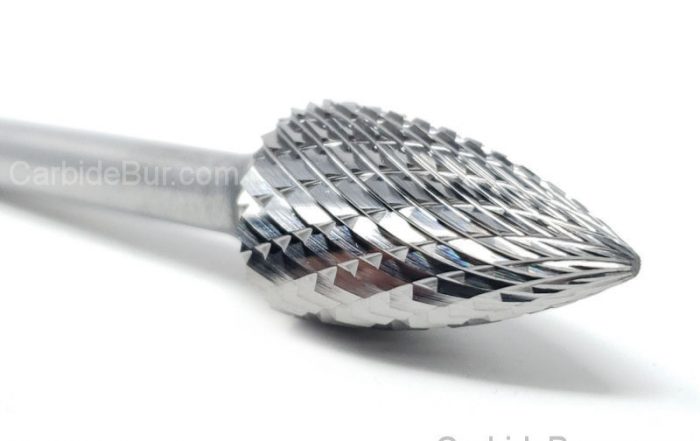
Can You Use a Carbide Burr in a Drill?
Can You Use a Carbide Burr in a Drill? Most people think a standard drill can’t handle a carbide burr, but that’s not true. Using carbide burr in the right drill can speed up your [...]
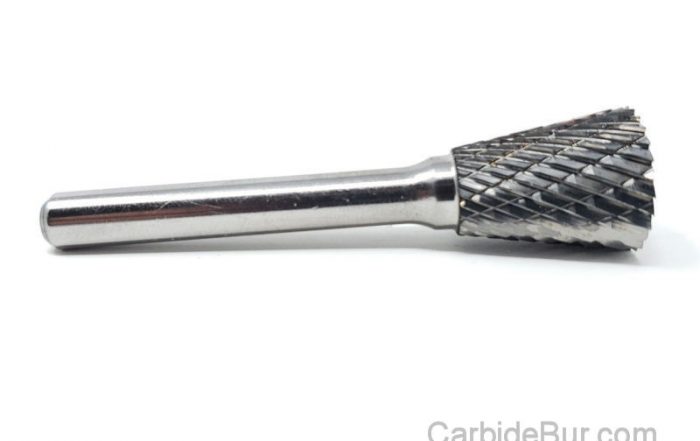
Carbide Burrs for Removing Rust: What Works Best?
Carbide Burrs for Removing Rust: What Works Best? Rust can turn your favorite tools into useless junk faster than you expect. Removing it without ruining the metal underneath takes more than just elbow grease—it demands [...]
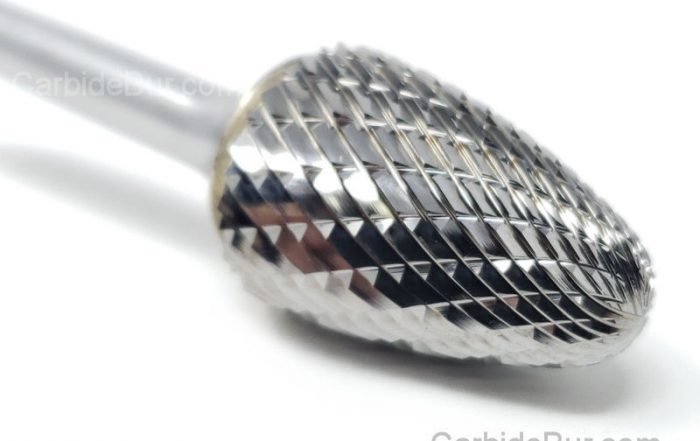
How Much Pressure Should You Use With a Carbide Burr?
How Much Pressure Should You Use With a Carbide Burr? Most people think pressing harder with a carbide burr speeds up the job. That’s not true—too much pressure wears out your tool and ruins the [...]
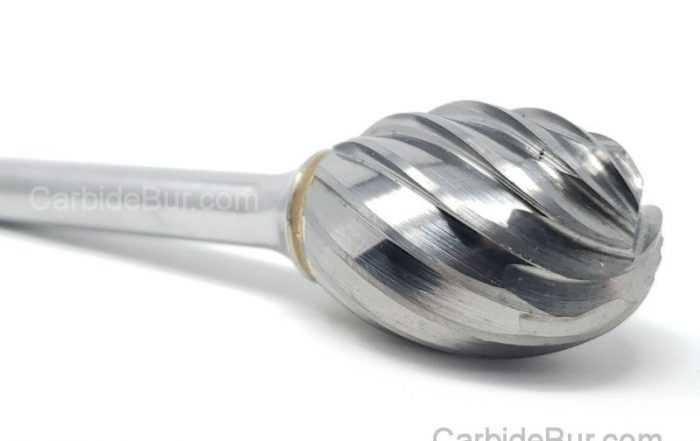
Can You Use Carbide Burrs With an Air Die Grinder?
Can You Use Carbide Burrs With an Air Die Grinder? Most people don’t realize how well carbide burrs work with air die grinders until they try them. If you’ve ever struggled with finding the right [...]
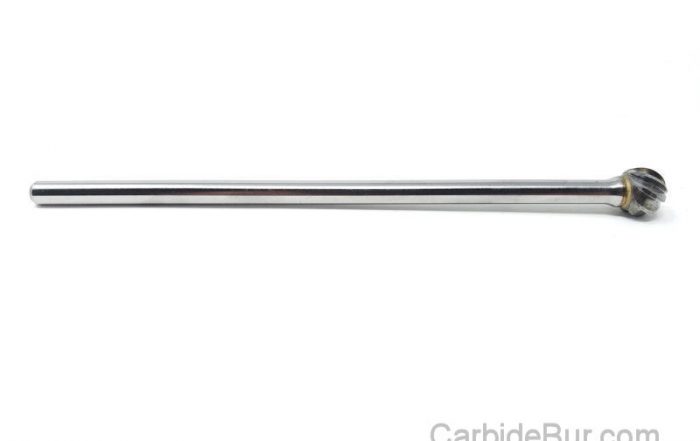
Best Long Reach Carbide Burr for Deep Metal Work
Best Long Reach Carbide Burr for Deep Metal Work Long reach carbide burrs often promise deep metal access, but many fall short where it counts most. You need a tool that cuts cleanly, lasts through [...]
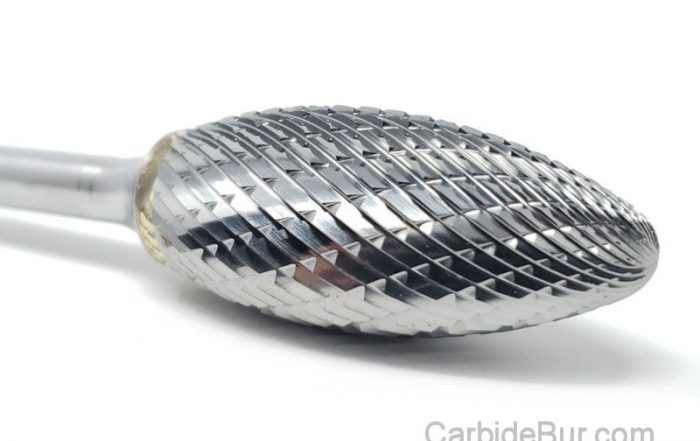
What RPM Should You Use for a 1/8 Inch Carbide Burr?
What RPM Should You Use for a 1/8 Inch Carbide Burr? Most people guess the right carbide burr RPM by feel—and waste hours redoing work. If you want cleaner cuts and longer tool life, your [...]
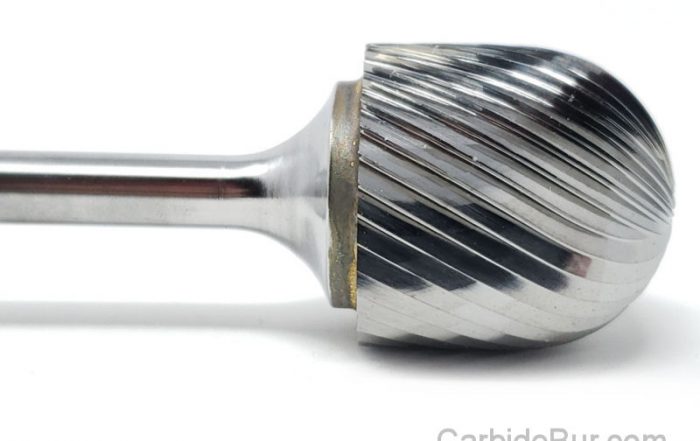
Carbide Burrs for Tight Spaces: Choosing the Right Shape
Carbide Burrs for Tight Spaces: Choosing the Right Shape Tackling tight spaces with the wrong carbide burrs wastes time and risks damaging your work. Choosing the right burr shape makes all the difference when working [...]
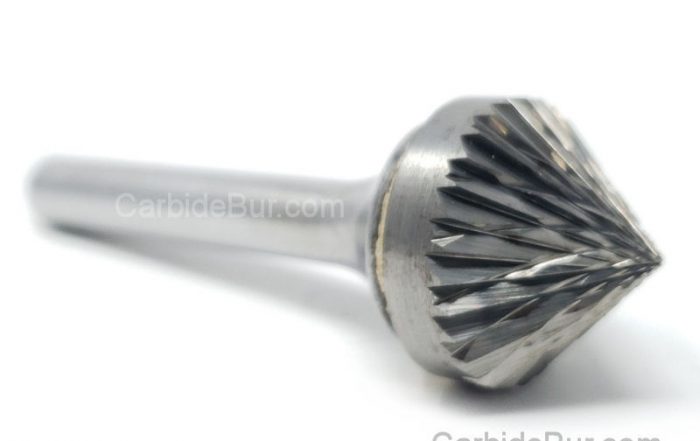
Can Carbide Burrs Remove Paint From Metal?
Can Carbide Burrs Remove Paint From Metal? Stripping paint from metal often feels like a tough chore that risks damaging the surface underneath. Many turn to carbide burrs hoping they can speed things up without [...]
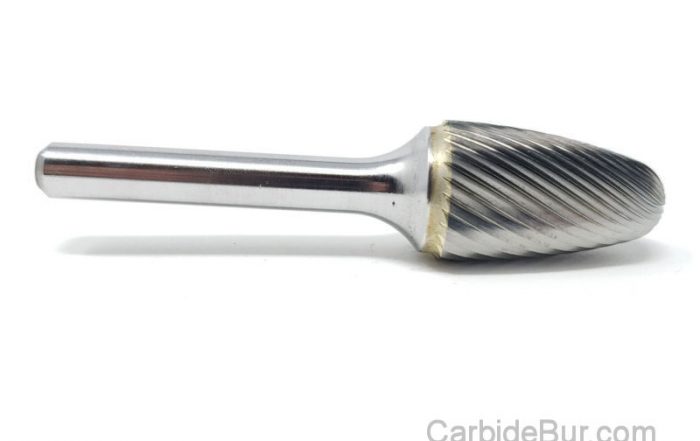
How to Grind a Groove in Metal With a Carbide Burr
How to Grind a Groove in Metal With a Carbide Burr Most metalworkers struggle to cut clean grooves without wasting time or ruining their workpiece. Many try different metalworking tools but end up with uneven [...]
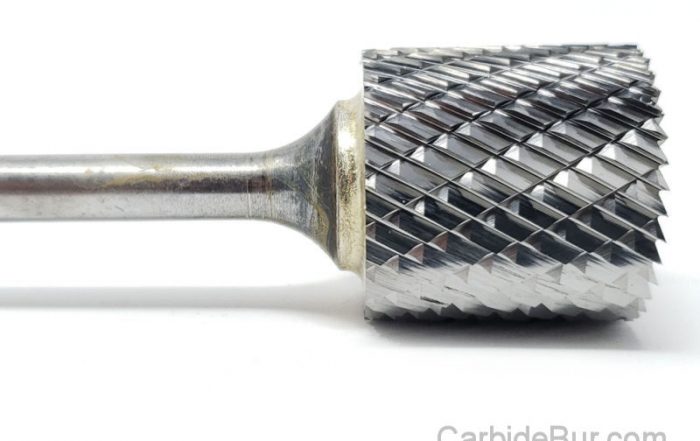
Can Carbide Burrs Cut Through Welds?
Can Carbide Burrs Cut Through Welds? Cutting through welds can feel like a battle, especially when you need clean results without harming the base metal. Carbide burrs offer a sharp edge in this fight, but [...]
How to Use a Carbide Burr With a Die Grinder
How to Use a Carbide Burr With a Die Grinder Most people treat a carbide burr like just another tool, but using it with a die grinder takes skill. If you’ve struggled with burr installation [...]
