
Boost Your Metalworking Projects: A Guide to Selecting the Right Carbide Burr
You’ve spent hours working with your carbide burr, yet the results fall short of what you expected. Most of the time, the problem isn’t the tool itself but common mistakes that cut into carbide burr efficiency. From picking the wrong burr for the job to ignoring speed settings and skipping maintenance, these errors quietly drain your tool’s power and lifespan. This guide will point out those pitfalls and share practical tips to keep your carbide burr running strong and your projects on track. For more insights, check out this guide.
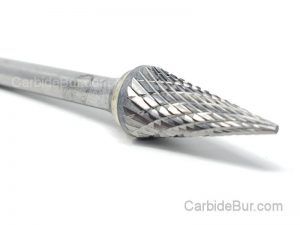
Click here for our entire selection of carbide bur tools
Avoiding Common Mistakes
Understanding and avoiding frequent errors is crucial to getting the most out of your carbide burr. Let’s examine some pitfalls that might be holding you back.
Incorrect Speed Settings
Many overlook the importance of speed when using a carbide burr. If you run your tool too fast or too slow, it can lead to poor results. You might notice the workpiece getting too hot or the burr wearing out quickly.
-
Heat Build-up: Excessive speed increases friction and heat, damaging both the burr and the material.
-
Wear and Tear: Running at high speeds can also cause uncontrolled vibrations that wear out your tool faster.
Finding the right balance is key. Always refer to the manufacturer’s guidelines for optimal speed. In many cases, starting at a mid-range speed and adjusting based on the material’s response can lead to smoother operations. For more detailed guidance, explore this resource.
Improper Burr Selection
Choosing the wrong burr for your task is like using a hammer for a screw. Each burr is designed for specific purposes and materials.
-
Material Matters: Using a burr not suited for your material can cause chips or breakage.
-
Shape and Size: Different shapes serve different functions, like cutting, grinding, or shaping.
Before you start, ensure the burr you pick matches your material and task. This guide can help you make informed decisions and enhance your carbide burr efficiency.
Neglecting Maintenance Needs
Skipping maintenance is a silent productivity killer. Your carbide burrs need regular attention to perform well.
-
Cleaning: Remove debris after each use to prevent buildup.
-
Inspection: Regular checks for wear and damage can prevent unexpected failures.
Routine maintenance may seem tedious, but it extends the tool’s life and ensures consistent performance. Make it a habit after every project to keep your burrs in top condition.
Enhancing Burr Performance
Now that you know the common mistakes, let’s focus on strategies to boost your carbide burr’s performance and efficiency.
Selecting the Right Burr for Materials
Choosing the correct burr is fundamental for outstanding results. Different materials demand specific burr types.
-
Soft vs. Hard Materials: Soft materials like aluminum require a different burr than hard materials like steel.
-
Burr Types: Consider single-cut burrs for ferrous metals and double-cut for non-ferrous metals.
Selecting the right burr not only improves efficiency but also enhances your project’s precision. Explore this selection guide for more help.
Importance of Tool Maintenance
Keeping your tools in shape is crucial for sustained work quality. Maintenance is more than just cleaning; it’s about ensuring every part works seamlessly.
-
Lubrication: Regular lubrication prevents rust and friction.
-
Tool Storage: Store in a dry place to avoid corrosion.
Consistent maintenance minimizes downtime and maximizes productivity. For more on maintenance routines, visit this article.
Optimizing Speed for Efficiency
Adjusting speed settings to match your task can transform your results. It’s about precision, not just power.
-
Speed Adjustment: Start slow and increase gradually until you find the sweet spot.
-
Test First: Always test on a scrap piece before the real deal.
Mastering speed settings not only improves results but also prolongs the life of your tools. Keep experimenting to find what works best for your projects.
By understanding these factors and implementing these strategies, your carbide burr can become a more powerful ally in your metalworking endeavors. Don’t let common mistakes stand in the way of achieving the precision and quality you desire.
Click here for our entire selection of carbide bur tools
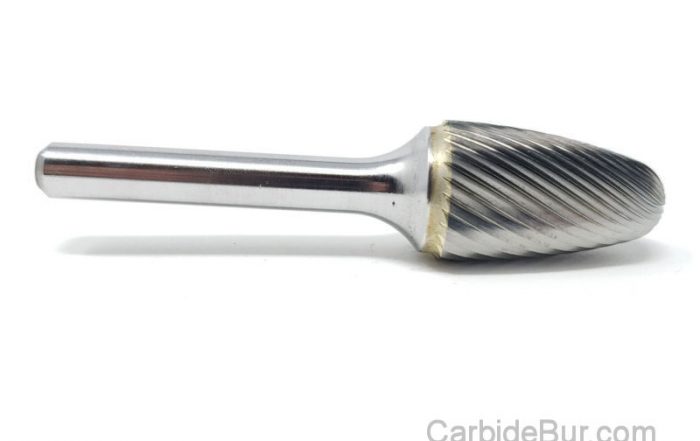
How to Grind a Groove in Metal With a Carbide Burr
How to Grind a Groove in Metal With a Carbide Burr Most metalworkers struggle to cut clean grooves without wasting time or ruining their workpiece. Many try different metalworking tools but end up with uneven [...]
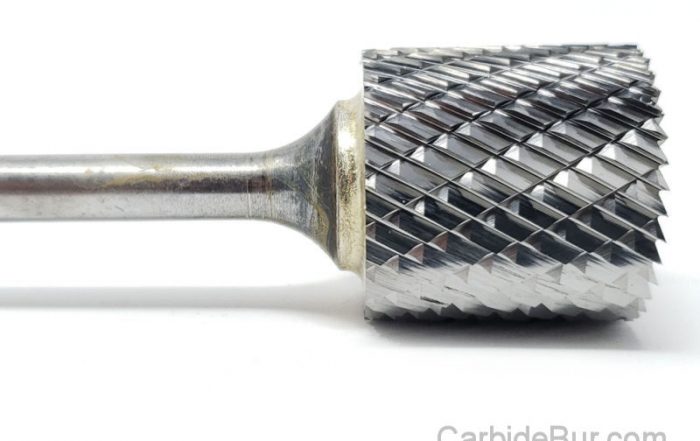
Can Carbide Burrs Cut Through Welds?
Can Carbide Burrs Cut Through Welds? Cutting through welds can feel like a battle, especially when you need clean results without harming the base metal. Carbide burrs offer a sharp edge in this fight, but [...]
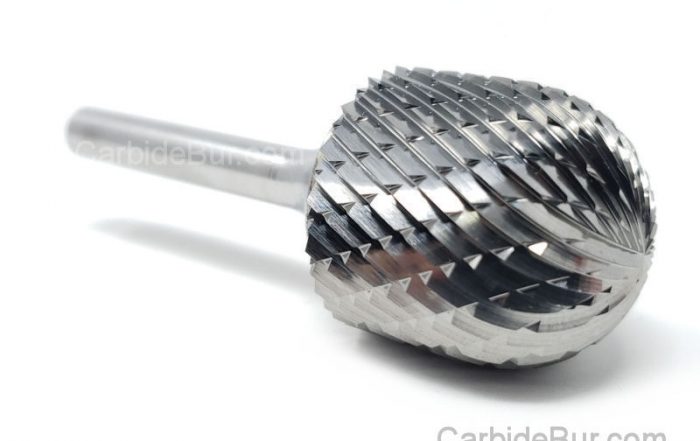
How to Use a Carbide Burr With a Die Grinder
How to Use a Carbide Burr With a Die Grinder Most people treat a carbide burr like just another tool, but using it with a die grinder takes skill. If you’ve struggled with burr installation [...]
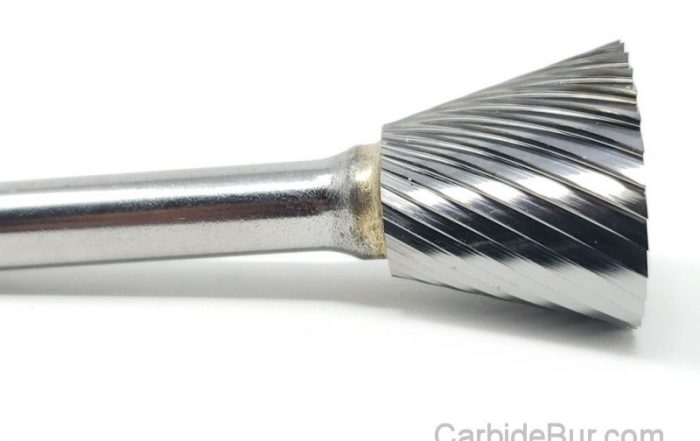
1/8 vs 1/4 Inch Carbide Burrs: What’s the Difference?
1/8 vs 1/4 Inch Carbide Burrs: What's the Difference? Choosing between a 1/8 inch carbide burr and a 1/4 inch carbide burr can change how your project turns out. Many machinists and hobbyists overlook how [...]
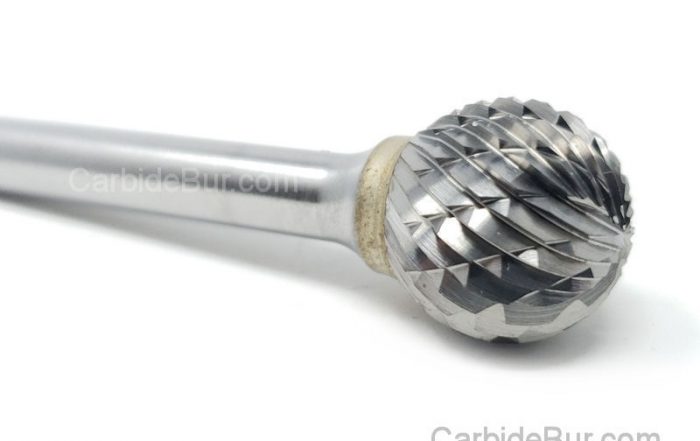
Best Carbide Burr for Removing Flash From Castings
Best Carbide Burr for Removing Flash From Castings Removing flash from castings is a task that can slow down your entire metalworking process if you don’t have the right tools. Picking the best carbide burr [...]
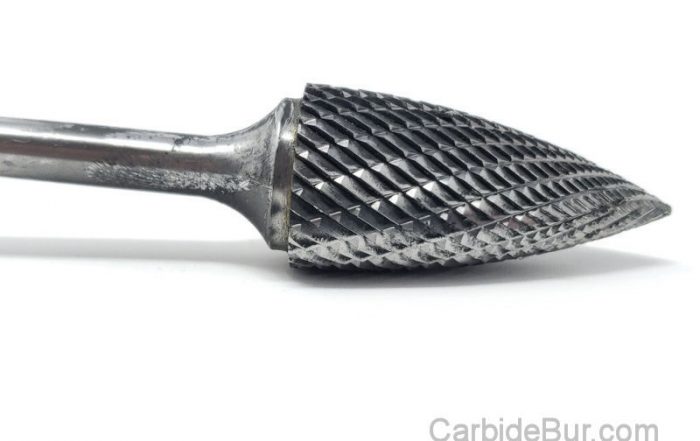
What RPM Should You Use for a 1/4 Inch Carbide Burr?
What RPM Should You Use for a 1/4 Inch Carbide Burr? Most machinists guess the right speed for a 1/4 inch carbide burr and hope for the best. Using the wrong carbide burr RPM can [...]
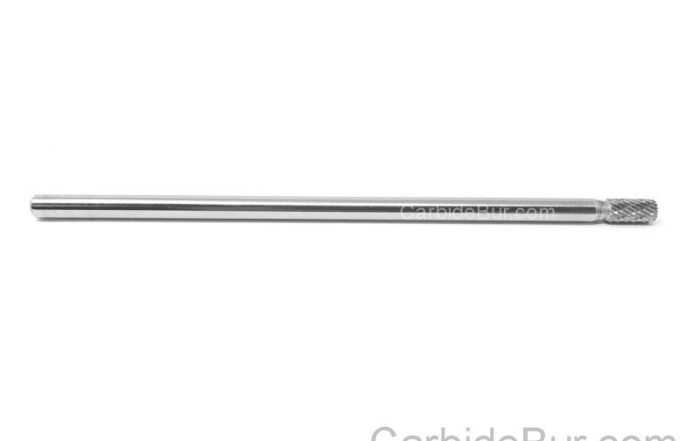
Long Shank Carbide Burrs: When Do You Need One?
Long Shank Carbide Burrs: When Do You Need One? Most machinists overlook the power of long shank carbide burrs until a project demands precision in tight spaces. When your usual tools can’t reach intricate contours, [...]
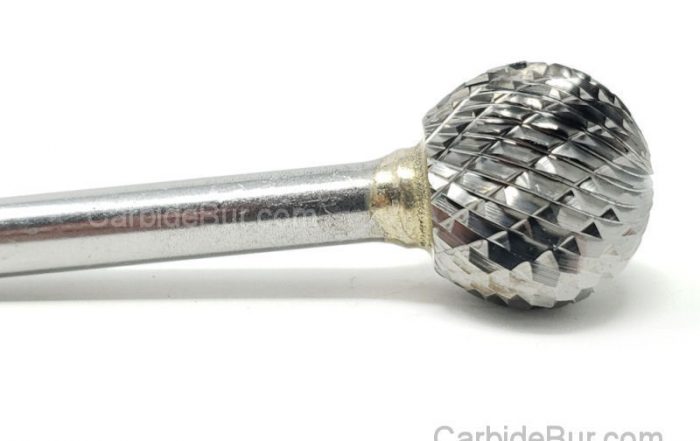
How Deep Can a Carbide Burr Cut Metal?
How Deep Can a Carbide Burr Cut Metal? Carbide burrs often get praised for their precision, but many users hit a wall wondering how deep they can actually cut metal. The truth is, cutting depth [...]
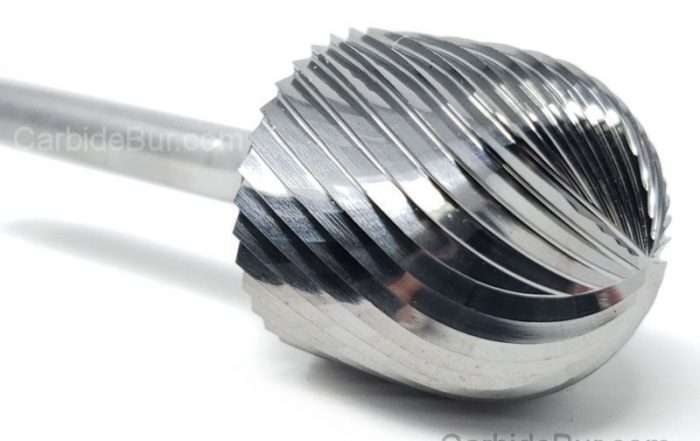
How to Use Carbide Burrs for Port Matching
How to Use Carbide Burrs for Port Matching Most engine builds hit a wall when airflow doesn’t flow smoothly between the ports and manifolds. If your engine isn’t breathing right, your performance stalls. Using the [...]
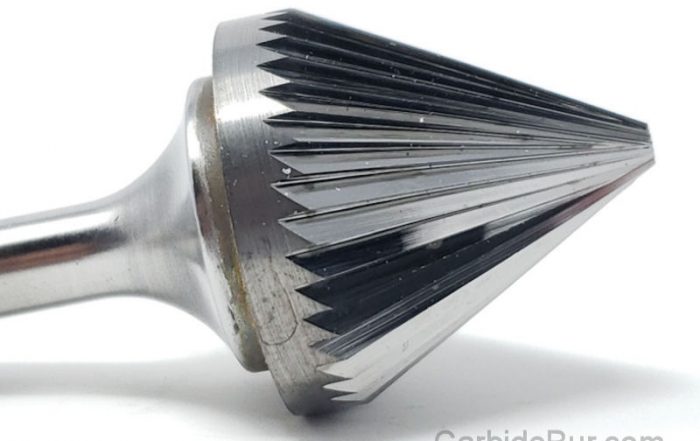
Best Carbide Burr for Porting Intake Manifolds
Best Carbide Burr for Porting Intake Manifolds Porting intake manifolds can make or break your engine’s airflow, yet many struggle with the right tools for the job. Choosing the best carbide burrs is key to [...]
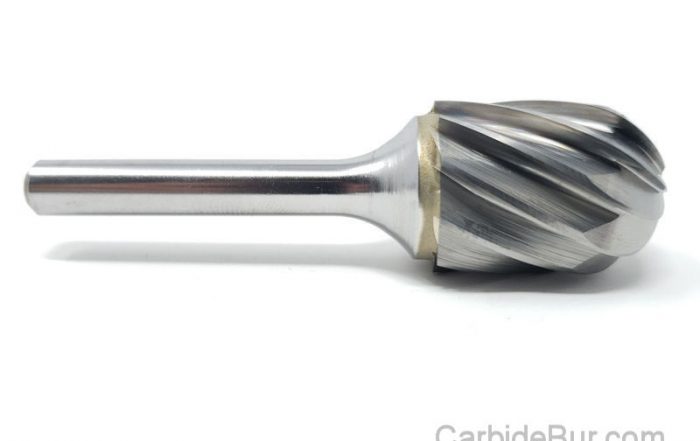
Best Carbide Burr for Concave Surfaces
Best Carbide Burr for Concave Surfaces Concave surfaces can turn a straightforward project into a frustrating challenge if you don’t have the right tool. Carbide burrs designed for these tricky curves make all the difference [...]
How to Grind a Slot in Metal With a Carbide Burr
How to Grind a Slot in Metal With a Carbide Burr Grinding a precise slot in metal can feel like a tricky task, especially if you’re unsure which tools to trust. Carbide burr grinding offers [...]
