
From Novice to Pro: Choosing the Right Carbide Burr for Every Metalworking Task
Picking the wrong carbide burr can turn a simple metalworking task into a frustrating mess. You’ve got a pile of metal to shape, carve, or smooth, but the burr you reach for might not be the best fit. This guide breaks down carbide burr shapes, from spherical to flame, showing you exactly when and how to use each one for sharper results and cleaner finishes. Check out more here.
Click here for our entire selection of carbide bur tools
Introduction to Carbide Burrs
Understanding the different shapes of carbide burrs is the first step in mastering metalworking tasks. Whether you’re a seasoned pro or a newcomer, knowing how to choose the right burr can transform your projects. Let’s explore these shapes in greater detail.
Understanding Carbide Burr Shapes
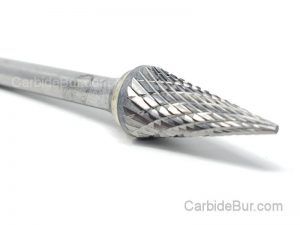
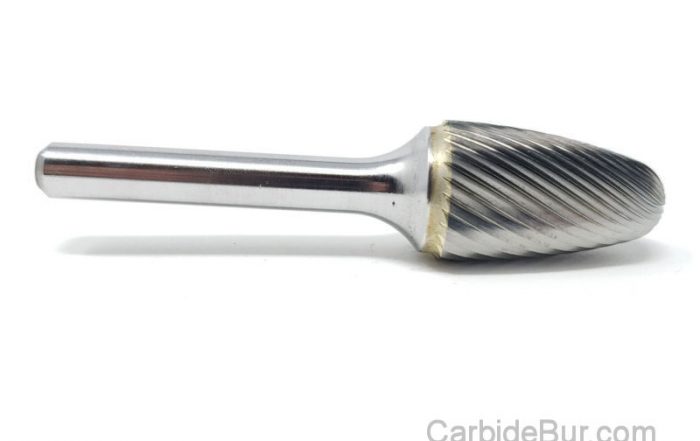
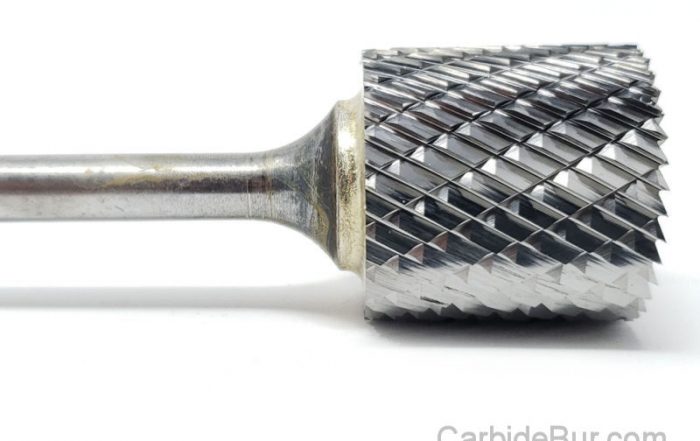
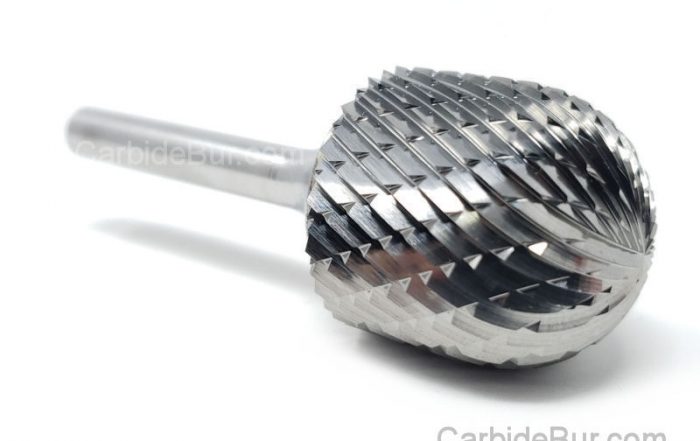
Carbide burrs come in a variety of shapes, each suited to specific tasks. Spherical burrs allow for smooth, curved surfaces, while cylindrical burrs are perfect for flat or angled areas. Flame burrs excel at tight, detailed work.
Imagine trying to smooth a curved surface with a flat tool; it’s frustrating and inefficient. By selecting the correct shape, you can quickly achieve your desired finish. One common mistake is using the wrong burr shape, leading to wasted time and effort. Knowing which shape to use saves you from unnecessary headaches.
Importance of Burr Applications
The true power of carbide burrs lies in their applications. By using them correctly, you can improve your metalworking precision and efficiency. Different shapes are not just for show; they serve unique purposes.
For instance, spherical burrs shine in carving techniques, allowing for intricate designs. Cylindrical burrs, on the other hand, are your go-to for metal removal and surface leveling. If you need to deburr edges, flame burrs are your best bet. Each shape offers specific benefits, enhancing your overall work quality.
Choosing the Right Burr
Now that you understand the shapes, how do you choose the right burr for your task? Selection involves more than just picking a shape; you need to match the burr to your specific project needs.
Factors in Burr Selection Guide
When selecting a burr, consider the material you’re working with. Tungsten carbide burrs are ideal for hard metals, while carbide burrs work well with softer materials. Also, think about the desired finish. A smooth surface requires different tools than a rough one.
Additionally, match the burr size to your equipment. For instance, using a carbide burr for a die grinder requires a different size than one for a rotary tool. Lastly, consider durability. Double cut carbide burrs are robust and can withstand repeated use, making them perfect for heavy-duty tasks.
Common Carbide Burr Set Options
A carbide burr set offers variety and flexibility. Most sets include a mix of shapes and sizes, giving you the tools needed for a range of projects. They often include spherical, cylindrical, and flame burrs, covering most basic tasks.
Investing in a quality set ensures you have the right tool at your fingertips. Look for sets that include double cut carbide burrs for added durability. Remember, a diverse set can save you from running into situations where you lack the proper tool, thus enhancing your efficiency.
Exploring Burr Shapes and Uses
Now that you know how to choose and what to look for, let’s delve into specific burr shapes and their applications. This will help you make informed decisions in your projects.
Spherical Burrs for Carving Techniques
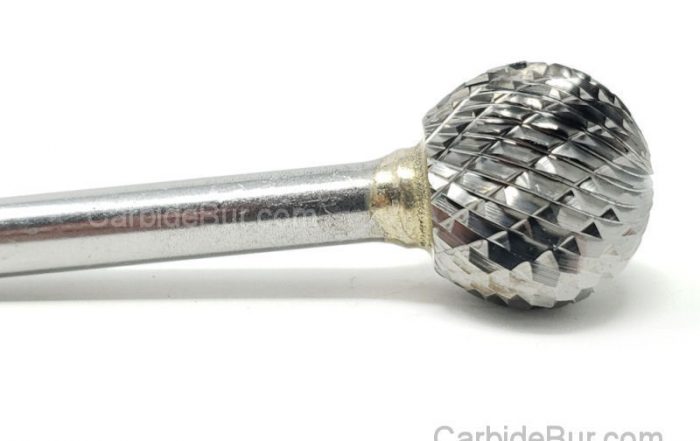
Spherical burrs are excellent for achieving smooth, rounded surfaces. They are ideal for carving intricate patterns and designs. With these burrs, you can create detailed work without leaving rough edges.
Consider a project involving curved surfaces, where you need precision and smoothness. Using a spherical burr allows you to maneuver easily, ensuring clean lines. These burrs are essential in any carver’s toolkit, providing the finesse needed for delicate work.
Cylindrical Burrs for Metalworking Tools
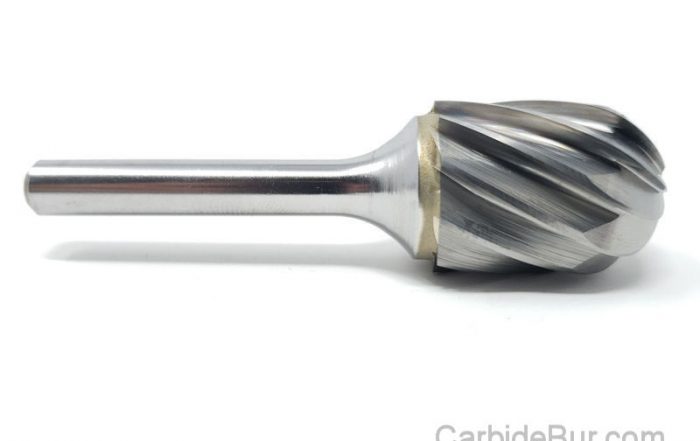
When it comes to removing large amounts of material, cylindrical burrs are your best friend. They excel in flattening surfaces and creating straight edges. If you’re working on shaping a piece of metal, this is the burr to use.
Picture a scenario where you need to level a surface. A cylindrical burr allows you to remove excess material quickly and efficiently. This saves time and ensures that your workpiece is even. It’s a staple in any metalworker’s toolset for these reasons.
Flame Burrs for Deburring Tools
Flame burrs are specifically designed for tight spaces and detailed work. They are perfect for deburring edges and finishing touches. These burrs help you achieve a clean, polished look by smoothing out imperfections.
Think about a project with sharp edges that need smoothing. Flame burrs easily reach these areas, ensuring a safe and finished product. They are invaluable in creating a professional look, making them indispensable for any detailed work.
In summary, understanding and applying the correct carbide burr shapes can significantly enhance your metalworking projects. By selecting the right tool for the job, you ensure efficiency and quality, transforming your metalworking tasks from challenging to manageable. For further reading, you can explore comprehensive guides like those found here.
Click here for our entire selection of carbide bur tools
How to Grind a Groove in Metal With a Carbide Burr
How to Grind a Groove in Metal With a Carbide Burr Most metalworkers struggle to cut clean grooves without wasting time or ruining their workpiece. Many try different metalworking tools but end up with uneven [...]
Can Carbide Burrs Cut Through Welds?
Can Carbide Burrs Cut Through Welds? Cutting through welds can feel like a battle, especially when you need clean results without harming the base metal. Carbide burrs offer a sharp edge in this fight, but [...]
How to Use a Carbide Burr With a Die Grinder
How to Use a Carbide Burr With a Die Grinder Most people treat a carbide burr like just another tool, but using it with a die grinder takes skill. If you’ve struggled with burr installation [...]
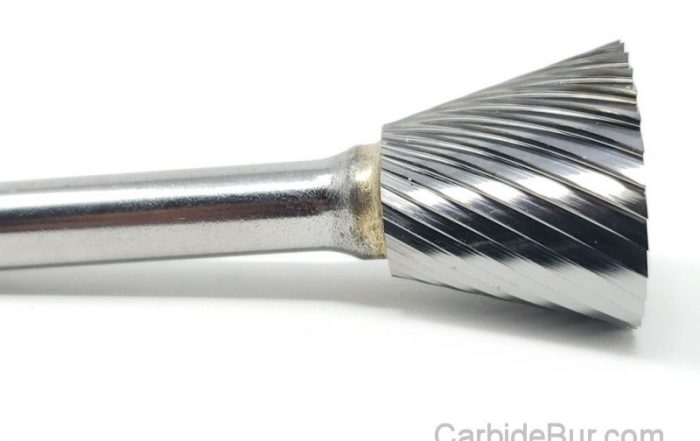
1/8 vs 1/4 Inch Carbide Burrs: What’s the Difference?
1/8 vs 1/4 Inch Carbide Burrs: What's the Difference? Choosing between a 1/8 inch carbide burr and a 1/4 inch carbide burr can change how your project turns out. Many machinists and hobbyists overlook how [...]
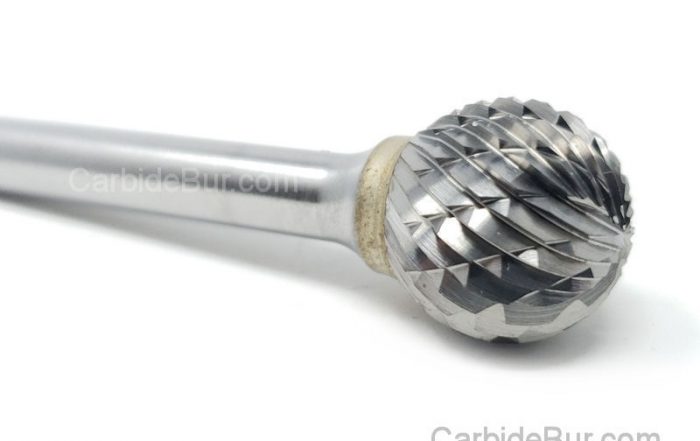
Best Carbide Burr for Removing Flash From Castings
Best Carbide Burr for Removing Flash From Castings Removing flash from castings is a task that can slow down your entire metalworking process if you don’t have the right tools. Picking the best carbide burr [...]
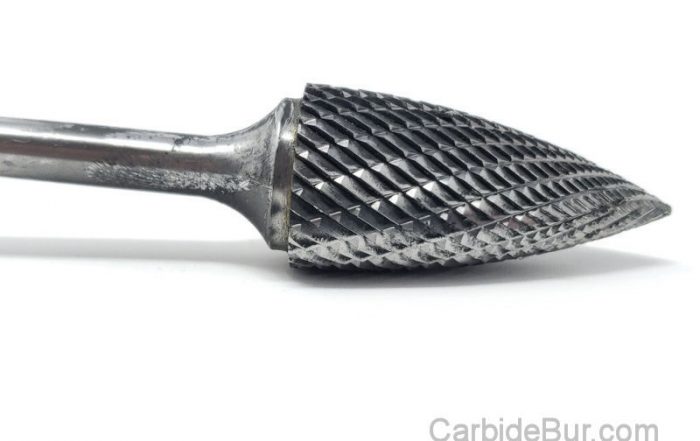
What RPM Should You Use for a 1/4 Inch Carbide Burr?
What RPM Should You Use for a 1/4 Inch Carbide Burr? Most machinists guess the right speed for a 1/4 inch carbide burr and hope for the best. Using the wrong carbide burr RPM can [...]
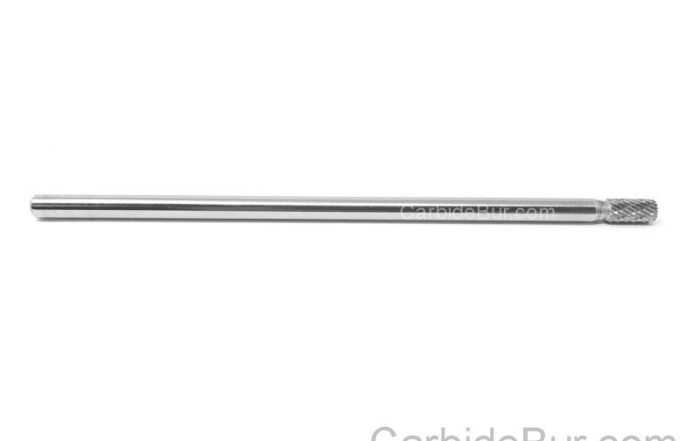
Long Shank Carbide Burrs: When Do You Need One?
Long Shank Carbide Burrs: When Do You Need One? Most machinists overlook the power of long shank carbide burrs until a project demands precision in tight spaces. When your usual tools can’t reach intricate contours, [...]
How Deep Can a Carbide Burr Cut Metal?
How Deep Can a Carbide Burr Cut Metal? Carbide burrs often get praised for their precision, but many users hit a wall wondering how deep they can actually cut metal. The truth is, cutting depth [...]
How to Use Carbide Burrs for Port Matching
How to Use Carbide Burrs for Port Matching Most engine builds hit a wall when airflow doesn’t flow smoothly between the ports and manifolds. If your engine isn’t breathing right, your performance stalls. Using the [...]
Best Carbide Burr for Porting Intake Manifolds
Best Carbide Burr for Porting Intake Manifolds Porting intake manifolds can make or break your engine’s airflow, yet many struggle with the right tools for the job. Choosing the best carbide burrs is key to [...]
Best Carbide Burr for Concave Surfaces
Best Carbide Burr for Concave Surfaces Concave surfaces can turn a straightforward project into a frustrating challenge if you don’t have the right tool. Carbide burrs designed for these tricky curves make all the difference [...]
How to Grind a Slot in Metal With a Carbide Burr
How to Grind a Slot in Metal With a Carbide Burr Grinding a precise slot in metal can feel like a tricky task, especially if you’re unsure which tools to trust. Carbide burr grinding offers [...]
