
Prolong Tool Lifespan: Essential Tips for Extending the Life of Your Carbide Burrs
You’ve probably noticed how quickly your carbide burrs lose their edge, turning sharp tools into frustrating chores. Wasting time and money on replacements doesn’t have to be the norm. This guide will show you how to sharpen carbide burrs and extend life carbide burrs with simple maintenance and smart usage tips. Stick around to learn which sharpening tools work best and how to keep your carbide burr set running like new. For more insights, visit this resource.
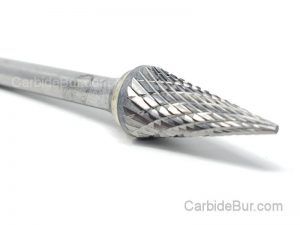
Click here for our entire selection of carbide bur tools
Effective Carbide Burr Maintenance
Keeping your carbide burrs in top condition isn’t just smart—it’s essential. Let’s dive into the routine habits that can keep your tools sharp and your tasks efficient.
Daily Care Essentials
Every day, your carbide burrs deserve a little attention. Start by cleaning them after each use. This prevents debris buildup, which can dull the surface. Use a soft brush and some isopropyl alcohol to gently remove any residue. Make this a habit, and you’ll notice your burrs last longer and perform better.
Next, inspect your burrs for signs of wear. Look for chips or uneven surfaces. Catching these early means you can address issues before they become problems. If you’re using a tungsten carbide bur, for instance, a quick daily check can save you time and money down the line.
Lastly, lubricate your burrs. A light oil application can reduce friction and heat during use. This step is particularly crucial if you’re working with a double cut carbide burr or carbide rotary burr.
Proper Storage Techniques
Proper storage can be the difference between a long-lasting burr and one that dulls quickly. Store your carbide burrs in a dry, cool place. Moisture can cause rust, even on carbide, so ensure your storage area is free from dampness.
Consider a dedicated storage box with individual slots for each burr. This setup not only keeps them organized but also protects them from knocking against each other and causing damage. If you’re frequently on the move, a portable case with padding can safeguard your burrs on the go.
Label your storage, especially if you have a carbide burr set with various sizes and shapes. Quick access to the right tool speeds up your work and reduces the chance of using the wrong burr for a job.
Sharpening Tools and Techniques
Now that your burrs are clean and stored properly, let’s explore the tools and methods to keep them sharp. Sharpening isn’t just about keeping a keen edge; it’s about preserving the integrity of your tools.
Best Burr Sharpening Tools
Choosing the right tools for sharpening is crucial. A diamond wheel is highly recommended for carbide burrs. It provides precision and maintains the burr’s shape. If you’re sharpening a dental carbide burs, a smaller diamond wheel might be more appropriate due to their size and finer detail.
Another option is a carbide sharpening machine. These devices are designed specifically for carbide tools and offer a controlled, consistent sharpening process. They’re an investment but can save you time and extend your tools’ lifespan significantly.
For those new to sharpening, a hand-held diamond file can be a good start. It’s less expensive and allows you to sharpen smaller burrs with greater control. Remember, the key here is gentle, gradual sharpening to prevent removing too much material.
Sharpen Carbide Burrs Safely
Safety should always be your priority when sharpening. Start by securing your work area. Ensure your tools won’t slip or move unexpectedly. Always wear safety glasses to protect your eyes from any small particles.
When using a diamond wheel, maintain a steady hand. Apply light pressure and move the burr smoothly across the wheel. This technique ensures even sharpening and prevents overheating the burr, which can weaken it.
If you’re using a hand-held file, stabilize the burr in a vise. Use slow, deliberate strokes, and check your progress often. It’s better to sharpen a little at a time than to risk over-sharpening and damaging the burr.
Maximizing Usage and Lifespan
With your burrs sharp and ready, it’s time to focus on using them effectively. Proper usage not only improves performance but also prolongs their life.
Carbide Burr Usage Tips
Using the right burr for the task is crucial. For heavy material removal, a fg carbide burs, popular in dental settings, might not be suitable. Instead, opt for a larger carbide rotary burr that can handle the stress.
Avoid using excessive pressure during operation. Let the burr do the work. Pushing too hard can cause the burr to overheat and wear out faster. Also, keep the burr moving. Staying in one spot for too long can create heat spots and damage the material you’re working on.
Switch between burrs if you’re working on a large project. This practice prevents overheating and reduces wear. For example, alternate between a single cut and a double cut carbide burr to manage material removal efficiently.
Grinding Techniques for Longevity
Adopting the right grinding techniques can make a significant difference. Always start with a lower speed setting. This reduces the risk of heat buildup, which can quickly dull the burr. As you gain confidence, gradually increase the speed, but never exceed the manufacturer’s recommendations.
Pay attention to the angle at which you’re grinding. Keeping a consistent angle helps maintain the burr’s edge and effectiveness. If you’re uncertain, consult the manufacturer’s guidelines or this comprehensive guide.
Periodically assess your grinding technique. Are you applying too much pressure? Is the burr getting too hot? Adjust as needed to ensure you’re not compromising the burr’s longevity.
By implementing these strategies, you’ll not only extend the life of your carbide burrs but also enhance their performance, saving you time and money in your projects.
Click here for our entire selection of carbide bur tools
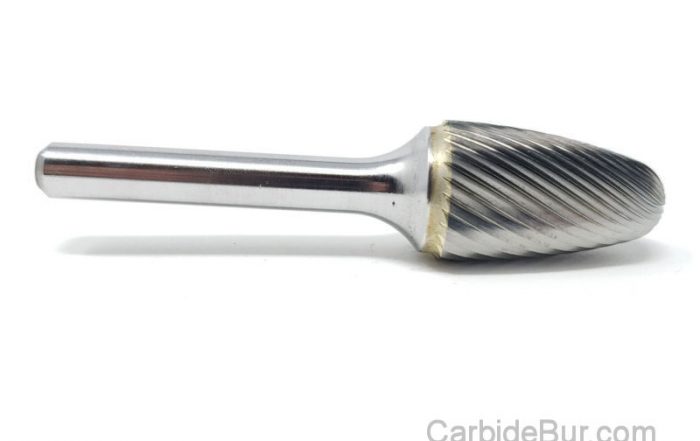
How to Grind a Groove in Metal With a Carbide Burr
How to Grind a Groove in Metal With a Carbide Burr Most metalworkers struggle to cut clean grooves without wasting time or ruining their workpiece. Many try different metalworking tools but end up with uneven [...]
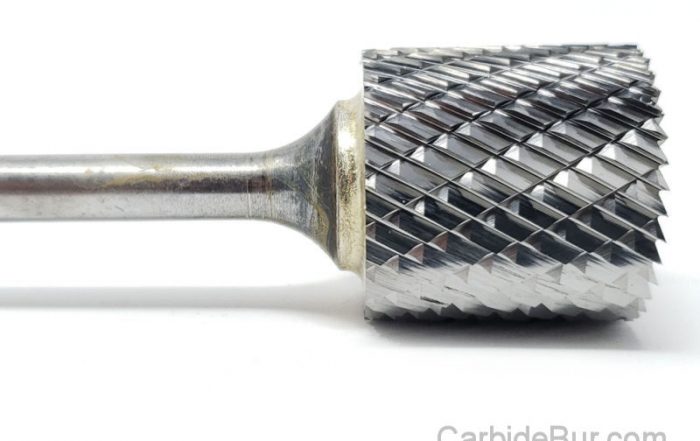
Can Carbide Burrs Cut Through Welds?
Can Carbide Burrs Cut Through Welds? Cutting through welds can feel like a battle, especially when you need clean results without harming the base metal. Carbide burrs offer a sharp edge in this fight, but [...]
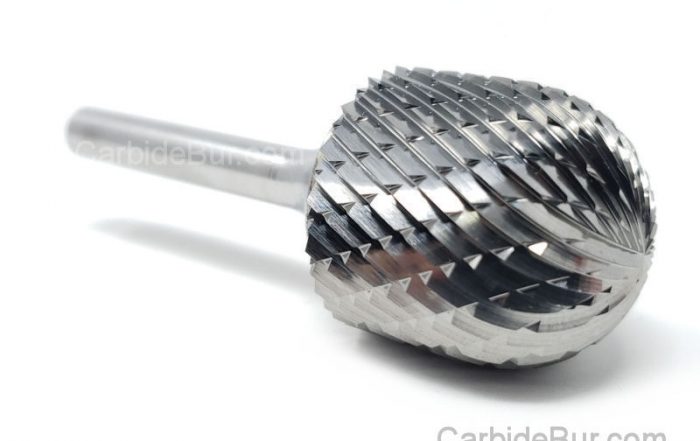
How to Use a Carbide Burr With a Die Grinder
How to Use a Carbide Burr With a Die Grinder Most people treat a carbide burr like just another tool, but using it with a die grinder takes skill. If you’ve struggled with burr installation [...]
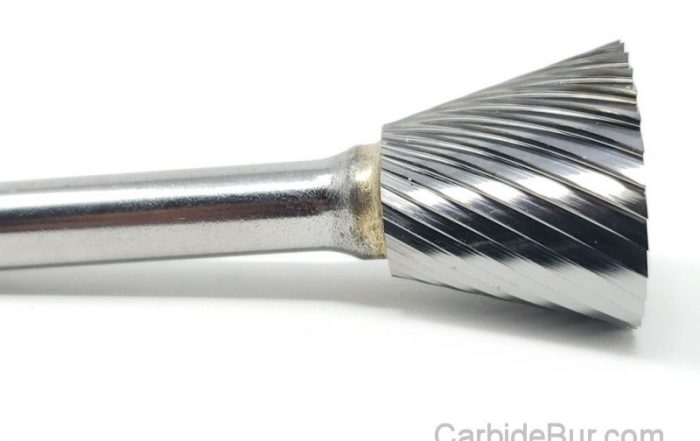
1/8 vs 1/4 Inch Carbide Burrs: What’s the Difference?
1/8 vs 1/4 Inch Carbide Burrs: What's the Difference? Choosing between a 1/8 inch carbide burr and a 1/4 inch carbide burr can change how your project turns out. Many machinists and hobbyists overlook how [...]
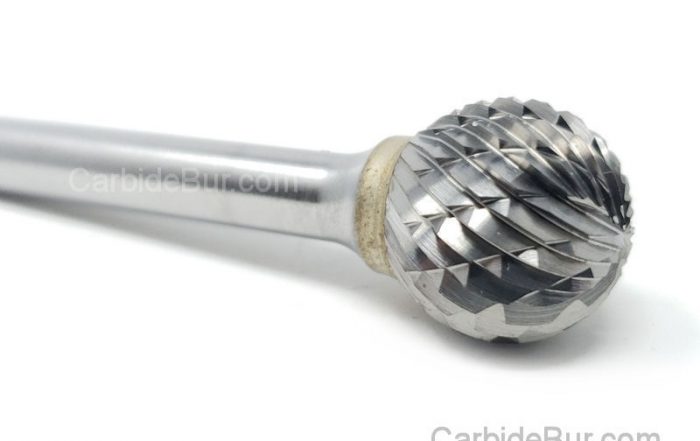
Best Carbide Burr for Removing Flash From Castings
Best Carbide Burr for Removing Flash From Castings Removing flash from castings is a task that can slow down your entire metalworking process if you don’t have the right tools. Picking the best carbide burr [...]
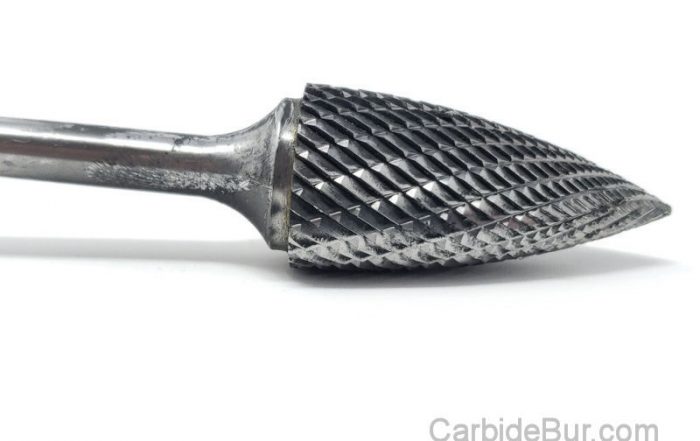
What RPM Should You Use for a 1/4 Inch Carbide Burr?
What RPM Should You Use for a 1/4 Inch Carbide Burr? Most machinists guess the right speed for a 1/4 inch carbide burr and hope for the best. Using the wrong carbide burr RPM can [...]
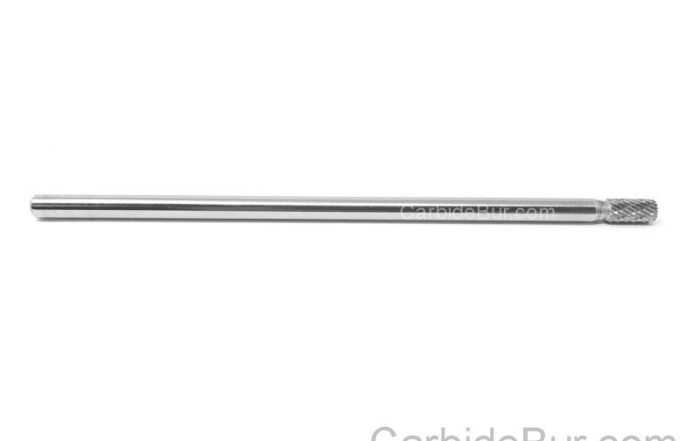
Long Shank Carbide Burrs: When Do You Need One?
Long Shank Carbide Burrs: When Do You Need One? Most machinists overlook the power of long shank carbide burrs until a project demands precision in tight spaces. When your usual tools can’t reach intricate contours, [...]
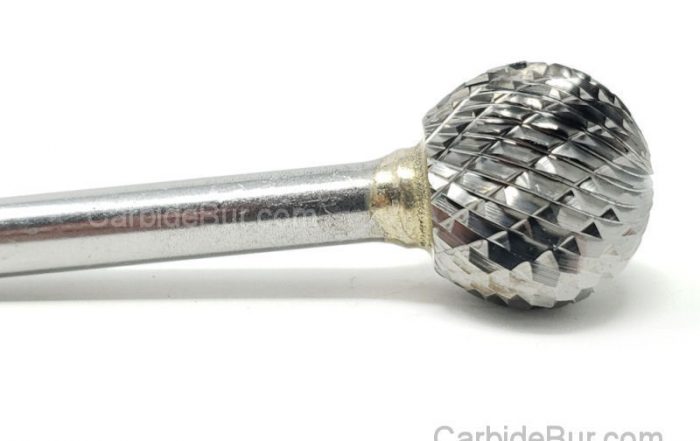
How Deep Can a Carbide Burr Cut Metal?
How Deep Can a Carbide Burr Cut Metal? Carbide burrs often get praised for their precision, but many users hit a wall wondering how deep they can actually cut metal. The truth is, cutting depth [...]
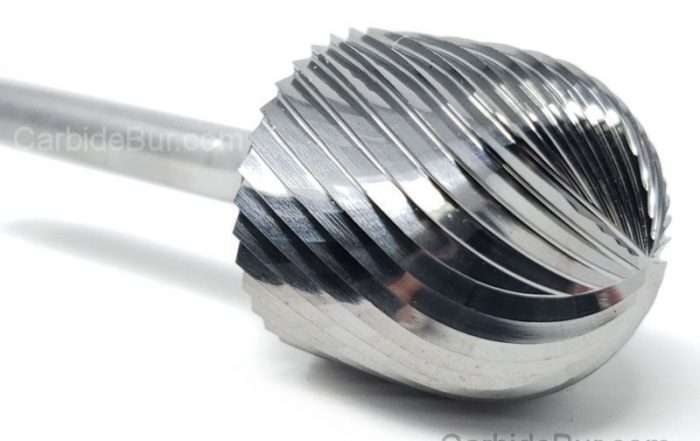
How to Use Carbide Burrs for Port Matching
How to Use Carbide Burrs for Port Matching Most engine builds hit a wall when airflow doesn’t flow smoothly between the ports and manifolds. If your engine isn’t breathing right, your performance stalls. Using the [...]
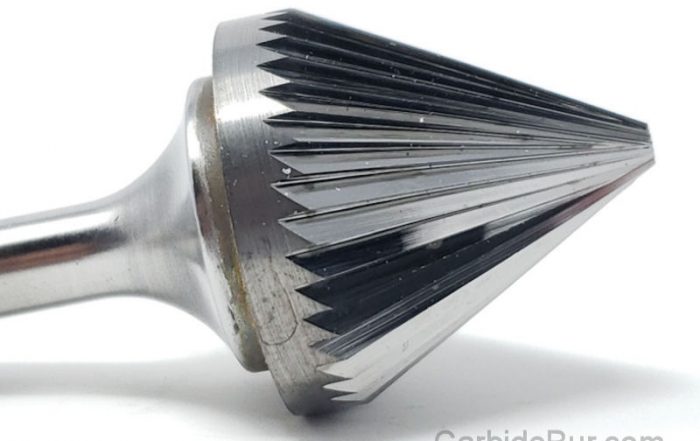
Best Carbide Burr for Porting Intake Manifolds
Best Carbide Burr for Porting Intake Manifolds Porting intake manifolds can make or break your engine’s airflow, yet many struggle with the right tools for the job. Choosing the best carbide burrs is key to [...]
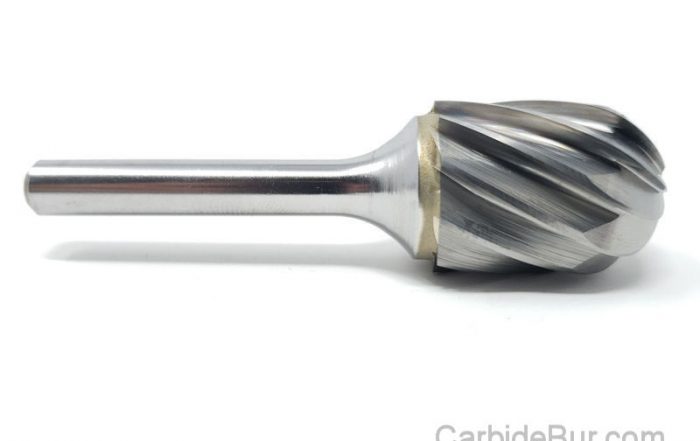
Best Carbide Burr for Concave Surfaces
Best Carbide Burr for Concave Surfaces Concave surfaces can turn a straightforward project into a frustrating challenge if you don’t have the right tool. Carbide burrs designed for these tricky curves make all the difference [...]
How to Grind a Slot in Metal With a Carbide Burr
How to Grind a Slot in Metal With a Carbide Burr Grinding a precise slot in metal can feel like a tricky task, especially if you’re unsure which tools to trust. Carbide burr grinding offers [...]
