
Precision Cutting with Carbide Burrs: Essential Tips for Welders
Most welders struggle to get clean, precise cuts with their carbide burrs. Using the wrong burr or cutting angle can waste time and ruin metal surfaces. This guide breaks down carbide burr techniques that sharpen your metalworking skills, covering burr selection, cutting angles, and speed settings. Master these tips to improve your welding efficiency and finish every job with confidence. For more information, visit this link.
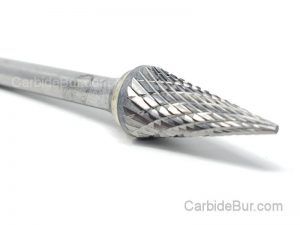
Click here for our entire selection of carbide bur tools
Mastering Carbide Burr Techniques
Choosing the right burr takes your metalworking to the next level. With the correct tools, precision and efficiency come naturally. Let’s dive into some key aspects of using carbide burrs.
Choosing the Right Burr
Selecting the correct burr is crucial for effective cutting. The shape and size of your burr should match the task at hand. For instance, a tapered burr is perfect for fine details, while a cylindrical burr excels in removing bulk material. Remember, the right burr not only saves time but also ensures a cleaner finish.
It’s easy to feel overwhelmed by choices, but a simple rule is: match the burr to the material. Hard metals like stainless steel require a tougher burr, such as a tungsten carbide burr. For softer metals, a less aggressive tool works best. Check out this guide to understand more about burr selection.
Effective Cutting Angles
Cutting angles matter more than you think. Using the wrong angle can lead to uneven cuts and damaged surfaces. A 15 to 30-degree angle is ideal for most metalworking tasks. This range allows for smooth, controlled cuts without excessive pressure.
Imagine you’re slicing through butter. The angle of your knife makes a difference, right? Similarly, adjusting your cutting angle can be a game-changer. Practice on scrap metal to find the sweet spot that suits your style and material.
Optimal Speed Settings
Speed settings can make or break your project. Too fast, and you risk losing control; too slow, and you waste time. Most carbide burrs perform best between 5,000 to 25,000 RPM. This range balances control and speed, giving you a crisp finish.
Each material responds differently to speed. For example, aluminum requires slower speeds to prevent clogging, while steel can handle a bit more intensity. Experiment with different speeds to see what works best for your material.
Enhancing Metalworking Skills
Improving your skills involves more than just practice. It requires understanding your tools and how to use them effectively. Let’s explore how precision and efficiency can make a difference.
Precision Cutting for Better Results
Precision is the cornerstone of quality metalwork. Using carbide burrs correctly ensures each cut is clean and deliberate. This means fewer mistakes and a smoother finish. Fine-tuning your approach can make your work stand out.
Most welders assume faster is better, but precision often trumps speed. By focusing on accuracy, you achieve superior results. Remember, a precise cut today saves time on reworks tomorrow. Learn more about precision techniques here.
Improving Welding Efficiency
Efficiency in welding is not just about speed; it’s about smart work. With the right techniques, you can streamline your process. This means less effort and better outcomes. Efficient practices reduce waste and enhance productivity.
Think of efficiency as maximizing your resources. The right burr, angle, and speed save time and improve quality. Next time you weld, plan your approach. A little preparation goes a long way in boosting efficiency.
Practical Tips for Welders
Let’s wrap up with some actionable tips every welder should know. These insights will help you refine your technique and maintain your tools.
Burr Selection for Various Materials
Different materials require different approaches. For hard metals, choose a double cut carbide burr. It offers a smooth finish and better control. For softer metals, a single cut burr is sufficient. Matching the burr to the material optimizes performance.
Consider this: using a burr not suited for the material can lead to poor results. Test different burrs on scrap pieces to find the best match. Check out these tips for more insights on burr selection.
Maintaining Your Carbide Burr Set
Maintenance is key to longevity. Clean your burrs after each use to prevent debris buildup. This keeps them sharp and ready for the next job. Regular checks ensure that your tools remain in top condition.
A well-maintained burr set means fewer replacements and consistent results. Invest time in care now to avoid bigger problems later. Keep your tools sharp, and they will serve you well for years to come.
By mastering these carbide burr techniques, you equip yourself for success. Precision, efficiency, and proper maintenance pave the way to exceptional metalworking. Keep refining your skills, and watch your projects shine.
Click here for our entire selection of carbide bur tools
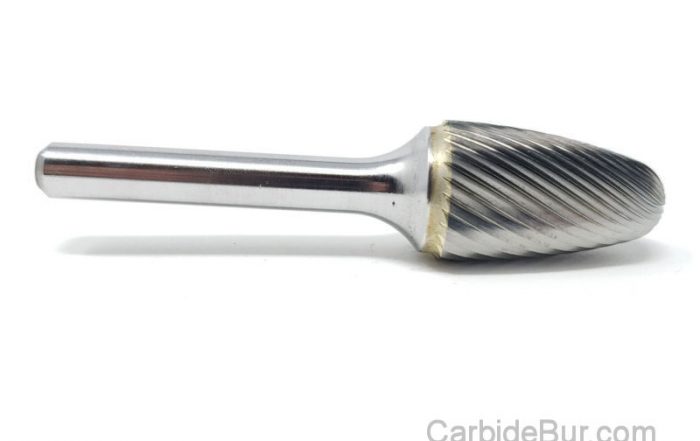
How to Grind a Groove in Metal With a Carbide Burr
How to Grind a Groove in Metal With a Carbide Burr Most metalworkers struggle to cut clean grooves without wasting time or ruining their workpiece. Many try different metalworking tools but end up with uneven [...]
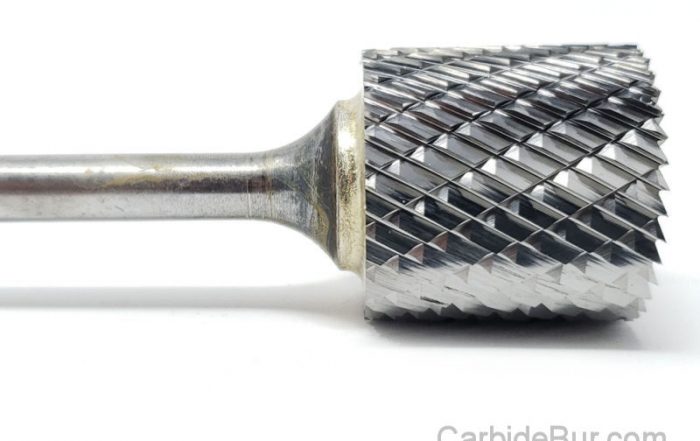
Can Carbide Burrs Cut Through Welds?
Can Carbide Burrs Cut Through Welds? Cutting through welds can feel like a battle, especially when you need clean results without harming the base metal. Carbide burrs offer a sharp edge in this fight, but [...]
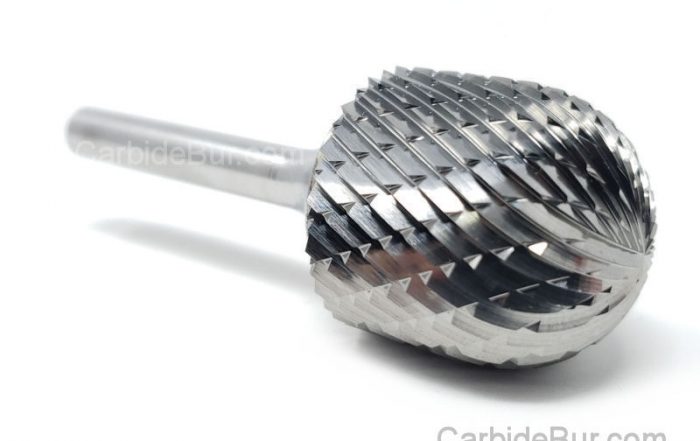
How to Use a Carbide Burr With a Die Grinder
How to Use a Carbide Burr With a Die Grinder Most people treat a carbide burr like just another tool, but using it with a die grinder takes skill. If you’ve struggled with burr installation [...]
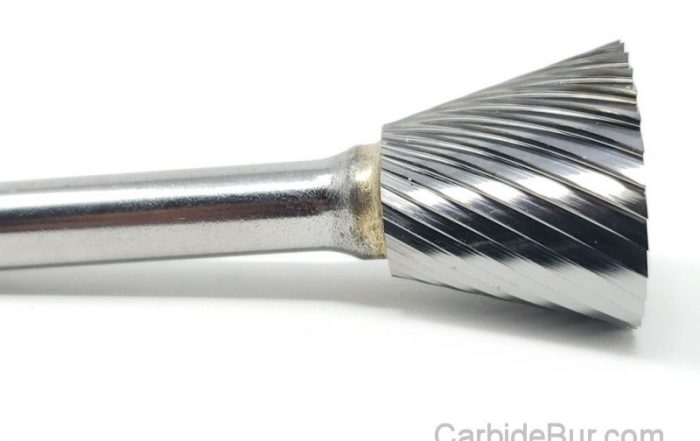
1/8 vs 1/4 Inch Carbide Burrs: What’s the Difference?
1/8 vs 1/4 Inch Carbide Burrs: What's the Difference? Choosing between a 1/8 inch carbide burr and a 1/4 inch carbide burr can change how your project turns out. Many machinists and hobbyists overlook how [...]
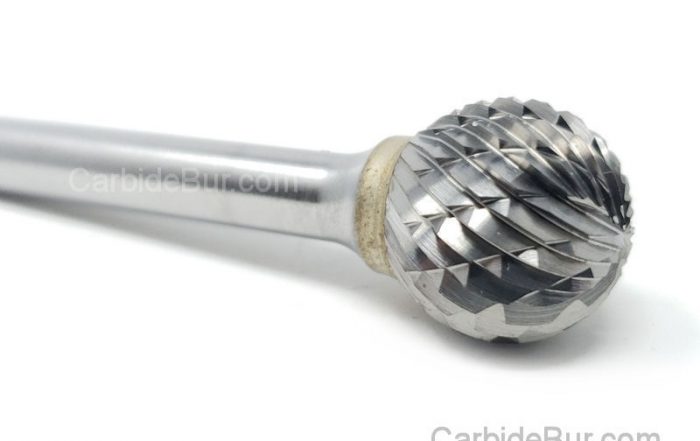
Best Carbide Burr for Removing Flash From Castings
Best Carbide Burr for Removing Flash From Castings Removing flash from castings is a task that can slow down your entire metalworking process if you don’t have the right tools. Picking the best carbide burr [...]
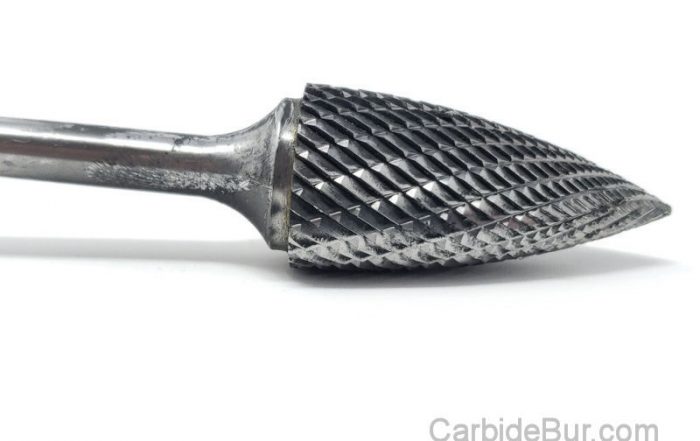
What RPM Should You Use for a 1/4 Inch Carbide Burr?
What RPM Should You Use for a 1/4 Inch Carbide Burr? Most machinists guess the right speed for a 1/4 inch carbide burr and hope for the best. Using the wrong carbide burr RPM can [...]
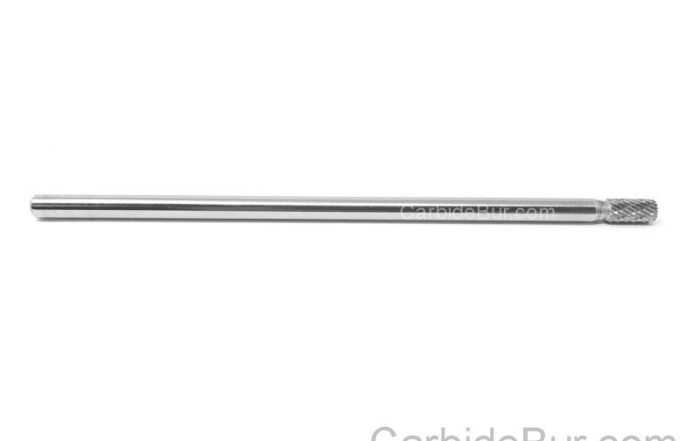
Long Shank Carbide Burrs: When Do You Need One?
Long Shank Carbide Burrs: When Do You Need One? Most machinists overlook the power of long shank carbide burrs until a project demands precision in tight spaces. When your usual tools can’t reach intricate contours, [...]
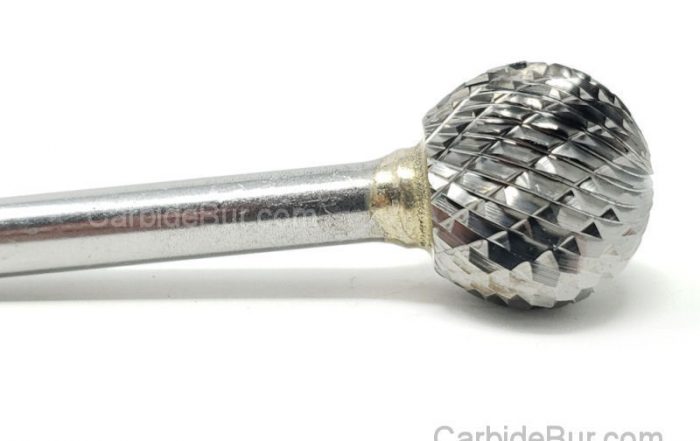
How Deep Can a Carbide Burr Cut Metal?
How Deep Can a Carbide Burr Cut Metal? Carbide burrs often get praised for their precision, but many users hit a wall wondering how deep they can actually cut metal. The truth is, cutting depth [...]
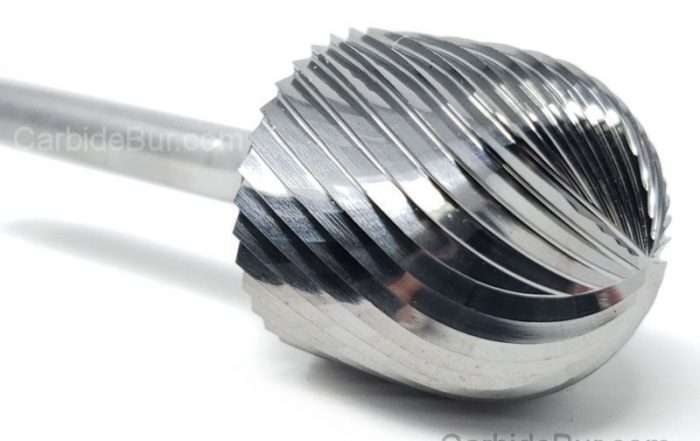
How to Use Carbide Burrs for Port Matching
How to Use Carbide Burrs for Port Matching Most engine builds hit a wall when airflow doesn’t flow smoothly between the ports and manifolds. If your engine isn’t breathing right, your performance stalls. Using the [...]
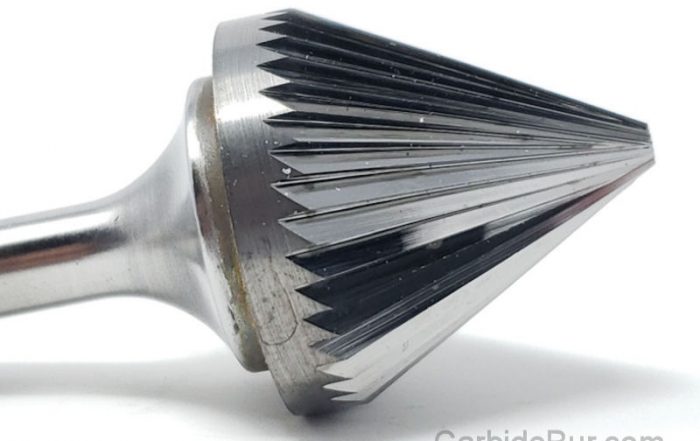
Best Carbide Burr for Porting Intake Manifolds
Best Carbide Burr for Porting Intake Manifolds Porting intake manifolds can make or break your engine’s airflow, yet many struggle with the right tools for the job. Choosing the best carbide burrs is key to [...]
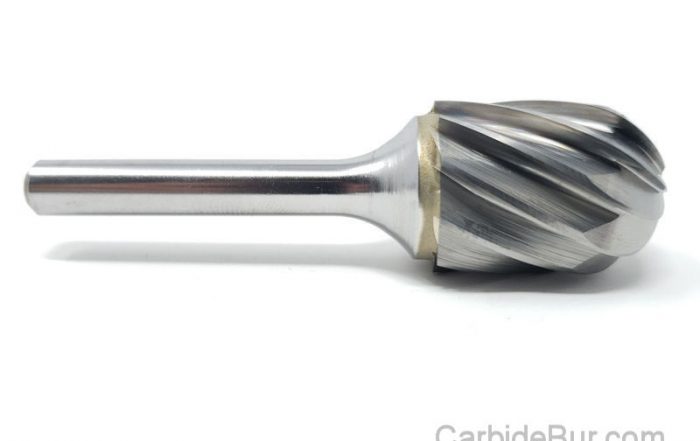
Best Carbide Burr for Concave Surfaces
Best Carbide Burr for Concave Surfaces Concave surfaces can turn a straightforward project into a frustrating challenge if you don’t have the right tool. Carbide burrs designed for these tricky curves make all the difference [...]
How to Grind a Slot in Metal With a Carbide Burr
How to Grind a Slot in Metal With a Carbide Burr Grinding a precise slot in metal can feel like a tricky task, especially if you’re unsure which tools to trust. Carbide burr grinding offers [...]
