
Mastering Metal Finishing: How Different Burr Shapes Can Improve Your Deburring Projects
Metal deburring often feels like a tedious task that slows down your projects. Using the right carbide burrs can change that by cutting through rough edges faster and cleaner. Understanding which burr shapes suit each job will save you time and frustration while improving your metal finishing results. Let’s break down how to make your deburring techniques sharper and safer for every metalworking challenge. Explore more about carbide burrs here.
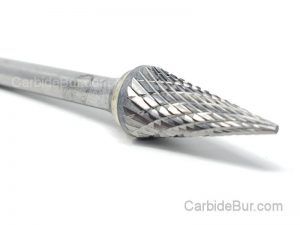
Click here for our entire selection of carbide bur tools
Exploring Carbide Burrs
When it comes to metal deburring, having the right tools makes all the difference. Carbide burrs are essential for smoothing out those rough edges efficiently. But what exactly makes these tools so valuable?
Understanding Metal Deburring
Metal deburring isn’t just about aesthetics; it’s about safety and precision. Rough edges can cause injuries and affect how components fit together. You need a tool that can handle hard metals like steel and softer materials like aluminum. Carbide burrs come in handy because they are versatile and durable, making them ideal for various metalworking tasks. Whether you’re working on a large-scale industrial project or a DIY task in your garage, understanding how to properly use these tools can save you time and effort.
Benefits of Tungsten Carbide Burrs
Tungsten carbide burrs stand out for their strength and longevity. They can withstand high temperatures and remain sharp longer than other materials. This means fewer tool changes and reduced downtime in your workflow. For those who often tackle challenging metal projects, having a reliable tool like a tungsten carbide bur can significantly enhance productivity. Plus, they’re available in sets, giving you a range of options for different jobs. Explore a variety of carbide burr sets to find the perfect fit for your needs.
Shape Matters in Metal Finishing
Now that we’ve covered the basics, let’s dive into why the shape of your burr matters. The right shape can make your deburring more efficient and precise.
Choosing the Right Burr Shape
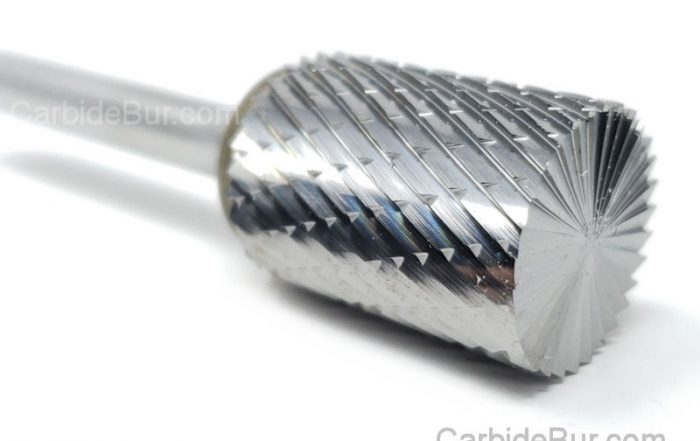
Selecting the appropriate burr shape is crucial for achieving the desired finish. Different shapes cater to various tasks. For instance, a cylindrical burr is best for contouring, while a ball-shaped burr can handle intricate designs. Think about the specific metalwork challenge you face and match it with the burr shape that offers the most precision. When you choose wisely, you not only improve efficiency but also the quality of your work.
Double Cut vs. Single Cut Burrs
Double cut and single cut burrs each have their place in metalworking. Double cut carbide burrs offer a smoother finish because they remove material at a slower rate, making them ideal for detailed work. On the other hand, single cut burrs are perfect for rapid material removal. Knowing when to use each type is key. It’s a common misconception that one type fits all tasks, but understanding these differences can elevate your metalwork to a new level. Discover double cut carbide burs to see which suits your project best.
Techniques for Safe Deburring
Safety in deburring is about more than just wearing protective gear. It’s about mastering techniques that keep you safe and improve results.
Best Practices for Metalwork Solutions
Proper technique is essential in metal finishing. Always secure your workpiece and hold your rotary tool with a firm grip. These simple practices help you maintain control, reducing the risk of accidents. Additionally, working in a well-lit environment allows you to see your progress clearly, ensuring you don’t overdo any area. Implementing these practices not only protects you but also enhances the overall quality of your work.
Overcoming Common Deburring Challenges
Deburring isn’t without its challenges. One common issue is tool chatter, which can lead to uneven finishes. To overcome this, ensure your burr is sharp and replace it when necessary. Another problem is overheating, which can damage both the tool and the workpiece. To prevent this, work in short bursts and allow the tool to cool down. These strategies can significantly improve your metalworking efficiency and safety. For more tips, explore advanced carbide burr techniques.
Mastering the art of metal deburring with carbide burrs can truly streamline your projects. By understanding the importance of shapes and cuts, you can tackle any challenge with confidence and precision.
Click here for our entire selection of carbide bur tools
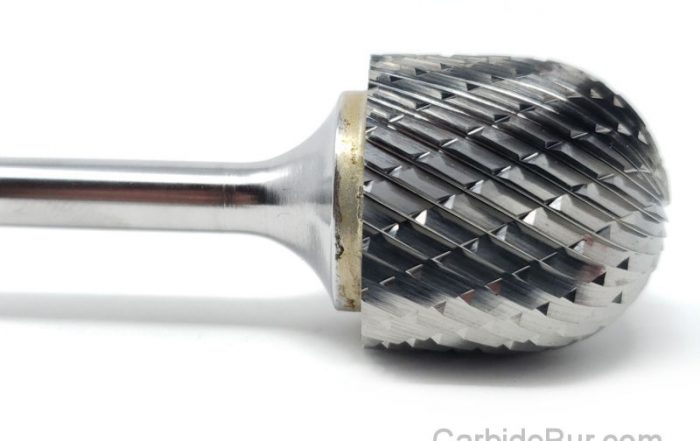
Are Expensive Carbide Burrs Worth It? Comparing Price and Performance
Are Expensive Carbide Burrs Worth It? Comparing Price and Performance When shopping for carbide burrs, it's easy to assume that the cheapest option saves money. But if you use rotary cutting tools regularly for welding, [...]
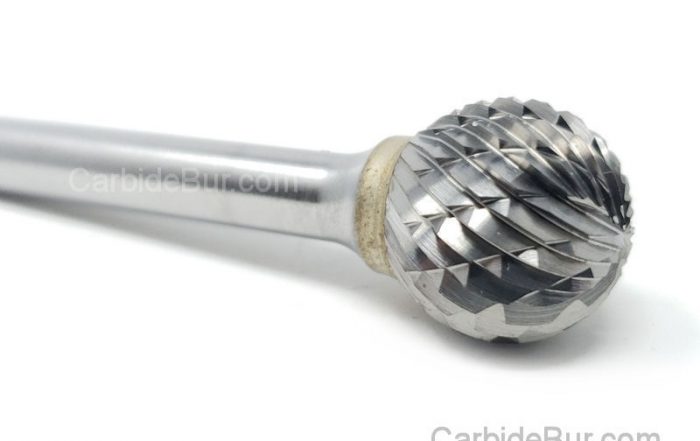
Carbide Burr vs. Grinding Stone: Which Is Better for Metal Removal?
Carbide Burr vs. Grinding Stone: Which Is Better for Metal Removal? When you need to remove metal, smooth a rough edge, or shape a metal component, two common options are carbide burrs and grinding stones. [...]
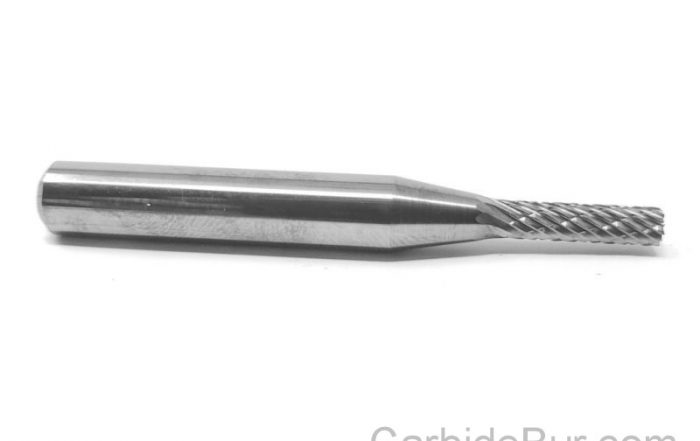
Carbide Burr Safety: RPM, Eye Protection, and Common Mistakes
Carbide Burr Safety: RPM, Eye Protection, and Common Mistakes Carbide burrs are versatile cutting tools used for metal fabrication, welding cleanup, engine porting, deburring, and general material removal. When used correctly, they can help remove [...]
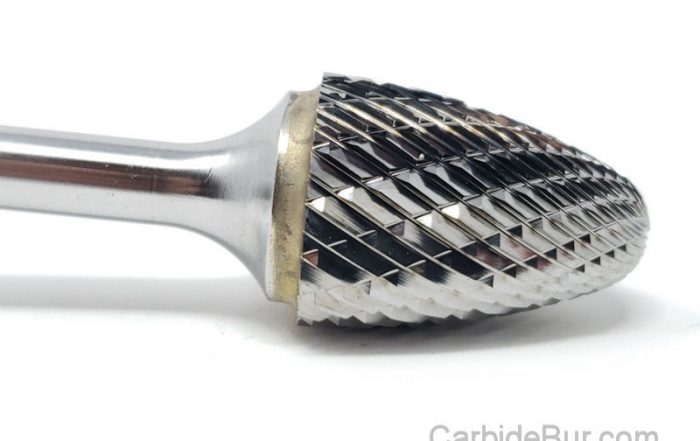
How to Stop Aluminum from Clogging Your Carbide Burr
How to Stop Aluminum from Clogging Your Carbide Burr Aluminum is widely used in automotive work, welding, metal fabrication, aerospace components, and general machining. It is lightweight, relatively easy to machine, and versatile across many [...]
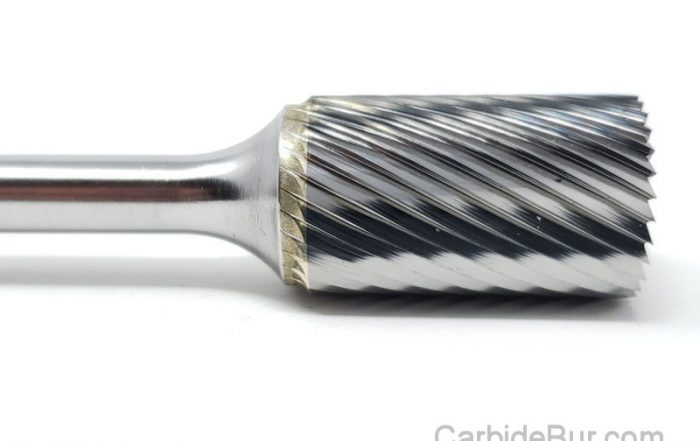
Carbide Burrs for Intake Manifolds: Shaping, Cleanup, and Fitment
Carbide Burrs for Intake Manifolds: Shaping, Cleanup, and Fitment Intake manifold work often involves more than simply bolting a component onto an engine. Depending on the application, metal intake components may have casting irregularities, rough [...]
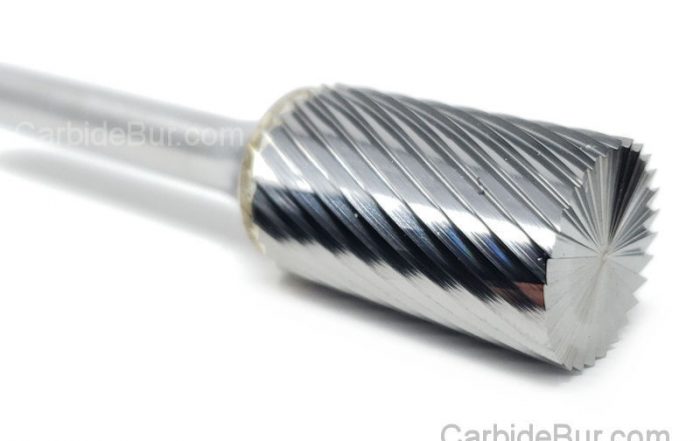
Why Long-Shank Carbide Burrs Are Useful for Hard-to-Reach Areas
Why Long-Shank Carbide Burrs Are Useful for Hard-to-Reach Areas When working on metal parts, the area that needs grinding or shaping is not always easy to reach. Recessed openings, deep cavities, interior surfaces, and complicated [...]
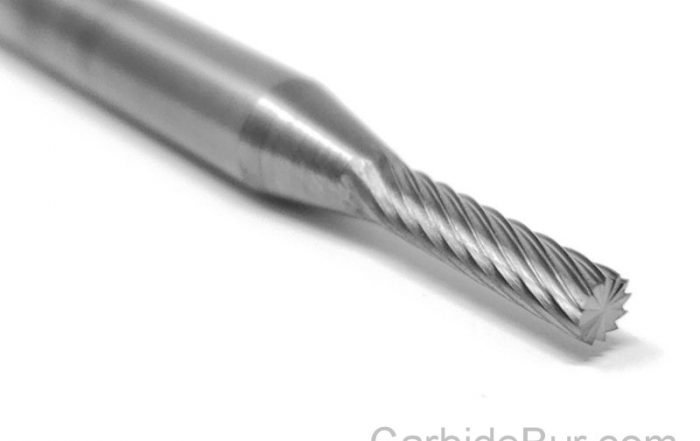
Choosing Carbide Burrs for Stainless Steel Fabrication
Choosing Carbide Burrs for Stainless Steel Fabrication Stainless steel is widely used in fabrication because of its corrosion resistance, strength, and durability. However, those same properties can make it challenging to machine and finish. Removing [...]
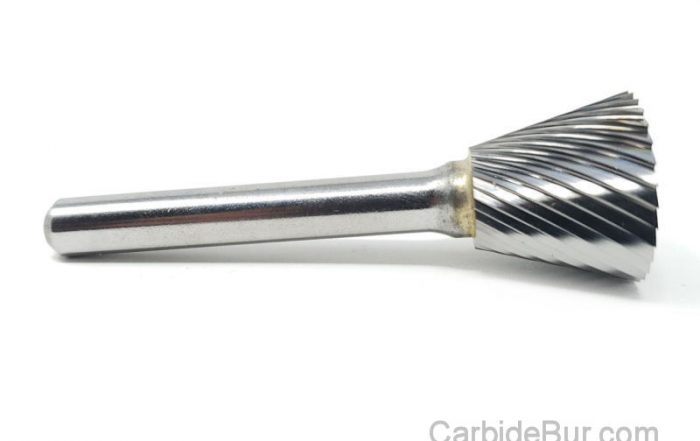
Can You Use Carbide Burrs in a Dremel? Shank Sizes Explained
Can You Use Carbide Burrs in a Dremel? Shank Sizes Explained If you use a Dremel or another rotary tool for detail work, metal shaping, or small fabrication projects, you may wonder whether you can [...]
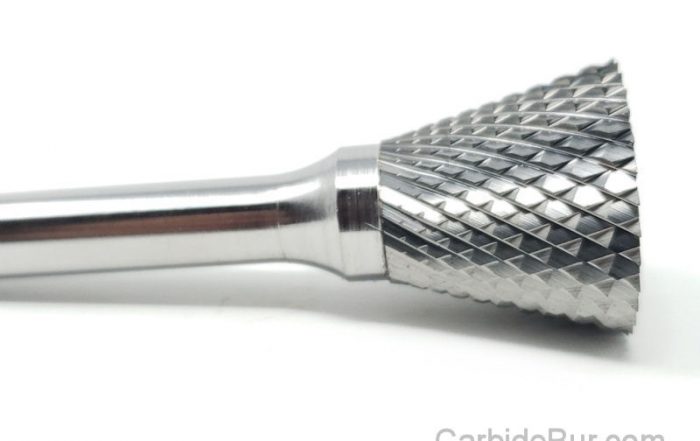
How to Choose the Best Carbide Burr for Welding and Metal Fabrication
How to Choose the Best Carbide Burr for Welding and Metal Fabrication Welding and metal fabrication often require more than joining two pieces of metal together. Once the welding is finished, fabricators frequently need to [...]
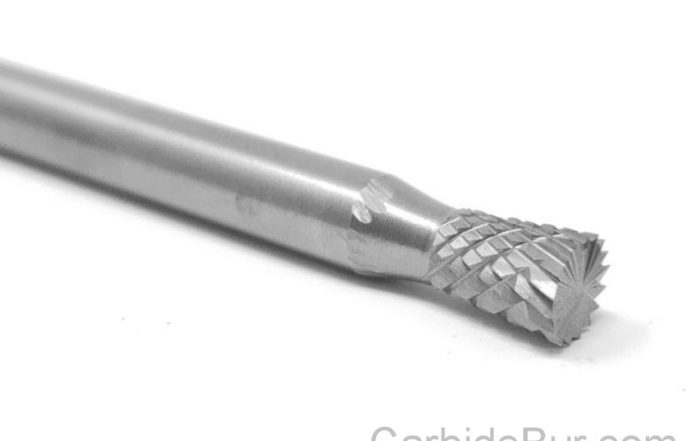
Carbide Burrs for Cylinder Heads: What Automotive Enthusiasts Need to Know
Carbide Burrs for Cylinder Heads: What Automotive Enthusiasts Need to Know Cylinder head work is an important part of engine building, restoration, and performance machining. Whether you are cleaning up casting imperfections, refining port surfaces, [...]
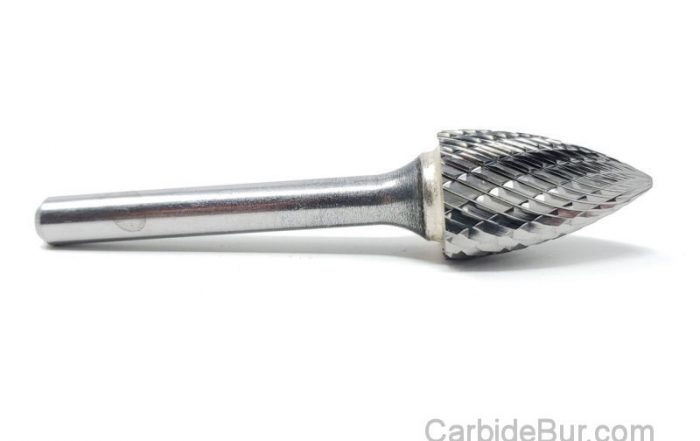
Engine Porting 101: How Carbide Burrs Help Shape Cylinder Head Ports
Engine Porting 101: How Carbide Burrs Help Shape Cylinder Head Ports Engine performance enthusiasts, automotive machinists, and engine builders often look for ways to improve airflow through an engine's cylinder heads. One technique used in [...]
When to Use a 4-Inch or 9-Inch Die Grinder Extension
When to Use a 4-Inch or 9-Inch Die Grinder Extension Metal fabrication, welding, automotive repair, and engine building often require working in places where a standard die grinder and carbide burr cannot easily reach. Recessed [...]
