
Mastering Carbide Burs Maintenance: Tips for Welders to Extend Tool Life
You spend hours welding only to find your carbide burs dull and clogged. Neglecting proper carbide burs maintenance cuts their lifespan and drags down your work quality. This guide breaks down smart cleaning, storing, and sharpening tips that keep your burs sharp and ready, so you can get the most out of your welding tools every time. Learn more.
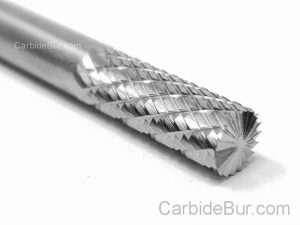
Which carbide bur tools do you use the most?
Effective Cleaning Strategies
Keeping your carbide burs clean is the first step in ensuring they perform well every time you use them. Let’s explore how to keep your burs debris-free.
Removing Debris Efficiently
Debris can be a real nuisance, but tackling it doesn’t have to be a chore. Start by using a soft brush to gently dislodge any metal shavings or particles. This simple step can make a huge difference in maintaining your tools. If stubborn debris persists, soaking the burs in a mild solvent for a short time can help dissolve any build-up without damaging the tool. Remember to dry them completely after this process. This method helps you keep your carbide burs in top shape for longer, reducing the time and money spent on replacements.
Most people believe that regular rinsing is enough, but using a compressed air can blow away hidden particles. This tactic ensures nothing is left behind. By adopting these techniques, you’ll notice an immediate improvement in your tools’ performance, giving you cleaner cuts and smoother finishes. More tips here.
Preventing Clogging Issues
Clogging can be a major issue, yet it’s entirely preventable with some foresight. Use a lubricant while working to minimize material sticking to your burs. This not only keeps them cleaner but also extends their life. You might think lubricants are only for large machinery, but they work wonders even on small tools.
After each use, inspect your carbide burs. This quick check allows you to spot potential clogs before they become a problem. A few minutes of attention here can save hours of frustration down the line. If you regularly clean and inspect your tools, you’ll find that they stay efficient and ready for whatever job comes next. Discover more strategies.
Proper Storage Techniques
Once your burs are clean, it’s crucial to store them properly to avoid damage. The right storage can protect and preserve your tools, ensuring they’re ready when you need them.
Protecting Against Environmental Damage
Environmental factors like moisture and dust can wreak havoc on carbide burs. To combat this, store them in a dry, cool place. Consider using a sealed container or a specialized bur case to shield them from the elements. This prevents rust and corrosion, which are enemies of tool longevity. By investing in a proper storage solution, you protect your investment and ensure your tools last longer.
Some welders underestimate the impact of humidity, but it can significantly degrade your tools over time. Regularly check where you store your burs to avoid these issues. Ensuring a controlled environment is a small change that can make a big difference in maintaining your tools. Learn why it matters.
Organizing for Easy Access
An organized workspace is a productive one. Keep your carbide burs sorted by size and type in a dedicated drawer or rack. Labeling helps quickly find the right tool for the job, saving you time and hassle. Being organized doesn’t just make work easier; it prevents unnecessary wear on your tools by reducing the risk of damage from knocks and drops.
Many think throwing tools in a drawer is fine, but this can lead to accidental damage. Proper organization keeps everything orderly, so you’re always ready for the next project. This approach ensures that your burs are not only protected but also easy to access whenever you need them.
Sharpening Techniques for Longevity
Even with the best care, carbide burs will eventually dull. Knowing how to sharpen them effectively can extend their life and keep them performing at their best.
Restoring Cutting Efficiency
Sharpening your carbide burs might seem daunting, but it’s quite manageable with the right approach. Use a diamond wheel grinder for the best results. This tool can precisely hone the edges of your burs, restoring their cutting power. Be sure to follow safety protocols, including wearing protective eyewear and gloves.
Some might assume that sharpening is a professional-only task, but with practice, you can handle it yourself. Regular sharpening ensures your burs remain sharp and ready, enhancing your welding tool care routine. This small effort can lead to significant savings by reducing the need for replacements. Sharpening tips.
Ensuring Versatile Application
Keeping your burs sharp isn’t just about cutting efficiency; it also enables versatile applications. A well-maintained bur can handle different materials and tasks, which is crucial for any welder. Regularly sharpened tools provide clean, precise cuts, which can significantly improve your work’s quality.
Many people believe that one bur fits all, but having a range of sharp tools tailored to specific tasks can greatly enhance your work. By maintaining your burs properly, you ensure they’re versatile and prepared for any project. This approach not only optimizes your workflow but also maximizes your productivity and satisfaction.
By following these guidelines, you empower yourself to maintain your tools effectively, ensuring they serve you well in every welding project.
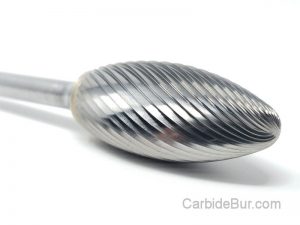
Looking for Carbide Bur Tools?
Check out our entire selection of USA made carbide bur die grinder tool bits
Follow us on Twitter

Return to CarbideBur.com
Carbide Burs – 1/4″ on 1/8″ Shanks – Accessories – Aluminum Cut – Bur Sets – End Mills – Long Shank – Solid Burs
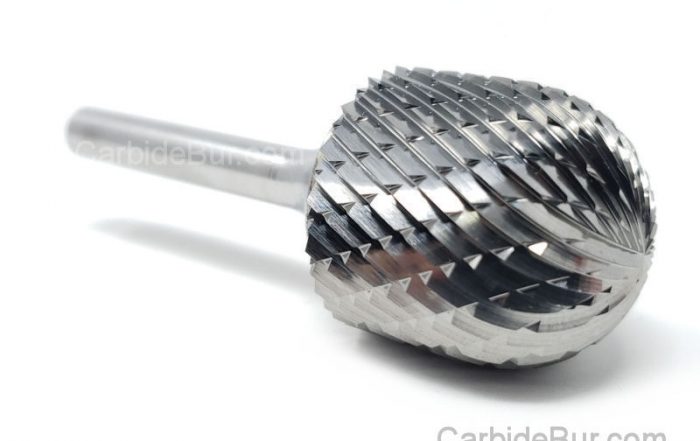
How to Use a Carbide Burr With a Die Grinder
How to Use a Carbide Burr With a Die Grinder Most people treat a carbide burr like just another tool, but using it with a die grinder takes skill. If you’ve struggled with burr installation [...]
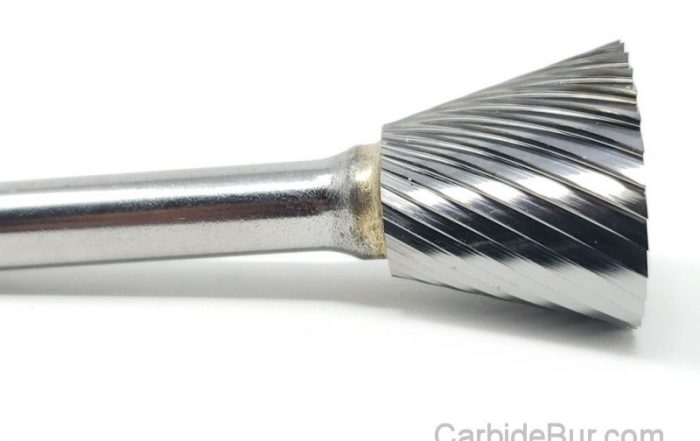
1/8 vs 1/4 Inch Carbide Burrs: What’s the Difference?
1/8 vs 1/4 Inch Carbide Burrs: What's the Difference? Choosing between a 1/8 inch carbide burr and a 1/4 inch carbide burr can change how your project turns out. Many machinists and hobbyists overlook how [...]

Best Carbide Burr for Removing Flash From Castings
Best Carbide Burr for Removing Flash From Castings Removing flash from castings is a task that can slow down your entire metalworking process if you don’t have the right tools. Picking the best carbide burr [...]
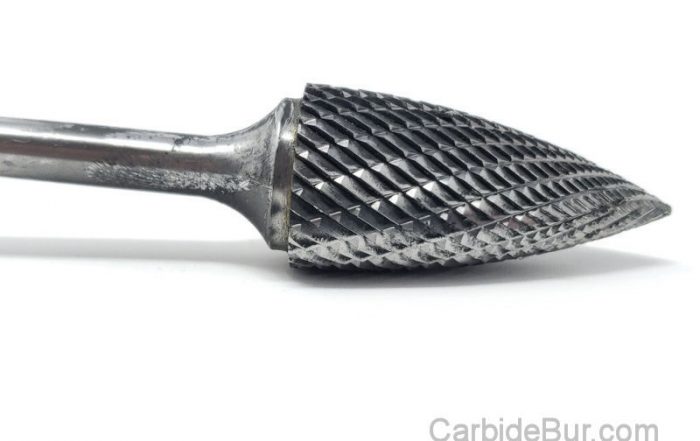
What RPM Should You Use for a 1/4 Inch Carbide Burr?
What RPM Should You Use for a 1/4 Inch Carbide Burr? Most machinists guess the right speed for a 1/4 inch carbide burr and hope for the best. Using the wrong carbide burr RPM can [...]
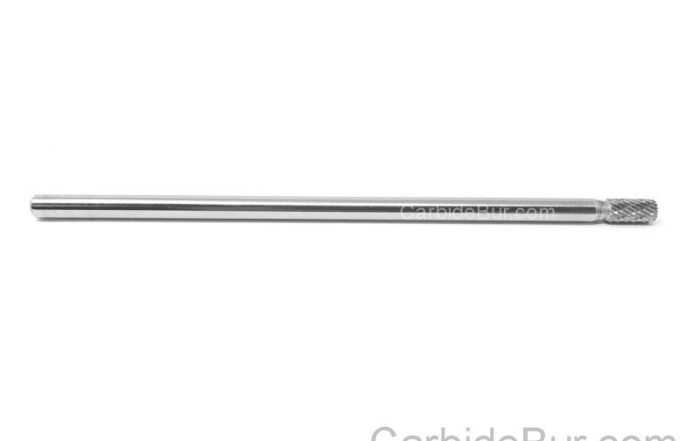
Long Shank Carbide Burrs: When Do You Need One?
Long Shank Carbide Burrs: When Do You Need One? Most machinists overlook the power of long shank carbide burrs until a project demands precision in tight spaces. When your usual tools can’t reach intricate contours, [...]
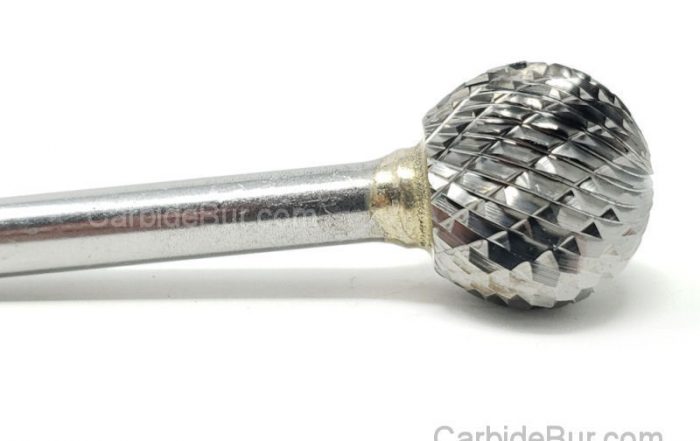
How Deep Can a Carbide Burr Cut Metal?
How Deep Can a Carbide Burr Cut Metal? Carbide burrs often get praised for their precision, but many users hit a wall wondering how deep they can actually cut metal. The truth is, cutting depth [...]
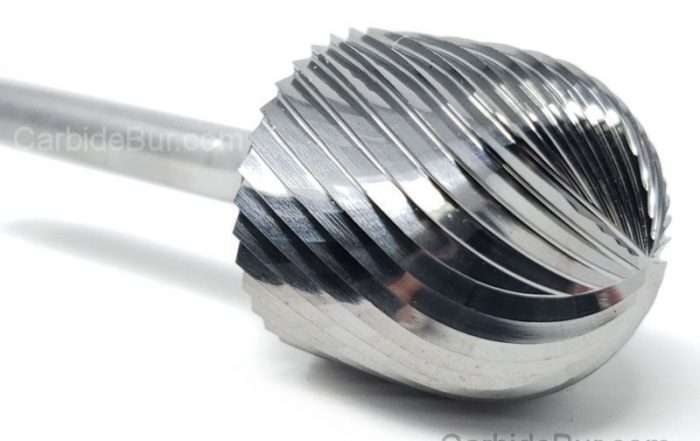
How to Use Carbide Burrs for Port Matching
How to Use Carbide Burrs for Port Matching Most engine builds hit a wall when airflow doesn’t flow smoothly between the ports and manifolds. If your engine isn’t breathing right, your performance stalls. Using the [...]
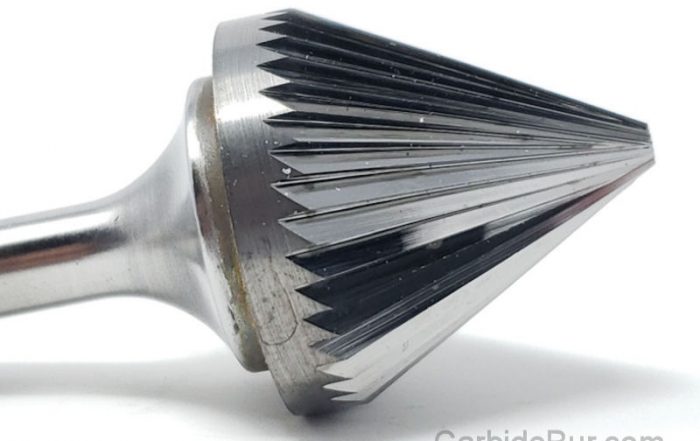
Best Carbide Burr for Porting Intake Manifolds
Best Carbide Burr for Porting Intake Manifolds Porting intake manifolds can make or break your engine’s airflow, yet many struggle with the right tools for the job. Choosing the best carbide burrs is key to [...]
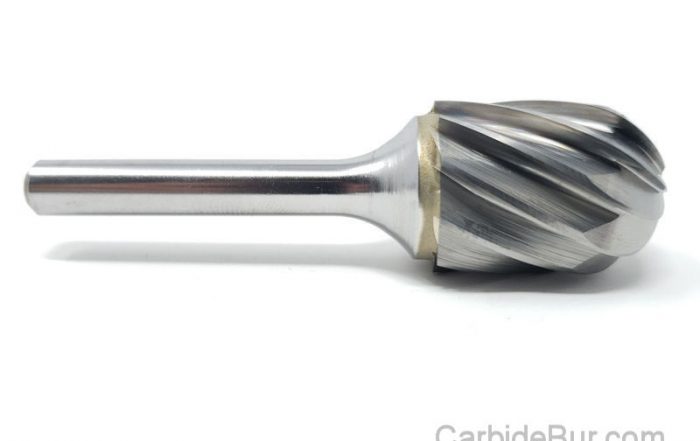
Best Carbide Burr for Concave Surfaces
Best Carbide Burr for Concave Surfaces Concave surfaces can turn a straightforward project into a frustrating challenge if you don’t have the right tool. Carbide burrs designed for these tricky curves make all the difference [...]
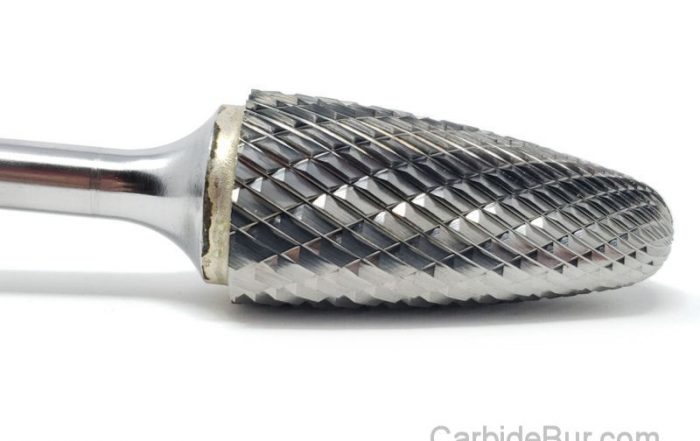
How to Grind a Slot in Metal With a Carbide Burr
How to Grind a Slot in Metal With a Carbide Burr Grinding a precise slot in metal can feel like a tricky task, especially if you’re unsure which tools to trust. Carbide burr grinding offers [...]

Best Carbide Burr for Inside Corners
Best Carbide Burr for Inside Corners Working in tight inside corners can turn even simple projects into frustrating tasks. Many carbide burrs just don’t fit or cut cleanly where you need them most. The best [...]
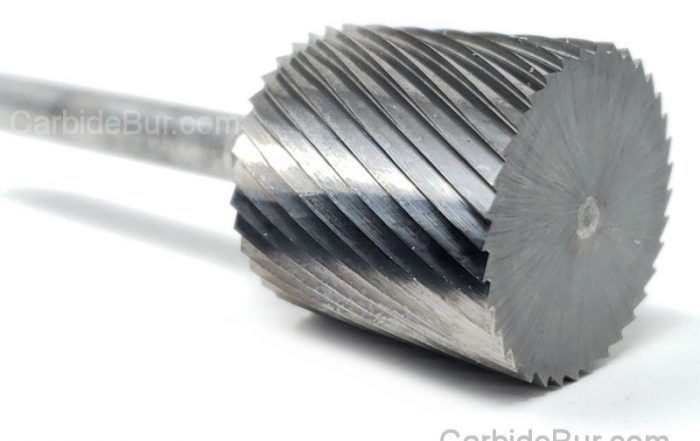
What Size Carbide Burr Do I Need?
What Size Carbide Burr Do I Need? Picking the wrong carbide burr can turn a simple project into a frustrating mess. You might have the best machining tools but still miss the mark if your [...]
