
From Cylindrical to Tapered: Choosing the Right Burr Shape for a Flawless Welding Finish
TIG weld cleanup can make or break your welding finish. Choosing the wrong burr shape wastes time and leaves rough edges that stand out. Knowing when to use cylindrical, tapered, or ball-shaped burrs changes how clean and smooth your joints look. This guide breaks down burr shapes, sizes, and material tips so you get precise results every time. For more information, check out this guide.
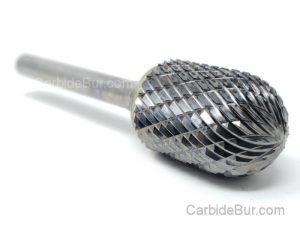
Have you tried our Carbide Burs for your job?
Understanding Burr Shapes
Getting the right burr shape can transform your welding results. Let’s delve into how different shapes contribute to a smoother finish.
Cylindrical Burrs Explained
Cylindrical burrs are a staple in the welding world. They offer great control and are perfect for flat surfaces. Imagine you’re working on a straight edge: this tool will glide smoothly, taking off excess material without ruining your work. Its precise shape means fewer mistakes, so you’ll spend less time fixing errors. Use cylindrical burrs for general cleaning tasks, as they shine in areas where straight lines dominate. Check out more about these burrs in this article.
Tapered Burrs for Precision
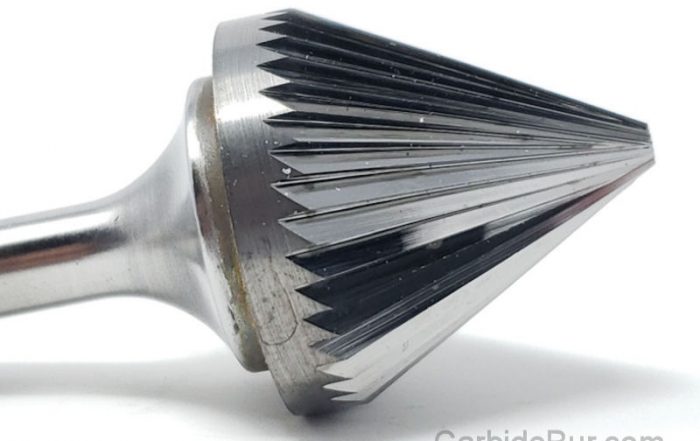
When it comes to precision, tapered burrs are your best friend. Think of those tight corners or awkward angles that need just a bit of touch-up. Tapered burrs are designed to reach places where other shapes can’t. Their pointed ends allow for accuracy, making them ideal for detailed work. You can use them to get into crevices without damaging surrounding areas. If you’re looking to refine your skills, tapered burrs are essential. Learn more about their uses here.
Exploring Ball-Shaped Burrs
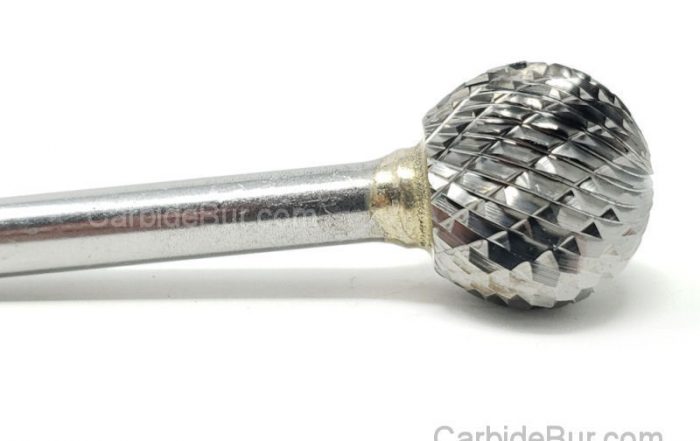
Ball-shaped burrs are unique and versatile. They allow you to work on curved surfaces effortlessly. Picture a rounded edge that needs smoothing: this burr offers a natural motion, making it perfect for such tasks. It reduces the risk of gouging, which is common with other shapes. Ball-shaped burrs are excellent for adding final touches. Whether it’s creating a rounded edge or smoothing out a weld bead, these burrs provide a flawless finish. Discover more insights on ball-shaped burrs in this guide.
Importance of Burr Size Selection
Choosing the right burr size is as critical as selecting the shape. It impacts your final welding finish and the ease of your work.
Choosing the Right Size
Size matters when it comes to burrs. A larger burr can cover more area quickly, but it might lack precision. Conversely, a smaller burr provides detail work but can be time-consuming on large surfaces. Consider the task at hand: are you focusing on a small detail, or is it more about covering ground? The right size ensures efficiency and precision. For more details on burr sizes, visit this source.
Impact on Welding Finish
The size of your burr directly affects the welding finish. Using an oversized burr on detailed work can damage your project, leading to more time spent fixing mistakes. Conversely, a too-small burr on large areas means wasted time. Achieving a smooth finish requires matching the burr size to the specific job. Think of it as selecting the right tool for the task: it’s essential for achieving that perfect, polished look.
Material Compatibility
Different metals interact differently with burrs. Understanding these interactions can enhance your results dramatically.
Factors to Consider
When selecting burrs, consider the metal you’re working with. Some metals are softer and require a gentle touch, while others are harder and need a more robust tool. Knowing the properties of the metal helps in selecting the right burr. It’s about balancing strength and delicacy. The right choice can prevent wear on your tools and ensure a smooth finish without unnecessary effort.

Matching Burrs with Metals
Pairing the right burr with the right metal is crucial. For instance, a carbide burr is excellent for hard metals like steel. In contrast, softer metals might benefit from a different material. Matching the burr to the metal type ensures a longer tool life and a cleaner cut. It’s like pairing a fine wine with a gourmet meal: the right match elevates the experience.
Surface Finish Techniques
The techniques you use during TIG weld cleanup contribute significantly to the final appearance of your project.
Techniques for Flawless Results
Achieving flawless results requires more than just the right burr. It involves technique. Steady hands and smooth motions are key. Consider using light pressure to avoid gouging, and keep the burr moving to prevent heat build-up. These simple adjustments can make a huge difference in your finish. Most professionals agree: technique is as important as the tool itself.
Using Carbide Burrs Effectively
Carbide burrs are known for their durability and efficiency. They’re perfect for hard metals and provide a clean, smooth finish. To use them effectively, maintain a steady speed and avoid excessive pressure. This prevents tool wear and ensures a consistent result. Carbide burrs are a popular choice for professionals, known for their reliability and precision.
Selecting the Best Tool
Choosing the right tool is the final step to ensuring a successful TIG weld cleanup. It can impact the quality and efficiency of your work.
Top Welding Tools for Cleanup
The market offers a range of tools for weld cleanup. Hand tools provide precision, while power tools offer speed. Consider what fits best with your workflow. Tools that combine both speed and accuracy are ideal for most projects. Remember, the best tool is one that complements your skills and enhances your results.
Expert Tips for Metal Fabrication
Metal fabrication requires skill and the right tools. Here are some expert tips: always keep your tools sharp, practice consistency in your technique, and prioritize safety. Regular maintenance of your tools also extends their life and ensures the best performance. By following these tips, you’ll enhance both the quality of your work and your overall efficiency.
By understanding the importance of burr shapes and sizes, and by mastering material compatibility and surface finish techniques, you’re well on your way to achieving a perfect welding finish.
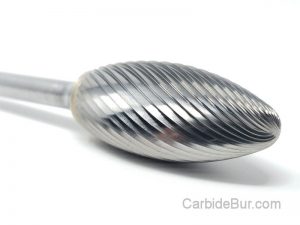
Looking for Carbide Bur Tools?
Check out our entire selection of USA made carbide bur die grinder tool bits
Follow us on Twitter

Return to CarbideBur.com
Carbide Burs – 1/4″ on 1/8″ Shanks – Accessories – Aluminum Cut – Bur Sets – End Mills – Long Shank – Solid Burs
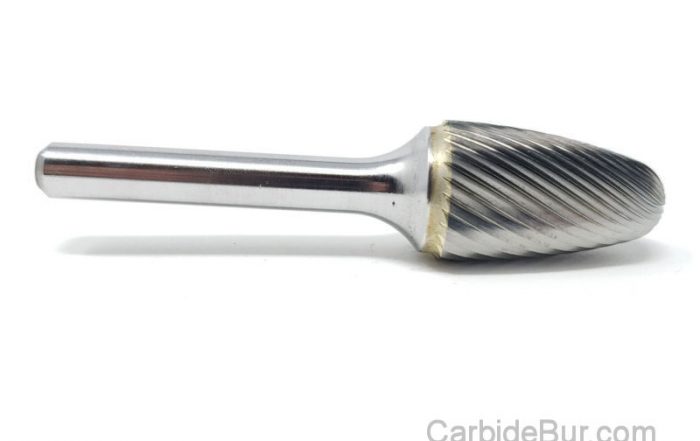
How to Grind a Groove in Metal With a Carbide Burr
How to Grind a Groove in Metal With a Carbide Burr Most metalworkers struggle to cut clean grooves without wasting time or ruining their workpiece. Many try different metalworking tools but end up with uneven [...]
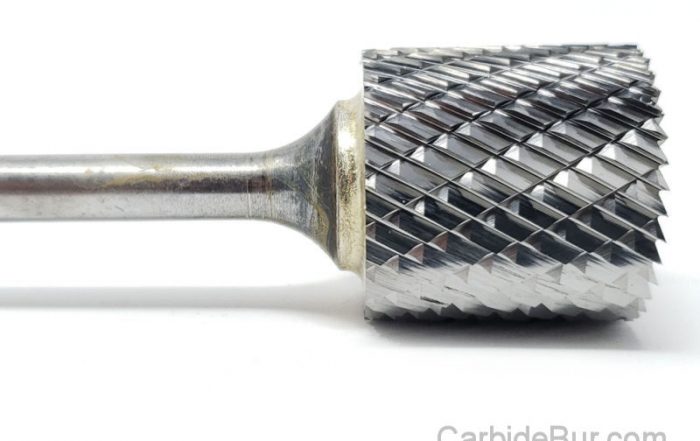
Can Carbide Burrs Cut Through Welds?
Can Carbide Burrs Cut Through Welds? Cutting through welds can feel like a battle, especially when you need clean results without harming the base metal. Carbide burrs offer a sharp edge in this fight, but [...]
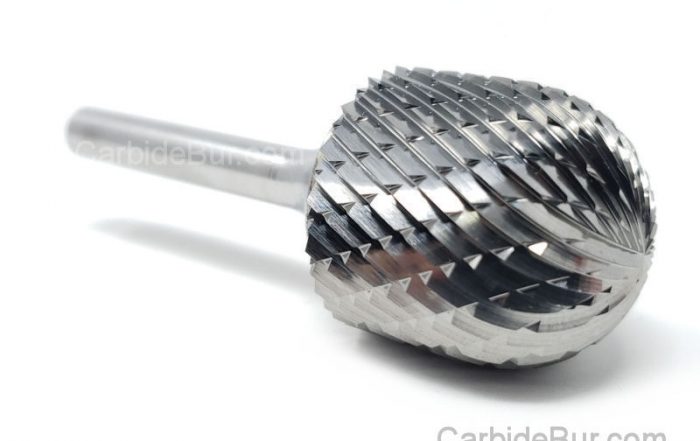
How to Use a Carbide Burr With a Die Grinder
How to Use a Carbide Burr With a Die Grinder Most people treat a carbide burr like just another tool, but using it with a die grinder takes skill. If you’ve struggled with burr installation [...]
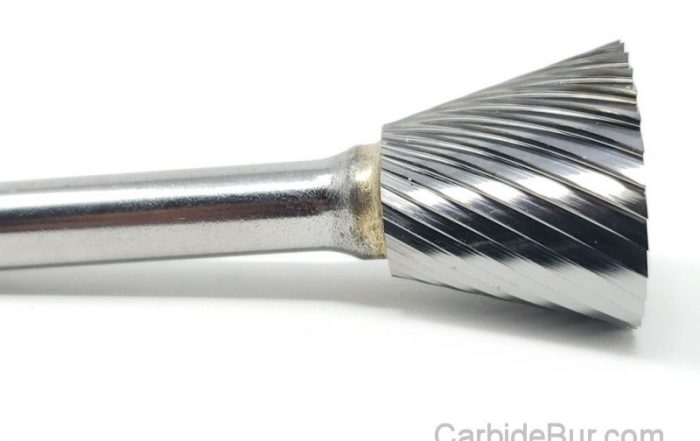
1/8 vs 1/4 Inch Carbide Burrs: What’s the Difference?
1/8 vs 1/4 Inch Carbide Burrs: What's the Difference? Choosing between a 1/8 inch carbide burr and a 1/4 inch carbide burr can change how your project turns out. Many machinists and hobbyists overlook how [...]
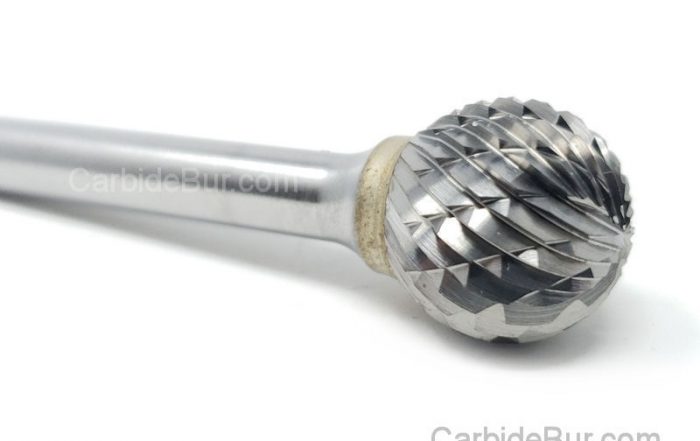
Best Carbide Burr for Removing Flash From Castings
Best Carbide Burr for Removing Flash From Castings Removing flash from castings is a task that can slow down your entire metalworking process if you don’t have the right tools. Picking the best carbide burr [...]
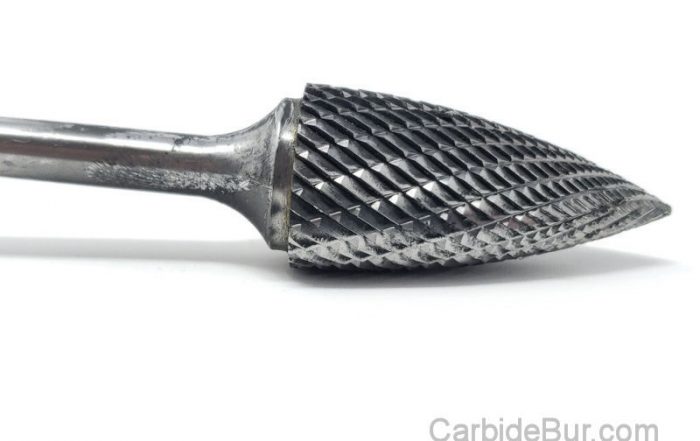
What RPM Should You Use for a 1/4 Inch Carbide Burr?
What RPM Should You Use for a 1/4 Inch Carbide Burr? Most machinists guess the right speed for a 1/4 inch carbide burr and hope for the best. Using the wrong carbide burr RPM can [...]
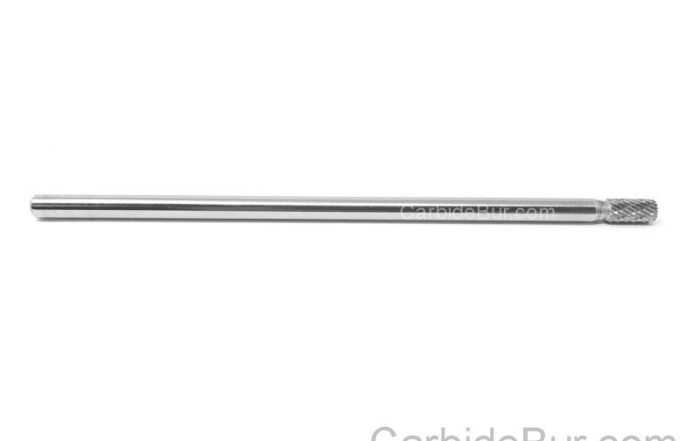
Long Shank Carbide Burrs: When Do You Need One?
Long Shank Carbide Burrs: When Do You Need One? Most machinists overlook the power of long shank carbide burrs until a project demands precision in tight spaces. When your usual tools can’t reach intricate contours, [...]
How Deep Can a Carbide Burr Cut Metal?
How Deep Can a Carbide Burr Cut Metal? Carbide burrs often get praised for their precision, but many users hit a wall wondering how deep they can actually cut metal. The truth is, cutting depth [...]
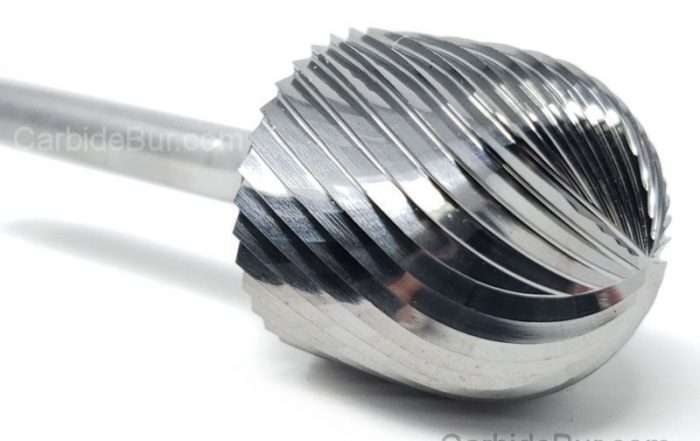
How to Use Carbide Burrs for Port Matching
How to Use Carbide Burrs for Port Matching Most engine builds hit a wall when airflow doesn’t flow smoothly between the ports and manifolds. If your engine isn’t breathing right, your performance stalls. Using the [...]
Best Carbide Burr for Porting Intake Manifolds
Best Carbide Burr for Porting Intake Manifolds Porting intake manifolds can make or break your engine’s airflow, yet many struggle with the right tools for the job. Choosing the best carbide burrs is key to [...]
Best Carbide Burr for Concave Surfaces
Best Carbide Burr for Concave Surfaces Concave surfaces can turn a straightforward project into a frustrating challenge if you don’t have the right tool. Carbide burrs designed for these tricky curves make all the difference [...]
How to Grind a Slot in Metal With a Carbide Burr
How to Grind a Slot in Metal With a Carbide Burr Grinding a precise slot in metal can feel like a tricky task, especially if you’re unsure which tools to trust. Carbide burr grinding offers [...]
