
Top Tips for Effective Machining Techniques with Carbide Burrs on Stainless Steel
Most carbide burrs wear out fast when used on stainless steel. You’ve probably wasted time and money chasing the right tool that lasts and cuts clean. This guide breaks down the best carbide burr for stainless steel, focusing on shapes, cutting geometries, and coatings that keep your work sharp and precise. Read on to pick the perfect burr for your project and get results that stand up to the toughest metal. Check out this guide for more in-depth insights.
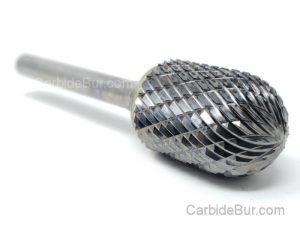
Have you tried our Carbide Burs for your job?
Choosing the Best Carbide Burr
Finding the right carbide burr for your stainless steel projects is crucial. The right choice can save you time, money, and frustration. Let’s explore what makes a burr compatible with stainless steel.
Importance of Material Compatibility
Compatibility is the cornerstone of effective machining. Using the wrong burr can lead to poor results and wasted resources. Stainless steel is tough and requires a burr that can match its resilience.
-
Hardness Matters: Stainless steel is hard, so you need a burr that can handle it without dulling quickly.
-
Avoid Frustration: Save yourself the headache by choosing a burr specifically designed for stainless steel.
-
Efficiency Boost: A compatible burr ensures smoother cuts and longer tool life.
By understanding the importance of compatibility, you secure confidence in your tool’s performance. This ultimate guide offers more about choosing the right carbide burr for your metalworking needs.
Assessing Burr Shapes and Sizes
Selecting the correct burr shape and size is another vital step. Each project may call for a different approach, and knowing your options is key.
-
Shapes to Consider: From cylindrical to ball-shaped, each has a unique use. Cylindrical shapes are great for flat surfaces, while ball shapes work well in contours.
-
Size Matters: Smaller burrs allow for detailed work, while larger ones can cover more surface area quickly.
Understanding these aspects will make your work more precise and efficient. Check out more details on carbide burr shapes and how to choose them for different metals.
Coatings for Enhanced Durability
Coatings can significantly extend the life of your burr. A well-coated burr stands up better to the rigors of stainless steel.
-
Coating Types: Titanium and diamond coatings are commonly used to improve durability.
-
Longer Life: Coatings reduce wear and tear, providing a longer lifespan for your tools.
These coatings not only help in maintaining the sharpness but also ensure your burrs last longer, offering a great return on investment. For more on coatings and durability, this resource can be insightful.
Understanding Cutting Geometries
Cutting geometries play a pivotal role in how a burr performs. They affect the speed and quality of your cuts, making them a critical consideration.
Types of Cutting Geometries
Different geometries suit different tasks. Knowing which to use can make a significant difference in your work.
-
Single Cut: This is ideal for hard materials, offering a smooth finish.
-
Double Cut: Best for medium to light removal tasks, providing a smoother finish than single cuts.
Understanding these types will help you choose the best option for your specific project, ensuring both precision and efficiency.
Benefits of Different Geometries
Each cutting geometry offers unique advantages. Here’s how they differ:
-
Single Cut Benefits: Provides a cleaner finish on tough materials like stainless steel.
-
Double Cut Benefits: Allows for faster material removal, which can save time.
By leveraging these benefits, you can tailor the burr to suit your project needs. Delve deeper into cutting geometries and gain an edge in your machining projects.

Effective Machining Techniques
Optimizing your machining techniques can lead to better results and enhance the lifespan of your tools. Let’s look at how you can achieve that.
Techniques for Precision
Precision is critical in machining. Here’s how you can ensure your cuts are as accurate as possible:
-
Steady Hands: Keep a steady hand and consistent pressure to maintain control.
-
Proper Angle: Maintain the correct angle for the burr to ensure precision.
Focusing on these techniques will enhance your precision, allowing for clean, accurate cuts. If you want to refine your skills, more tips on precision can be found here.
Achieving Desired Finishes
The finish is often the first thing noticed in any project. Here’s how to ensure yours looks professional:
-
Finish Matters: Use the right burr and technique for a smooth finish.
-
Polish it Up: A final polish can make your work stand out.
By mastering these techniques, you’ll achieve the desired finish every time, impressing anyone who sees your work.
Burr Selection Guide
Choosing the right burr can feel overwhelming. This guide aims to simplify that process for you.
Matching Burrs to Projects
Different projects require different burrs. Matching them correctly is crucial.
-
Project Type: Consider the material and finish required.
-
Burr Choice: Match the burr type to your project needs for optimal results.
Understanding this match-up will make your work more efficient and productive, allowing you to tackle various projects with ease.
Considerations for Burr Performance
Performance is everything. Here’s what to keep in mind:
-
Speed and Feed: Ensure you’re running the burr at the right speed.
-
Tool Wear: Regularly check for burr wear and replace as needed.
These considerations will keep your tools in top shape and your projects running smoothly.
Practical Tips for Stainless Steel Machining
Machining stainless steel can be tricky. These tips will help you navigate common challenges.
Maintaining Burr Efficiency
Keeping your burrs efficient is key to quality work.
-
Regular Cleaning: Prevent buildup by regularly cleaning your burrs.
-
Proper Storage: Store burrs in a dry, safe place to avoid damage.
By maintaining efficiency, you ensure consistent performance, saving you both time and money.
Safety Practices for Machining
Safety should always come first in machining. Here’s how to stay safe:
-
Protective Gear: Always wear safety glasses and gloves.
-
Workspace Safety: Keep your workspace tidy to avoid accidents.
By following these safety practices, you not only protect yourself but also enhance your work environment’s effectiveness.
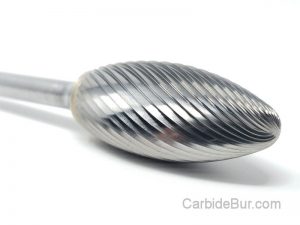
Looking for Carbide Bur Tools?
Check out our entire selection of USA made carbide bur die grinder tool bits
Follow us on Twitter

Return to CarbideBur.com
Carbide Burs – 1/4″ on 1/8″ Shanks – Accessories – Aluminum Cut – Bur Sets – End Mills – Long Shank – Solid Burs
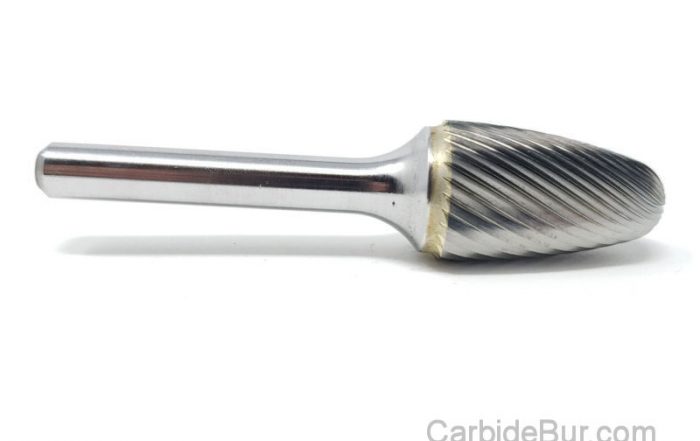
How to Grind a Groove in Metal With a Carbide Burr
How to Grind a Groove in Metal With a Carbide Burr Most metalworkers struggle to cut clean grooves without wasting time or ruining their workpiece. Many try different metalworking tools but end up with uneven [...]
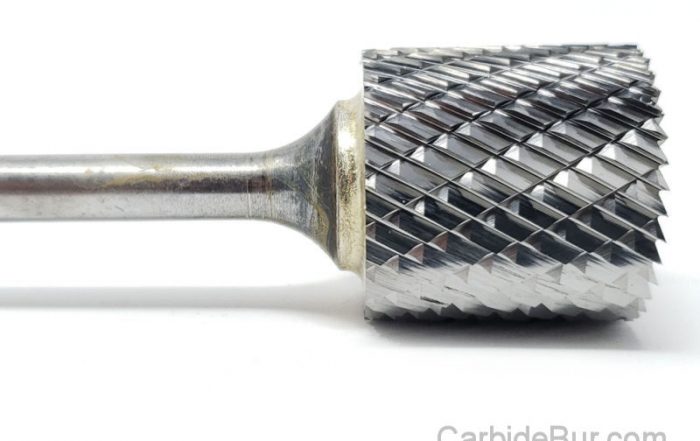
Can Carbide Burrs Cut Through Welds?
Can Carbide Burrs Cut Through Welds? Cutting through welds can feel like a battle, especially when you need clean results without harming the base metal. Carbide burrs offer a sharp edge in this fight, but [...]
How to Use a Carbide Burr With a Die Grinder
How to Use a Carbide Burr With a Die Grinder Most people treat a carbide burr like just another tool, but using it with a die grinder takes skill. If you’ve struggled with burr installation [...]
1/8 vs 1/4 Inch Carbide Burrs: What’s the Difference?
1/8 vs 1/4 Inch Carbide Burrs: What's the Difference? Choosing between a 1/8 inch carbide burr and a 1/4 inch carbide burr can change how your project turns out. Many machinists and hobbyists overlook how [...]
Best Carbide Burr for Removing Flash From Castings
Best Carbide Burr for Removing Flash From Castings Removing flash from castings is a task that can slow down your entire metalworking process if you don’t have the right tools. Picking the best carbide burr [...]
What RPM Should You Use for a 1/4 Inch Carbide Burr?
What RPM Should You Use for a 1/4 Inch Carbide Burr? Most machinists guess the right speed for a 1/4 inch carbide burr and hope for the best. Using the wrong carbide burr RPM can [...]
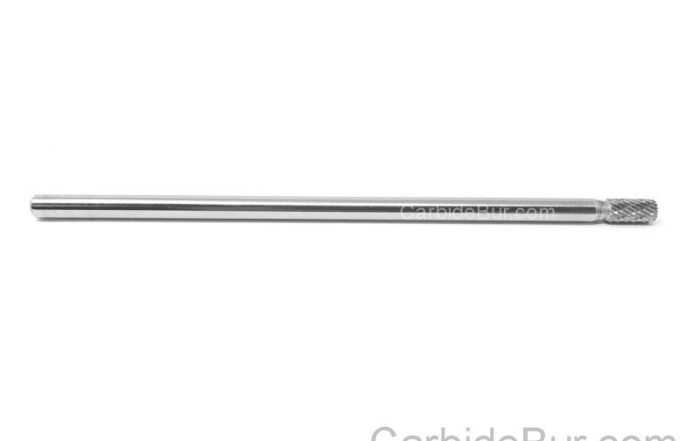
Long Shank Carbide Burrs: When Do You Need One?
Long Shank Carbide Burrs: When Do You Need One? Most machinists overlook the power of long shank carbide burrs until a project demands precision in tight spaces. When your usual tools can’t reach intricate contours, [...]
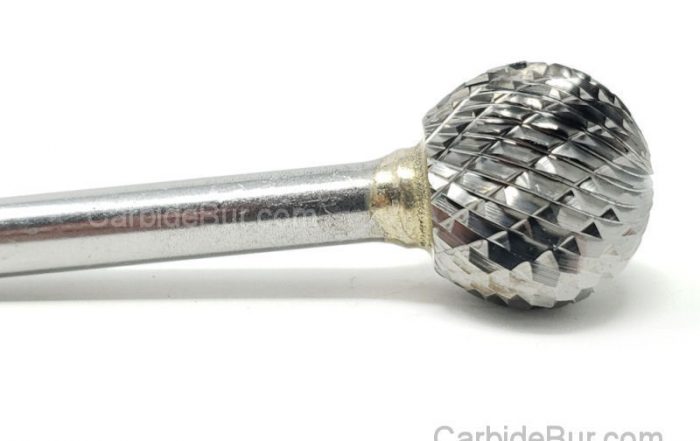
How Deep Can a Carbide Burr Cut Metal?
How Deep Can a Carbide Burr Cut Metal? Carbide burrs often get praised for their precision, but many users hit a wall wondering how deep they can actually cut metal. The truth is, cutting depth [...]
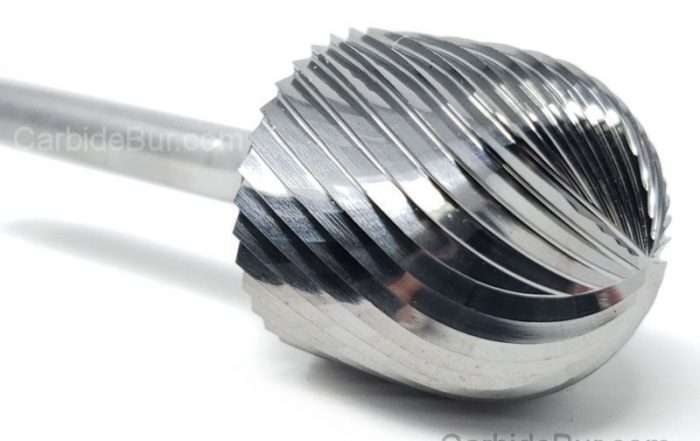
How to Use Carbide Burrs for Port Matching
How to Use Carbide Burrs for Port Matching Most engine builds hit a wall when airflow doesn’t flow smoothly between the ports and manifolds. If your engine isn’t breathing right, your performance stalls. Using the [...]
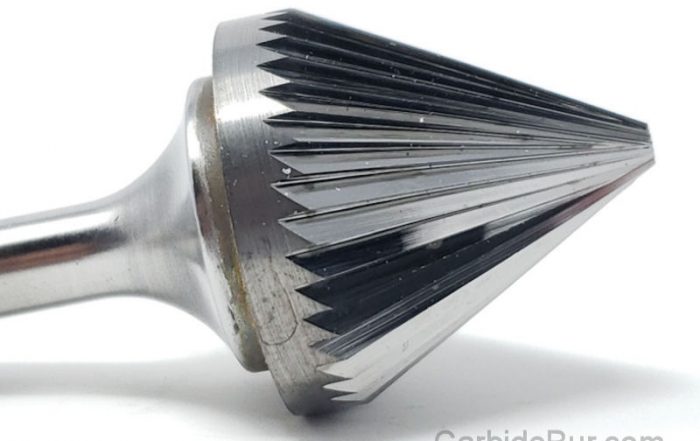
Best Carbide Burr for Porting Intake Manifolds
Best Carbide Burr for Porting Intake Manifolds Porting intake manifolds can make or break your engine’s airflow, yet many struggle with the right tools for the job. Choosing the best carbide burrs is key to [...]
Best Carbide Burr for Concave Surfaces
Best Carbide Burr for Concave Surfaces Concave surfaces can turn a straightforward project into a frustrating challenge if you don’t have the right tool. Carbide burrs designed for these tricky curves make all the difference [...]
How to Grind a Slot in Metal With a Carbide Burr
How to Grind a Slot in Metal With a Carbide Burr Grinding a precise slot in metal can feel like a tricky task, especially if you’re unsure which tools to trust. Carbide burr grinding offers [...]
