
Mastering Welding: A Welder’s Guide to Selecting the Best Carbide Bur for Imperfections
Welding is an art, a craft that requires precision and the right tools to achieve perfection. When it comes to smoothing out those pesky welding imperfections, choosing the right carbide bur is essential. With a variety of carbide burr types available, selecting carbide burs can feel like a daunting task, especially for those keen on making each weld flawless. In this guide, we’ll take you through the world of carbide burs, helping you understand which types are best suited for specific welding tasks. Whether you’re a seasoned welder or a passionate DIY enthusiast, this carbide burs guide is here to offer welding tool tips that will enhance your craft and ensure your metalwork stands the test of time.
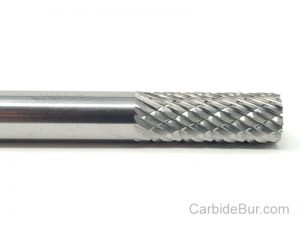
Check out all our USA made carbide bur cutting tools here
Understanding Carbide Burr Types
Understanding different carbide burr types is essential for selecting the right tool for your welding tasks. Each type serves a specific purpose, offering unique benefits that cater to various needs. Let’s explore the diverse world of carbide burrs and see how they can enhance your welding projects.
Overview of Carbide Burrs
Carbide burrs are rotary tools used for cutting, shaping, grinding, and removing material. They are essential for achieving smooth finishes on metal surfaces. Made from tungsten carbide, these burrs are tough and durable, allowing them to handle hard materials with ease.
The key advantage of carbide burrs is their ability to maintain sharpness over time. This property is crucial when working with metals, as it ensures efficiency and precision. Carbide burrs are commonly used in welding, automotive work, and metal fabrication, making them versatile tools for professionals and hobbyists alike.
To learn more about carbide burrs and their applications, visit Carbide Burr.
Common Shapes and Sizes
Carbide burrs come in various shapes and sizes, each designed for specific tasks. Understanding these options can help you select the right burr for your welding needs.
-
Ball Shape: Ideal for making concave cuts and hollowing out areas.
-
Cylinder Shape: Perfect for flat surfaces and creating right angles.
-
Oval Shape: Useful for rounding off edges and smoothing contours.
Sizes range from small to large, with diameters typically between 3mm to 25mm. Smaller burrs allow for precision work, while larger ones remove material quickly. The choice of size depends on the intricacy and scale of your project.
For a detailed guide on selecting shapes and sizes, check Carbide Burr Types.
Material Compatibility
Selecting the right carbide burr involves understanding material compatibility. Carbide burrs work with various materials, but not all burrs are suitable for every type.
-
Steel and Stainless Steel: Use double-cut burrs for a smooth finish.
-
Aluminum and Soft Metals: Single-cut burrs prevent clogging.
-
Hard Materials Like Titanium: Opt for diamond-cut burrs for durability.
Material compatibility ensures optimal performance and prolongs the lifespan of the burr. Always match the burr to the material for best results. For more insights, visit The Secrets of Effective Carbide Bur Welding.
Selecting Carbide Burs for Welding
Choosing the right carbide burs for welding is crucial. It involves understanding the imperfections you’re dealing with and selecting burs that can address them efficiently. This section will guide you through the selection process, ensuring your welding projects achieve the desired outcome.
Assessing Welding Imperfections
Before selecting a carbide burr, you need to assess the welding imperfections present. Common issues include spatter, undercut, and rough edges.
-
Spatter: Small metal droplets that need smoothing.
-
Undercut: A groove along the weld that requires filling.
-
Rough Edges: Uneven surfaces needing refinement.
Identifying these imperfections helps in choosing the right burr type. For spatter, a cylinder burr might be effective, while for undercuts, a ball burr can provide precision. Evaluating these imperfections ensures that the burr matched to the task will yield optimal results.
Check out all our USA made carbide bur cutting tools here
Matching Burs to Specific Tasks
Once you’ve assessed the imperfections, match the burrs to specific tasks. Each task demands a different approach and tool.
-
Smoothing Spatter: Use a cylinder burr for even surfaces.
-
Filling Undercuts: Choose a ball burr for precision shaping.
-
Refining Rough Edges: An oval burr offers smooth transitions.
Matching burs correctly enhances efficiency and effectiveness, saving time and reducing material waste. For further guidance, consider consulting resources like Carbide Burr Types.
Budget Considerations
Selecting the best carbide bur for welding involves budget considerations. High-quality burrs often come with a higher price but offer durability and efficiency.
-
Invest in Quality: Durable burrs reduce long-term costs.
-
Balance Cost and Need: Match burrs to essential tasks, not all jobs.
-
Consider Longevity: Quality burrs maintain performance longer.
While budget constraints are real, investing in the right burrs can lead to better results and fewer replacements. Evaluate your needs and prioritize tasks to ensure the best use of resources.
Best Practices for Using Carbide Burs
To get the most out of your carbide burs, it’s important to follow best practices. These include safety measures, maintenance tips, and performance enhancements that ensure not only effective use but also the longevity of your tools.
Safety Tips and Guidelines
Safety is paramount when using carbide burs. Proper use minimizes risks and ensures smooth operation.
-
Wear Protective Gear: Always use goggles and gloves.
-
Secure the Workpiece: Prevent movement during operation.
-
Follow Speed Recommendations: Adhere to the manufacturer’s RPM guidelines.
Adhering to these safety measures protects both the user and the workpiece. For more detailed safety guidelines, consult resources like Carbide Bur Welding Guide.
Maintaining Your Burs
Proper maintenance of carbide burs is essential for longevity and performance. Regular care can prevent wear and damage, extending the tool’s life.
-
Clean Regularly: Remove debris after each use.
-
Inspect for Damage: Check for wear or defects routinely.
-
Store Properly: Keep burs in a dry, safe place to avoid rust.
By implementing these maintenance practices, you ensure your burs remain effective over time, reducing the need for frequent replacements.
Enhancing Performance
Enhancing the performance of your carbide burs involves several key practices. These focus on using the right techniques and keeping the tools in optimal condition.
-
Use Correct Angles: Align burrs properly for effective cutting.
-
Apply Consistent Pressure: Avoid excessive force to prevent breakage.
-
Adjust Speed as Needed: Modulate RPM for different materials.
Following these tips can significantly enhance your carbide burrs’ performance, leading to better results in your welding projects.
Welding Tool Tips for Professionals
Professional welders benefit from having the right tools and equipment. This section offers insights into essential tools, choosing the right equipment, and professional tips for achieving optimal welding results.
Essential Tools for Welders
Every welder needs a set of essential tools to ensure precision and quality in their work. These tools facilitate various tasks, from preparation to finishing.
-
Welding Torch: Essential for heat application.
-
Protective Gear: Includes helmets and gloves for safety.
-
Measuring Tools: Ensure accuracy and consistency.
Having these tools accessible enhances the efficiency and safety of welding projects, providing a solid foundation for successful work.
Choosing the Right Equipment
Selecting the right welding equipment is crucial for achieving project goals. Considerations include the type of welds, materials, and project scale.
-
Assess Project Needs: Determine the materials and weld types.
-
Research Equipment Options: Compare features and specifications.
-
Match Equipment to Tasks: Ensure compatibility with project requirements.
By following these steps, you can choose equipment that meets your needs, ensuring quality and efficiency.
Pro Tips for Optimal Results
For optimal welding results, professionals rely on a mix of techniques and insights gained from experience. Here are some pro tips:
-
Practice Consistency: Maintain steady hands for even welds.
-
Monitor Temperature: Avoid overheating, which can weaken joints.
-
Use Quality Materials: Ensure the best outcomes and durability.
Implementing these tips can significantly improve your welding results, ensuring that your projects meet the highest standards.
Carbide Burs Guide for Entrepreneurs
Entrepreneurs in the welding industry can benefit from a comprehensive carbide burs guide. This section explores building a tool kit, e-commerce solutions for tool sales, and inspiring confidence in your craft.
Building a Welding Tool Kit
Building a welding tool kit requires strategic planning and selection. A well-rounded kit supports diverse projects and enhances capabilities.
-
Identify Core Needs: Determine essential tools and accessories.
-
Select Quality Tools: Prioritize durability and performance.
-
Organize Effectively: Ensure easy access and storage.
By assembling a comprehensive tool kit, entrepreneurs can tackle a range of welding tasks with confidence and efficiency.
E-commerce Solutions for Tool Sales
E-commerce offers significant opportunities for selling welding tools. Entrepreneurs can reach broader audiences and streamline sales processes.
-
Create an Online Store: Use platforms for visibility and reach.
-
Optimize Listings: Highlight key features and benefits.
-
Engage Customers: Provide excellent customer service and support.
Leveraging e-commerce solutions empowers entrepreneurs to expand their market presence and enhance their business operations.
Inspiring Confidence in Your Craft
Inspiring confidence in your craft involves showcasing skills and promoting quality. This can be achieved through various strategies.
-
Demonstrate Expertise: Share knowledge and techniques.
-
Showcase Quality Work: Highlight successful projects and testimonials.
-
Engage with the Community: Build relationships and networks.
By fostering confidence in their craft, entrepreneurs can establish a strong reputation and drive business success.
For more information on carbide burs and welding tools, visit Carbide Bur.
Check out all our USA made carbide bur cutting tools here

Can You Use a Carbide Burr With an Electric Die Grinder?
Can You Use a Carbide Burr With an Electric Die Grinder? Most people don’t realize how much a carbide burr can change the way an electric die grinder works. Using the right burr type can [...]
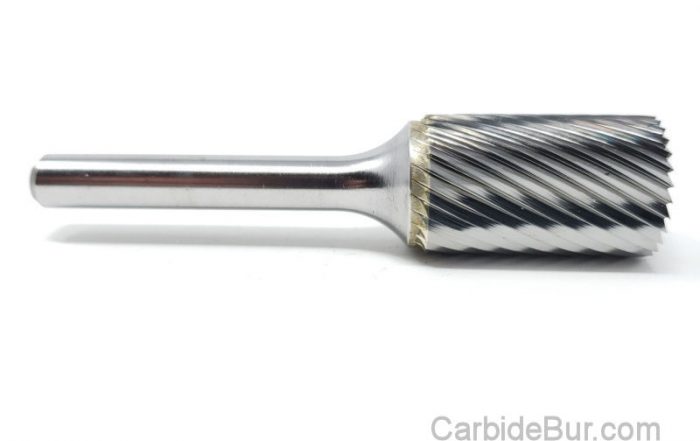
How to Deburr Holes With a Carbide Burr
How to Deburr Holes With a Carbide Burr Most people think any tool will do for deburring holes. The truth is, using the right carbide burr with the correct size and shape changes everything. In [...]
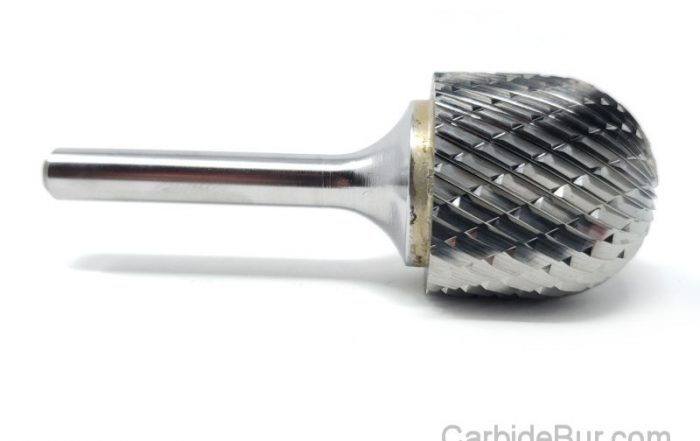
How to Choose the Correct Carbide Burr Shank Size
How to Choose the Correct Carbide Burr Shank Size Many machinists lose hours troubleshooting tool issues caused by the wrong carbide burr shank size. Using a shank that doesn’t fit your grinder can lead to [...]
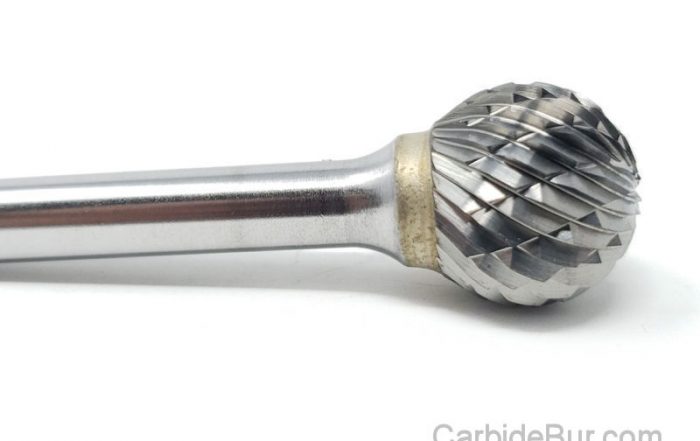
How to Remove Casting Flash With a Carbide Burr
How to Remove Casting Flash With a Carbide Burr Casting flash ruins the look and fit of your metal parts. You’ve tried sanding or grinding, but the results aren’t clean or fast enough. Learning how [...]
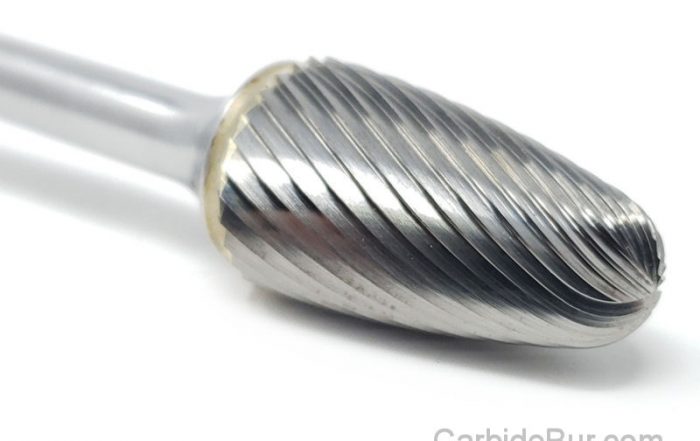
Best Carbide Burr for Enlarging a Hole in Metal
Best Carbide Burr for Enlarging a Hole in Metal When you need to enlarge a hole in metal, grabbing the wrong carbide burr can turn a simple task into a frustrating mess. Picking the best [...]
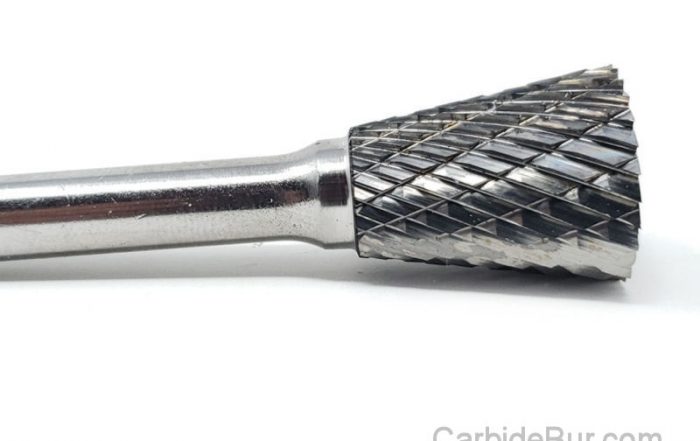
Carbide Burr Safety: 15 Mistakes That Can Cause Injury or Damage
Carbide Burr Safety: 15 Mistakes That Can Cause Injury or Damage Carbide burr safety is often overlooked until a costly mistake happens. Many metalworkers and DIYers make the same errors that lead to injuries or [...]
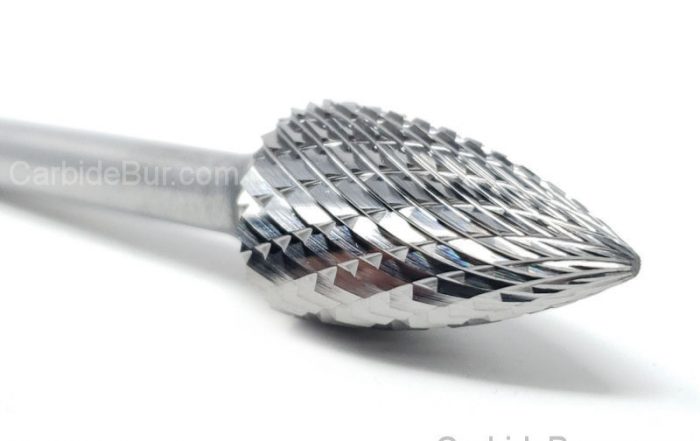
Can You Use a Carbide Burr in a Drill?
Can You Use a Carbide Burr in a Drill? Most people think a standard drill can’t handle a carbide burr, but that’s not true. Using carbide burr in the right drill can speed up your [...]
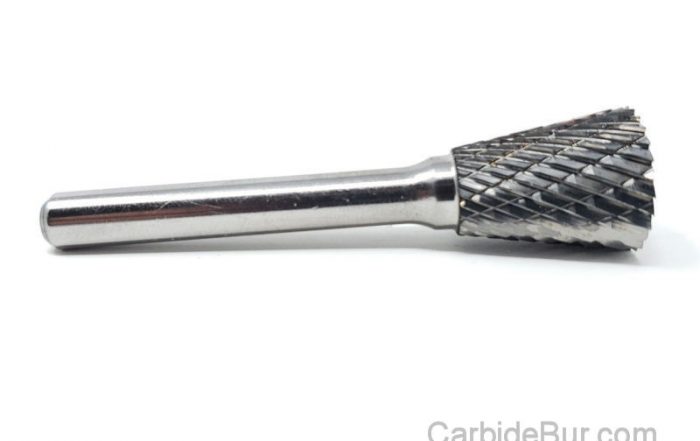
Carbide Burrs for Removing Rust: What Works Best?
Carbide Burrs for Removing Rust: What Works Best? Rust can turn your favorite tools into useless junk faster than you expect. Removing it without ruining the metal underneath takes more than just elbow grease—it demands [...]
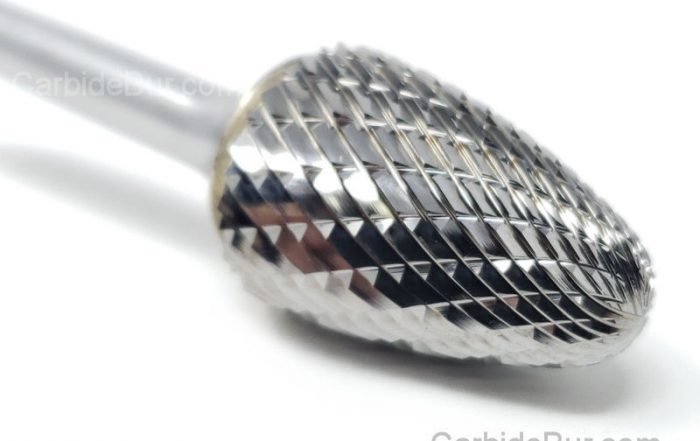
How Much Pressure Should You Use With a Carbide Burr?
How Much Pressure Should You Use With a Carbide Burr? Most people think pressing harder with a carbide burr speeds up the job. That’s not true—too much pressure wears out your tool and ruins the [...]
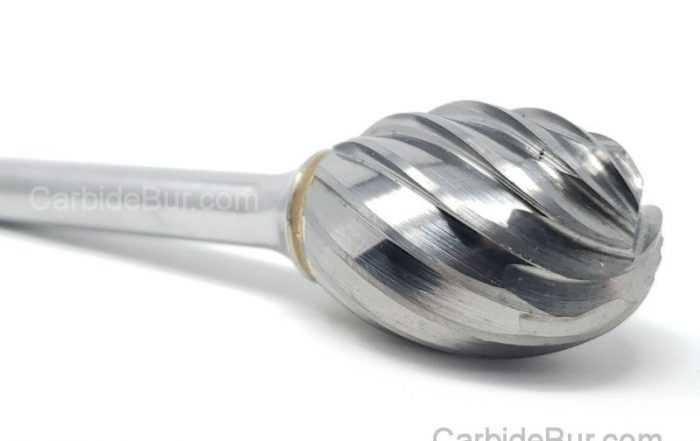
Can You Use Carbide Burrs With an Air Die Grinder?
Can You Use Carbide Burrs With an Air Die Grinder? Most people don’t realize how well carbide burrs work with air die grinders until they try them. If you’ve ever struggled with finding the right [...]
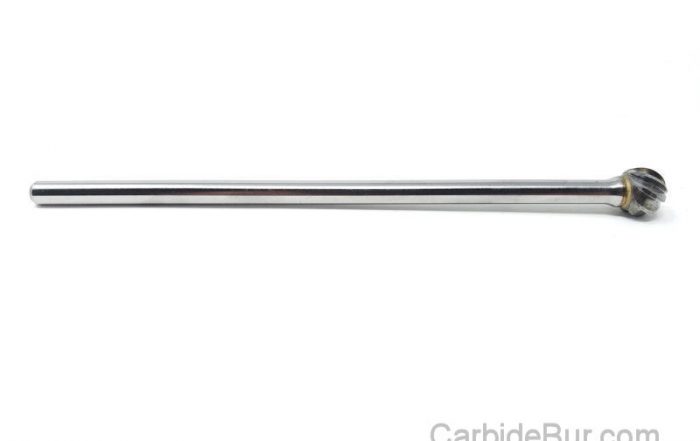
Best Long Reach Carbide Burr for Deep Metal Work
Best Long Reach Carbide Burr for Deep Metal Work Long reach carbide burrs often promise deep metal access, but many fall short where it counts most. You need a tool that cuts cleanly, lasts through [...]
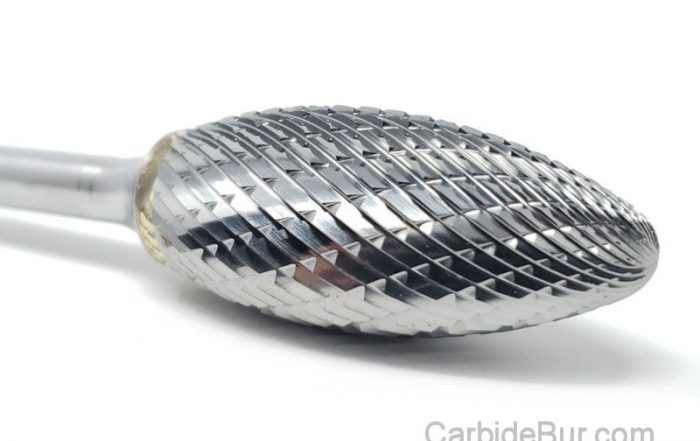
What RPM Should You Use for a 1/8 Inch Carbide Burr?
What RPM Should You Use for a 1/8 Inch Carbide Burr? Most people guess the right carbide burr RPM by feel—and waste hours redoing work. If you want cleaner cuts and longer tool life, your [...]
