
Say Goodbye to Work Hardening: Tips for Using Carbide Burrs on Stainless Steel
Work hardening turns stainless steel machining into a frustrating grind that eats up your time and wears out your tools. Using the right carbide burr with smart cutting techniques changes the game, letting you remove material cleanly without making the steel tougher. In this post, you’ll learn which burr shapes work best, how to choose the right one for your steel type, and how to keep your burrs sharp for longer. Ready to cut through the hassle and get precise results every time?
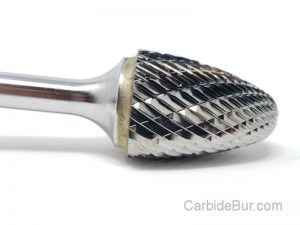
Check out this selection of USA made carbide burs
Understanding Carbide Burrs
Carbide burrs are essential tools in stainless steel machining. They provide the precision and durability needed for high-quality work. Let’s dig deeper into what makes them special.
Key Features of Carbide Burrs
Carbide burrs stand out due to their strength and longevity. They are made from tungsten carbide, known for its toughness. This material allows you to cut stainless steel without excessive wear on your tools. Moreover, carbide burrs maintain their sharpness longer than other materials, ensuring consistent performance. This feature is crucial in maintaining efficiency during your projects.
Another advantage of carbide burrs is their variety. They come in different shapes and sizes, each designed for specific tasks. Whether you need to deburr, shape, or cut, there’s a burr for every job. Choosing the right shape can significantly impact your results. When selecting carbide burrs, consider the type of cut you need to perform. This choice will influence the precision and smoothness of your finish.
Best Carbide Burrs for Stainless Steel
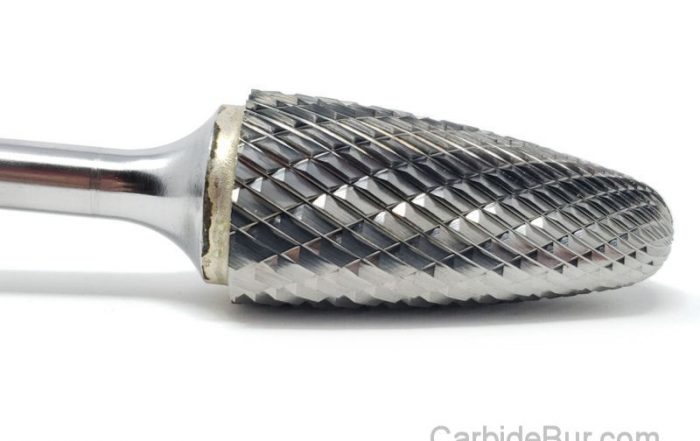
Finding the best carbide burr for stainless steel is key to smooth machining. Start by considering the burr’s design. Double-cut burrs are often preferred for stainless steel. They provide a smoother finish and allow for greater control. These burrs also remove material more efficiently, saving you time and effort.
Another factor to consider is the burr’s coating. Coated burrs reduce heat generation, which is crucial when working with stainless steel. Heat can cause work hardening, making the metal more difficult to cut. Therefore, a coated burr can prevent this issue, maintaining the integrity of your material. It’s essential to invest in high-quality burrs that match your specific needs for optimal outcomes.
Selecting Burrs for Different Steel Types
Different types of stainless steel require different burrs. For softer steels, a fine-grain burr may be sufficient. However, harder steels demand a more robust option. Consider the steel’s hardness when choosing your burr. A mismatched burr can lead to poor performance and increased wear.
Always test your burr on a small section of the steel first. This step helps ensure compatibility and avoid costly mistakes. Adjust your choice based on the burr’s performance, aiming for a smooth, controlled cut. Selecting the right burr not only improves efficiency but also extends the life of your tools.
Effective Cutting Techniques
Understanding the right cutting techniques can transform your machining experience. These methods help optimize material removal and prevent issues like work hardening.

Need a longer reach for your die grinder?
Optimizing Material Removal
To effectively remove material, focus on your cutting speed and pressure. Fast speeds with light pressure often yield the best results. This approach minimizes heat buildup and maximizes efficiency. Remember, removing too much material at once can lead to damage.
Maintain a consistent angle while cutting. This consistency helps achieve a smooth finish and reduces tool wear. Regularly check your burr for dullness, as a sharp tool is vital for efficient material removal. Keeping these tips in mind enhances your machining process and ensures a clean cut.
Preventing Work Hardening
Work hardening can be a significant issue in machining stainless steel. This phenomenon occurs when the metal becomes harder with excessive heat or pressure. To avoid this, use a light touch and keep your cutting speed consistent. Working too slowly or applying too much pressure can cause the steel to harden.
Additionally, ensure your burr is sharp and well-maintained. A dull burr requires more force, increasing the risk of work hardening. Regularly inspect your tools and replace them when necessary. By preventing work hardening, you ensure a smoother machining process and a higher-quality finish.
Ideal Burr Shapes for Cutting
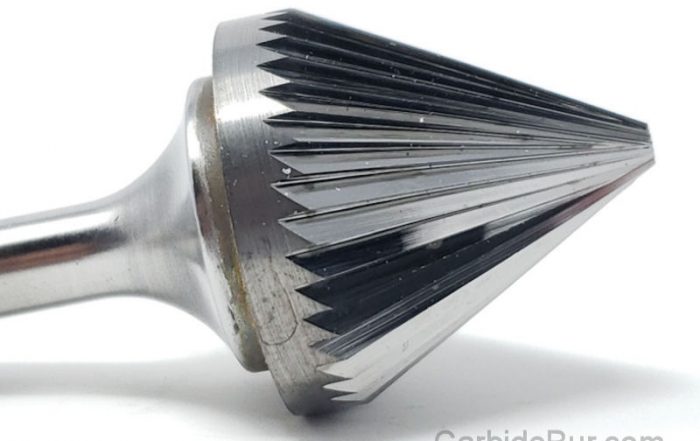
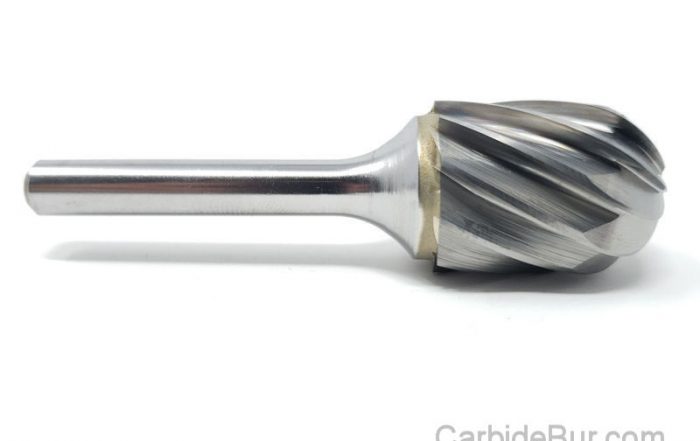
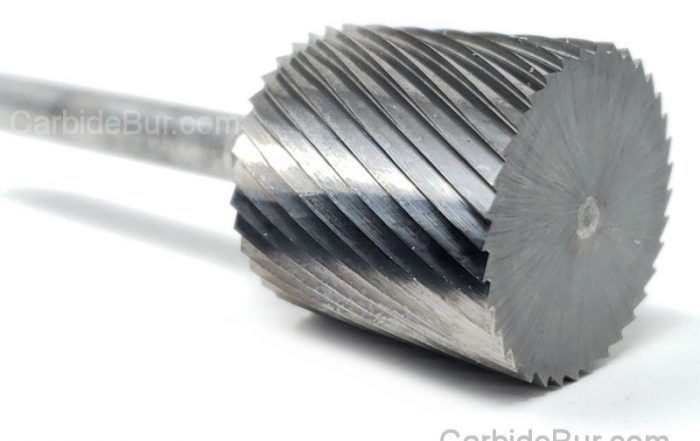
Choosing the right burr shape is crucial for effective cutting. For general purpose cuts, a cylinder-shaped burr is often ideal. It provides a broad surface for material removal and allows for precise control. When performing detailed work, consider a flame or cone-shaped burr. These options offer better access to tight areas.
Experiment with different shapes to find what works best for your needs. Each shape has its unique advantages, so understanding these can significantly enhance your work. Selecting the right shape minimizes effort and maximizes results, ensuring your projects are completed efficiently.
Maintaining Burr Longevity
Proper maintenance of your burrs is essential for sustained performance. Regular care prolongs their life and enhances the quality of your work.
Tips for Burr Longevity
To extend the life of your burrs, start by cleaning them regularly. Remove debris after each use to prevent buildup. A simple brush or compressed air can help keep the burrs clean. Additionally, avoid excessive heat, as it can weaken the burrs over time.
Rotate your burrs to ensure even wear. Consistent use of one part can lead to premature dullness. By rotating, you distribute wear evenly, maintaining sharpness longer. Following these tips keeps your burrs in top shape, saving you time and money.
Ensuring High-quality Finishes
Achieving a high-quality finish requires attention to detail. Use light, even strokes during cutting. This technique ensures a smooth surface and reduces tool marks. Additionally, maintain a consistent speed and pressure.
Inspect your work regularly. This practice allows you to catch and correct mistakes early. If your finish isn’t up to par, review your techniques and adjust accordingly. By focusing on quality, your projects will stand out, showcasing your skill and expertise.
Tackling Stainless Steel Machining Challenges
Machining stainless steel presents unique challenges. However, understanding these obstacles and their solutions can greatly improve your work.
Common Challenges in Machining
One of the main challenges is heat management. Stainless steel tends to generate a lot of heat during cutting. This heat can lead to tool wear and work hardening. To combat this, use coolant or lubrication to reduce friction. This step helps manage temperature and extends tool life.
Another challenge is maintaining precision. Stainless steel’s toughness can lead to inaccuracies. Regularly check your measurements and adjust your approach as needed. By anticipating these challenges, you can take proactive steps to address them, ensuring successful machining.
Solutions for Improved Precision
To improve precision, focus on your setup. Ensure your workpiece is securely clamped to prevent movement during cutting. Movement can lead to mistakes and uneven cuts. Additionally, use sharp, high-quality tools. Dull tools require more force, reducing precision.
Consider using a guide for straight cuts. Guides help maintain alignment and ensure accuracy. By implementing these solutions, you enhance your machining precision, resulting in a superior finish.
Enhancing Your Machining Efficiency
Efficiency is key in machining work. Streamlining your process saves time and improves the quality of your results.
Boosting Work Efficiency
Start by organizing your workspace. A tidy area reduces the time spent searching for tools and materials. Keep frequently used items within reach to maximize efficiency. Additionally, plan your work. Set clear goals and steps for each project. This planning helps prioritize tasks and minimize downtime.
Invest in quality tools. While the upfront cost may be higher, reliable tools perform better and last longer. By focusing on efficiency, you can complete projects faster without sacrificing quality.
Improving Cutting Precision
Precision is vital in stainless steel machining. To improve it, focus on your technique and tool maintenance. Regularly sharpen and clean your tools to maintain their effectiveness. A well-maintained tool cuts cleaner and more accurately.
Practice makes perfect. Continually refine your skills and explore new techniques. The more you practice, the better your precision becomes. By honing your abilities, you elevate your work quality, impressing clients and peers alike.
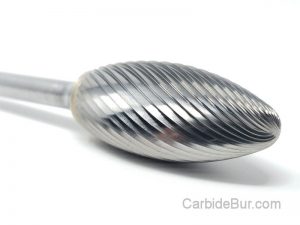
Looking for Carbide Bur Tools?
Check out our entire selection of USA made carbide bur die grinder tool bits
Follow us on Twitter

Return to CarbideBur.com
Carbide Burs – 1/4″ on 1/8″ Shanks – Accessories – Aluminum Cut – Bur Sets – End Mills – Long Shank – Solid Burs
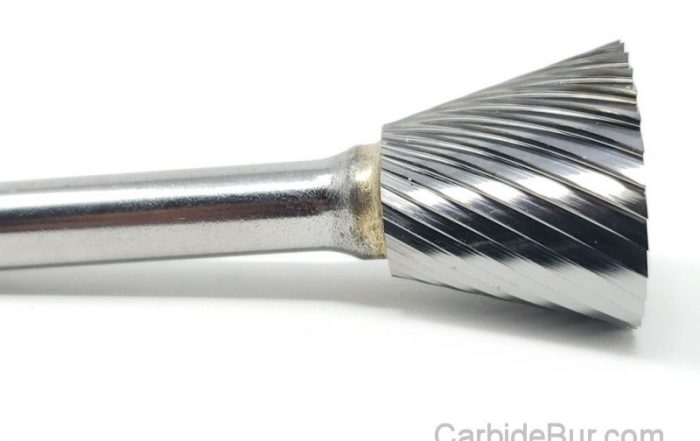
1/8 vs 1/4 Inch Carbide Burrs: What’s the Difference?
1/8 vs 1/4 Inch Carbide Burrs: What's the Difference? Choosing between a 1/8 inch carbide burr and a 1/4 inch carbide burr can change how your project turns out. Many machinists and hobbyists overlook how [...]
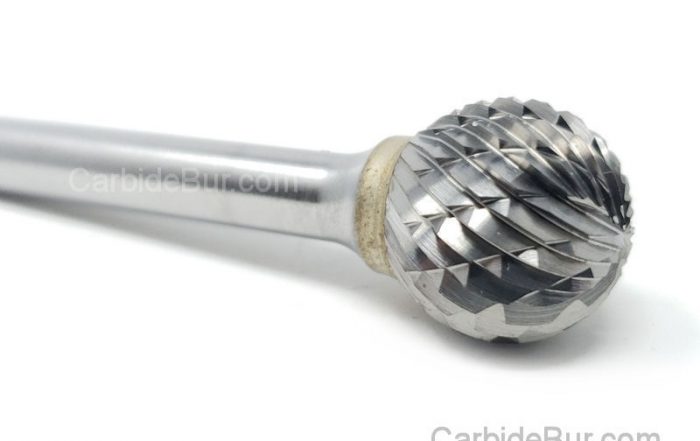
Best Carbide Burr for Removing Flash From Castings
Best Carbide Burr for Removing Flash From Castings Removing flash from castings is a task that can slow down your entire metalworking process if you don’t have the right tools. Picking the best carbide burr [...]
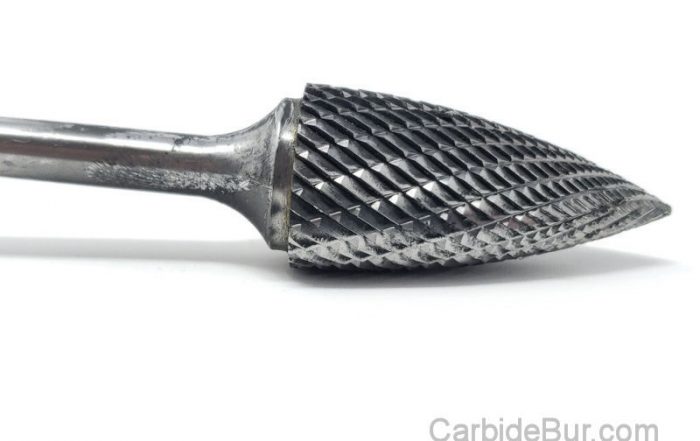
What RPM Should You Use for a 1/4 Inch Carbide Burr?
What RPM Should You Use for a 1/4 Inch Carbide Burr? Most machinists guess the right speed for a 1/4 inch carbide burr and hope for the best. Using the wrong carbide burr RPM can [...]
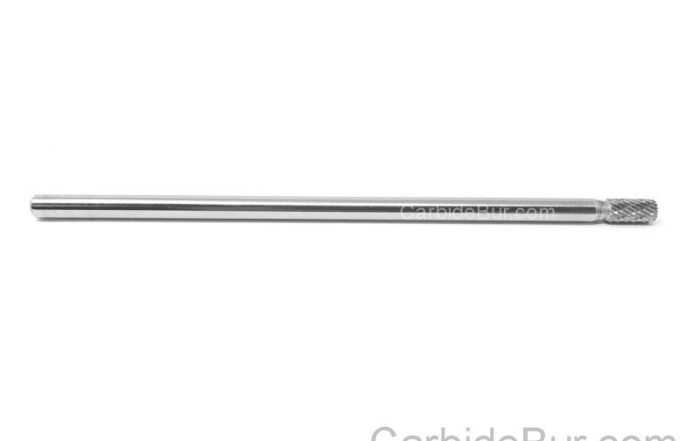
Long Shank Carbide Burrs: When Do You Need One?
Long Shank Carbide Burrs: When Do You Need One? Most machinists overlook the power of long shank carbide burrs until a project demands precision in tight spaces. When your usual tools can’t reach intricate contours, [...]
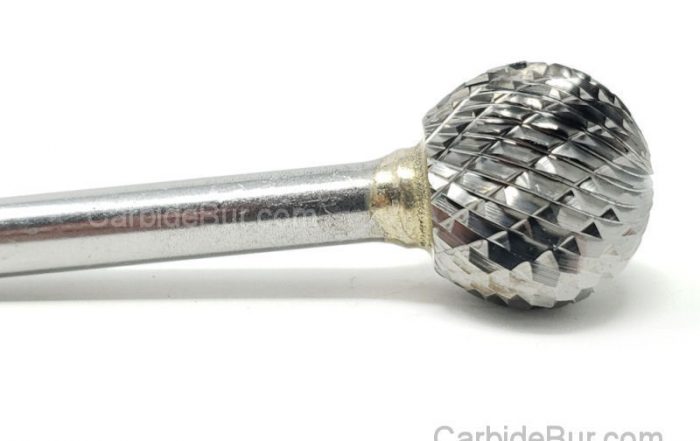
How Deep Can a Carbide Burr Cut Metal?
How Deep Can a Carbide Burr Cut Metal? Carbide burrs often get praised for their precision, but many users hit a wall wondering how deep they can actually cut metal. The truth is, cutting depth [...]
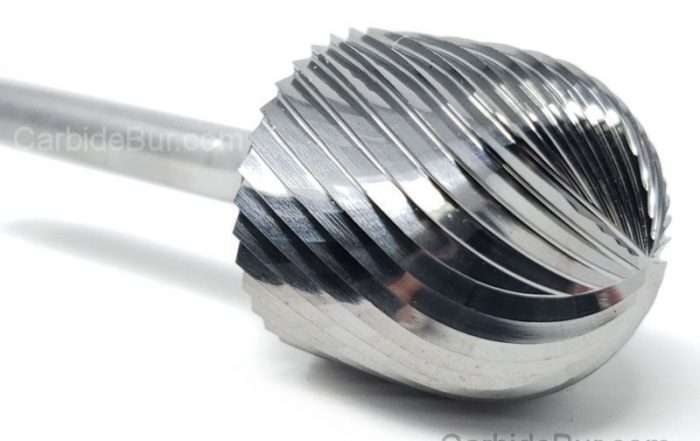
How to Use Carbide Burrs for Port Matching
How to Use Carbide Burrs for Port Matching Most engine builds hit a wall when airflow doesn’t flow smoothly between the ports and manifolds. If your engine isn’t breathing right, your performance stalls. Using the [...]
Best Carbide Burr for Porting Intake Manifolds
Best Carbide Burr for Porting Intake Manifolds Porting intake manifolds can make or break your engine’s airflow, yet many struggle with the right tools for the job. Choosing the best carbide burrs is key to [...]
Best Carbide Burr for Concave Surfaces
Best Carbide Burr for Concave Surfaces Concave surfaces can turn a straightforward project into a frustrating challenge if you don’t have the right tool. Carbide burrs designed for these tricky curves make all the difference [...]
How to Grind a Slot in Metal With a Carbide Burr
How to Grind a Slot in Metal With a Carbide Burr Grinding a precise slot in metal can feel like a tricky task, especially if you’re unsure which tools to trust. Carbide burr grinding offers [...]

Best Carbide Burr for Inside Corners
Best Carbide Burr for Inside Corners Working in tight inside corners can turn even simple projects into frustrating tasks. Many carbide burrs just don’t fit or cut cleanly where you need them most. The best [...]
What Size Carbide Burr Do I Need?
What Size Carbide Burr Do I Need? Picking the wrong carbide burr can turn a simple project into a frustrating mess. You might have the best machining tools but still miss the mark if your [...]
How to Smooth Sharp Metal Edges With a Carbide Burr
How to Smooth Sharp Metal Edges With a Carbide Burr Sharp metal edges can turn your project from professional to risky in seconds. If you’ve struggled with smoothing metal edges without scratching or weakening the [...]
