
Mastering Metalworking: The Power of Double Cut Carbide Burrs
Most metalworkers waste hours struggling with dull tools that slow every project. Your choice of cutting tool can make or break your machining efficiency. This post breaks down the real carbide burr benefits, showing why the double cut carbide burr stands out among metalworking tools. You’ll get the lowdown on burr shapes and types, plus how carbide compares with high-speed steel for cutting tools optimization. Check out this guide on carbide burrs for steel.
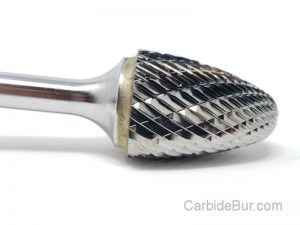
Check out this selection of USA made carbide burs
Understanding Double Cut Carbide Burrs
Get ready to unlock the secrets of double cut carbide burrs, which can transform your metalworking projects. These tools are designed to make your work smoother and more efficient.
What Are Double Cut Carbide Burrs?
Double cut carbide burrs are small rotary tools with unique cutting edges. They have cross-cut teeth, allowing for smoother finishes and faster cutting. Used in various applications, these burrs are perfect for metalworking, woodworking, and even plastics.
These burrs stand out in the world of metalworking tools. They offer versatility that single cut burrs can’t match. The cross-cut pattern reduces chips and provides a cleaner result. This design helps you achieve precise cuts without the hassle.
Key Benefits for Metalworkers
Double cut carbide burrs offer significant benefits. They reduce chatter, resulting in a smoother operation. This means less vibration and more control, which is crucial for precision work.
Additionally, metalworkers save time with these burrs. The efficient cutting action speeds up projects, allowing you to focus on quality rather than time constraints. Plus, the durability of carbide material ensures long-lasting performance, making them a valuable investment.
Enhancing Machining Efficiency
Improving machining efficiency is every metalworker’s goal. Double cut carbide burrs can help you achieve this by minimizing tool wear and tear. Their robust nature means fewer tool changes, which directly leads to increased productivity.
Furthermore, with these burrs, you can tackle various materials with ease. From hard metals to softer woods, they handle it all without compromising quality. This adaptability is why double cut carbide burrs are a must-have in your toolkit.
Exploring Burr Shapes and Types
When it comes to burr shapes and types, knowing your options is essential. Each shape serves different purposes, and choosing the right one can impact your project’s success.
Popular Burr Shapes
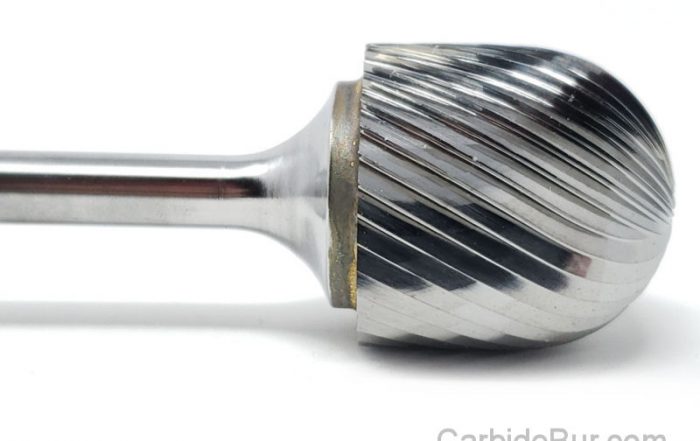
Common burr shapes include cylinder, ball, and flame. Each shape is designed for specific uses. For example, cylinder burrs are great for flat surfaces, while ball burrs are perfect for rounded cuts. These shapes provide flexibility for different tasks learn more.
Ball burrs shine when detail and smooth edges are required. Meanwhile, flame burrs excel in shaping and contouring. Understanding these shapes helps you make informed decisions, ensuring optimal results for your projects.
Choosing the Right Shape for Your Project
Selecting the right burr shape can be daunting. Consider your project’s material and the type of cut needed. If you’re working with metal, a cylinder or flame burr might be your best bet. For precision tasks, ball burrs are ideal.
Evaluate your project’s needs carefully. The correct burr shape not only improves efficiency but also enhances the finish of your work. This level of customization is what sets skilled metalworkers apart from the rest.

Need a longer reach for your die grinder?
Customizing Burrs for Specific Needs
Customizing burrs to fit your specific needs is possible. Some manufacturers offer tailored solutions, allowing you to handle unique projects with ease. Customization ensures you have the right tool for every job, enhancing your capabilities.
Whether it’s a unique shape or a specific size, custom burrs open doors to new possibilities. They empower you to tackle projects that might have seemed challenging before, boosting your confidence and skills.
Comparing Carbide and High-Speed Steel
Understanding the differences between carbide and high-speed steel is crucial in tool selection. Each material has its strengths and weaknesses, impacting your work differently.
Advantages of Carbide Burrs
Carbide burrs are known for their durability and precision. They maintain sharpness longer than high-speed steel, which translates to less frequent replacements. This longevity makes them a cost-effective choice for frequent users.
The hardness of carbide allows it to cut through tough materials effortlessly. This feature is particularly beneficial for metalworkers dealing with challenging projects. It’s a clear advantage that carbide burrs hold over high-speed steel.
Situations for High-Speed Steel
While carbide is excellent, high-speed steel has its place too. It’s more forgiving and can be the better choice for softer materials. If you’re working on a budget or need a versatile tool, high-speed steel might be ideal.
For beginners or hobbyists, high-speed steel offers a gentler introduction to metalworking. Its lower cost and flexibility make it a practical option for those still honing their skills. Understanding when to choose high-speed steel can help you make informed decisions.
Cost Considerations in Tool Selection
Cost is a significant factor in tool selection. While carbide burrs are initially more expensive, their longevity can lead to savings over time. High-speed steel might be cheaper upfront but requires more frequent replacements.
Weighing these factors helps balance initial costs with long-term benefits. This consideration is crucial for professionals who prioritize efficiency and quality. Making the right choice ensures you get value from your investment.
Mastering Engraving Tools
Engraving tools bring creativity to metalworking. They allow you to add intricate details and personalize projects, showcasing your craftsmanship.
Techniques for Precision Engraving
Precision engraving requires skill and the right tools. Double cut carbide burrs offer the control needed for detailed work. Their smooth operation helps you achieve clean lines and intricate patterns with ease.
Practice and patience are key to mastering engraving techniques. Starting with simple designs and gradually progressing to complex ones builds confidence. This approach refines your skills, leading to more impressive results.
Burrs as Essential Engraving Tools
Burrs play an essential role in engraving. Their versatility makes them suitable for various materials and designs. Whether you’re carving metal or shaping wood, burrs are your go-to tool for precision work.
The ability to switch between different burr shapes and sizes enhances your creative potential. This flexibility allows you to experiment with new styles and techniques, pushing the boundaries of what’s possible.
Creative Applications in Engraving
Engraving isn’t limited to traditional designs. With double cut carbide burrs, you can explore new creative applications. From personalized gifts to custom machinery parts, the possibilities are endless.
Embrace innovation and challenge yourself to try new engraving projects. The satisfaction of creating something unique and personal is unmatched. This creativity is what makes engraving a rewarding aspect of metalworking.
Optimizing Cutting Tools for Success
To ensure success in metalworking, optimizing your cutting tools is essential. Proper care and maintenance keep your tools in top condition, ready for any project.
Ensuring Longevity of Your Tools
Longevity starts with proper storage. Keep your burrs in a clean, dry place to prevent rust and damage. Regular inspections help identify wear early, allowing for timely replacements.
Additionally, cleaning your tools after each use extends their life. Removing debris and residue prevents buildup that could affect performance. These simple steps ensure your tools last longer, providing better returns on your investment.
Maintaining Peak Performance
Peak performance requires regular maintenance. Sharpening burrs and checking for damage keeps them operating optimally. This routine helps avoid unnecessary downtime and ensures smooth project execution.
Invest in quality maintenance products to take care of your tools. The right care guarantees they perform at their best, enhancing your overall productivity and project quality.
Strategies for Tool Optimization
Optimizing tools involves more than just maintenance. Selecting the right tool for each job is crucial. Understanding your project’s needs and matching them with the appropriate burr shape and material improves efficiency.
Experiment with different techniques and tools to find what works best for you. This exploration helps refine your process, leading to consistent improvement and success in metalworking.
By mastering these concepts, you’re well on your way to becoming a more efficient and skilled metalworker. The right tools and techniques can elevate your work to new heights, ensuring every project is a success.
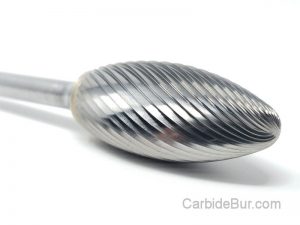
Looking for Carbide Bur Tools?
Check out our entire selection of USA made carbide bur die grinder tool bits
Follow us on Twitter

Return to CarbideBur.com
Carbide Burs – 1/4″ on 1/8″ Shanks – Accessories – Aluminum Cut – Bur Sets – End Mills – Long Shank – Solid Burs
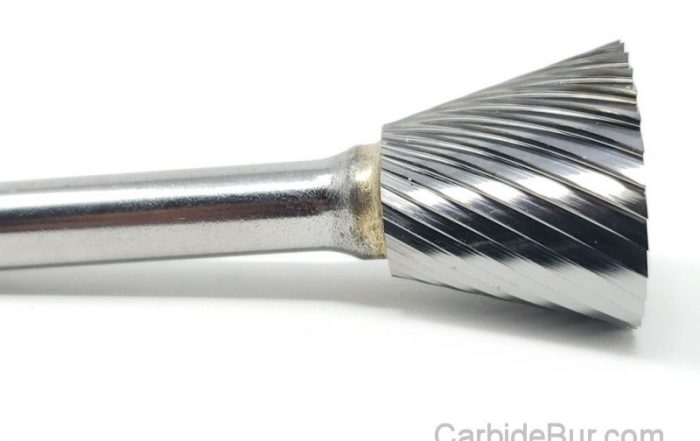
1/8 vs 1/4 Inch Carbide Burrs: What’s the Difference?
1/8 vs 1/4 Inch Carbide Burrs: What's the Difference? Choosing between a 1/8 inch carbide burr and a 1/4 inch carbide burr can change how your project turns out. Many machinists and hobbyists overlook how [...]
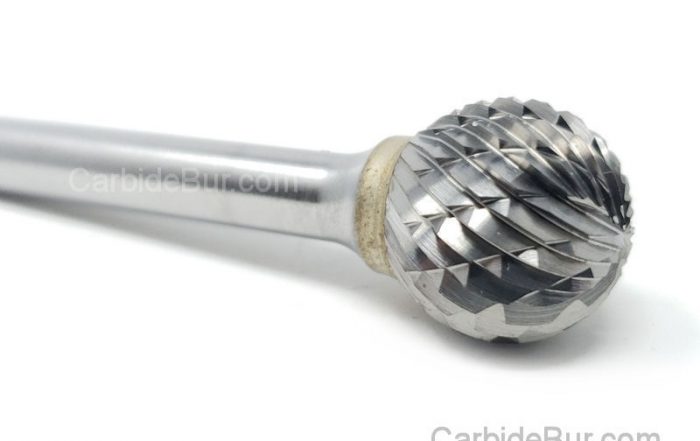
Best Carbide Burr for Removing Flash From Castings
Best Carbide Burr for Removing Flash From Castings Removing flash from castings is a task that can slow down your entire metalworking process if you don’t have the right tools. Picking the best carbide burr [...]
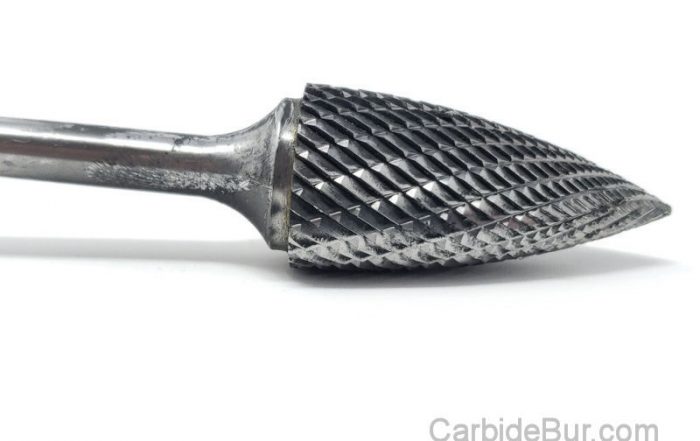
What RPM Should You Use for a 1/4 Inch Carbide Burr?
What RPM Should You Use for a 1/4 Inch Carbide Burr? Most machinists guess the right speed for a 1/4 inch carbide burr and hope for the best. Using the wrong carbide burr RPM can [...]
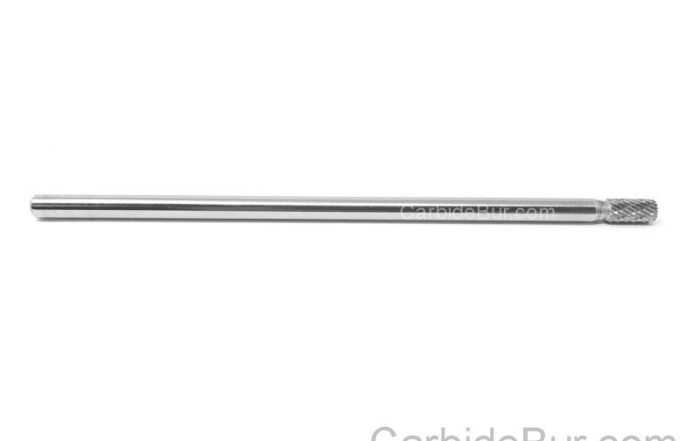
Long Shank Carbide Burrs: When Do You Need One?
Long Shank Carbide Burrs: When Do You Need One? Most machinists overlook the power of long shank carbide burrs until a project demands precision in tight spaces. When your usual tools can’t reach intricate contours, [...]
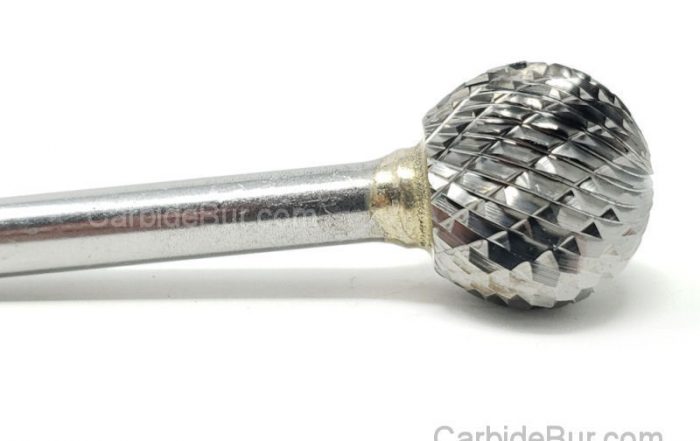
How Deep Can a Carbide Burr Cut Metal?
How Deep Can a Carbide Burr Cut Metal? Carbide burrs often get praised for their precision, but many users hit a wall wondering how deep they can actually cut metal. The truth is, cutting depth [...]
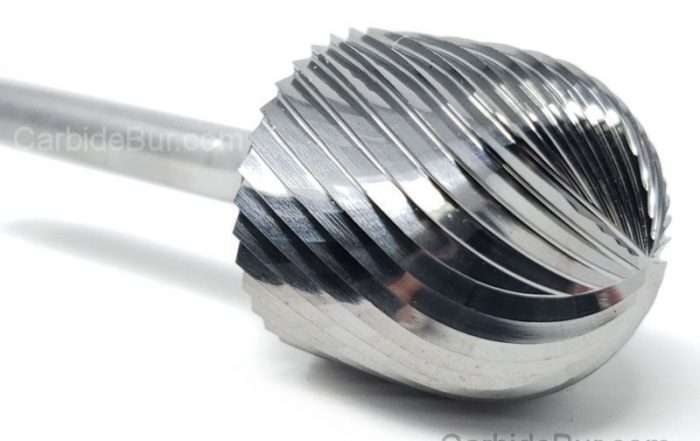
How to Use Carbide Burrs for Port Matching
How to Use Carbide Burrs for Port Matching Most engine builds hit a wall when airflow doesn’t flow smoothly between the ports and manifolds. If your engine isn’t breathing right, your performance stalls. Using the [...]
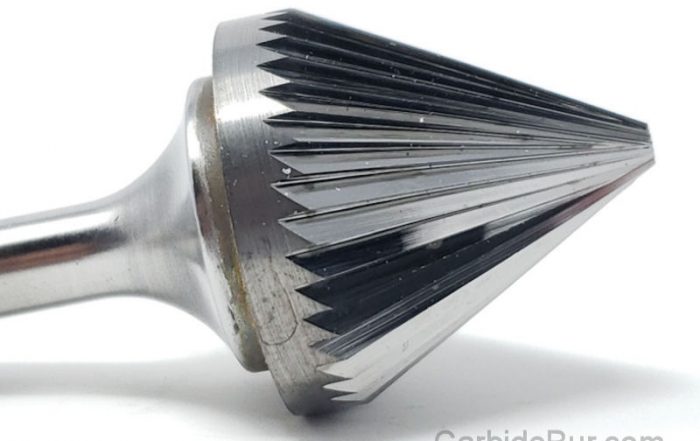
Best Carbide Burr for Porting Intake Manifolds
Best Carbide Burr for Porting Intake Manifolds Porting intake manifolds can make or break your engine’s airflow, yet many struggle with the right tools for the job. Choosing the best carbide burrs is key to [...]
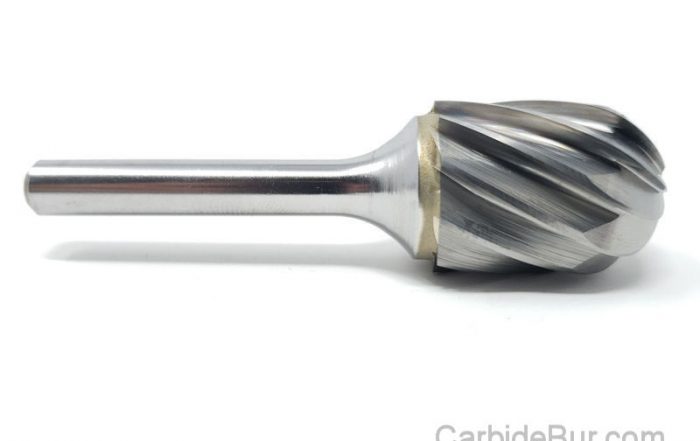
Best Carbide Burr for Concave Surfaces
Best Carbide Burr for Concave Surfaces Concave surfaces can turn a straightforward project into a frustrating challenge if you don’t have the right tool. Carbide burrs designed for these tricky curves make all the difference [...]
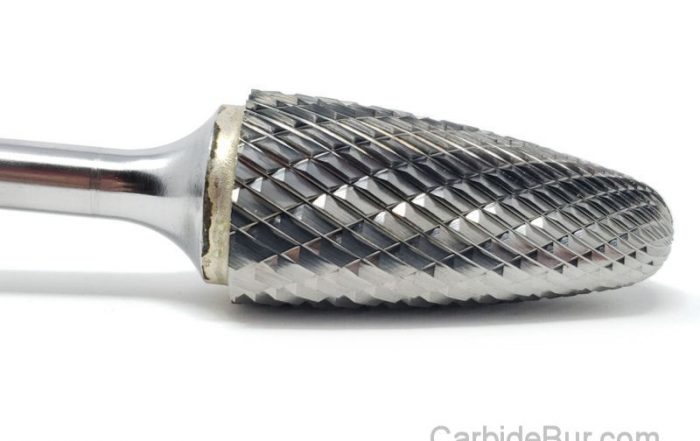
How to Grind a Slot in Metal With a Carbide Burr
How to Grind a Slot in Metal With a Carbide Burr Grinding a precise slot in metal can feel like a tricky task, especially if you’re unsure which tools to trust. Carbide burr grinding offers [...]

Best Carbide Burr for Inside Corners
Best Carbide Burr for Inside Corners Working in tight inside corners can turn even simple projects into frustrating tasks. Many carbide burrs just don’t fit or cut cleanly where you need them most. The best [...]
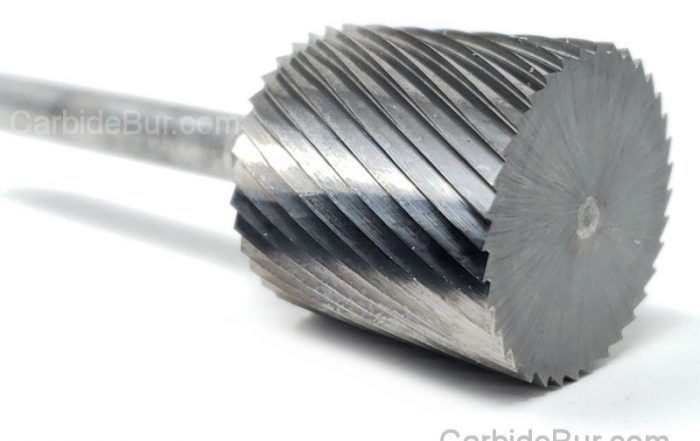
What Size Carbide Burr Do I Need?
What Size Carbide Burr Do I Need? Picking the wrong carbide burr can turn a simple project into a frustrating mess. You might have the best machining tools but still miss the mark if your [...]
How to Smooth Sharp Metal Edges With a Carbide Burr
How to Smooth Sharp Metal Edges With a Carbide Burr Sharp metal edges can turn your project from professional to risky in seconds. If you’ve struggled with smoothing metal edges without scratching or weakening the [...]
