
Mastering Metal and Wood Projects: Single Cut vs. Double Cut Carbide Burrs Explained
Choosing the right carbide burr can make or break your metal or wood project. Single cut carbide burrs and double cut carbide burrs each bring different strengths to the table, but mixing them up can cost you time and quality. This guide breaks down their key differences and shows where each shines, so you can pick the perfect tool for your next project. For more details, visit this link.
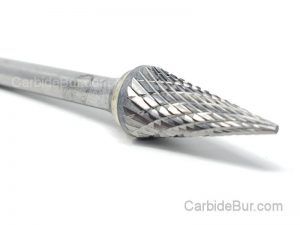
Click here for our entire selection of carbide bur tools
Understanding Carbide Burrs
The universe of carbide burrs is vast, and understanding the difference between single cut and double cut variants is crucial. Let’s dive into what sets these two apart.
Single Cut vs. Double Cut
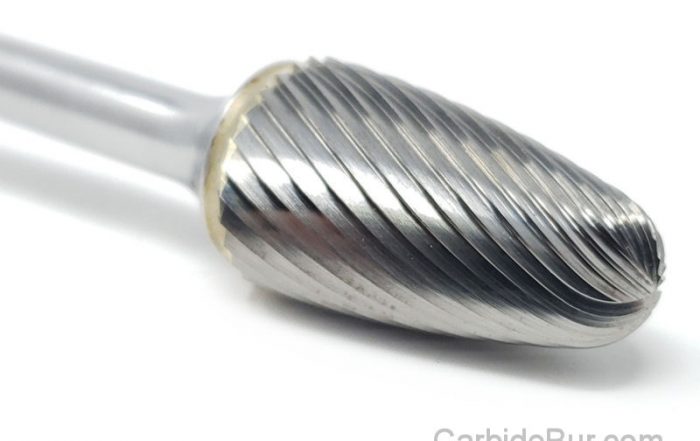
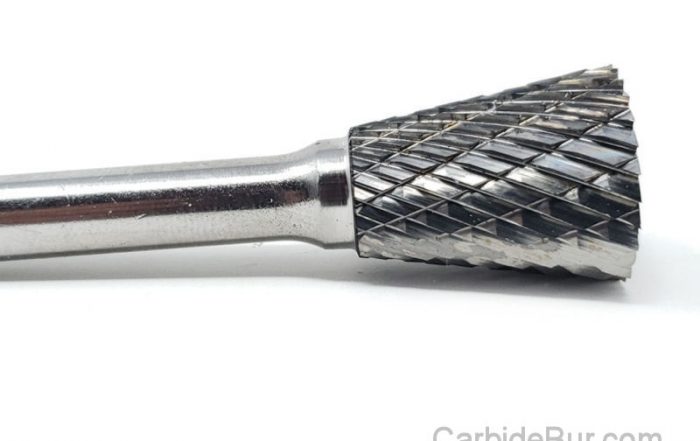
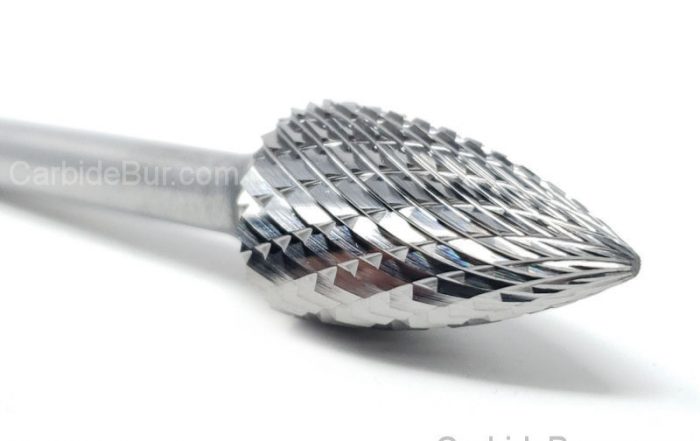
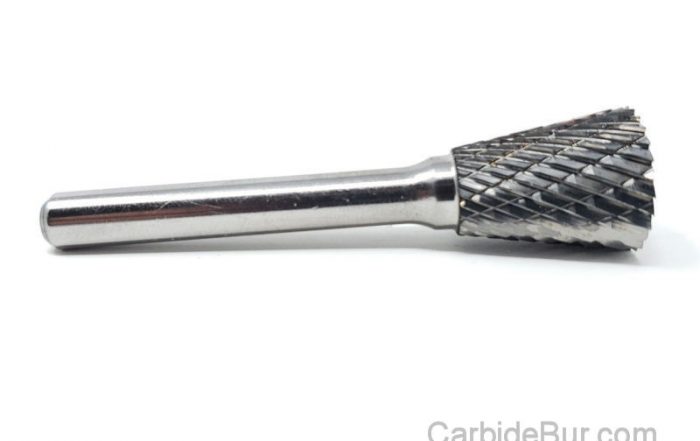
Single cut carbide burrs are great for cutting hard materials. They produce long chips and are perfect for achieving smooth finishes. On the other hand, double cut carbide burrs are ideal for fine detailing and work well on both metal and wood. They create smaller chips and are excellent for removing material faster. A single cut burr is most effective when you want a sleek finish on hard metals. For versatile and precise work, double cut burrs are your go-to. Learn more about these differences.
Essential Carbide Burr Applications
Carbide burrs find their place in various fields. With a carbide burr set, you can tackle tasks in metalworking, woodworking, and even DIY hobbies. They excel in detail work, such as carving or engraving, and are perfect when precision is needed. For those involved in dental work, specific dental carbide burs offer reliability and precision. The key lies in choosing the right type based on your project needs. Whether you’re smoothing welds, shaping wood, or carving intricate designs, carbide burrs are tools you can depend on. For more on their applications, check out this resource.
Choosing the Right Burr
Selecting the right burr can elevate your project outcomes. Understanding how each type interacts with your material is essential.
Metalworking Tools and Techniques
In metalworking, the right tools make all the difference. Metalworking tools such as tungsten carbide burrs are indispensable. They help in shaping, smoothing, and detailing metal pieces. For hard metals, single cut burrs can provide the clean cuts you need. When working on softer metals or when you need versatility, double cut burrs excel. They offer precision and speed, reducing time spent on projects. Familiarize yourself with different burr shapes and sizes to enhance your metalworking repertoire. Explore more here.
Woodworking Tools and Efficiency
Woodworking projects demand a different approach. Woodworking tools equipped with carbide burrs allow for precise cuts and smooth finishes. Double cut burrs are particularly useful here, as they prevent clogging and overheating. They are perfect for shaping and refining wood surfaces. For intricate designs, these burrs bring out the detail without damaging the wood. By choosing the right burr, you maximize the efficiency of your woodworking endeavors, ensuring quality results every time. Discover more tips here.
Performance and Advantages
The advantages of using carbide burrs are numerous. They stand out due to their durability and precision.
Key Benefits of Carbide Burrs
Carbide burrs are known for their long-lasting performance. They can withstand high temperatures and maintain sharpness longer than other materials. This durability translates to fewer replacements and reduced costs over time. The precision they offer helps in creating intricate designs with ease. Whether you’re cutting metal or wood, these burrs provide consistent and reliable results. Their versatility makes them a staple in any professional’s toolkit. Here’s the key insight: investing in quality carbide burrs enhances your project’s finish and reduces effort.
Optimizing Burr Tool Guide
To get the most from your burrs, consider these tips. Keep your tools clean to ensure longevity. Regular maintenance prevents wear and tear. Choose the right speed for your material; too fast can lead to overheating. Experiment with different burr shapes and sizes to find what works best for your projects. By optimizing how you use your burrs, you improve both performance and results. The longer you wait to refine your technique, the more time you spend on corrections. Start today and see the difference it makes in your projects.
This guide should equip you with the knowledge needed to choose and use carbide burrs effectively. With the right burr and technique, your metal and wood projects will undoubtedly reach new heights.
Click here for our entire selection of carbide bur tools

Can You Use a Carbide Burr With an Electric Die Grinder?
Can You Use a Carbide Burr With an Electric Die Grinder? Most people don’t realize how much a carbide burr can change the way an electric die grinder works. Using the right burr type can [...]
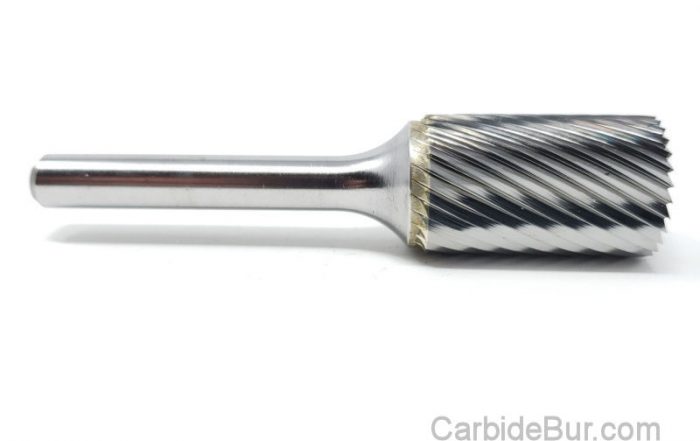
How to Deburr Holes With a Carbide Burr
How to Deburr Holes With a Carbide Burr Most people think any tool will do for deburring holes. The truth is, using the right carbide burr with the correct size and shape changes everything. In [...]
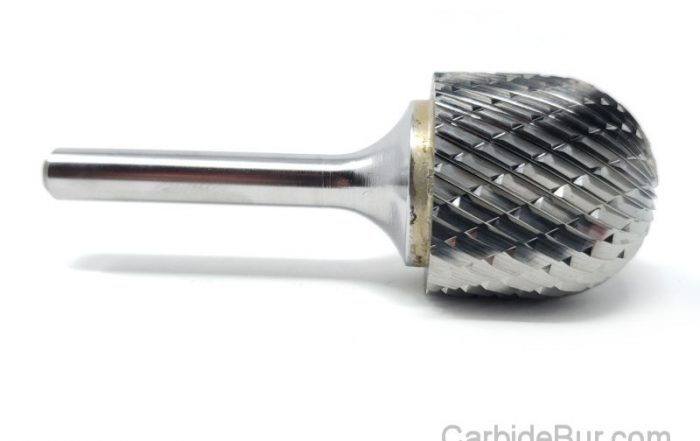
How to Choose the Correct Carbide Burr Shank Size
How to Choose the Correct Carbide Burr Shank Size Many machinists lose hours troubleshooting tool issues caused by the wrong carbide burr shank size. Using a shank that doesn’t fit your grinder can lead to [...]
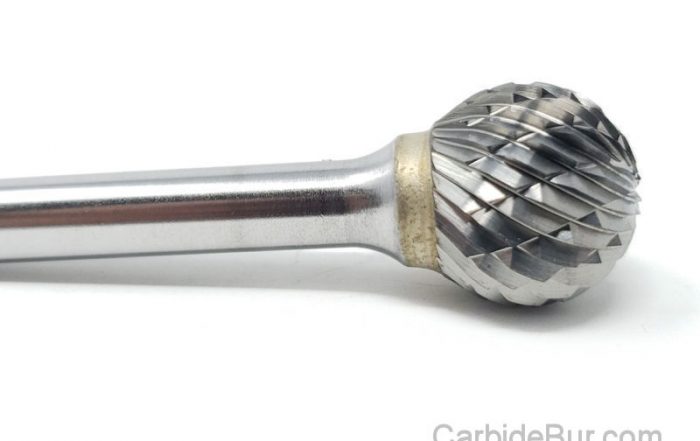
How to Remove Casting Flash With a Carbide Burr
How to Remove Casting Flash With a Carbide Burr Casting flash ruins the look and fit of your metal parts. You’ve tried sanding or grinding, but the results aren’t clean or fast enough. Learning how [...]
Best Carbide Burr for Enlarging a Hole in Metal
Best Carbide Burr for Enlarging a Hole in Metal When you need to enlarge a hole in metal, grabbing the wrong carbide burr can turn a simple task into a frustrating mess. Picking the best [...]
Carbide Burr Safety: 15 Mistakes That Can Cause Injury or Damage
Carbide Burr Safety: 15 Mistakes That Can Cause Injury or Damage Carbide burr safety is often overlooked until a costly mistake happens. Many metalworkers and DIYers make the same errors that lead to injuries or [...]
Can You Use a Carbide Burr in a Drill?
Can You Use a Carbide Burr in a Drill? Most people think a standard drill can’t handle a carbide burr, but that’s not true. Using carbide burr in the right drill can speed up your [...]
Carbide Burrs for Removing Rust: What Works Best?
Carbide Burrs for Removing Rust: What Works Best? Rust can turn your favorite tools into useless junk faster than you expect. Removing it without ruining the metal underneath takes more than just elbow grease—it demands [...]
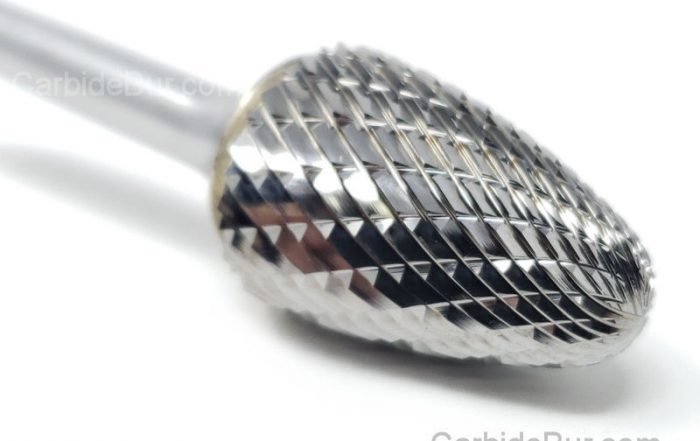
How Much Pressure Should You Use With a Carbide Burr?
How Much Pressure Should You Use With a Carbide Burr? Most people think pressing harder with a carbide burr speeds up the job. That’s not true—too much pressure wears out your tool and ruins the [...]
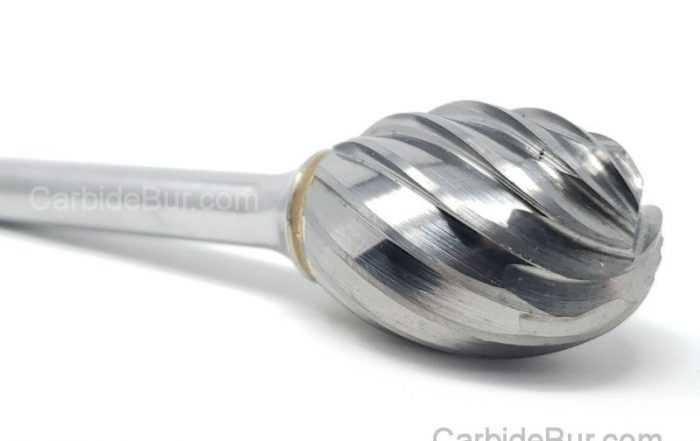
Can You Use Carbide Burrs With an Air Die Grinder?
Can You Use Carbide Burrs With an Air Die Grinder? Most people don’t realize how well carbide burrs work with air die grinders until they try them. If you’ve ever struggled with finding the right [...]
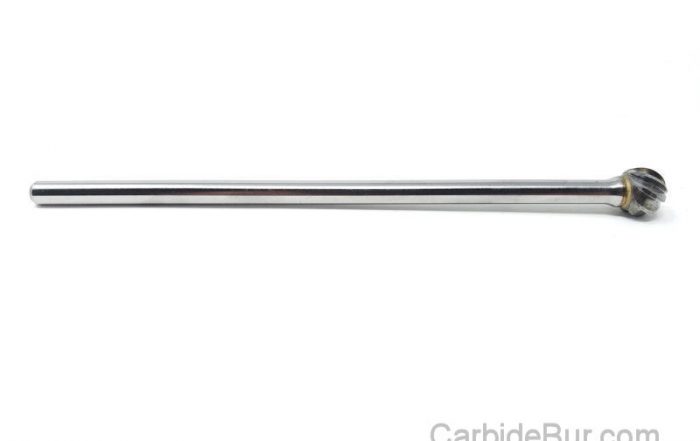
Best Long Reach Carbide Burr for Deep Metal Work
Best Long Reach Carbide Burr for Deep Metal Work Long reach carbide burrs often promise deep metal access, but many fall short where it counts most. You need a tool that cuts cleanly, lasts through [...]
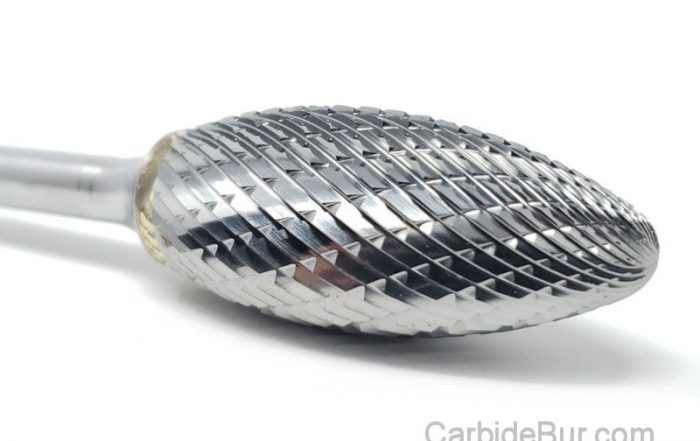
What RPM Should You Use for a 1/8 Inch Carbide Burr?
What RPM Should You Use for a 1/8 Inch Carbide Burr? Most people guess the right carbide burr RPM by feel—and waste hours redoing work. If you want cleaner cuts and longer tool life, your [...]
