
Mastering Cast Iron Machining: Selecting the Right Carbide Burr Shapes and Sizes
Cutting cast iron with the wrong tools wastes time and wears burrs fast. Choosing the best carbide burr for cast iron means picking the right shapes and sizes that match your project and keep your tools sharp longer. This guide breaks down how carbide burr geometry and coatings affect performance, plus shares machining techniques to get smooth, precise results every time. Keep reading to sharpen your skills and improve your cast iron work. For more insights, visit this comprehensive guide.
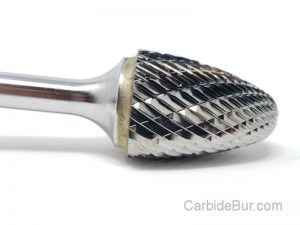
Check out this selection of USA made carbide burs
Understanding Carbide Burrs
Before diving into specific shapes and sizes, it’s crucial to grasp why carbide burrs are invaluable in machining cast iron. Their hardiness and versatility make them a top choice for precision work.
Importance of Carbide Burrs
Carbide burrs are essential for cutting and shaping metals like cast iron. Their toughness allows them to handle intense heat and pressure without losing their edge. Most machinists rely on these tools because they keep your projects on track, saving both time and money. When you use the right burr, your work becomes smoother and more efficient.
Unique Attributes for Cutting Cast Iron
Cast iron presents unique challenges due to its brittleness and high carbon content. Carbide burrs designed for cast iron have attributes that tackle these challenges head-on. They resist chipping and maintain sharpness, ensuring clean cuts every time. Their resilience against wear makes them perfect for long-term use on demanding projects.
Choosing the Right Cutting Geometry
Cutting geometry can make or break your machining success. For cast iron, choosing burrs with optimal flute angles and shapes is key. This geometry enhances chip removal and reduces heat build-up, leading to more precise results. Tools with the right geometry mean less time sanding or refining, so you can focus on what matters.
Selecting Burr Shapes and Sizes
Moving from geometry to shapes and sizes is the next step in mastering carbide burrs. Specific shapes suit different tasks, and selecting the right size is vital for project efficiency.
Common Burr Shapes for Cast Iron
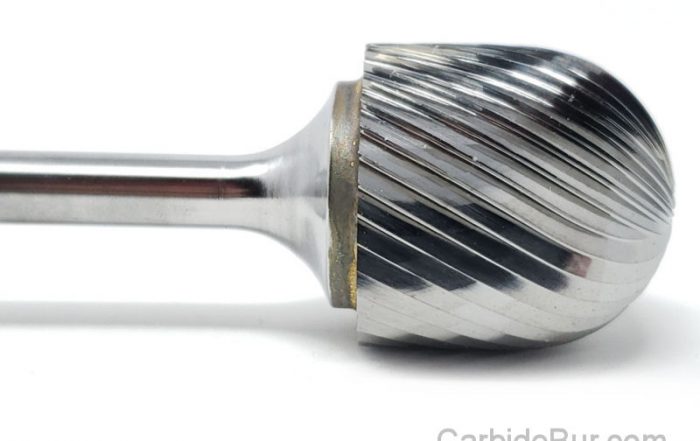
Common burr shapes include cylindrical, ball, and tree. Cylindrical burrs are great for flat surfaces, while ball shapes excel in creating concave cuts. Tree-shaped burrs help in tight spaces and intricate designs. By understanding these shapes, you match the right tool to your task, reducing mistakes and improving outcomes.

Need a longer reach for your die grinder?
Recommended Sizes for Various Projects
Choosing the correct burr size impacts your machining precision. For larger projects, bigger burrs expedite material removal. Smaller burrs provide detail work on intricate designs. Matching size to the task ensures you achieve desired results without unnecessary wear on your tools.
Matching Burrs to Machining Needs
Each project demands a specific burr. Consider speed, precision, and your project’s scale. Picking the right burr minimizes tool wear and maximizes output. This alignment ensures every cut you make is clean, precise, and efficient.
Enhancing Burr Performance
To get the most from your burrs, consider how to prolong their life and boost their performance. Simple tweaks can lead to significant improvements in your machining process.
Preventing Premature Wear
Premature wear ruins tools and adds costs. To prevent this, use proper speed settings and apply consistent pressure. Keep burrs clean to avoid build-up that leads to dulling. Regular maintenance boosts longevity and ensures your tools remain effective.
Coatings for Longevity and Efficiency
Coatings like titanium nitride add protection and enhance performance. They reduce friction and heat, allowing burrs to last longer. Investing in coated burrs can save you money over time by reducing tool replacement frequency.
Optimizing Burr Life and Function
Optimizing involves using correct speeds and feeds. Avoid excessive force, which wears out burrs quickly. Instead, let the burr do the work. This approach maximizes efficiency and prolongs tool life, keeping your projects on track. For more tips, check out this detailed guide on burr performance.
Machining Techniques for Cast Iron
Mastering machining techniques enhances both your skill and project outcomes. Each technique has a significant impact on the finished result.
Proper Techniques for Precision
Precision requires steady hands and the right technique. Use smooth, continuous motions, and maintain a stable grip. This steadiness influences the quality of your cuts. Proper technique ensures consistency and prevents errors.
Recommended Speeds and Feeds
Using the right speeds and feeds ensures optimal performance. Low speeds reduce heat buildup, while consistent feeds prevent tool chatter. This balance maintains tool integrity and delivers better results. For a deeper dive into techniques, explore this comprehensive resource.
Tips for Smooth Operation
Smooth operation minimizes tool wear and enhances finish quality. Always keep tools sharp and ensure proper alignment with the workpiece. These tips are key to producing a flawless surface with minimal post-processing.
Achieving Precision in Fabrication
Precision is the ultimate goal in machining. Achieving it requires a mix of skill and the right tools.
Ensuring Accurate Results
Accurate results stem from careful planning and execution. Measure twice, cut once, and use high-quality burrs for the best outcome. Accuracy saves time and enhances the overall quality of your work.
Best Practices in Machining
Adopt best practices like regular tool inspection and maintenance. Stay informed about new techniques and technologies. These practices keep you ahead in the field and improve your work consistently.
Empowering Your Machining Endeavors
Empower yourself by investing in the right tools and knowledge. Stay curious, keep learning, and strive for excellence in every project. With these insights, you’re well on your way to mastering cast iron machining. For more guidance, explore this resource.
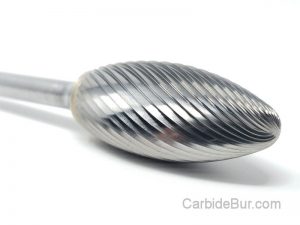
Looking for Carbide Bur Tools?
Check out our entire selection of USA made carbide bur die grinder tool bits
Follow us on Twitter

Return to CarbideBur.com
Carbide Burs – 1/4″ on 1/8″ Shanks – Accessories – Aluminum Cut – Bur Sets – End Mills – Long Shank – Solid Burs
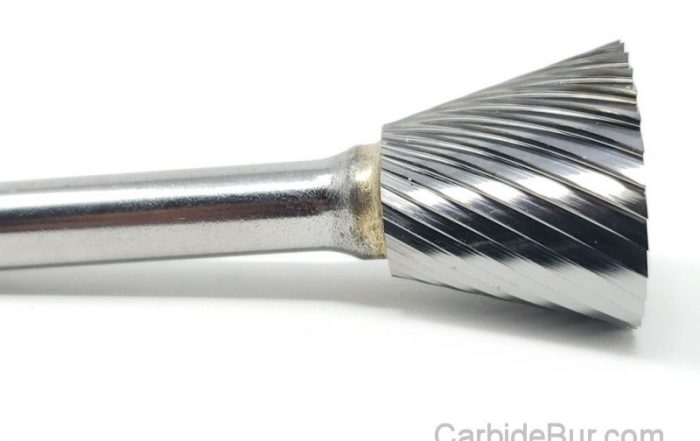
1/8 vs 1/4 Inch Carbide Burrs: What’s the Difference?
1/8 vs 1/4 Inch Carbide Burrs: What's the Difference? Choosing between a 1/8 inch carbide burr and a 1/4 inch carbide burr can change how your project turns out. Many machinists and hobbyists overlook how [...]
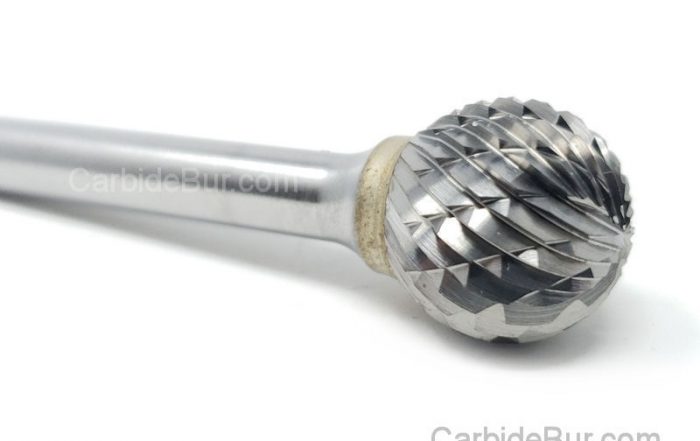
Best Carbide Burr for Removing Flash From Castings
Best Carbide Burr for Removing Flash From Castings Removing flash from castings is a task that can slow down your entire metalworking process if you don’t have the right tools. Picking the best carbide burr [...]
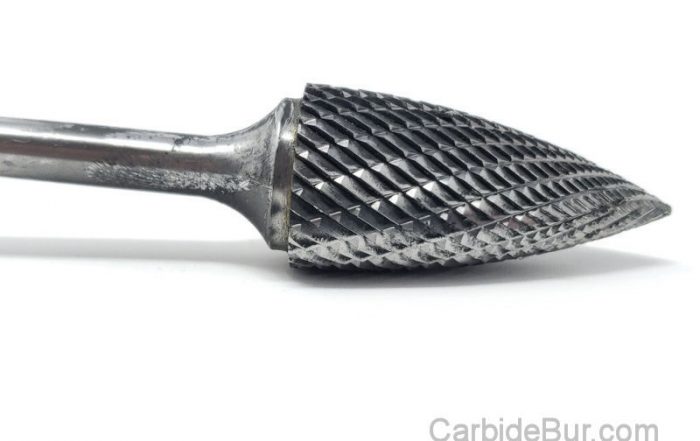
What RPM Should You Use for a 1/4 Inch Carbide Burr?
What RPM Should You Use for a 1/4 Inch Carbide Burr? Most machinists guess the right speed for a 1/4 inch carbide burr and hope for the best. Using the wrong carbide burr RPM can [...]
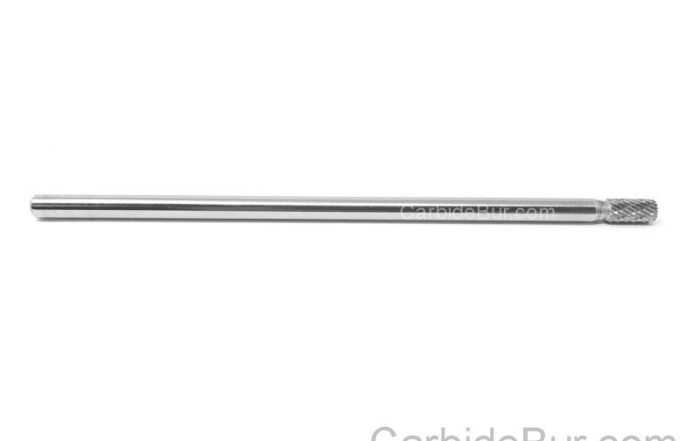
Long Shank Carbide Burrs: When Do You Need One?
Long Shank Carbide Burrs: When Do You Need One? Most machinists overlook the power of long shank carbide burrs until a project demands precision in tight spaces. When your usual tools can’t reach intricate contours, [...]
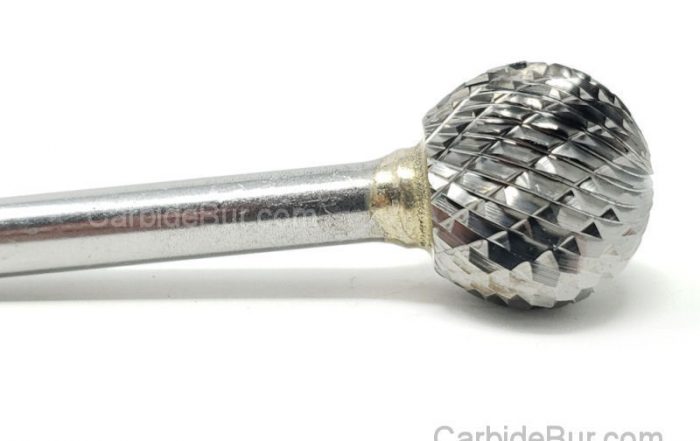
How Deep Can a Carbide Burr Cut Metal?
How Deep Can a Carbide Burr Cut Metal? Carbide burrs often get praised for their precision, but many users hit a wall wondering how deep they can actually cut metal. The truth is, cutting depth [...]
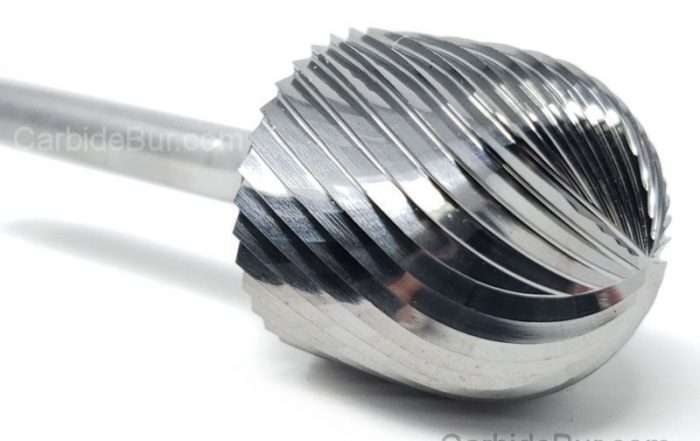
How to Use Carbide Burrs for Port Matching
How to Use Carbide Burrs for Port Matching Most engine builds hit a wall when airflow doesn’t flow smoothly between the ports and manifolds. If your engine isn’t breathing right, your performance stalls. Using the [...]
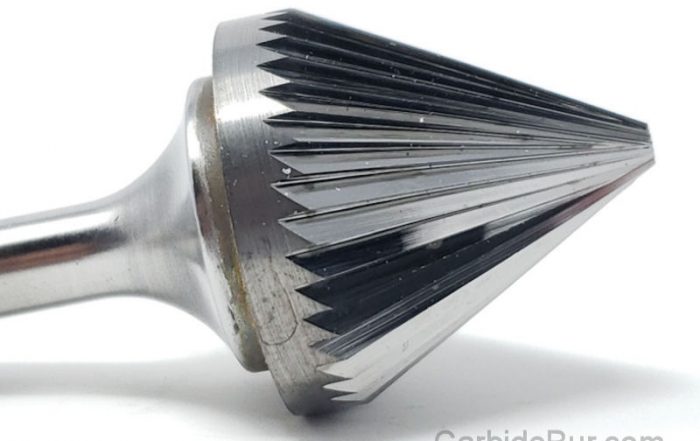
Best Carbide Burr for Porting Intake Manifolds
Best Carbide Burr for Porting Intake Manifolds Porting intake manifolds can make or break your engine’s airflow, yet many struggle with the right tools for the job. Choosing the best carbide burrs is key to [...]
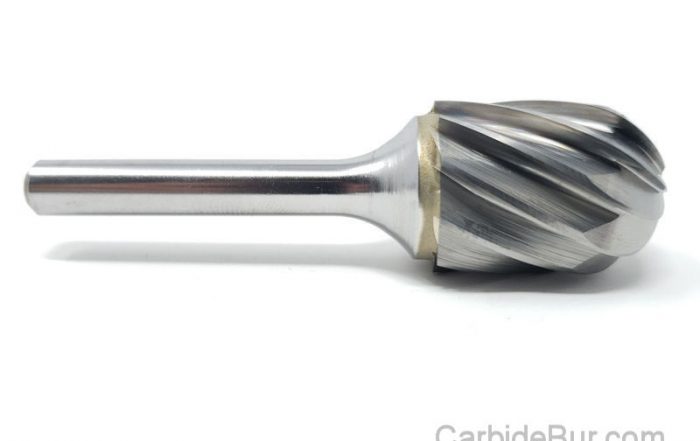
Best Carbide Burr for Concave Surfaces
Best Carbide Burr for Concave Surfaces Concave surfaces can turn a straightforward project into a frustrating challenge if you don’t have the right tool. Carbide burrs designed for these tricky curves make all the difference [...]
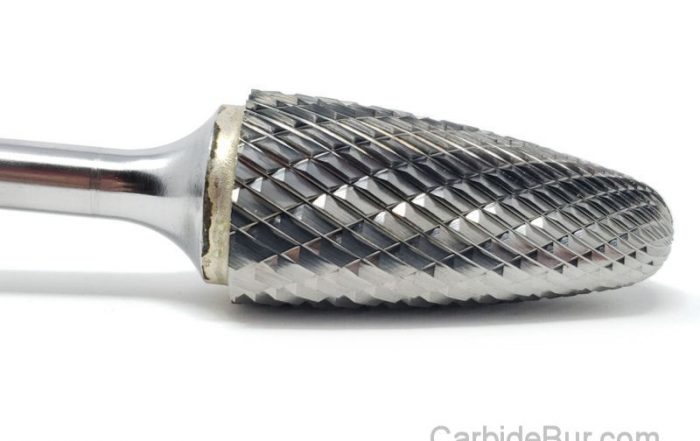
How to Grind a Slot in Metal With a Carbide Burr
How to Grind a Slot in Metal With a Carbide Burr Grinding a precise slot in metal can feel like a tricky task, especially if you’re unsure which tools to trust. Carbide burr grinding offers [...]

Best Carbide Burr for Inside Corners
Best Carbide Burr for Inside Corners Working in tight inside corners can turn even simple projects into frustrating tasks. Many carbide burrs just don’t fit or cut cleanly where you need them most. The best [...]
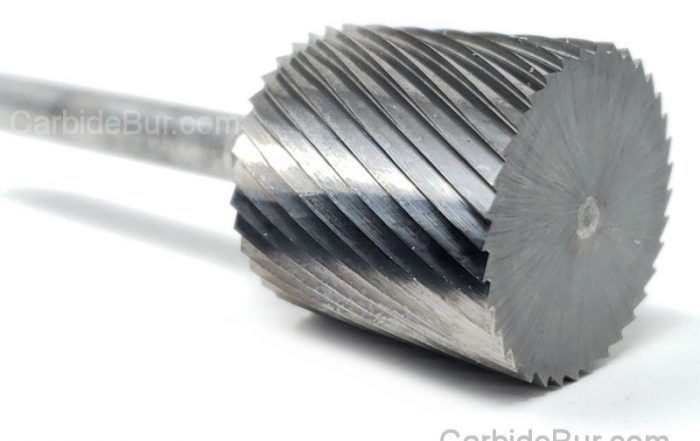
What Size Carbide Burr Do I Need?
What Size Carbide Burr Do I Need? Picking the wrong carbide burr can turn a simple project into a frustrating mess. You might have the best machining tools but still miss the mark if your [...]
How to Smooth Sharp Metal Edges With a Carbide Burr
How to Smooth Sharp Metal Edges With a Carbide Burr Sharp metal edges can turn your project from professional to risky in seconds. If you’ve struggled with smoothing metal edges without scratching or weakening the [...]
