
The Ultimate Tool Comparison: Carbide Burrs and Flap Discs for Metalworkers
Choosing between carbide burrs and flap discs can feel like picking the ultimate tool for your metalwork projects. Each tool offers distinct advantages depending on the task at hand, but knowing which one fits your needs can save hours of frustration. This tool comparison breaks down how carbide burrs and flap discs perform in material removal, precision shaping, and surface grinding, helping you find the best tools for metalwork that match your workflow. Stick around to see which option will sharpen your results.
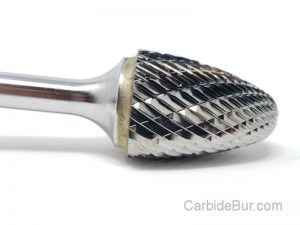
Check out this selection of USA made carbide burs
Carbide Burrs Overview
Carbide burrs are essential tools in metalworking, offering unique advantages that make them stand out. Let’s explore what makes these tools special and how they can benefit your projects.
Material Compatibility and Versatility
Carbide burrs are known for their ability to work with a wide range of materials. Whether you’re dealing with steel, aluminum, or even wood, these tools can handle it all. The key to their versatility lies in their robust construction. Made from tungsten carbide, they are built to last and perform consistently. This means you can count on them for various projects without switching tools frequently. Their durability ensures long-term use, making them a reliable choice for any metalworker.
Precision Shaping Capabilities
If precision is what you need, carbide burrs deliver. These tools are designed to achieve intricate shapes and detailed work. With their sharp cutting edges, they provide smooth and accurate results. This makes them perfect for tasks that require a high level of detail, such as engraving and carving. You can easily create complex patterns and designs with confidence. Their ability to maintain precision over time adds to their value, making them indispensable in any workshop.
Finish Quality and Applications
The finish quality achieved with carbide burrs is impressive. They leave surfaces smooth and ready for the next step in your project. From deburring to fine finishing, these tools cover a broad spectrum of applications. In addition to metal, they work well on plastics and ceramics, expanding their usability. Their ability to produce a professional finish without additional steps saves time and effort. This efficiency makes them a favorite among craftsmen and DIY enthusiasts alike.

Need a longer reach for your die grinder?
Flap Discs Overview
Now, let’s turn the focus to flap discs, another powerhouse in the realm of material removal tools.
Material Removal Efficiency
Flap discs excel in removing material quickly and efficiently. Their layered construction allows for consistent contact with the surface, making them ideal for grinding and smoothing tasks. This design not only speeds up the process but also ensures even wear, extending the disc’s lifespan. Whether you’re tackling rust removal or welding seams, flap discs get the job done swiftly. Their efficiency makes them a go-to choice when time is of the essence.
Surface Grinding Techniques
When it comes to surface grinding, flap discs shine. They offer a more controlled and even grind compared to other tools. The abrasive flaps conform to the shape of the workpiece, providing a smooth finish without gouging. This makes them perfect for preparing surfaces for painting or coating. The ability to achieve a uniform finish with minimal effort is a game-changer. For those seeking consistency in surface preparation, flap discs are hard to beat.
Finish Quality and Applications
Flap discs are not just about speed; they also deliver high-quality finishes. Their design allows for gradual material removal, ensuring a polished look. This makes them suitable for both rough and fine finishing tasks. From metal to stone, their application range is broad. They are especially useful in projects where aesthetics matter, providing a clean and professional appearance. This versatility makes them a staple in many workshops.
Comparing Performance
Having explored both tools, it’s time to compare their performance in key areas to help you decide which suits your needs best.
Speed and Efficiency
In the battle of speed, flap discs often take the lead due to their rapid material removal capabilities. However, when precision is the goal, carbide burrs can perform intricate tasks with finesse. Each tool has its strengths, and understanding your project’s demands will guide you to the right choice.
Precision and Accuracy
For tasks requiring exactness, carbide burrs are the preferred option. Their ability to create detailed shapes is unmatched. While flap discs can achieve good results, they excel more in broad applications. If your work involves intricate designs, carbide burrs are the better fit.
Versatility and Application Range
Both tools offer impressive versatility. Flap discs are great for quick jobs and large surfaces, while carbide burrs handle detailed and varied materials. Depending on your workflow, you might find one more adaptable than the other. Consider what you need most: broad capability or specialized precision.
Choosing the Right Tool
Now that you know how each tool performs, let’s delve into factors that influence the right choice for your projects.
Project Requirements and Considerations
Start by assessing your project’s specific needs. Are you focusing on speed or precision? Do you need a tool for varied materials? Understanding these requirements will guide your decision. Make a list of tasks and match them with the tool’s capabilities to ensure the best fit.
Cost Effectiveness and Durability
Budget often plays a crucial role in tool selection. While flap discs may be more economical initially, carbide burrs offer longevity. Evaluate how often you’ll use the tool and its expected lifespan. Sometimes, a higher initial investment leads to long-term savings.
User Experience and Handling
Comfort and ease of use are vital for efficient work. Flap discs are generally easier to handle, making them suitable for extended use. Carbide burrs, with their precision, may require more skill. Consider your comfort level and the tool’s learning curve when deciding.
Real-World Applications
Finally, let’s look at how these tools apply to different user groups and projects.
DIY Enthusiasts and Home Projects
For hobbyists, choosing the right tool enhances the creative process. Flap discs are great for quick tasks, while carbide burrs offer the precision needed for detailed work. Knowing your project type will help you pick the ideal tool.
Professional Metalworking and Fabrication
In professional settings, time and quality are paramount. Flap discs are favored for their speed in larger jobs, while carbide burrs cater to precise tasks. Having both in your arsenal ensures you’re prepared for any challenge.
Industry-Specific Use Cases
Different industries have unique demands. Automotive sectors may lean towards flap discs for surface prep, whereas jewelers might prefer carbide burrs for delicate designs. Identifying your industry’s needs will direct your tool choice.
In conclusion, the choice between carbide burrs and flap discs depends on your specific needs, project requirements, and personal preferences. Each tool offers distinct advantages, and understanding these can significantly enhance your workflow and results.
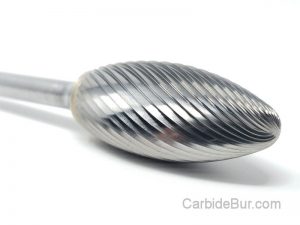
Looking for Carbide Bur Tools?
Check out our entire selection of USA made carbide bur die grinder tool bits
Follow us on Twitter

Return to CarbideBur.com
Carbide Burs – 1/4″ on 1/8″ Shanks – Accessories – Aluminum Cut – Bur Sets – End Mills – Long Shank – Solid Burs
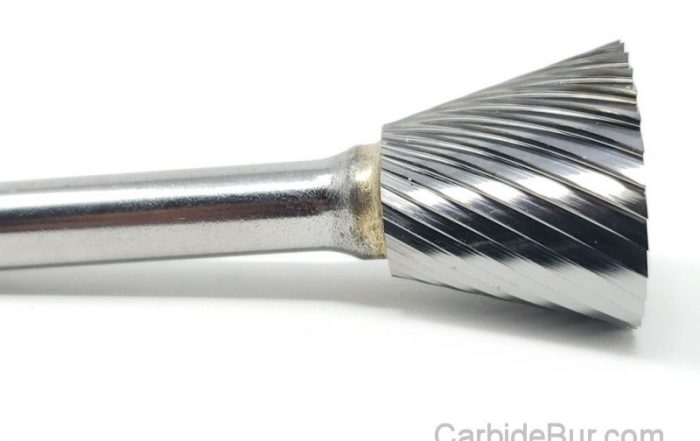
1/8 vs 1/4 Inch Carbide Burrs: What’s the Difference?
1/8 vs 1/4 Inch Carbide Burrs: What's the Difference? Choosing between a 1/8 inch carbide burr and a 1/4 inch carbide burr can change how your project turns out. Many machinists and hobbyists overlook how [...]

Best Carbide Burr for Removing Flash From Castings
Best Carbide Burr for Removing Flash From Castings Removing flash from castings is a task that can slow down your entire metalworking process if you don’t have the right tools. Picking the best carbide burr [...]
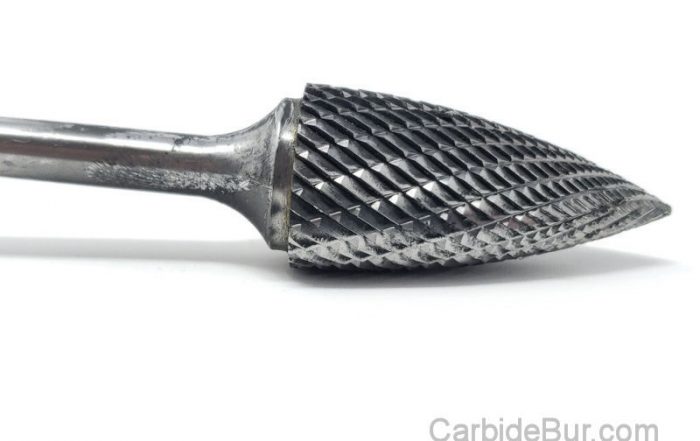
What RPM Should You Use for a 1/4 Inch Carbide Burr?
What RPM Should You Use for a 1/4 Inch Carbide Burr? Most machinists guess the right speed for a 1/4 inch carbide burr and hope for the best. Using the wrong carbide burr RPM can [...]
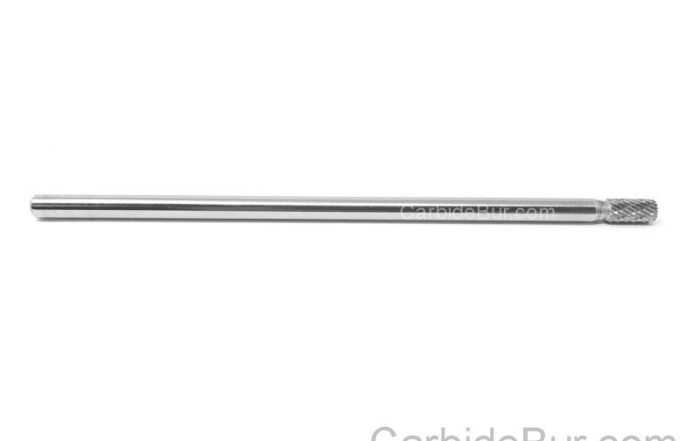
Long Shank Carbide Burrs: When Do You Need One?
Long Shank Carbide Burrs: When Do You Need One? Most machinists overlook the power of long shank carbide burrs until a project demands precision in tight spaces. When your usual tools can’t reach intricate contours, [...]
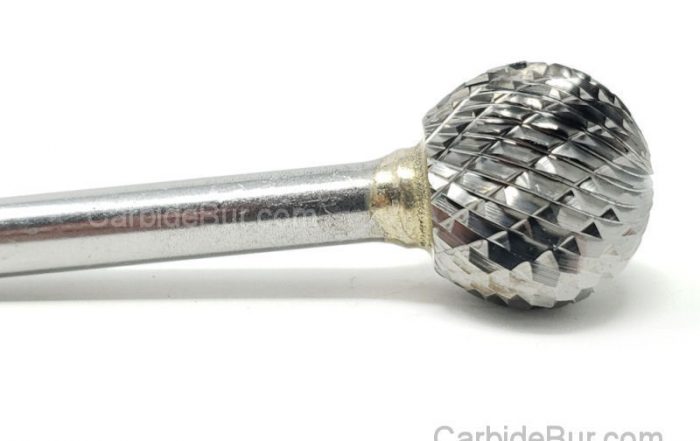
How Deep Can a Carbide Burr Cut Metal?
How Deep Can a Carbide Burr Cut Metal? Carbide burrs often get praised for their precision, but many users hit a wall wondering how deep they can actually cut metal. The truth is, cutting depth [...]
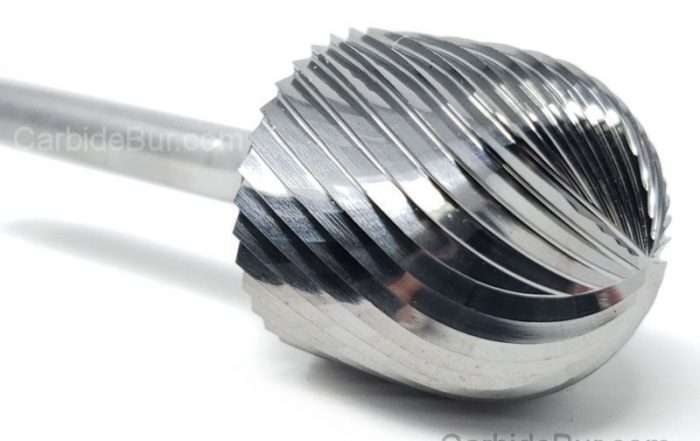
How to Use Carbide Burrs for Port Matching
How to Use Carbide Burrs for Port Matching Most engine builds hit a wall when airflow doesn’t flow smoothly between the ports and manifolds. If your engine isn’t breathing right, your performance stalls. Using the [...]
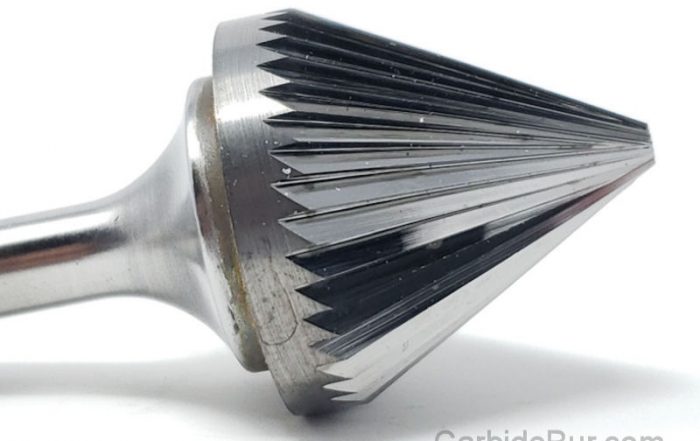
Best Carbide Burr for Porting Intake Manifolds
Best Carbide Burr for Porting Intake Manifolds Porting intake manifolds can make or break your engine’s airflow, yet many struggle with the right tools for the job. Choosing the best carbide burrs is key to [...]
Best Carbide Burr for Concave Surfaces
Best Carbide Burr for Concave Surfaces Concave surfaces can turn a straightforward project into a frustrating challenge if you don’t have the right tool. Carbide burrs designed for these tricky curves make all the difference [...]
How to Grind a Slot in Metal With a Carbide Burr
How to Grind a Slot in Metal With a Carbide Burr Grinding a precise slot in metal can feel like a tricky task, especially if you’re unsure which tools to trust. Carbide burr grinding offers [...]

Best Carbide Burr for Inside Corners
Best Carbide Burr for Inside Corners Working in tight inside corners can turn even simple projects into frustrating tasks. Many carbide burrs just don’t fit or cut cleanly where you need them most. The best [...]
What Size Carbide Burr Do I Need?
What Size Carbide Burr Do I Need? Picking the wrong carbide burr can turn a simple project into a frustrating mess. You might have the best machining tools but still miss the mark if your [...]
How to Smooth Sharp Metal Edges With a Carbide Burr
How to Smooth Sharp Metal Edges With a Carbide Burr Sharp metal edges can turn your project from professional to risky in seconds. If you’ve struggled with smoothing metal edges without scratching or weakening the [...]
