Best Carbide Burr for Porting Intake Manifolds
Porting intake manifolds can make or break your engine’s airflow, yet many struggle with the right tools for the job. Choosing the best carbide burrs is key to smoothing out those tight, tricky passages without wasting time or damaging parts. This guide breaks down which carbide burr for intake manifold porting will give you sharper cuts and better control, helping you boost engine performance and fuel efficiency with confidence. For more insights, visit this guide on perfecting material removal in tight spaces.
Understanding Carbide Burrs
Grasping the basics of carbide burrs sets the stage for improved engine work. Let’s explore how these tools impact your performance.
Basics of Carbide Burrs
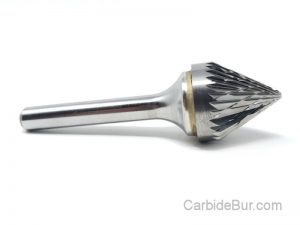
Carbide burrs are small, rotary cutting tools. They help you shape, deburr, and finish metal surfaces with precision. Made from robust carbide material, these burrs resist wear and maintain sharpness. This means they cut through materials smoothly and last longer, saving you time and money.
Focusing on quality burrs ensures smoother cuts and fewer tool replacements. They come in various shapes and sizes to suit different tasks. Whether you’re a seasoned mechanic or a DIY enthusiast, understanding these basics helps you choose the right tool for the job.
Importance in Engine Performance
Using the right burr in engine work is crucial. These tools refine the airflow within the intake manifold, enhancing engine performance. A properly ported manifold allows for better air intake, leading to more power and efficiency.
When airflow is optimized, your engine runs smoother and more efficiently. This results in better throttle response and improved horsepower. The key is selecting a burr that matches your engine’s needs, ensuring each cut contributes to performance gains.
Enhancing Fuel Efficiency
Better engine breathing can also boost fuel efficiency. When the manifold is ported properly, the engine doesn’t work as hard to draw in air. This reduces fuel consumption and leads to savings in the long run.
By selecting the right carbide burrs, you’re investing in tools that deliver both power and economy. This balance is essential for those seeking to improve their vehicles without overspending on fuel.
Types of Carbide Burrs
With the basics covered, let’s dive into the various types of burrs available. Knowing these differences helps refine your tool selection process.
Different Shapes and Uses
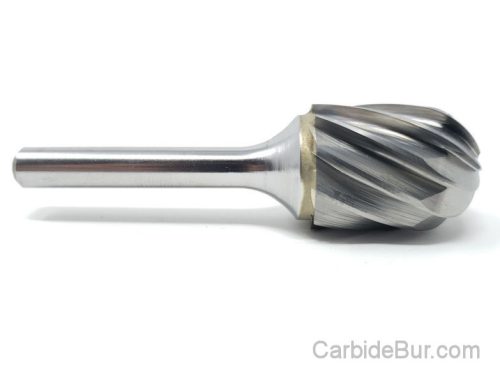
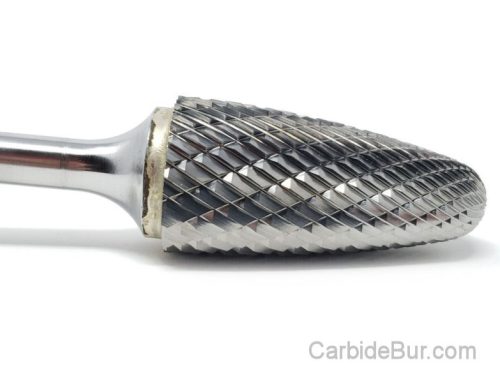
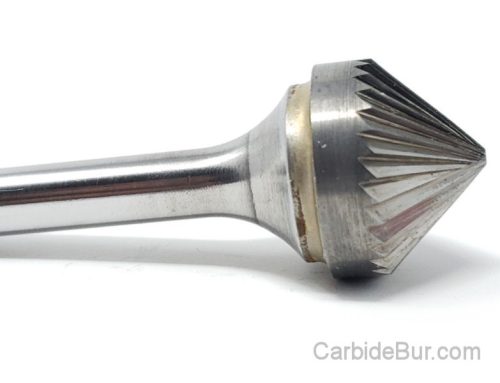
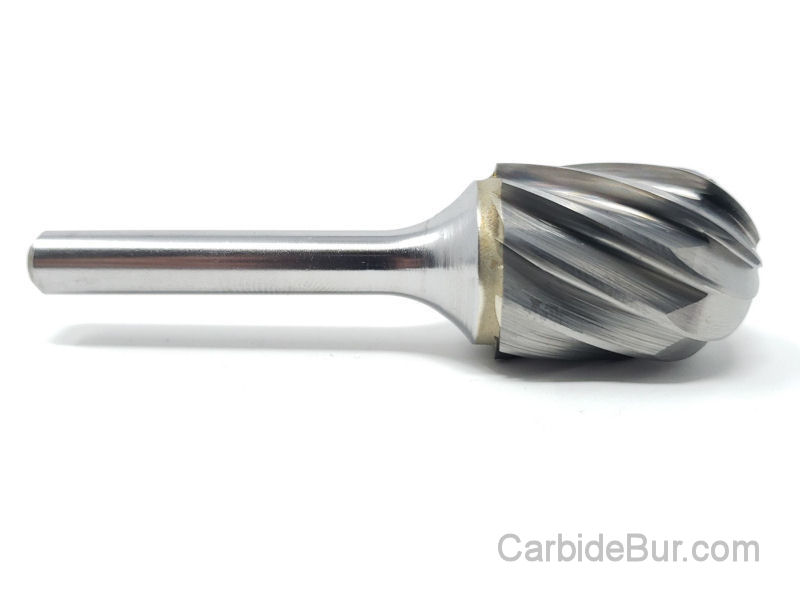
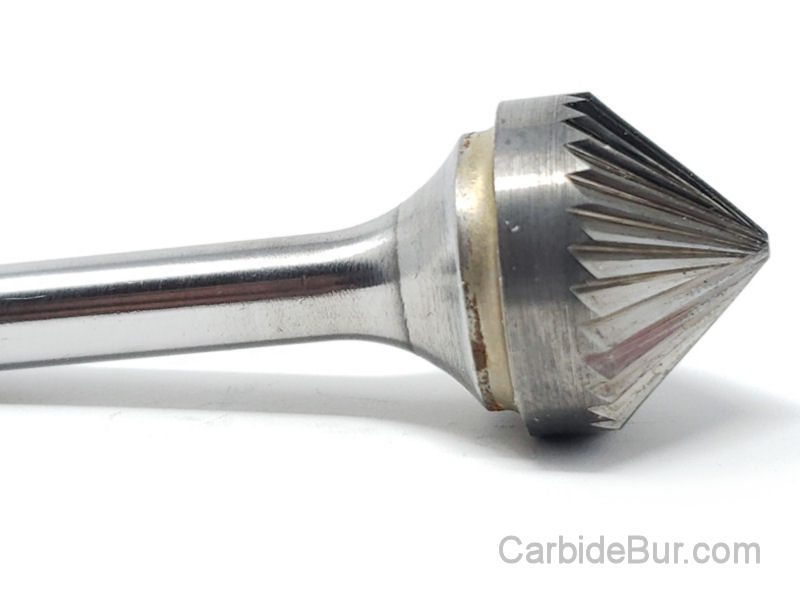
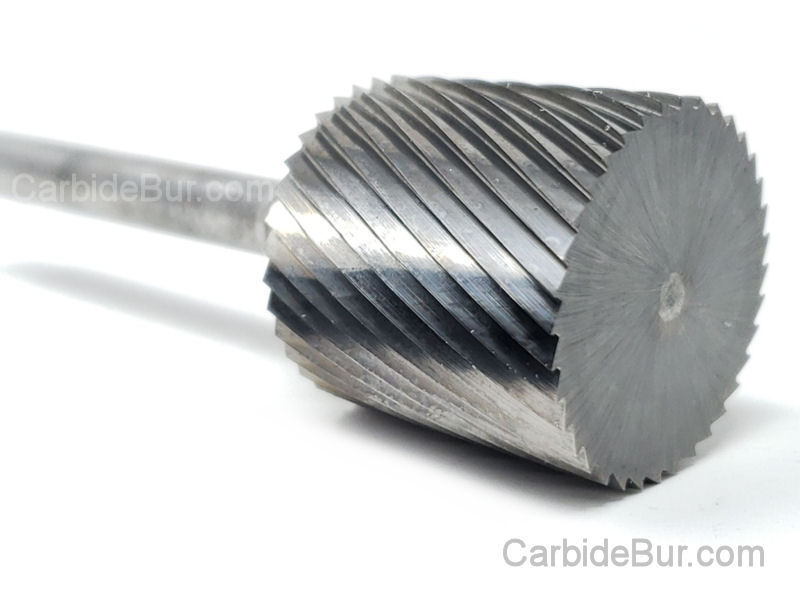
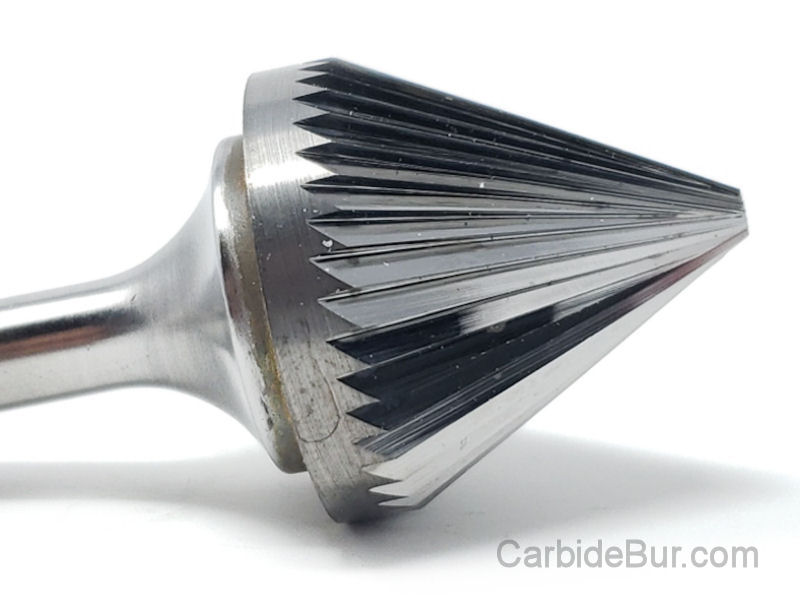
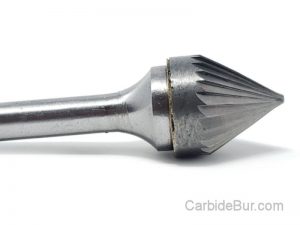
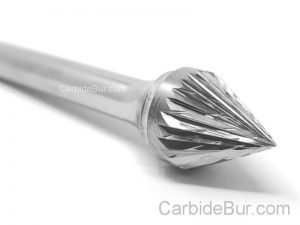
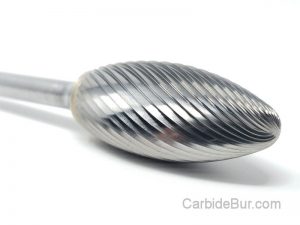
Carbide burrs come in many shapes, each designed for specific tasks. Cylinder-shaped burrs are ideal for surface leveling, while ball-shaped burrs excel in contouring and detail work. For tight spots, a flame-shaped burr allows precision without sacrificing control.
Selecting the right shape is crucial for effective porting. It ensures you can reach every angle and corner of the manifold, enhancing the overall quality of your work. For more on this, check out the versatility of carbide burrs.
Size Considerations
Size matters when it comes to carbide burrs. Larger burrs cover more area quickly, while smaller burrs offer precision in confined spaces. Balancing these needs is essential for efficient manifold porting.
Choose a size that fits your project’s scope. For tight spaces, smaller burrs provide the control needed to avoid accidental damage. Keeping a variety of sizes on hand ensures you’re ready for any situation.
Best Options for Tight Spaces
When dealing with tight spaces, specific burrs stand out. Miniature or pencil burrs offer precision and control. These tools allow you to navigate narrow passages within the manifold without compromising quality.
Their small size doesn’t mean less power. These burrs still pack a punch, making them ideal for detailed work. When precision is a priority, having the right burr makes all the difference.
Selecting the Right Carbide Burr
Choosing the right burr is a critical step in your porting process. Let’s discuss how to make informed decisions about these tools.
Evaluating Cutting Efficiency
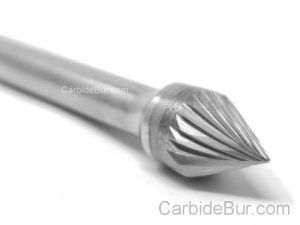
Cutting efficiency is paramount in selecting a burr. Efficient burrs remove material quickly and cleanly, reducing time spent on each project. Look for burrs with sharp, well-made teeth for the best results.
Efficient cutting means less heat and wear on your tools, prolonging their lifespan. This saves money and ensures consistent quality in your work.
Material and Coating Options
The material and coating of a burr impact its performance. Carbide is standard due to its durability, but consider coatings like titanium nitride for added hardness and heat resistance. These features extend the tool’s life while enhancing cutting power.
Understanding these options helps you choose a burr that withstands your workload. For more on material selection, see this guide on crafting carbide burrs.
Durability and Longevity
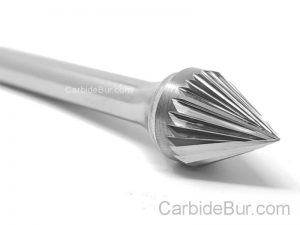
Durable burrs mean fewer replacements and smoother operations. Look for burrs with a reputation for longevity. Check reviews and manufacturer details to gauge expected tool life.
Investing in durable tools upfront saves money over time. It also ensures your projects are completed with fewer interruptions, enhancing overall productivity.
Steps for Porting Intake Manifolds
Armed with the right tools, you’re ready to begin porting. Here’s how to approach this task effectively.
Preparations and Precautions
Proper preparation is key. Clean the manifold thoroughly to remove debris. Mark areas needing porting to guide your work. Use a sturdy workbench and secure the manifold to prevent movement.
Safety is paramount. Wear protective gear, including goggles and masks, to guard against metal shavings. Ensuring your workspace is set up correctly prevents accidents and improves results.
Techniques for Optimal Results
Begin porting with a steady hand. Use smooth, consistent motions to avoid uneven cuts. Start with rough cuts and gradually move to finer work as you refine the shape.
Focus on maintaining control and precision. This ensures each cut enhances airflow without compromising the manifold’s integrity. Regular checks and adjustments help keep the process on track.
Safety Tips and Recommendations
Safety should be your top priority. Always wear protective gear, including gloves and eye protection. Keep your workspace clean and organized to prevent accidents.
Regularly inspect your tools for wear and tear. Replace any burrs that show signs of dulling or damage. This ensures your work remains safe and effective.
Benefits of Proper Porting
Proper porting yields numerous benefits, enhancing both performance and longevity.
Boosting Engine Performance
Optimized airflow boosts engine performance. Properly ported manifolds allow engines to breathe better, resulting in more power and responsiveness.
This improvement isn’t just theoretical. Real-world tests show significant gains in horsepower and torque. Investing in porting pays off with noticeable performance boosts.
Improving Fuel Efficiency
Better airflow translates to fuel savings. Engines that breathe easier consume less fuel, making your vehicle more economical to run.
These savings aren’t insignificant. Over time, improved efficiency reduces overall fuel costs, easing the financial burden of vehicle ownership.
Long-term Maintenance Advantages
Porting offers long-term benefits beyond immediate performance gains. Engines with optimized airflow experience less wear, extending their lifespan.
This longevity means fewer repairs and lower maintenance costs over time. Investing in proper porting now leads to continued savings and reliability for years to come.
Frequently Asked Questions
What is the best carbide burr shape for tight spaces?
Flame-shaped burrs are ideal for tight spaces. They provide precision and control, allowing you to navigate narrow areas without damaging the manifold.
How does porting intake manifolds improve fuel efficiency?
Porting enhances airflow, allowing engines to draw in air more easily. This reduces the engine’s workload, leading to less fuel consumption and better efficiency.
What safety precautions should I follow during porting?
Always wear protective gear, including gloves and goggles. Clean your workspace and secure the manifold before starting to prevent accidents.
Why is carbide the preferred material for burrs?
Carbide is durable and maintains sharpness longer than other materials. This makes it ideal for cutting and shaping tasks, offering longevity and performance.
How often should I replace my carbide burrs?
Replace burrs when they show signs of dulling or damage. Regular inspection ensures your tools remain effective and safe for use.
Looking for Carbide Bur Tools?
Check out our entire selection of USA made carbide bur die grinder tool bits
Follow us on Twitter

Return to CarbideBur.com
Carbide Burs – 1/4″ on 1/8″ Shanks – Accessories – Aluminum Cut – Bur Sets – End Mills – Long Shank – Solid Burs
Best Carbide Burr for Porting Intake Manifolds
Best Carbide Burr for Porting Intake Manifolds Porting intake manifolds can make or break your engine’s airflow, yet many struggle with the right tools for the job. Choosing the best carbide burrs is key to [...]
Best Carbide Burr for Concave Surfaces
Best Carbide Burr for Concave Surfaces Concave surfaces can turn a straightforward project into a frustrating challenge if you don’t have the right tool. Carbide burrs designed for these tricky curves make all the difference [...]
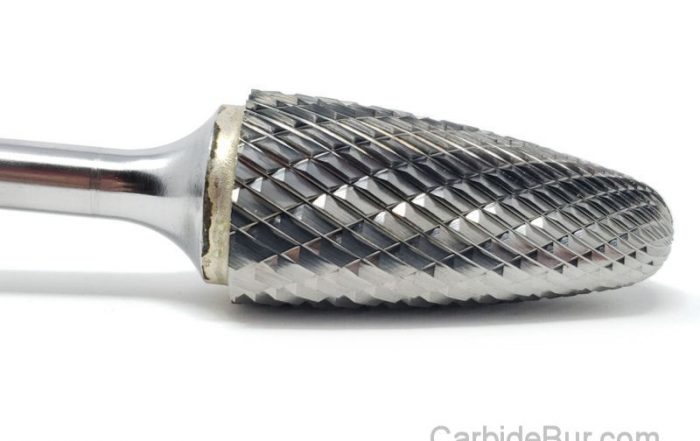
How to Grind a Slot in Metal With a Carbide Burr
How to Grind a Slot in Metal With a Carbide Burr Grinding a precise slot in metal can feel like a tricky task, especially if you’re unsure which tools to trust. Carbide burr grinding offers [...]

Best Carbide Burr for Inside Corners
Best Carbide Burr for Inside Corners Working in tight inside corners can turn even simple projects into frustrating tasks. Many carbide burrs just don’t fit or cut cleanly where you need them most. The best [...]
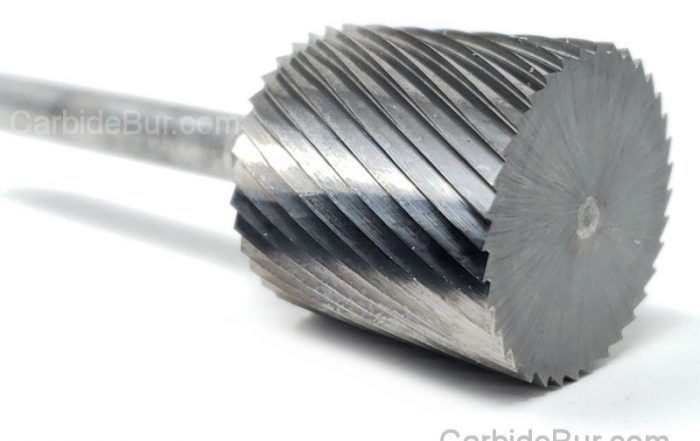
What Size Carbide Burr Do I Need?
What Size Carbide Burr Do I Need? Picking the wrong carbide burr can turn a simple project into a frustrating mess. You might have the best machining tools but still miss the mark if your [...]
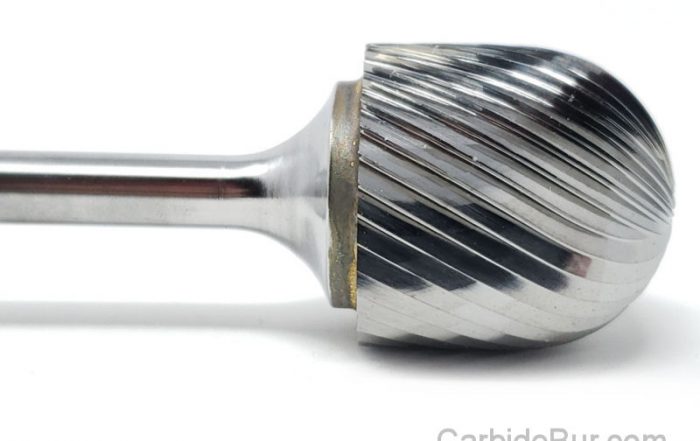
How to Smooth Sharp Metal Edges With a Carbide Burr
How to Smooth Sharp Metal Edges With a Carbide Burr Sharp metal edges can turn your project from professional to risky in seconds. If you’ve struggled with smoothing metal edges without scratching or weakening the [...]

Best Carbide Burr for Porting and Polishing Engine Heads
Best Carbide Burr for Porting and Polishing Engine Heads You’ve spent hours porting engine heads, only to find the finish isn’t quite right. Choosing the right carbide burr for porting and polishing can make all [...]
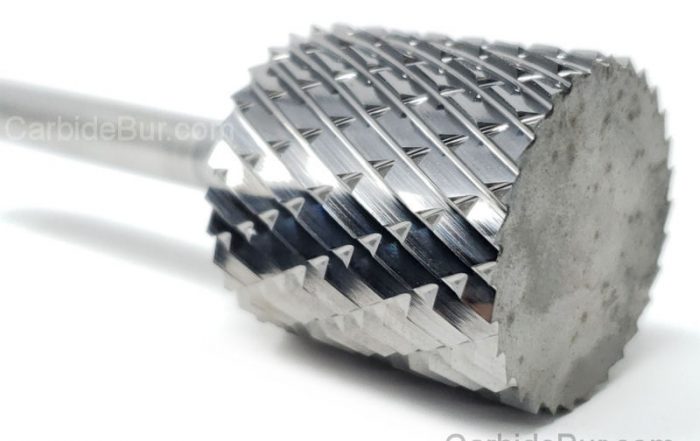
What Is a Cylinder Carbide Burr Used For?
What Is a Cylinder Carbide Burr Used For? Most metalworking tools and woodworking tools promise precision but fall short when handling tough shaping and finishing tasks. If you’ve struggled with rough edges or uneven cuts, [...]
How to Clean and Maintain Carbide Burrs
How to Clean and Maintain Carbide Burrs Carbide burrs can lose their edge fast if you don’t clean them right. You might be wasting time and money by letting debris build up and dull your [...]
Carbide Burr vs. Grinding Wheel: Which Is Better for Metal?
Carbide Burr vs. Grinding Wheel: Which Is Better for Metal? Choosing the right metalworking tools can make or break your project, but picking between a carbide burr and a grinding wheel often leaves you stuck. [...]
Carbide Burr vs. HSS: Which Cutting Tool Is Better?
Carbide Burr vs. HSS: Which Cutting Tool Is Better? Choosing the right cutting tool can make or break your project’s success. When it comes to carbide burrs and HSS cutting tools, knowing their strengths and [...]
Can Carbide Burrs Cut Titanium?
Can Carbide Burrs Cut Titanium? Cutting titanium with carbide burrs isn’t as simple as it looks. You’ve probably faced the frustration of tools wearing out too fast or struggling to get a smooth finish on [...]