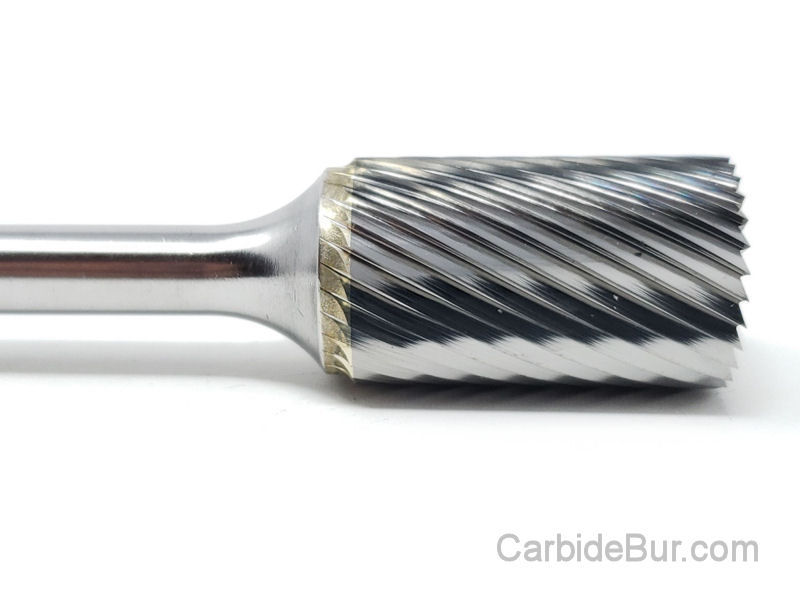
How 3D-Printed Carbide is Redefining Precision Toolmaking with Kennametal’s Latest Technology
Custom hole-finishing tools have long faced limits in design and cooling options that hold back their performance. Kennametal’s new 3D-printed carbide grade changes that by allowing complex geometries and tailored cooling channels previously impossible to achieve. This additive manufacturing breakthrough could reshape precision toolmaking, giving you more control over tool performance whether you’re working with specialized machines or handheld rotary burrs. Let’s explore what this means for your manufacturing process and the potential gains in efficiency and precision. [Learn more about Kennametal’s advancements.](https://www.kennametal.com/us/en/news/123208.html)

Have you seen our selection of carbide bur tools?
Introduction to 3D-Printed Carbide
Precision and efficiency in toolmaking are about to change dramatically. Kennametal has introduced a groundbreaking 3D-printed carbide that promises to revolutionize this field. Let’s delve into what this means for you and your operations.
What is 3D-Printed Carbide?
3D-printed carbide represents a significant leap in manufacturing technology. This process involves producing carbide tools through additive manufacturing, allowing for intricate designs and enhanced performance. This method uses layers to build up the tool, enabling shapes and channels that were once impossible to create.
Imagine the power of customizing your tools with features that precisely fit your needs. You’re no longer limited by traditional manufacturing constraints. With this technology, you get tools that are not only efficient but also tailored to your specific applications. This flexibility ultimately leads to tools that perform better and last longer.
Significance in Precision Toolmaking
The introduction of 3D-printed carbide is a game changer in precision toolmaking. It allows for the creation of custom hole-finishing tools with complex geometries and cooling channels. This innovation is not just about new tools, but about enhancing the performance of existing ones.
For toolmakers, this means gaining unprecedented control over the tool’s performance. With improved cooling channels, tools maintain their effectiveness over longer periods, reducing wear and tear. The precision offered by these tools can lead to significant improvements in manufacturing processes, saving time and costs.
Kennametal’s Technological Breakthrough
Kennametal is leading this technological revolution with its new tungsten-carbide grade. This breakthrough offers unique benefits that set it apart from traditional methods.
Overview of New Tungsten-Carbide Grade
Kennametal’s latest advancement introduces a tungsten-carbide grade that redefines toolmaking standards. This new grade is produced through additive manufacturing, offering unmatched durability and reliability. It’s a step forward in creating tools that withstand the rigors of demanding environments.
The use of tungsten-carbide in this manner provides tools with enhanced hardness and strength. This translates to better performance in cutting and shaping operations, making it an ideal choice for industries requiring high precision and toughness. The tools are not only more durable but also more versatile in application.
Benefits of Kennametal Technology
Kennametal technology brings several benefits to the table. First and foremost, it offers enhanced tool life. The durability of these tools reduces the frequency of replacements, leading to cost savings. Additionally, the precision offered by 3D-printed carbide tools means less material waste and greater accuracy.
For industries focused on efficiency in manufacturing, this technology is a boon. It allows for faster production times without compromising on quality. The longer lifespan of the tools means fewer interruptions in the production process, resulting in smoother operations and better output.
Advantages of Complex Geometries
Complex geometries in toolmaking offer numerous advantages. They allow for more precise manufacturing processes and open up new possibilities in tool design.
Design Flexibility in Toolmaking
The ability to create complex geometries offers unparalleled design flexibility. With 3D-printed carbide, you can produce tools with intricate designs that weren’t possible before. This flexibility means you can tailor tools to specific tasks, enhancing their effectiveness.
Design flexibility also means you can innovate without being restricted by traditional manufacturing methods. This opens the door to creating tools that not only perform better but also offer unique solutions to complex challenges. The precision of these tools ensures optimal performance every time.
Customized Cooling Channels Explained
Custom cooling channels represent another significant advancement. These channels play a critical role in maintaining tool performance. By optimizing the cooling process, tools remain effective for longer periods, reducing downtime and maintenance needs.
Customized channels improve heat dissipation, which is crucial for maintaining tool integrity. This enhancement leads to better performance in high-stress environments, where overheating can be a significant issue. With these channels, you gain tools that are not only efficient but also reliable under pressure.
Comparing Tool Applications
Different applications call for different tools, and 3D-printed carbide offers versatile solutions for both specialized machines and handheld rotary burrs.
Specialized Machine Tool Benefits
Specialized machine tools benefit immensely from 3D-printed carbide. These tools offer precise control and durability, essential for tasks that require meticulous attention to detail. The enhanced performance of these tools leads to reduced production times and improved output quality.
Machine tools designed with complex geometries can handle more demanding tasks with ease. This capability means you can push the limits of what’s possible in manufacturing, achieving results that were previously unattainable. The increased efficiency translates to tangible benefits in productivity and cost savings.
Handheld Rotary Burr Applications
Handheld rotary burrs also stand to gain from this technology. The precision and durability of 3D-printed carbide allow for more effective use in various applications. These tools offer the flexibility needed for detailed work, making them invaluable in settings where accuracy is paramount.
For users of handheld tools, the benefits are clear: better control, longer tool life, and improved results. The ability to create custom tools means you can tackle specific tasks with greater ease, enhancing both performance and satisfaction in your work.
Improving Tool Performance and Efficiency
The impact of 3D-printed carbide on tool performance and efficiency cannot be overstated. This technology represents a significant advancement in toolmaking.
Enhanced Tool Performance Insights
The performance of tools created with 3D-printed carbide is simply unmatched. These tools offer the precision and reliability needed for demanding tasks, ensuring optimal results every time. With improved performance, you gain tools that are not only effective but also efficient.
Enhanced performance means less downtime and fewer interruptions. This reliability ensures a smoother production process, leading to better overall outcomes. The tools are designed to perform at their best, providing consistent results that meet or exceed expectations.
Achieving Efficiency in Manufacturing
Efficiency in manufacturing is a key goal, and 3D-printed carbide plays a crucial role in achieving it. By reducing production times and improving tool longevity, this technology offers significant benefits. It’s a step toward more sustainable manufacturing processes that focus on quality and precision.
The efficiency of these tools means you can achieve more with less. With reduced material waste and improved accuracy, the potential for cost savings is substantial. This technology empowers you to optimize your operations, ensuring you stay competitive in an ever-evolving industry.
Frequently Asked Questions
What is 3D-printed carbide used for?
3D-printed carbide is primarily used in toolmaking for creating custom hole-finishing tools. It allows for complex geometries and improved cooling channels, enhancing tool performance and lifespan.
How does Kennametal’s tungsten-carbide grade benefit toolmaking?
Kennametal’s tungsten-carbide grade offers unmatched durability and precision. It enhances tool performance, reduces wear and tear, and allows for more efficient manufacturing processes.
Can 3D-printed carbide tools improve efficiency?
Yes, 3D-printed carbide tools improve efficiency by reducing production times and extending tool life. They offer better performance and precision, leading to cost savings and improved manufacturing outcomes.
What are complex geometries in toolmaking?
Complex geometries refer to intricate designs in toolmaking that are difficult to achieve with traditional methods. 3D-printed carbide allows for these designs, providing enhanced performance and flexibility.
How do customized cooling channels work?
Customized cooling channels optimize heat dissipation in tools. They prevent overheating, maintaining tool integrity and enhancing performance in high-stress environments.
Have you seen our selection of carbide bur tools?
Looking for Carbide Bur Tools?
Check out our entire selection of USA made carbide bur die grinder tool bits
Follow us on Twitter

Return to CarbideBur.com
Carbide Burs – 1/4″ on 1/8″ Shanks – Accessories – Aluminum Cut – Bur Sets – End Mills – Long Shank – Solid Burs
How 3D-Printed Carbide is Redefining Precision Toolmaking with Kennametal’s Latest Technology
How 3D-Printed Carbide is Redefining Precision Toolmaking with Kennametal's Latest Technology Custom hole-finishing tools have long faced limits in design and cooling options that hold back their performance. Kennametal’s new 3D-printed carbide grade changes that [...]

The Future of Additive Manufacturing in Aerospace and Automotive Industries
The Future of Additive Manufacturing in Aerospace and Automotive Industries Metal 3D printing is no longer just a concept for prototypes; it’s scaling up fast in aerospace and automotive fields. But raw prints don’t meet [...]
Navigating the Tungsten Carbide Shortage
Navigating the Tungsten Carbide Shortage: Strategies for Metalworkers in 2026 The tungsten carbide shortage in 2026 is hitting metalworkers hard, pushing tool prices higher and supply tighter than most expected. If you’ve noticed your carbide [...]
How Export Controls and Tungsten Processing Impact Carbide Production
How Export Controls and Tungsten Processing Impact Carbide Production Tungsten supply issues are hitting carbide tool manufacturing harder than ever before. Export controls and shifts in tungsten processing have tightened availability, stretching manufacturing lead times [...]
From Alloys to Automation: Mastering CNC Machining for Speed and Accuracy
From Alloys to Automation: Mastering CNC Machining for Speed and Accuracy The old ways of machining can’t keep up with today’s demands for speed and precision. You’re working with tougher alloys and expecting flawless results [...]
Top Deburring Tools for Stainless Steel: From Carbide Burrs to Sanding Blocks
Top Deburring Tools for Stainless Steel: From Carbide Burrs to Sanding Blocks Most people damage their stainless steel finish while trying to deburr it. If you’ve struggled to get smooth edges without ruining your work, [...]

Enhance Your Fabrication Projects with Advanced Finishing Methods
Enhance Your Fabrication Projects with Advanced Finishing Methods You just finished a tough weld, but the job isn’t done yet. Skipping key post-welding processes can leave your joints weak and your project looking rough. In [...]
Grinding Metal in Tight Spaces: Top Tool Picks and Essential Safety Tips
Grinding Metal in Tight Spaces: Top Tool Picks and Essential Safety Tips Grinding metal in tight spaces is a challenge many metalworkers and DIYers face. Using the wrong tools often leads to frustration and sloppy [...]
Finding the Best Carbide Burrs for Perfect Weld Cleanup: A Welder’s Guide
Finding the Best Carbide Burrs for Perfect Weld Cleanup: A Welder's Guide Welding cleanup can waste hours if you pick the wrong tools. Using carbide burrs that don’t fit your weld removal or metal blending [...]
Riding the Wave: How the Machine-Tool Orders Surge is Shaping Manufacturing
Riding the Wave: How the Machine-Tool Orders Surge is Shaping Manufacturing Machine-tool orders have jumped by 45% this year, shaking up the manufacturing scene. If you're a tool buyer, this surge means fresh chances to [...]
Choosing the Best Carbide Burrs for Your Projects
Quality and Performance: Choosing the Best Carbide Burrs for Your Projects Choosing between American-made carbide burrs and imported carbide tools can feel like navigating a maze without a map. You want tools that last and [...]
The Ultimate Guide to Choosing the Right Die Grinder Attachments
The Ultimate Guide to Choosing the Right Die Grinder Attachments Reaching deep cavities with your die grinder can feel like a puzzle with missing pieces. When you’re stuck trying to access tight spaces, the right [...]