The Future of Additive Manufacturing in Aerospace and Automotive Industries
Metal 3D printing is no longer just a concept for prototypes; it’s scaling up fast in aerospace and automotive fields. But raw prints don’t meet the tough standards these industries demand. That’s where post-processing techniques like machining, heat treatment, and surface finishing step in to secure quality assurance. Let’s explore why these steps remain crucial even as additive manufacturing advances. Read more here.

Have you seen our selection of carbide bur tools?
Metal 3D Printing in Aerospace
The aerospace sector has embraced metal 3D printing, finding it invaluable for crafting complex components. This shift is driven by the need for lighter, more efficient parts.
Adoption Trends and Benefits
Metal 3D printing is gaining popularity in aerospace, thanks to its potential to cut costs and reduce material waste. Traditional manufacturing methods often lack the precision and flexibility that 3D printing offers. With metal 3D printing, you can create intricate designs that were once impossible. The result? Lighter parts and improved fuel efficiency. Studies show a potential 70% reduction in material usage when compared to conventional methods.
Challenges and Solutions
Despite its advantages, metal 3D printing in aerospace faces hurdles. High initial costs and stringent regulatory standards are major concerns. However, solutions are emerging. As technology matures, costs are expected to decrease. Additionally, ongoing collaboration between manufacturers and regulatory bodies aims to streamline certification processes, making it easier for new designs to hit the skies.
Metal 3D Printing in Automotive
Just as in aerospace, the automotive industry is turning to metal 3D printing for innovation. This technology is reshaping how vehicles are designed and manufactured.
Current Applications and Success Stories
Metal 3D printing is revolutionizing automotive production. Companies are using it to produce custom parts and prototypes faster than ever. For example, a leading car manufacturer reduced prototype production time by 60% using this technology. This not only speeds up development cycles but also allows for more experimentation and innovation.
Overcoming Industry Hurdles
The automotive sector’s shift to 3D printing doesn’t come without its challenges. High production costs and material limitations are significant barriers. To overcome these, companies are investing in research to develop cheaper, more robust materials. Partnerships between automotive giants and tech firms are also paving the way for more accessible solutions.
Essential Post-Processing Techniques
Though metal 3D printing offers many benefits, post-processing remains a critical step to ensure quality and performance.
Machining and Its Importance
Machining is a vital post-processing technique for metal 3D-printed parts. It involves refining the raw print to meet precise specifications. This step is crucial for ensuring compatibility with existing components and achieving the desired finish. Without machining, parts may not meet industry standards or function as intended.
Heat Treatment for Enhanced Properties
Heat treatment enhances the mechanical properties of 3D-printed metal parts. This process increases strength and durability, making components suitable for demanding applications. By altering the internal structure of the material, heat treatment ensures that parts can withstand high stress and temperature conditions.
Surface Finishing for Quality Assurance
Surface finishing is essential for ensuring the quality of metal 3D-printed parts. This step smooths out surface imperfections and improves the overall appearance. In industries like aerospace and automotive, where aesthetics and aerodynamics are critical, surface finishing plays a vital role in achieving the desired results.
Future Prospects in Additive Manufacturing
The future of additive manufacturing is bright, with new technologies and collaborations on the horizon.
Emerging Technologies and Innovations
Emerging technologies are set to push the boundaries of metal 3D printing. From advanced materials to cutting-edge printing techniques, the industry is evolving rapidly. These innovations promise to enhance the capabilities of 3D printing, making it an even more valuable tool for various sectors.
Industry Collaborations and Opportunities
Collaborations between industries and tech companies are opening new doors for additive manufacturing. These partnerships are driving research and development, leading to breakthroughs that will shape the future of 3D printing. As more companies join forces, the potential for innovation and growth in this field is immense.
Quality Assurance in 3D-Printed Components
Ensuring the quality and reliability of 3D-printed components is paramount, particularly in critical sectors like aerospace and automotive.
Standards and Certification Requirements
Adhering to strict standards and certification requirements is crucial for metal 3D-printed components. These guidelines ensure that parts are safe, reliable, and fit for purpose. By meeting these requirements, manufacturers can guarantee the performance of their products in demanding environments.
Ensuring Reliability and Performance
Reliability and performance are key concerns for any 3D-printed component. Through rigorous testing and quality assurance processes, manufacturers can ensure that their products meet the highest standards. This commitment to quality is essential for building trust and confidence in 3D-printed solutions.
Frequently Asked Questions
What are the main benefits of metal 3D printing in aerospace?
Metal 3D printing offers several benefits in aerospace, including reduced material usage and the ability to create complex designs. This technology allows for lighter, more efficient parts, which can lead to improved fuel efficiency.
How does post-processing improve 3D-printed parts?
Post-processing techniques like machining, heat treatment, and surface finishing enhance the quality and performance of 3D-printed parts. These processes ensure that components meet industry standards and function as intended.
What challenges does the automotive industry face with metal 3D printing?
The automotive industry faces challenges such as high production costs and material limitations. However, ongoing research and collaborations are helping to develop more cost-effective and robust solutions.
Why is quality assurance important for 3D-printed components?
Quality assurance ensures that 3D-printed components are safe, reliable, and meet industry standards. This is vital for building trust and ensuring the performance of parts in critical applications.
What is the future of additive manufacturing?
The future of additive manufacturing is promising, with emerging technologies and industry collaborations driving innovation. These advancements will expand the capabilities and applications of 3D printing across various sectors.
Have you seen our selection of carbide bur tools?
Looking for Carbide Bur Tools?
Check out our entire selection of USA made carbide bur die grinder tool bits
Follow us on Twitter

Return to CarbideBur.com
Carbide Burs – 1/4″ on 1/8″ Shanks – Accessories – Aluminum Cut – Bur Sets – End Mills – Long Shank – Solid Burs

The Future of Additive Manufacturing in Aerospace and Automotive Industries
The Future of Additive Manufacturing in Aerospace and Automotive Industries Metal 3D printing is no longer just a concept for prototypes; it’s scaling up fast in aerospace and automotive fields. But raw prints don’t meet [...]
Navigating the Tungsten Carbide Shortage
Navigating the Tungsten Carbide Shortage: Strategies for Metalworkers in 2026 The tungsten carbide shortage in 2026 is hitting metalworkers hard, pushing tool prices higher and supply tighter than most expected. If you’ve noticed your carbide [...]
How Export Controls and Tungsten Processing Impact Carbide Production
How Export Controls and Tungsten Processing Impact Carbide Production Tungsten supply issues are hitting carbide tool manufacturing harder than ever before. Export controls and shifts in tungsten processing have tightened availability, stretching manufacturing lead times [...]
From Alloys to Automation: Mastering CNC Machining for Speed and Accuracy
From Alloys to Automation: Mastering CNC Machining for Speed and Accuracy The old ways of machining can’t keep up with today’s demands for speed and precision. You’re working with tougher alloys and expecting flawless results [...]
Top Deburring Tools for Stainless Steel: From Carbide Burrs to Sanding Blocks
Top Deburring Tools for Stainless Steel: From Carbide Burrs to Sanding Blocks Most people damage their stainless steel finish while trying to deburr it. If you’ve struggled to get smooth edges without ruining your work, [...]

Enhance Your Fabrication Projects with Advanced Finishing Methods
Enhance Your Fabrication Projects with Advanced Finishing Methods You just finished a tough weld, but the job isn’t done yet. Skipping key post-welding processes can leave your joints weak and your project looking rough. In [...]
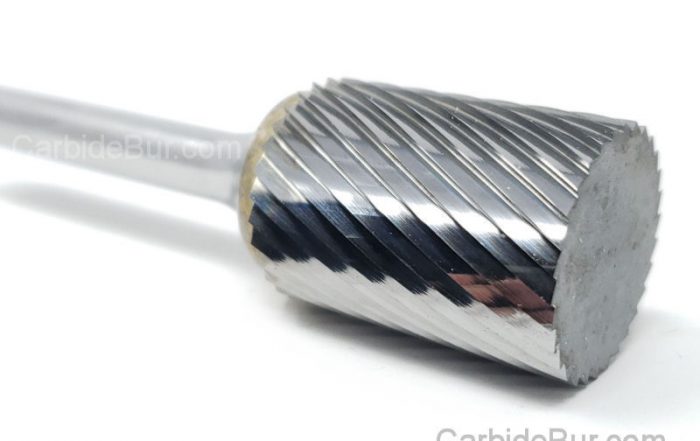
Grinding Metal in Tight Spaces: Top Tool Picks and Essential Safety Tips
Grinding Metal in Tight Spaces: Top Tool Picks and Essential Safety Tips Grinding metal in tight spaces is a challenge many metalworkers and DIYers face. Using the wrong tools often leads to frustration and sloppy [...]
Finding the Best Carbide Burrs for Perfect Weld Cleanup: A Welder’s Guide
Finding the Best Carbide Burrs for Perfect Weld Cleanup: A Welder's Guide Welding cleanup can waste hours if you pick the wrong tools. Using carbide burrs that don’t fit your weld removal or metal blending [...]
Riding the Wave: How the Machine-Tool Orders Surge is Shaping Manufacturing
Riding the Wave: How the Machine-Tool Orders Surge is Shaping Manufacturing Machine-tool orders have jumped by 45% this year, shaking up the manufacturing scene. If you're a tool buyer, this surge means fresh chances to [...]
Choosing the Best Carbide Burrs for Your Projects
Quality and Performance: Choosing the Best Carbide Burrs for Your Projects Choosing between American-made carbide burrs and imported carbide tools can feel like navigating a maze without a map. You want tools that last and [...]
The Ultimate Guide to Choosing the Right Die Grinder Attachments
The Ultimate Guide to Choosing the Right Die Grinder Attachments Reaching deep cavities with your die grinder can feel like a puzzle with missing pieces. When you’re stuck trying to access tight spaces, the right [...]
Extend Tool Life: Tips for Maximizing Carbide Burr Performance
Extend Tool Life: Tips for Maximizing Carbide Burr Performance Most people think the only way to extend tool life is by buying premium carbide burrs. The truth is, simple mistakes kill your tools faster than [...]