Understanding the Surge in Cutting Tool Costs and Effective Waste Reduction in Machining
Cutting tool costs have jumped noticeably in recent years, squeezing machine shop budgets tighter than ever. Raw material scarcity and supply chain disruptions are driving prices up just as the demand for precision machining grows. But there’s a way to reduce waste in machining that can ease these pressures. This post breaks down the key reasons behind rising costs and shares practical strategies your shop can use to cut waste, improve tool performance, and keep operations running smoothly. For more information about the industry, visit Manufacturing.

Have you seen our selection of carbide bur tools?
Rising Cutting Tool Costs
The increase in cutting tool costs can feel overwhelming. Let’s decode the primary factors contributing to this rise, starting with raw material scarcity.
Raw Material Scarcity
Raw materials are getting harder to find. The demand for steel and carbide, essential for cutting tools, has surged. Limited supply means higher prices. This scarcity affects your costs directly. When raw materials aren’t available, prices climb, impacting your bottom line. It’s crucial to understand how these changes can affect your business.
Supply Chain Disruptions
Supply chains are facing unprecedented challenges. Shipping delays and increased tariffs have created a ripple effect, slowing down the entire process. When transport is disrupted, it takes longer and costs more to get the materials you need. This can lead to delays in your operations, affecting productivity and revenue. Keeping an eye on supply chain trends helps anticipate and navigate these disruptions.
Demand for Precision Machining
Precision machining is more important than ever. As industries advance, the need for precise components grows. This demand boosts the need for high-quality cutting tools. While this presents opportunities, it also raises costs. To stay competitive, it’s vital to balance quality with cost, ensuring you meet industry standards without breaking the bank.
Reducing Waste in Machining
Cutting costs doesn’t mean cutting corners. By reducing waste, you can maintain quality while saving money. Here’s how to optimize your processes.
Tool Usage Optimization
Optimizing tool usage can extend their lifespan and reduce waste. Regularly assess tool conditions and usage patterns. This helps in identifying when a tool needs replacement or maintenance before it fails. Preventative measures keep your tools in top shape, reducing unexpected breakdowns and costly downtimes.
Maintenance Best Practices
Maintenance is key to longevity. Scheduled maintenance ensures tools operate at peak efficiency. Develop a routine that includes cleaning, inspection, and calibration. These simple practices can greatly enhance tool performance, saving you time and money in the long run.
Performance Monitoring Technologies
Embrace technology to monitor performance. Sensors and smart devices can track tool usage and wear. They provide real-time data, allowing you to make informed decisions about maintenance and replacements. With accurate data, you can plan better, reducing waste and improving efficiency.
Strategies for Machine Shops
Effective strategies can make all the difference. By focusing on smart purchasing and relationships, you can improve your shop’s performance.
Cost-Effective Purchasing
Buying in bulk or negotiating long-term contracts can reduce costs. Evaluate your purchasing strategies. Look for suppliers offering discounts for larger orders or loyalty. These approaches can save you money without sacrificing quality or availability.
Supplier Relationship Management
Strong relationships with suppliers ensure reliability. Regular communication helps address issues before they become problems. Work closely with suppliers to understand their processes and constraints. This collaboration can lead to better terms and timely deliveries.
Inventory Control Solutions
Efficient inventory control prevents overstocking and shortages. Use management systems to track inventory levels and predict future needs. This helps in maintaining the right balance, minimizing waste, and optimizing storage space.
Advanced Manufacturing Technologies
Embracing new technologies can revolutionize your operations. Let’s explore how data analytics, automation, and sustainability play a role.
Role of Data Analytics
Data analytics offers insights into your operations. Analyze trends and patterns to identify areas for improvement. This data-driven approach helps optimize processes and reduce waste. By making informed decisions, you can enhance efficiency and productivity.
Automation and Robotics
Automation can streamline your workflow. Robots handle repetitive tasks, freeing up your workforce for more complex duties. This shift reduces human error and increases precision, saving time and resources.
Sustainable Practices Implementation
Sustainability isn’t just a buzzword. Implementing eco-friendly practices can reduce costs and improve your brand’s reputation. Explore energy-efficient machines and recyclable materials to make your operations more sustainable.
Future Outlook for Machine Shops
The future holds both challenges and opportunities. By adapting and investing wisely, you can stay ahead in the industry.
Adapting to Market Changes
Stay flexible to adapt to market shifts. Monitor industry trends and adjust your strategies accordingly. Being proactive helps you navigate uncertainties and seize new opportunities.
Investing in Workforce Development
Your team is your greatest asset. Invest in training and development to keep skills sharp. A skilled workforce enhances productivity and innovation, giving you a competitive edge.
Emphasizing Sustainability and Innovation
Focus on sustainable and innovative solutions. Staying ahead means embracing change and continually seeking better methods. This commitment to progress ensures long-term success and relevance in the industry.
Frequently Asked Questions
What factors are causing cutting tool costs to rise?
Cutting tool costs are rising due to raw material scarcity, supply chain disruptions, and increased demand for precision machining. Limited supply and logistics challenges contribute to higher prices for essential materials.
How can machine shops reduce waste in machining?
Machine shops can reduce waste by optimizing tool usage, implementing regular maintenance practices, and utilizing performance monitoring technologies. These strategies ensure efficient use of resources and minimize unnecessary expenses.
What role does technology play in machining efficiency?
Technology like data analytics and automation improves machining efficiency by providing insights into operations and reducing manual tasks. These technologies enhance precision, reduce errors, and improve overall productivity.
Why is supplier relationship management important for machine shops?
Strong supplier relationships ensure reliability and timely deliveries. Regular communication helps address potential issues early, leading to better terms and reduced disruptions in the supply chain.
How can machine shops implement sustainable practices?
Machine shops can implement sustainable practices by using energy-efficient machines, recycling materials, and exploring eco-friendly solutions. These practices reduce environmental impact and can lead to cost savings.
Have you seen our selection of carbide bur tools?
Looking for Carbide Bur Tools?
Check out our entire selection of USA made carbide bur die grinder tool bits
Follow us on Twitter

Return to CarbideBur.com
Carbide Burs – 1/4″ on 1/8″ Shanks – Accessories – Aluminum Cut – Bur Sets – End Mills – Long Shank – Solid Burs
Understanding the Surge in Cutting Tool Costs and Effective Waste Reduction in Machining
Understanding the Surge in Cutting Tool Costs and Effective Waste Reduction in Machining Cutting tool costs have jumped noticeably in recent years, squeezing machine shop budgets tighter than ever. Raw material scarcity and supply chain [...]
Choosing the Right Carbide Burr Shape for Your Metalworking Projects
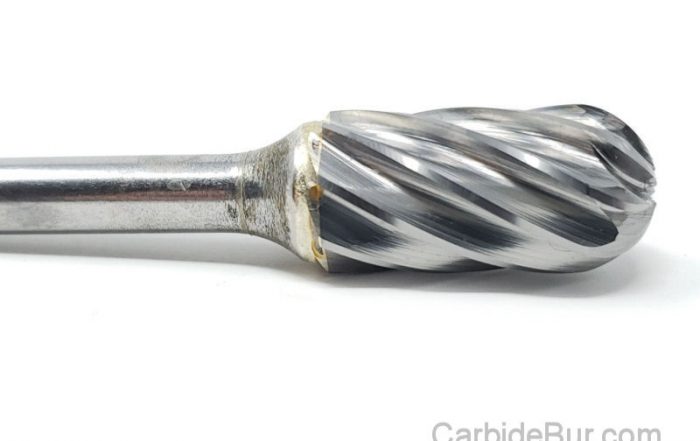
Choosing the Right Carbide Burr Shape for Your Metalworking Projects You might think all carbide burr shapes do the same job, but that’s far from true. Choosing the wrong shape can waste time and leave [...]
U.S. Cutting Tool Shipments Reach New Heights
U.S. Cutting Tool Shipments Reach New Heights: What It Means for Manufacturing Professionals U.S. cutting tool shipments soared to $278.1 million in July 2026, marking a 29% jump from last year. If you’re in fabrication [...]
How 3D-Printed Carbide is Redefining Precision Toolmaking with Kennametal’s Latest Technology
How 3D-Printed Carbide is Redefining Precision Toolmaking with Kennametal's Latest Technology Custom hole-finishing tools have long faced limits in design and cooling options that hold back their performance. Kennametal’s new 3D-printed carbide grade changes that [...]

The Future of Additive Manufacturing in Aerospace and Automotive Industries
The Future of Additive Manufacturing in Aerospace and Automotive Industries Metal 3D printing is no longer just a concept for prototypes; it’s scaling up fast in aerospace and automotive fields. But raw prints don’t meet [...]
Navigating the Tungsten Carbide Shortage
Navigating the Tungsten Carbide Shortage: Strategies for Metalworkers in 2026 The tungsten carbide shortage in 2026 is hitting metalworkers hard, pushing tool prices higher and supply tighter than most expected. If you’ve noticed your carbide [...]
How Export Controls and Tungsten Processing Impact Carbide Production
How Export Controls and Tungsten Processing Impact Carbide Production Tungsten supply issues are hitting carbide tool manufacturing harder than ever before. Export controls and shifts in tungsten processing have tightened availability, stretching manufacturing lead times [...]
From Alloys to Automation: Mastering CNC Machining for Speed and Accuracy
From Alloys to Automation: Mastering CNC Machining for Speed and Accuracy The old ways of machining can’t keep up with today’s demands for speed and precision. You’re working with tougher alloys and expecting flawless results [...]
Top Deburring Tools for Stainless Steel: From Carbide Burrs to Sanding Blocks
Top Deburring Tools for Stainless Steel: From Carbide Burrs to Sanding Blocks Most people damage their stainless steel finish while trying to deburr it. If you’ve struggled to get smooth edges without ruining your work, [...]

Enhance Your Fabrication Projects with Advanced Finishing Methods
Enhance Your Fabrication Projects with Advanced Finishing Methods You just finished a tough weld, but the job isn’t done yet. Skipping key post-welding processes can leave your joints weak and your project looking rough. In [...]
Grinding Metal in Tight Spaces: Top Tool Picks and Essential Safety Tips
Grinding Metal in Tight Spaces: Top Tool Picks and Essential Safety Tips Grinding metal in tight spaces is a challenge many metalworkers and DIYers face. Using the wrong tools often leads to frustration and sloppy [...]
Finding the Best Carbide Burrs for Perfect Weld Cleanup: A Welder’s Guide
Finding the Best Carbide Burrs for Perfect Weld Cleanup: A Welder's Guide Welding cleanup can waste hours if you pick the wrong tools. Using carbide burrs that don’t fit your weld removal or metal blending [...]