Grinding Metal in Tight Spaces: Top Tool Picks and Essential Safety Tips
Grinding metal in tight spaces is a challenge many metalworkers and DIYers face. Using the wrong tools often leads to frustration and sloppy results. This guide covers the best metal grinding techniques and the top grinders for confined areas, like mini-angle grinders and die grinders, to help you work with precision. Plus, you’ll learn safety tips for grinding and the personal protective equipment that keeps every job secure. For more insights, check out this discussion on tools for tight spaces.

Have you seen our selection of carbide bur tools?
Choosing the Right Grinder
When working in tight spaces, selecting the right grinder is crucial. It ensures precision and ease of use, helping you achieve the best results. Let’s explore your options.
Mini-Angle Grinders
Mini-angle grinders are compact and versatile. They fit into tight spots, making them ideal for intricate tasks. With their small discs, you can grind surfaces that larger tools can’t reach.
These grinders offer better control, which is essential for detailed work. Unlike bulkier options, mini-angle grinders are lightweight. This reduces fatigue during prolonged use, allowing you to maintain accuracy. Most people think bigger is better, but in this case, smaller tools provide unmatched precision.
Die Grinders
Die grinders are another excellent choice. They excel at handling detailed work in confined areas. These tools are perfect for tasks that require high precision, such as polishing and cutting.
A die grinder’s long, narrow body allows you to reach awkward angles. This feature is great for intricate work like smoothing welds. They are generally air-powered, offering consistent performance without overheating. You can find more insights on die grinders in this Reddit discussion.
Grinders for Confined Areas
For extremely tight spaces, specialized grinders are invaluable. Unique designs, like right-angle or pencil grinders, make them perfect for these situations. Their compact size and maneuverability set them apart.
These grinders allow you to reach spots that other tools can’t touch. Whether you’re working on automotive parts or metal sculptures, their precision is unmatched. You’ll find that investing in the right tool saves time and enhances quality.
Metal Grinding Techniques
Mastering metal grinding techniques is key to working efficiently. These methods help you achieve clean, professional results even in limited spaces.
Effective Grinding in Tight Spaces
To grind effectively, use tools that provide good access and control. Mini-angle and die grinders shine in these scenarios, giving you the flexibility to work precisely.
Start by assessing your workspace. Identify spots that require special attention. Then, choose a grinder that fits those needs. This approach ensures you get the job done without unnecessary strain or mistakes.
Maneuverability and Flexibility
Maneuverability is critical when grinding in tight spots. Grinders with adjustable handles and rotating heads offer increased flexibility.
These features help you adapt to different angles and positions. You’ll be able to move freely, ensuring every surface is polished. By choosing flexible tools, you can speed up the process and enhance your workmanship.
Essential Safety Precautions
Safety is a priority when grinding metal. Proper precautions minimize risks and protect you from potential hazards.
Personal Protective Equipment
Wearing the right personal protective equipment (PPE) is non-negotiable. Ensure you have safety goggles to shield your eyes and gloves to protect your hands.
A dust mask is crucial to prevent inhalation of harmful particles. Hearing protection is also advisable, as grinding can be noisy. By equipping yourself with the right gear, you reduce the risk of injury.
Safety Tips for Grinding
When using grinders, always follow safety protocols. Secure your workpiece firmly to prevent movement. This stability allows you to focus on precision without worrying about slipping.
Inspect your tools before each use. Check for wear or damage to ensure they are safe to operate. By maintaining your equipment, you prolong its lifespan and guarantee your safety. For more safety tips, refer to this YouTube video.
Best Practices for Metal Grinding
Adopting best practices enhances your efficiency and safety. Let’s look at strategies to improve your grinding skills.
Minimizing Risks in Cramped Conditions
Working in cramped spaces requires extra caution. Limit distractions and stay focused on your task to avoid accidents.
Ensure your workspace is well-lit and clutter-free. This setup reduces the risk of tripping or mishaps. By organizing your area, you can concentrate on achieving the best results.
Efficient Grinding Techniques
Efficiency is about using the right techniques at the right time. Use light pressure when grinding to maintain control. This approach avoids overheating and preserves the material’s integrity.
Keep your tools sharp and clean. A well-maintained grinder performs better and ensures a smoother finish. By incorporating these practices, you enhance both speed and quality.
Frequently Asked Questions
What is the best grinder for tight spaces?
Mini-angle grinders are highly recommended for tight spaces. Their compact design allows for precision and easy handling in confined areas.
How do I ensure safety while grinding?
Always wear personal protective equipment, such as goggles and gloves. Secure your workpiece and inspect tools before each use to maintain safety.
Why is maneuverability important in grinding?
Maneuverability allows you to reach awkward angles and work efficiently. It ensures that you can grind surfaces thoroughly without missing spots.
What should I consider when choosing a grinder?
Consider the size, power source, and ergonomics of the grinder. Choose a tool that fits your task and provides comfort during prolonged use.
How can I minimize risks while grinding in cramped spaces?
Keep your workspace organized and well-lit. Focus on the task and use proper techniques to reduce the risk of accidents.
Have you seen our selection of carbide bur tools?
Looking for Carbide Bur Tools?
Check out our entire selection of USA made carbide bur die grinder tool bits
Follow us on Twitter

Return to CarbideBur.com
Carbide Burs – 1/4″ on 1/8″ Shanks – Accessories – Aluminum Cut – Bur Sets – End Mills – Long Shank – Solid Burs
Grinding Metal in Tight Spaces: Top Tool Picks and Essential Safety Tips
Grinding Metal in Tight Spaces: Top Tool Picks and Essential Safety Tips Grinding metal in tight spaces is a challenge many metalworkers and DIYers face. Using the wrong tools often leads to frustration and sloppy [...]
Finding the Best Carbide Burrs for Perfect Weld Cleanup: A Welder’s Guide
Finding the Best Carbide Burrs for Perfect Weld Cleanup: A Welder's Guide Welding cleanup can waste hours if you pick the wrong tools. Using carbide burrs that don’t fit your weld removal or metal blending [...]
Riding the Wave: How the Machine-Tool Orders Surge is Shaping Manufacturing
Riding the Wave: How the Machine-Tool Orders Surge is Shaping Manufacturing Machine-tool orders have jumped by 45% this year, shaking up the manufacturing scene. If you're a tool buyer, this surge means fresh chances to [...]
Choosing the Best Carbide Burrs for Your Projects
Quality and Performance: Choosing the Best Carbide Burrs for Your Projects Choosing between American-made carbide burrs and imported carbide tools can feel like navigating a maze without a map. You want tools that last and [...]
The Ultimate Guide to Choosing the Right Die Grinder Attachments
The Ultimate Guide to Choosing the Right Die Grinder Attachments Reaching deep cavities with your die grinder can feel like a puzzle with missing pieces. When you’re stuck trying to access tight spaces, the right [...]
Extend Tool Life: Tips for Maximizing Carbide Burr Performance
Extend Tool Life: Tips for Maximizing Carbide Burr Performance Most people think the only way to extend tool life is by buying premium carbide burrs. The truth is, simple mistakes kill your tools faster than [...]
Are Carbide Burrs the Key to Cost-Effective Metalworking in a Pricey Market?
Are Carbide Burrs the Key to Cost-Effective Metalworking in a Pricey Market? Tool prices keep climbing, and metalworkers are feeling the pinch when their tools wear out too fast. Cheaper options may save money upfront [...]
Precision Metalworking Tools: The Backbone of Defense Manufacturing Expansion
Precision Metalworking Tools: The Backbone of Defense Manufacturing Expansion Defense manufacturing has surged by over 40% in the past three years, pushing demand for precision metalworking tools to new heights. If your production lines aren’t [...]

The Complete Guide to Removing Rough Welds and Sharp Metal Edges
The Complete Guide to Removing Rough Welds and Sharp Metal Edges Welding and metal fabrication often leave behind rough edges, excess weld material, sharp burrs, and uneven surfaces that need attention before a project is [...]
Using Carbide Burrs on Cast Iron: Tips for Automotive and Industrial Work
Using Carbide Burrs on Cast Iron: Tips for Automotive and Industrial Work Cast iron is used in a wide range of automotive and industrial components because of its strength, wear resistance, and ability to withstand [...]
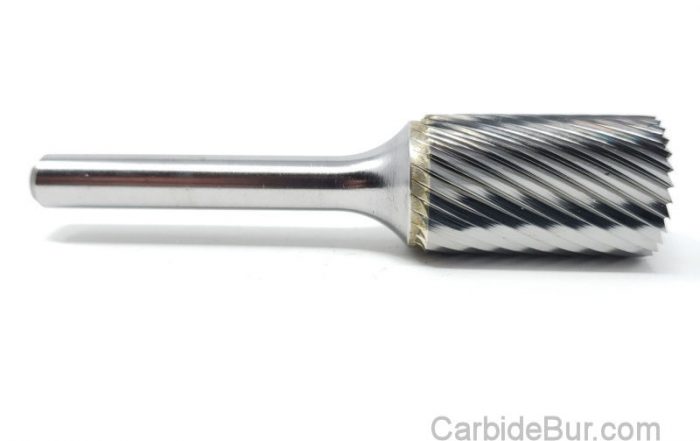
Carbide Burr Shapes Explained: Cylindrical, Ball, Oval, and Tree Burrs
Carbide Burr Shapes Explained: Cylindrical, Ball, Oval, and Tree Burrs Choosing the right carbide burr shape can make metalworking easier, improve control, and help you remove material where it is actually needed. Whether you are [...]
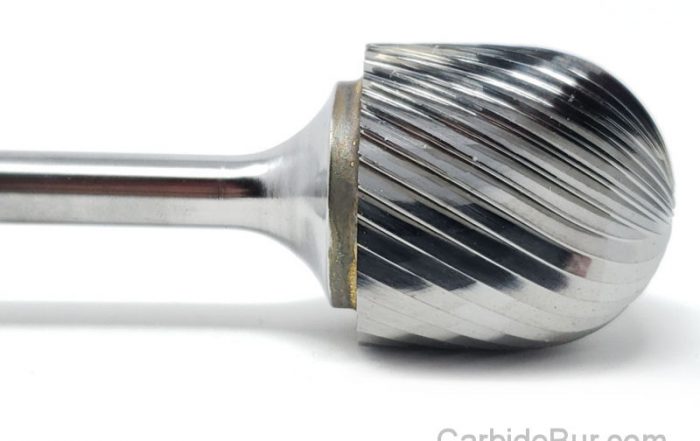
How to Get More Life from Your Carbide Burrs
How to Get More Life from Your Carbide Burrs Carbide burrs are valuable tools for welders, fabricators, machinists, automotive enthusiasts, and anyone who regularly works with metal. They can remove material, shape edges, clean up [...]