
Beginner’s Guide to Selecting the Perfect Carbide Burr for Your First Project
Picking the right carbide burr can feel overwhelming when you’re just starting out. You want a tool that’s easy to handle and versatile enough for your first project. This guide breaks down the types of burrs, their shapes and sizes, and offers safety tips for burrs so you can work confidently and avoid common mistakes. By the end, you’ll know exactly which beginner burr suits your needs and how to get the best results with carbide tools for beginners. For more insights, check out this guide.
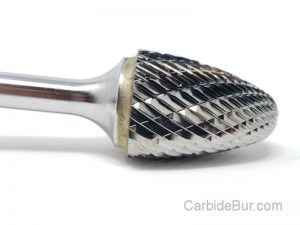
Check out this selection of USA made carbide burs
Understanding Carbide Burrs
Knowing what carbide burrs are can change how you approach your projects. They offer precision and control, making them a favorite for many.
What is a Carbide Burr?
A carbide burr is a small tool that cuts, grinds, and shapes material. It’s made from tungsten carbide, known for its strength. You might be wondering how small tools can make a difference, but these burrs are powerful. They can handle metal, wood, stone, and even ceramics. They’re a staple in many workshops because of their versatility. Plus, they come in various shapes to suit different tasks.
Why Beginners Use Carbide Burrs
Carbide burrs are popular among beginners due to their ease of use. You don’t need advanced skills to start. They work well with basic drills or rotary tools, which many hobbyists already own. The best part? You can achieve professional results without spending years mastering the art. This tool opens new possibilities, allowing you to experiment without fear.
Benefits of Carbide Tools for Beginners
Why choose carbide tools? First, they last long, saving you money in the long run. A single purchase can keep you going on multiple projects. Second, they provide clean cuts, reducing the need for touch-ups. Lastly, they’re reliable. You can count on them to perform consistently. For more tips, check out these beginner tips.
Types of Burrs for Machining
Once you understand the basics, it’s time to explore the different types of burrs. This section will guide you through the options available.

Need a longer reach for your die grinder?
Identifying Beginner Burr Types
Beginners often start with single cut burrs. These have a single flute spiral, ideal for soft materials like wood and plastic. Double cut burrs, on the other hand, are perfect for metal. They offer better control and a smoother finish. If you’re unsure which to pick, start with a mixed set. This gives you the flexibility to try different types without committing to one.
Exploring Burr Shapes and Sizes
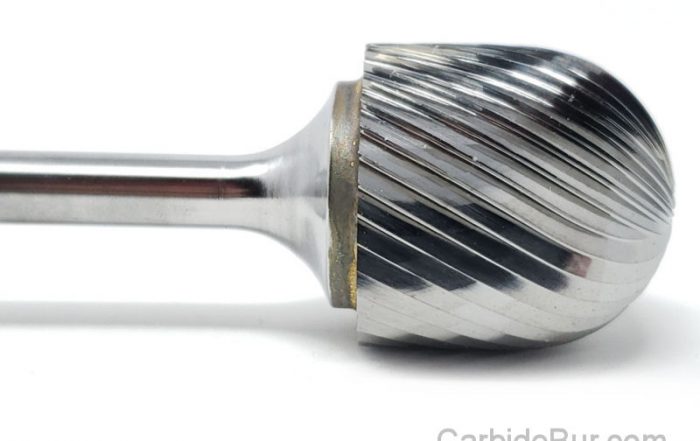
Burrs come in many shapes: ball, cylinder, and tree to name a few. Each shape has its purpose. For instance, ball shapes are great for carving. Cylinders work well for flat surfaces. Don’t be afraid to experiment with different shapes. Sizes vary too. Larger burrs remove more material but require more control. Beginners might prefer starting small.
Choosing Versatile Burrs
Versatility is key. Look for burr sets that offer multiple shapes and sizes. This way, you can tackle a range of tasks. Versatile burrs mean you won’t need to buy new ones for every project. Check sets that include both single and double cut options. They provide a balanced approach, allowing you to grow your skills.
Selecting the Right Burr for Your Project
Choosing the right burr makes all the difference. Align your selection with your material and project needs.
Matching Burrs to Materials
Material choice affects your burr selection. Use single cut for soft materials like wood, and double cut for metals. Aluminum requires specific burrs to avoid clogging. For a detailed guide, read this article on aluminum burrs. Matching the burr to your material optimizes performance and extends tool life.
Evaluating Burr Sizes for Projects
Size matters. A small burr suits detailed work, while larger ones remove material quickly. Think about your project’s scope. For intricate designs, small burrs are a must. But for rough shaping, a larger size will save time. Make sure the burr fits your tool too. Compatibility is crucial for safety and efficiency.
Popular Burrs for DIY Enthusiasts
DIY enthusiasts love ball and cylinder burrs for their versatility. They handle a variety of tasks from engraving to shaping. Ball burrs are perfect for creating curves, while cylinders smooth surfaces. These burrs are easily found in starter kits, making them accessible to beginners.
Safety Tips for Burrs
Safety should never be an afterthought. Proper handling and gear protect you and extend the life of your tools.
Proper Handling Techniques
Handling your burrs correctly is vital. Always secure your workpiece before starting. A steady hand ensures precision and reduces accidents. Start with low speed, especially if you’re new. Gradually increase as you gain confidence. This approach helps you maintain control, leading to better results.
Essential Safety Gear
Safety gear is your best friend. Wear goggles to protect your eyes from flying debris. Gloves safeguard your hands from sharp edges. Ear protection is also wise if you’re working in a noisy environment. Never underestimate the importance of safety gear. It’s an investment in your well-being.
Avoiding Common Mistakes
Mistakes happen, but they can be minimized. Avoid forcing the burr into the material; let it do the work. Pushing too hard can damage the burr and your project. Also, don’t skip maintenance. Regular cleaning keeps your tools in top shape. For more on avoiding errors, visit this helpful page.
Operating Your Burr with Confidence
With newfound knowledge, you can operate your burrs confidently. Here’s how to ensure smooth operation.
Tips for Smooth Operation
Smooth operation starts with setup. Ensure your tool is firmly attached. A wobbly burr leads to uneven cuts. Practice makes perfect. Spend time getting comfortable with your tool. Start with simple tasks and progress to more complex ones. This builds skill and confidence.
Maintaining Your Carbide Burrs
Maintenance is key to longevity. Clean your burrs after each use. A soft brush removes debris without damaging them. Store them in a dry place to prevent rust. Regular maintenance ensures they’re ready for your next project. It’s a small step that makes a big difference.
Troubleshooting Common Issues
Encountering issues is normal. If your burr isn’t cutting well, check for wear and tear. Blunt burrs need replacing. If material builds up, clean it immediately. Knowing how to troubleshoot keeps you on track. Watch a tutorial here for more tips.
By now, you should feel equipped to select and use the right carbide burr for your projects. Remember, practice and patience are your allies. Each project is a step toward mastery.
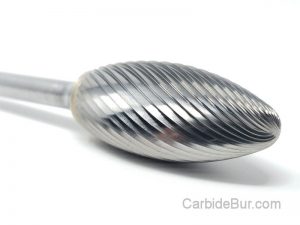
Looking for Carbide Bur Tools?
Check out our entire selection of USA made carbide bur die grinder tool bits
Follow us on Twitter

Return to CarbideBur.com
Carbide Burs – 1/4″ on 1/8″ Shanks – Accessories – Aluminum Cut – Bur Sets – End Mills – Long Shank – Solid Burs
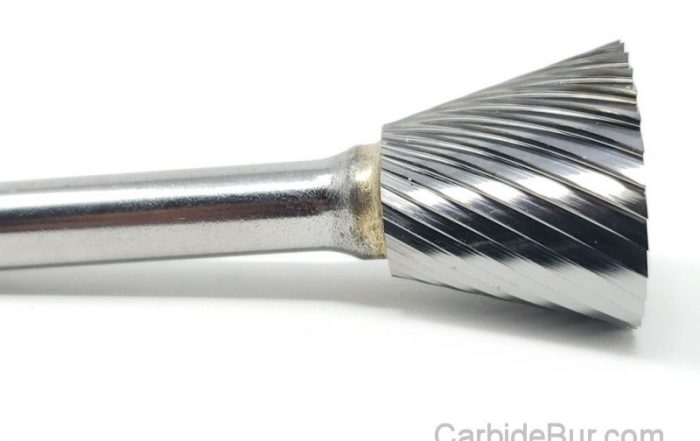
1/8 vs 1/4 Inch Carbide Burrs: What’s the Difference?
1/8 vs 1/4 Inch Carbide Burrs: What's the Difference? Choosing between a 1/8 inch carbide burr and a 1/4 inch carbide burr can change how your project turns out. Many machinists and hobbyists overlook how [...]
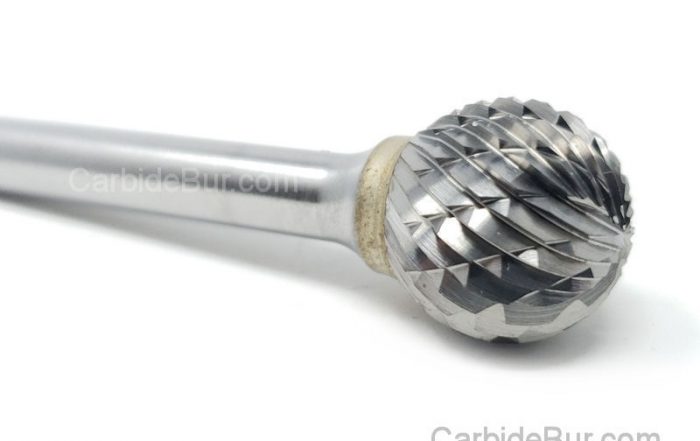
Best Carbide Burr for Removing Flash From Castings
Best Carbide Burr for Removing Flash From Castings Removing flash from castings is a task that can slow down your entire metalworking process if you don’t have the right tools. Picking the best carbide burr [...]
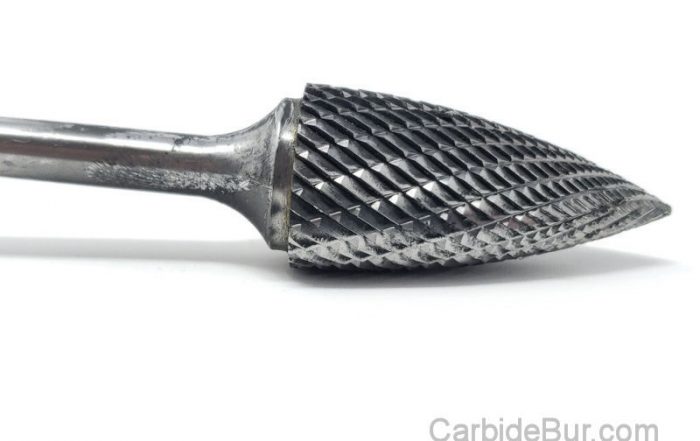
What RPM Should You Use for a 1/4 Inch Carbide Burr?
What RPM Should You Use for a 1/4 Inch Carbide Burr? Most machinists guess the right speed for a 1/4 inch carbide burr and hope for the best. Using the wrong carbide burr RPM can [...]
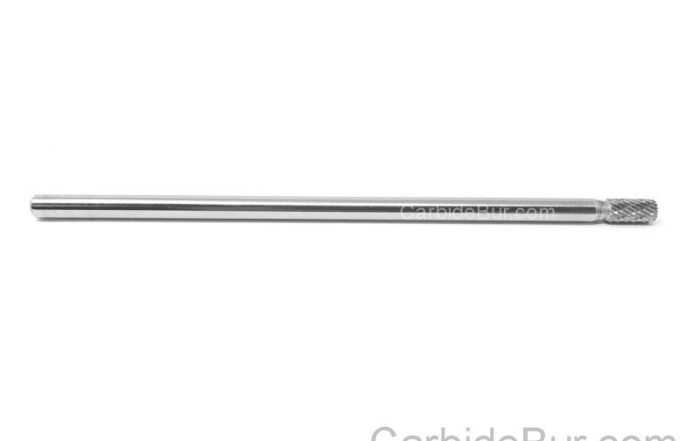
Long Shank Carbide Burrs: When Do You Need One?
Long Shank Carbide Burrs: When Do You Need One? Most machinists overlook the power of long shank carbide burrs until a project demands precision in tight spaces. When your usual tools can’t reach intricate contours, [...]
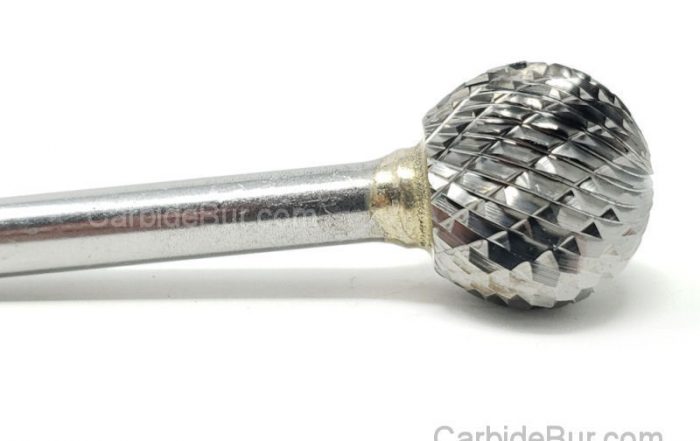
How Deep Can a Carbide Burr Cut Metal?
How Deep Can a Carbide Burr Cut Metal? Carbide burrs often get praised for their precision, but many users hit a wall wondering how deep they can actually cut metal. The truth is, cutting depth [...]
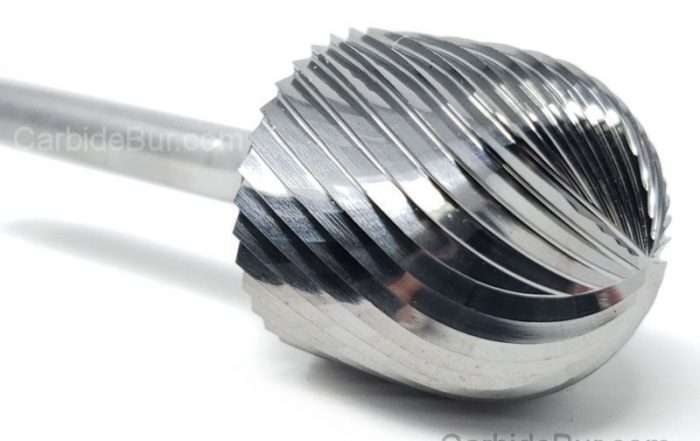
How to Use Carbide Burrs for Port Matching
How to Use Carbide Burrs for Port Matching Most engine builds hit a wall when airflow doesn’t flow smoothly between the ports and manifolds. If your engine isn’t breathing right, your performance stalls. Using the [...]
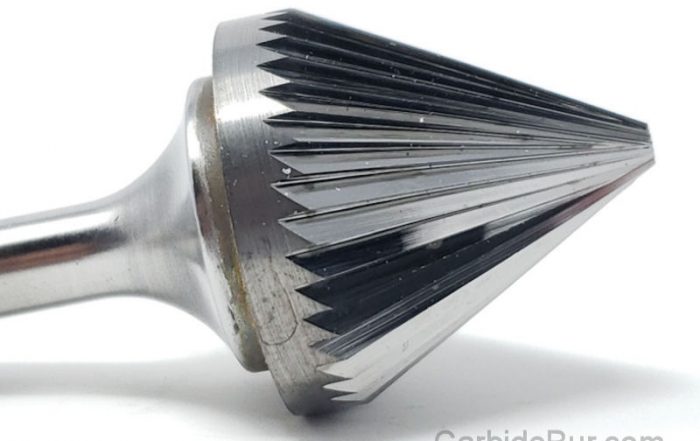
Best Carbide Burr for Porting Intake Manifolds
Best Carbide Burr for Porting Intake Manifolds Porting intake manifolds can make or break your engine’s airflow, yet many struggle with the right tools for the job. Choosing the best carbide burrs is key to [...]
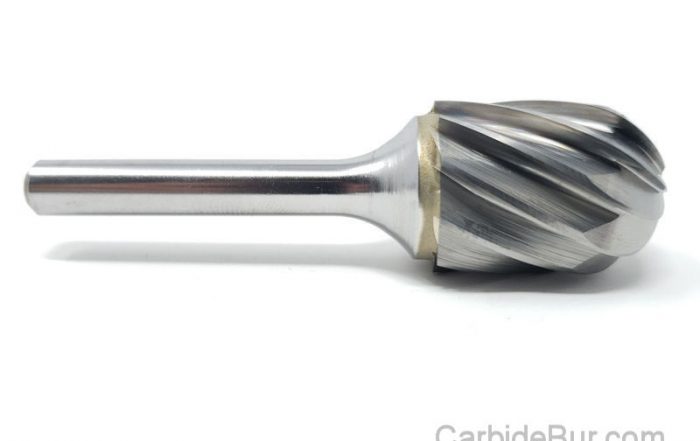
Best Carbide Burr for Concave Surfaces
Best Carbide Burr for Concave Surfaces Concave surfaces can turn a straightforward project into a frustrating challenge if you don’t have the right tool. Carbide burrs designed for these tricky curves make all the difference [...]
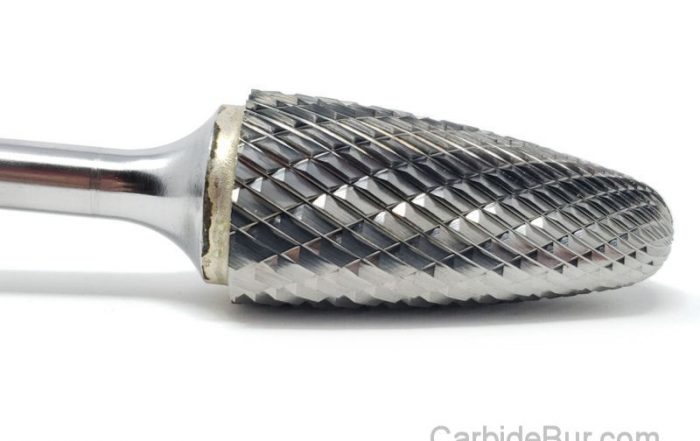
How to Grind a Slot in Metal With a Carbide Burr
How to Grind a Slot in Metal With a Carbide Burr Grinding a precise slot in metal can feel like a tricky task, especially if you’re unsure which tools to trust. Carbide burr grinding offers [...]

Best Carbide Burr for Inside Corners
Best Carbide Burr for Inside Corners Working in tight inside corners can turn even simple projects into frustrating tasks. Many carbide burrs just don’t fit or cut cleanly where you need them most. The best [...]
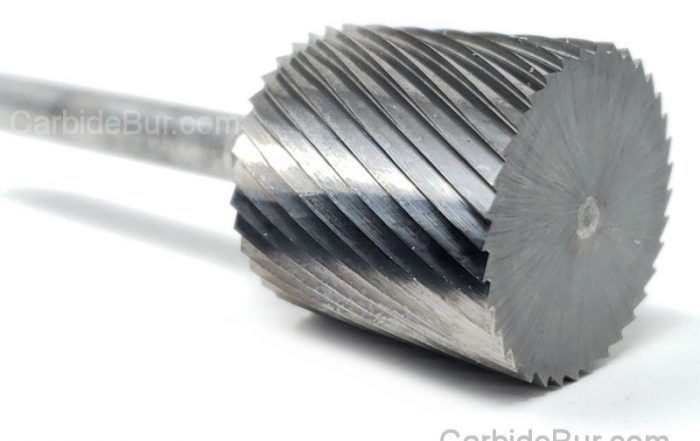
What Size Carbide Burr Do I Need?
What Size Carbide Burr Do I Need? Picking the wrong carbide burr can turn a simple project into a frustrating mess. You might have the best machining tools but still miss the mark if your [...]
How to Smooth Sharp Metal Edges With a Carbide Burr
How to Smooth Sharp Metal Edges With a Carbide Burr Sharp metal edges can turn your project from professional to risky in seconds. If you’ve struggled with smoothing metal edges without scratching or weakening the [...]
