
Achieve Precision and Safety: Best Practices for Using Carbide Burrs
Carbide burr safety is often overlooked until a close call happens. If you want to keep your hands and eyes protected while working, knowing the right personal protective equipment is just the start. You’ll also learn how to keep your workpiece steady and handle your tools with control to avoid costly mistakes. This guide will keep your projects precise and injury-free from start to finish. For more insights, check out this comprehensive guide on carbide burrs.
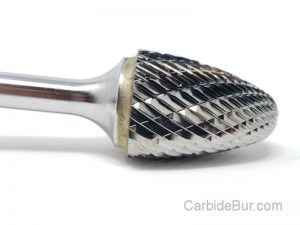
Check out this selection of USA made carbide burs
Importance of Carbide Burr Safety
Understanding the risks associated with carbide burrs is crucial. Many users underestimate these tools, leading to preventable accidents. Let’s dive into what you should know.
Understanding Carbide Burr Risks
Carbide burrs might look harmless, but they can be dangerous if not used properly. Imagine you’re working on a project and suddenly lose grip. That tiny mistake can cause serious injuries or damage. Always remember that even a small tool can have a big impact. It’s about being informed and taking precautions every time you use them.
One common risk is debris flying into your eyes. Without the right protection, this can cause permanent damage. Additionally, improper handling can lead to slips that injure your hands. To prevent accidents, you must be aware of your surroundings and maintain control over your tools. Stay informed and prioritize safety with every use.
Benefits of Safe Use Practices
Practicing safe use isn’t just about avoiding accidents; it enhances your overall work quality. When you’re cautious, your projects become smoother and more precise. You minimize errors and improve your confidence with each task. Knowing you’re protected allows you to focus more on creativity than on potential hazards.
Your safety practices can also extend the life of your carbide burrs. Proper handling and maintenance reduce wear and tear, saving you money in the long run. By investing in safety, you’re investing in better results and a longer lifespan for your tools.

Need a longer reach for your die grinder?
Essential Personal Protective Equipment
Now that you understand the risks, let’s discuss the armor. Choosing the right personal protective equipment (PPE) is a game-changer. It shields you from common dangers, making your work environment safer.
PPE for Grinding
When grinding, your safety gear is your best friend. It protects against dust, debris, and unexpected slips. Essential PPE includes goggles, gloves, and masks. Goggles shield your eyes from flying particles, while gloves protect your hands from cuts and burns.
Masks are vital for keeping dust and small particles out of your lungs. Breathing in these particles can lead to long-term health issues. By wearing a mask, you’re safeguarding your respiratory health. Remember, PPE is not optional; it’s essential to your safety and project success.
Importance of Goggles and Gloves
Goggles and gloves are more than just accessories. They’re critical components of your safety routine. Goggles prevent eye injuries that can occur from flying debris during grinding. Even the smallest particle can cause significant harm if it reaches your eyes.
Gloves provide grip and protect your hands from cuts and burns. They allow you to maintain control over your tools, reducing the chance of accidents. Without gloves, your hands are vulnerable to sharp edges and high temperatures. Prioritize these protective measures to ensure a safe working environment.
Securing the Workpiece
With your protective gear in place, the next step is securing your workpiece. This ensures stability and precision during your projects.
Techniques for Workpiece Stability
Securing your workpiece is about creating a stable environment. Use clamps or vices to hold your workpiece firmly in place. A stable workpiece means fewer mistakes and a smoother finish. When your material doesn’t move, you can focus on perfecting your technique.
Ensure that your setup is sturdy. If your workpiece shifts, it can lead to inaccuracies and potential accidents. Take the time to secure everything before you start grinding. It’s a small step that can make a big difference in your project’s outcome.
Minimizing Movement During Grinding
Movement during grinding can cause major issues. To minimize this, ensure that your workpiece is firmly held. Checking the stability before you start can save you a lot of trouble. Adjust clamps as needed to keep everything in place.
Unwanted movement can also lead to tool damage. Consistent vibrations can wear down your carbide burrs faster than expected. By securing your workpiece, you not only improve your results but also extend the life of your tools.
Carbide Burr Handling Techniques
Proper handling of carbide burrs is key to achieving precision and safety. Let’s explore how to maintain control over your tools.
Maintaining a Firm Grip
A firm grip is essential when working with carbide burrs. It ensures you have control, reducing the risk of slippage. Use both hands for improved balance and steadiness. A secure grasp allows you to guide the tool exactly where you need it.
When your grip is strong, you can work more efficiently. You gain confidence in your movements, knowing that the tool won’t slip unexpectedly. Practice holding your tools before you start to get comfortable with the grip.
Controlling Burr Speed for Precision
Speed control is crucial for precise results. High speeds can lead to mistakes, while slower speeds offer better control. Adjust the speed according to the material you’re working on. Some materials require a gentler touch for the best results.
By mastering speed control, you can enhance your project’s accuracy. Slow and steady often wins the race when it comes to precision grinding. Test different speeds to find what works best for your specific task.
Tips for Safe Use of Carbide Burrs
Finally, maintaining your tools is essential for safety and performance. Regular checks ensure your carbide burrs remain in top condition.
Regular Tool Maintenance
Regular maintenance is non-negotiable. Clean your burrs after each use to prevent buildup. This keeps them sharp and efficient. Inspect your tools regularly for any signs of damage. A quick check can prevent bigger issues down the line.
Keep your tools stored properly when not in use. Proper storage extends their life and ensures they’re ready when you need them. For more maintenance tips, visit this guide on maintaining carbide burrs.
Recognizing Signs of Wear and Tear
Worn-out tools can be dangerous. Learn to recognize signs of wear and tear in your carbide burrs. Look for dullness, chips, or uneven surfaces. These can indicate that it’s time for a replacement.
Using damaged tools can lead to poor results and safety hazards. By staying vigilant, you ensure your tools are in optimal condition. Keep your projects safe and precise by regularly checking and maintaining your equipment.
Looking for Carbide Bur Tools?
Check out our entire selection of USA made carbide bur die grinder tool bits
Follow us on Twitter

Return to CarbideBur.com
Carbide Burs – 1/4″ on 1/8″ Shanks – Accessories – Aluminum Cut – Bur Sets – End Mills – Long Shank – Solid Burs
1/8 vs 1/4 Inch Carbide Burrs: What’s the Difference?
1/8 vs 1/4 Inch Carbide Burrs: What's the Difference? Choosing between a 1/8 inch carbide burr and a 1/4 inch carbide burr can change how your project turns out. Many machinists and hobbyists overlook how [...]
Best Carbide Burr for Removing Flash From Castings
Best Carbide Burr for Removing Flash From Castings Removing flash from castings is a task that can slow down your entire metalworking process if you don’t have the right tools. Picking the best carbide burr [...]
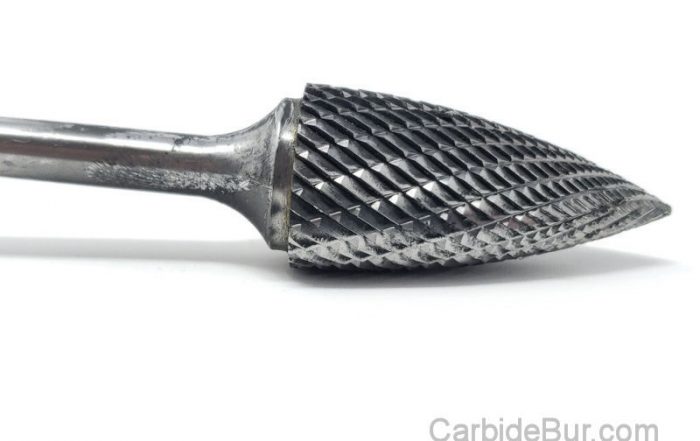
What RPM Should You Use for a 1/4 Inch Carbide Burr?
What RPM Should You Use for a 1/4 Inch Carbide Burr? Most machinists guess the right speed for a 1/4 inch carbide burr and hope for the best. Using the wrong carbide burr RPM can [...]
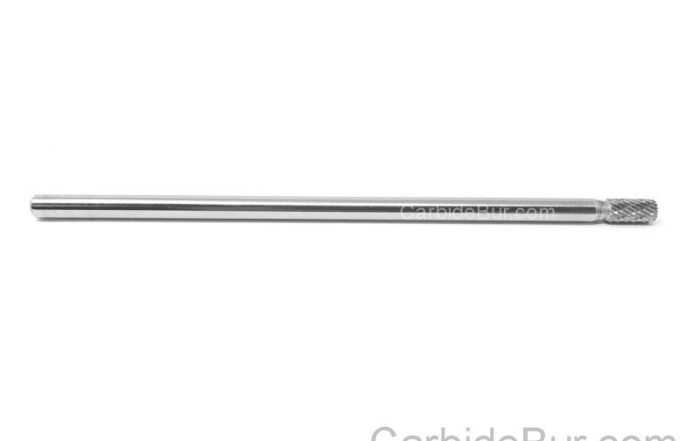
Long Shank Carbide Burrs: When Do You Need One?
Long Shank Carbide Burrs: When Do You Need One? Most machinists overlook the power of long shank carbide burrs until a project demands precision in tight spaces. When your usual tools can’t reach intricate contours, [...]
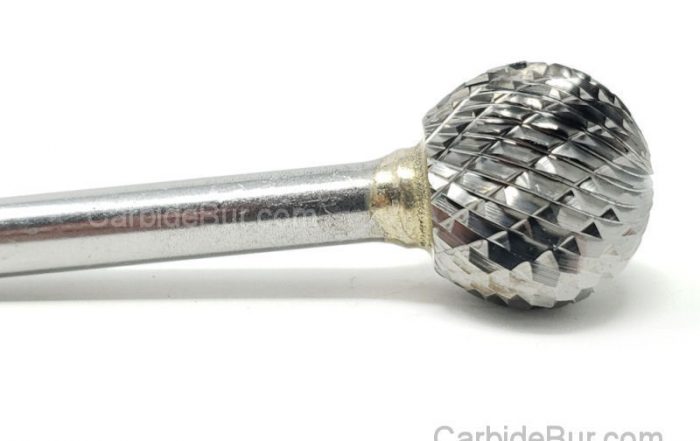
How Deep Can a Carbide Burr Cut Metal?
How Deep Can a Carbide Burr Cut Metal? Carbide burrs often get praised for their precision, but many users hit a wall wondering how deep they can actually cut metal. The truth is, cutting depth [...]
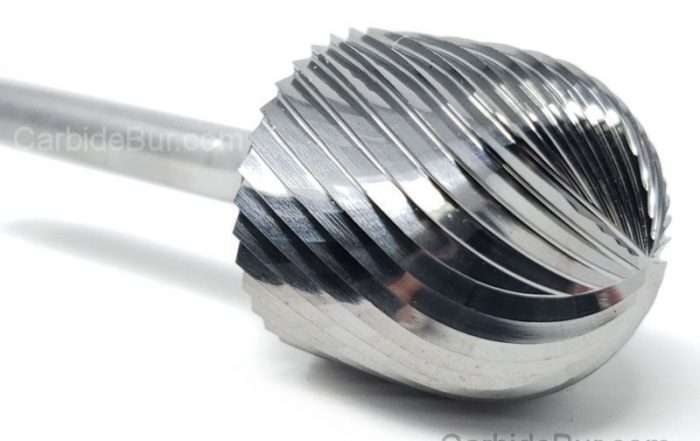
How to Use Carbide Burrs for Port Matching
How to Use Carbide Burrs for Port Matching Most engine builds hit a wall when airflow doesn’t flow smoothly between the ports and manifolds. If your engine isn’t breathing right, your performance stalls. Using the [...]
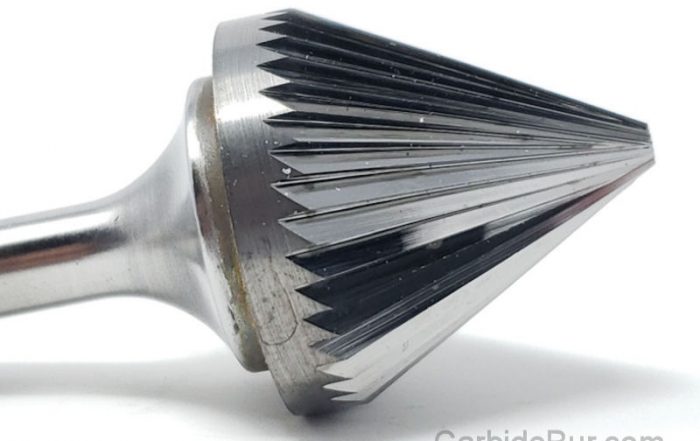
Best Carbide Burr for Porting Intake Manifolds
Best Carbide Burr for Porting Intake Manifolds Porting intake manifolds can make or break your engine’s airflow, yet many struggle with the right tools for the job. Choosing the best carbide burrs is key to [...]
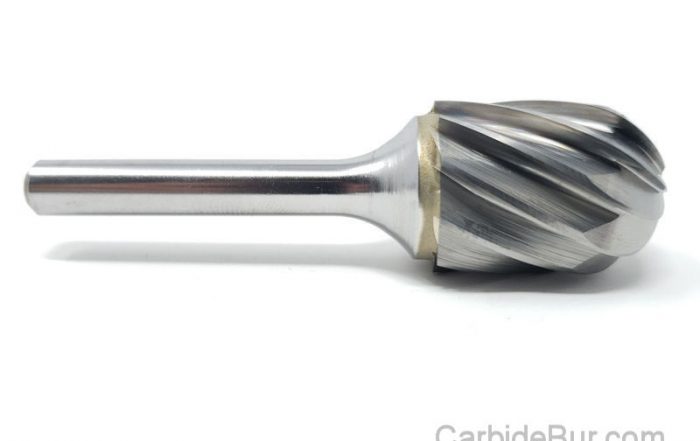
Best Carbide Burr for Concave Surfaces
Best Carbide Burr for Concave Surfaces Concave surfaces can turn a straightforward project into a frustrating challenge if you don’t have the right tool. Carbide burrs designed for these tricky curves make all the difference [...]
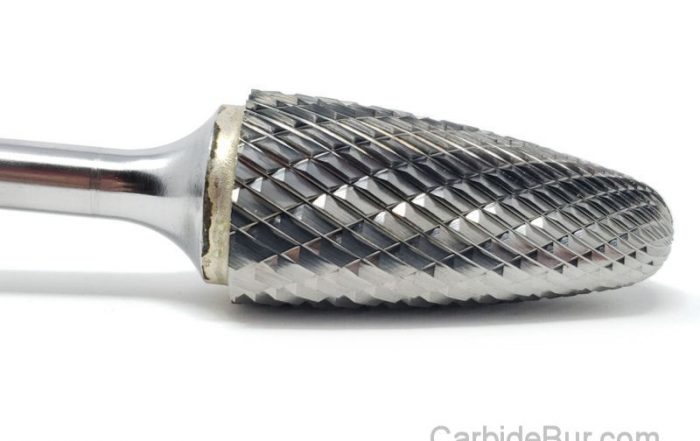
How to Grind a Slot in Metal With a Carbide Burr
How to Grind a Slot in Metal With a Carbide Burr Grinding a precise slot in metal can feel like a tricky task, especially if you’re unsure which tools to trust. Carbide burr grinding offers [...]

Best Carbide Burr for Inside Corners
Best Carbide Burr for Inside Corners Working in tight inside corners can turn even simple projects into frustrating tasks. Many carbide burrs just don’t fit or cut cleanly where you need them most. The best [...]
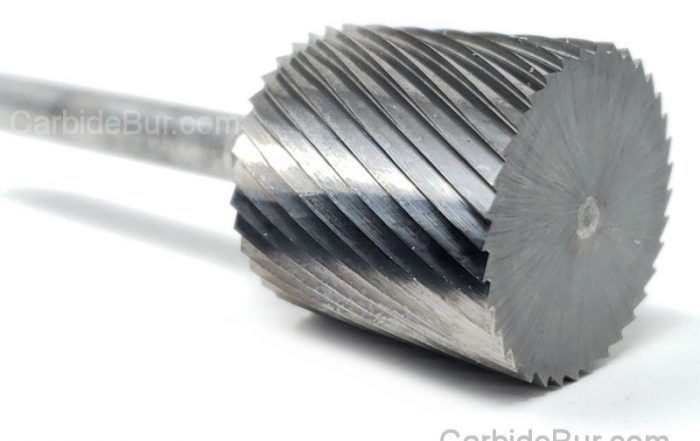
What Size Carbide Burr Do I Need?
What Size Carbide Burr Do I Need? Picking the wrong carbide burr can turn a simple project into a frustrating mess. You might have the best machining tools but still miss the mark if your [...]
How to Smooth Sharp Metal Edges With a Carbide Burr
How to Smooth Sharp Metal Edges With a Carbide Burr Sharp metal edges can turn your project from professional to risky in seconds. If you’ve struggled with smoothing metal edges without scratching or weakening the [...]
