Carbide Burr Safety: 15 Mistakes That Can Cause Injury or Damage
Carbide burr safety is often overlooked until a costly mistake happens. Many metalworkers and DIYers make the same errors that lead to injuries or damaged projects. Knowing the common mistakes with carbide burrs can save you time, money, and pain. In this post, you’ll learn key metalworking safety tips, including proper personal protective equipment for metalworking and how to handle and store your burrs correctly. For more information, visit this guide.
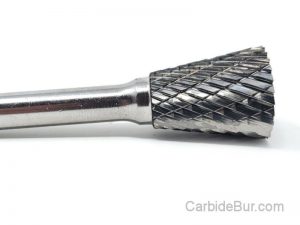
Understanding Carbide Burr Safety
Safety is not just a rule; it’s a mindset that saves lives. Here, you’ll find insights into keeping your workspace safe and efficient.
Importance of Safety Measures
Your first line of defense is understanding why safety measures matter. Ensuring that you adopt proper carbide burr safety habits can help you avoid accidents. Injuries from burrs can range from minor cuts to severe wounds, impacting your ability to work. By following safety guidelines, you protect yourself and those around you.
Common Mistakes with Carbide Burrs
Mistakes with carbide burrs often lead to unnecessary hazards. One common error is using the wrong burr size for the task, which can cause slips or breakage. Another frequent mistake is applying too much pressure, leading to premature tool wear. The key is to let the tool do the work, maintaining control and precision throughout the process.
Essential Safety Knowledge
Understanding the tools you use is crucial. Carbide burrs, when handled correctly, are invaluable for any metalworking task. Familiarize yourself with their functions and limitations to use them safely. Knowing the right speed and pressure can prevent accidents and extend tool life.
Personal Protective Equipment for Metalworking
Equipping yourself with the right gear is just as important as knowing your tools. Discover how to choose and maintain your protective equipment.
PPE for Machinists
Personal protective equipment (PPE) is your armor in the workshop. Essential items include safety goggles, gloves, and ear protection. Goggles protect your eyes from flying debris, while gloves shield your hands from cuts and burns. Ear protection is vital in noisy environments to prevent hearing loss.
Choosing the Right Gear
Selecting appropriate gear is crucial. Look for equipment that fits well and offers adequate protection. For example, choose gloves that allow dexterity without compromising safety. Ensure that your goggles have anti-fog properties for clear vision at all times.
Proper Use and Maintenance
Maintaining your PPE ensures its effectiveness. Regularly inspect your gear for wear and tear, replacing it as necessary. Clean goggles and gloves after each use to prolong their lifespan, ensuring you’re always prepared for safe working conditions.
Handling and Storage of Carbide Burrs
Proper handling and storage are vital to maintain your burrs and minimize risks. Discover methods to keep your tools in top condition.
Safe Carbide Burr Handling
Handling carbide burrs with care prevents accidents. Always ensure your hands are dry and free from oil to maintain a firm grip. Use both hands for stability when operating the tool. This minimizes the risk of slips and ensures better control.
Burr Storage Tips
Proper storage extends the life of your carbide burrs. Keep them in a dedicated container to prevent them from knocking against each other, which can cause chipping. Label your burrs according to size and type for easy access and organization.
Preventing Tool Damage
To prevent damage, regularly inspect your burrs for wear. Avoid using damaged tools as they can break easily and pose risks. Replace worn-out burrs promptly to maintain high performance and safety.
Techniques for Effective Use
Mastering the right techniques enhances your work quality and safety. Learn how to adapt your approach based on material and tool type.
Optimal Speed and Technique
Using the correct speed is crucial for effective carbide burr use. High speed may cause overheating, while too slow a speed reduces efficiency. Adjust the speed based on the material you’re working with to achieve optimal results.
Material-Specific Approaches
Different materials require different techniques. When working with softer metals, use a lower speed to prevent gouging. For harder materials, a higher speed with steady pressure ensures a clean cut. Tailor your technique to the material for best results.
Avoiding Metalworking Injuries
Preventing injuries requires awareness and skill. Always wear the appropriate PPE and maintain a clear workspace. Familiarize yourself with emergency procedures in case of accidents, and never rush a task. Patience and precision are your best tools against injury.
Creating a Safer Work Environment
Building a culture of safety is essential for any workshop. Here’s how you can foster an environment focused on well-being and productivity.
Metalworking Safety Tips
Safety begins with a clean and organized workspace. Remove clutter to prevent tripping hazards and ensure tools are stored properly. Regularly review safety protocols and encourage open communication among team members regarding safety concerns.
Preventive Measures for Accidents
Prevention is the best strategy against accidents. Conduct regular safety drills and equipment checks. Provide training sessions to keep everyone updated on the latest safety practices and encourage reporting of potential hazards.
Building a Safety-First Culture
Creating a safety-first culture involves everyone in the workshop. Lead by example, showing commitment to safety in all tasks. Encourage feedback and suggestions from the team to continuously improve safety measures. A culture of safety not only protects employees but also boosts morale and efficiency.
Frequently Asked Questions
What PPE is essential for metalworking?
Essential PPE for metalworking includes safety goggles, gloves, and ear protection. These protect against debris, cuts, and noise.
How can I prevent carbide burr damage?
Store burrs in a dedicated container to prevent chipping. Regularly inspect and replace worn burrs to maintain performance.
What speed should I use for carbide burrs?
The speed depends on the material. Softer metals require lower speeds, while harder ones need higher speeds for effective cutting.
Why are safety measures crucial in metalworking?
Safety measures prevent injuries and maintain a productive work environment. They protect workers and ensure tools are used efficiently.
How do I choose the right PPE?
Select PPE that fits well and meets safety standards. Look for features like anti-fog goggles and gloves with good dexterity for better protection.
Looking for Carbide Bur Tools?
Check out our entire selection of USA made carbide bur die grinder tool bits
Follow us on Twitter

Return to CarbideBur.com
Carbide Burs – 1/4″ on 1/8″ Shanks – Accessories – Aluminum Cut – Bur Sets – End Mills – Long Shank – Solid Burs
Carbide Burr Safety: 15 Mistakes That Can Cause Injury or Damage
Carbide Burr Safety: 15 Mistakes That Can Cause Injury or Damage Carbide burr safety is often overlooked until a costly mistake happens. Many metalworkers and DIYers make the same errors that lead to injuries or [...]
Can You Use a Carbide Burr in a Drill?
Can You Use a Carbide Burr in a Drill? Most people think a standard drill can’t handle a carbide burr, but that’s not true. Using carbide burr in the right drill can speed up your [...]
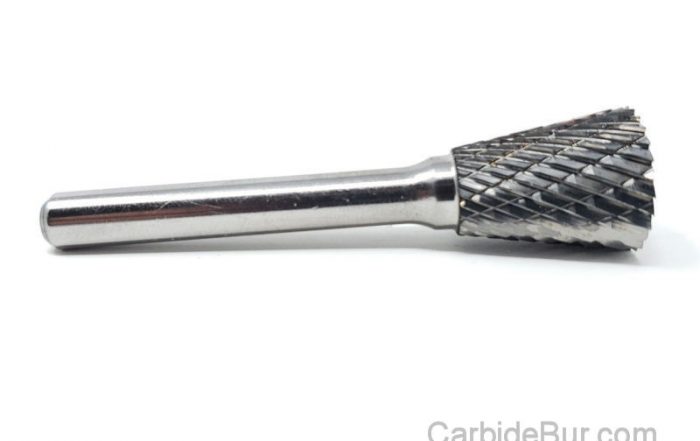
Carbide Burrs for Removing Rust: What Works Best?
Carbide Burrs for Removing Rust: What Works Best? Rust can turn your favorite tools into useless junk faster than you expect. Removing it without ruining the metal underneath takes more than just elbow grease—it demands [...]
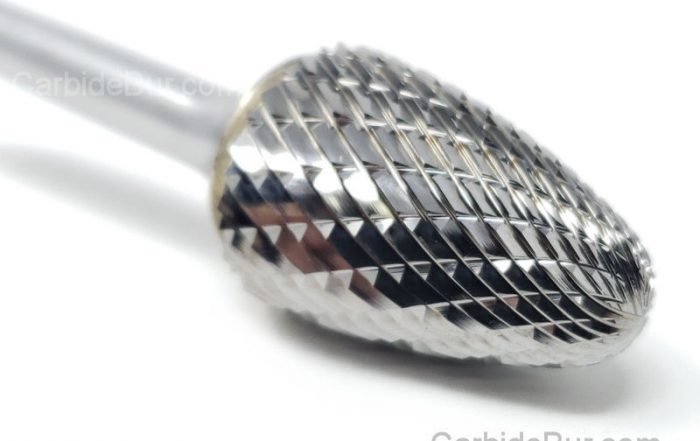
How Much Pressure Should You Use With a Carbide Burr?
How Much Pressure Should You Use With a Carbide Burr? Most people think pressing harder with a carbide burr speeds up the job. That’s not true—too much pressure wears out your tool and ruins the [...]
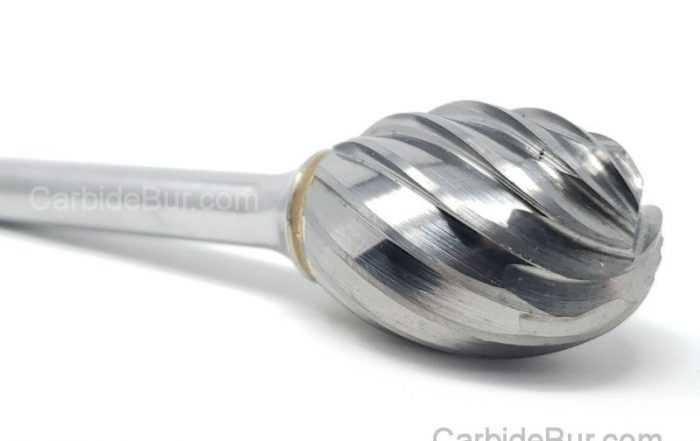
Can You Use Carbide Burrs With an Air Die Grinder?
Can You Use Carbide Burrs With an Air Die Grinder? Most people don’t realize how well carbide burrs work with air die grinders until they try them. If you’ve ever struggled with finding the right [...]
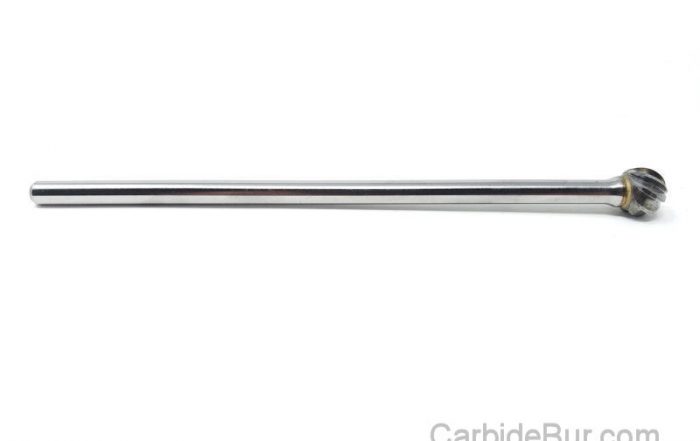
Best Long Reach Carbide Burr for Deep Metal Work
Best Long Reach Carbide Burr for Deep Metal Work Long reach carbide burrs often promise deep metal access, but many fall short where it counts most. You need a tool that cuts cleanly, lasts through [...]
What RPM Should You Use for a 1/8 Inch Carbide Burr?
What RPM Should You Use for a 1/8 Inch Carbide Burr? Most people guess the right carbide burr RPM by feel—and waste hours redoing work. If you want cleaner cuts and longer tool life, your [...]
Carbide Burrs for Tight Spaces: Choosing the Right Shape
Carbide Burrs for Tight Spaces: Choosing the Right Shape Tackling tight spaces with the wrong carbide burrs wastes time and risks damaging your work. Choosing the right burr shape makes all the difference when working [...]
Can Carbide Burrs Remove Paint From Metal?
Can Carbide Burrs Remove Paint From Metal? Stripping paint from metal often feels like a tough chore that risks damaging the surface underneath. Many turn to carbide burrs hoping they can speed things up without [...]
How to Grind a Groove in Metal With a Carbide Burr
How to Grind a Groove in Metal With a Carbide Burr Most metalworkers struggle to cut clean grooves without wasting time or ruining their workpiece. Many try different metalworking tools but end up with uneven [...]
Can Carbide Burrs Cut Through Welds?
Can Carbide Burrs Cut Through Welds? Cutting through welds can feel like a battle, especially when you need clean results without harming the base metal. Carbide burrs offer a sharp edge in this fight, but [...]
How to Use a Carbide Burr With a Die Grinder
How to Use a Carbide Burr With a Die Grinder Most people treat a carbide burr like just another tool, but using it with a die grinder takes skill. If you’ve struggled with burr installation [...]