
Beginner’s Guide to Engine Porting: Mastering Carbide Burrs for Enhanced Engine Performance
Most beginners think engine porting is just about grinding metal. The truth is, mastering carbide burrs can change how air moves through your engine, boosting power and performance. This beginner’s guide to engine porting breaks down the tools, techniques, and safety steps you need to get it right and make your DIY engine modifications count. For more insight on your first steps in automotive cylinder head porting, check out this guide.

Have you seen our selection of carbide bur tools?
Introduction to Engine Porting
Engines need proper airflow to function at their best. Understanding how to direct this flow can transform your vehicle. Let’s look at some basics first.
Understanding Engine Porting Basics
Engine porting involves modifying the intake and exhaust ports of an engine. This process allows air and fuel to flow more freely, improving engine performance. It sounds simple, but the benefits are huge. By reshaping these channels, you increase efficiency and power.
Having the right tools can make or break your porting project. Beginners often get overwhelmed by the options. Start small: focus on what matters most. By concentrating on essentials, you can create noticeable improvements without unnecessary stress.
Importance of Airflow Optimization
Airflow is the lifeblood of your engine. When air moves efficiently, your engine performs better. This means more power, better fuel economy, and smoother operation. By optimizing airflow, you reduce engine strain, leading to longer life and consistent performance.
The secret lies in minimizing resistance. Think of it like clearing a path: the fewer obstacles, the faster you can go. With proper techniques, you can ensure your engine breathes as freely as possible. This simple change can make a world of difference.
Role of Carbide Burrs in Porting
Carbide burrs are essential for precise porting. They cut through metal with ease, allowing you to shape engine parts accurately. We’ll explore the different shapes and how they help.
Types of Carbide Burr Shapes
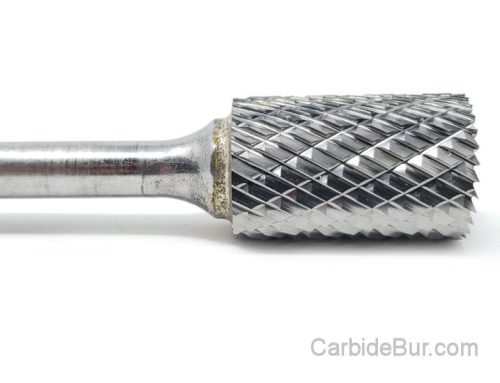
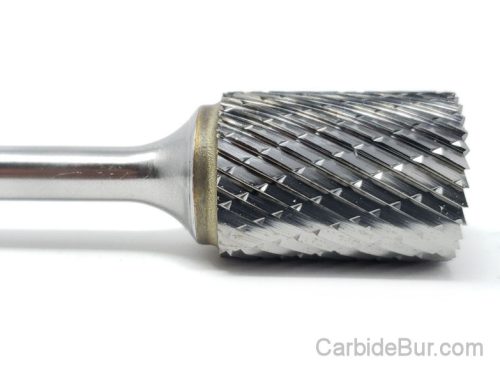
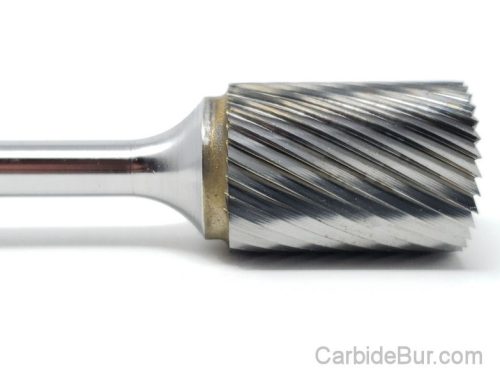
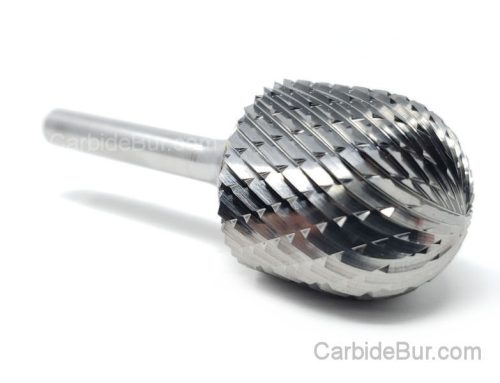
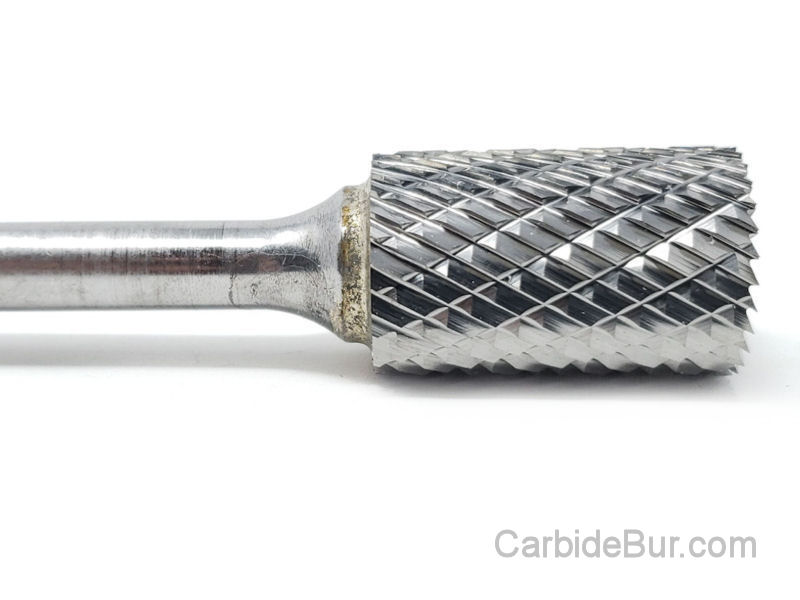
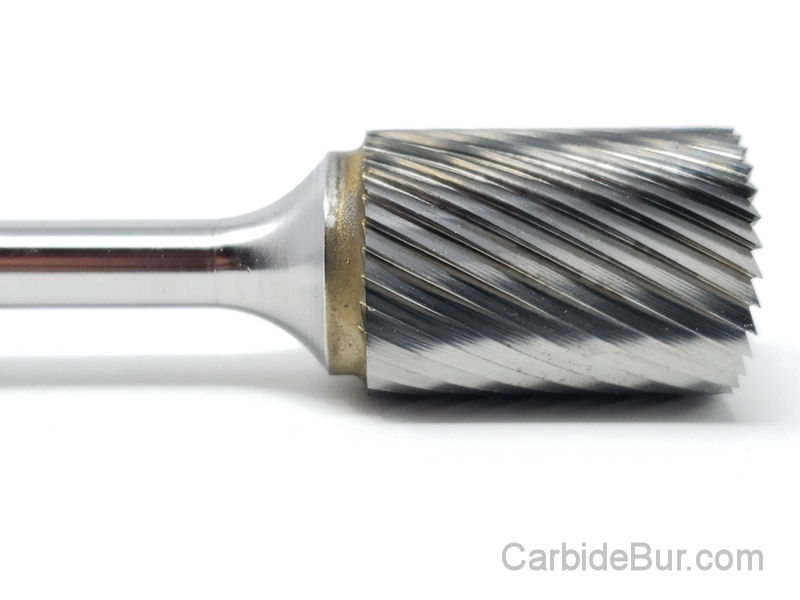
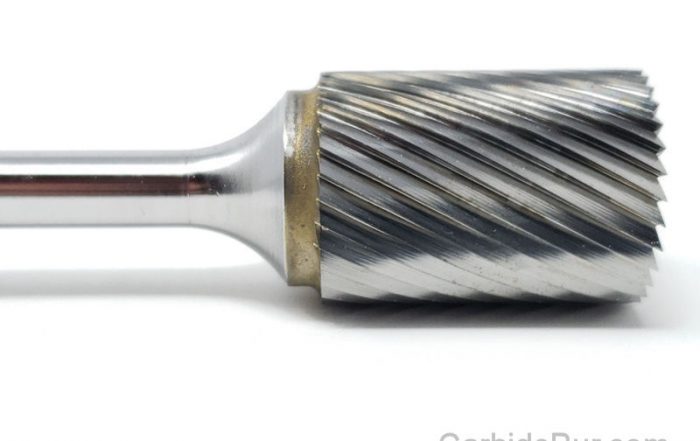
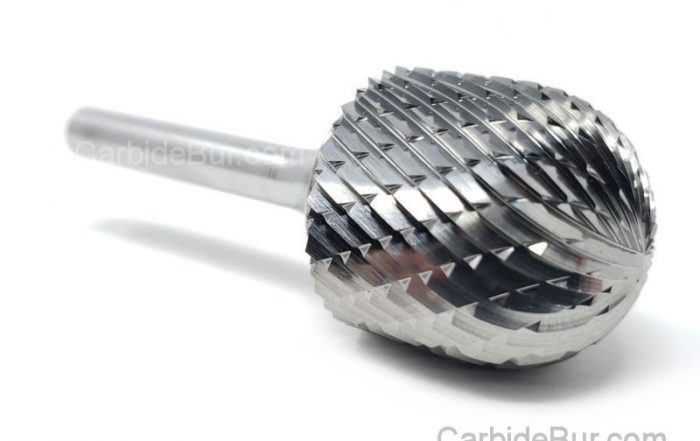
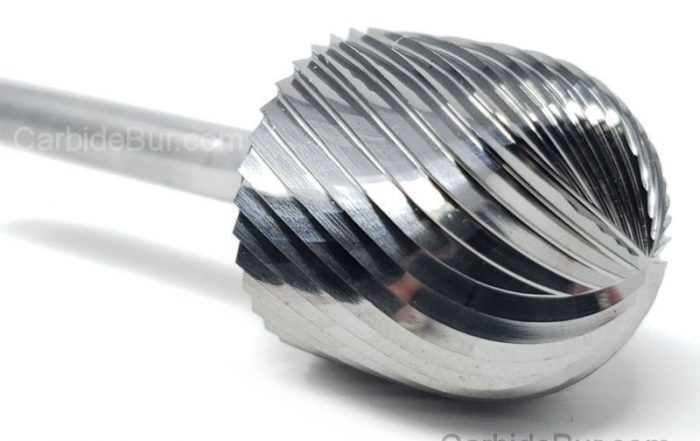
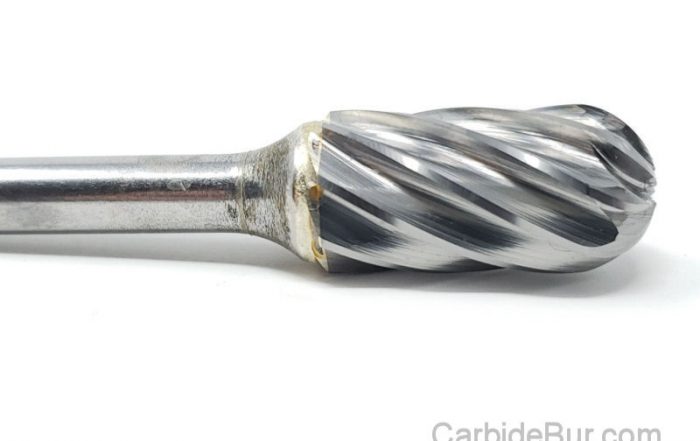
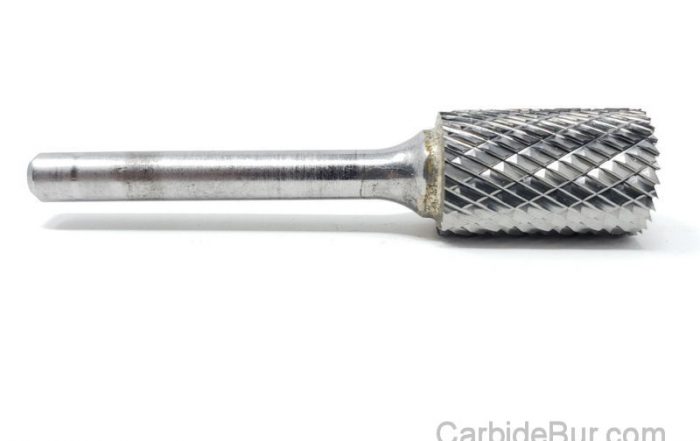
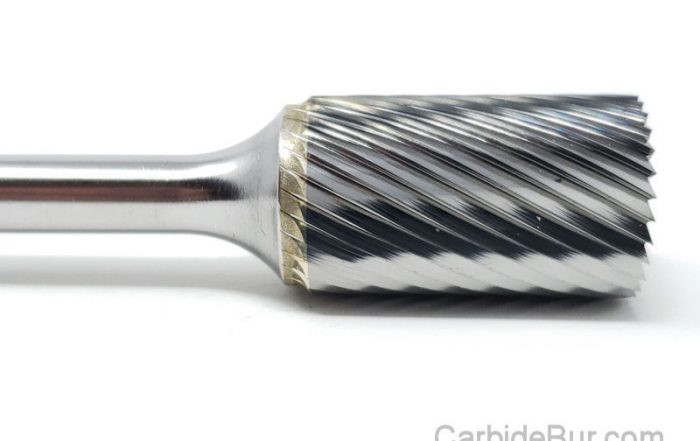
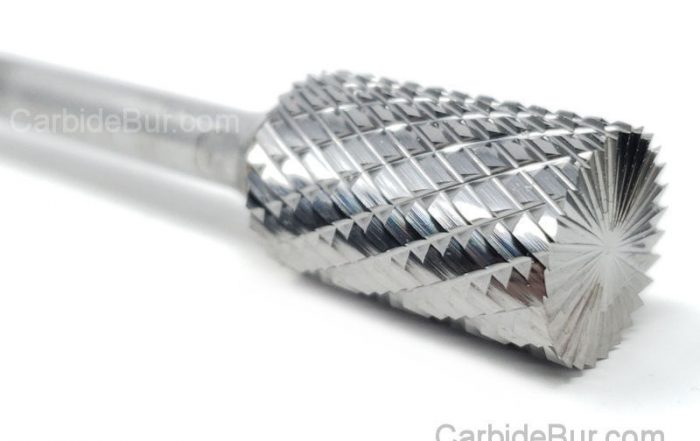
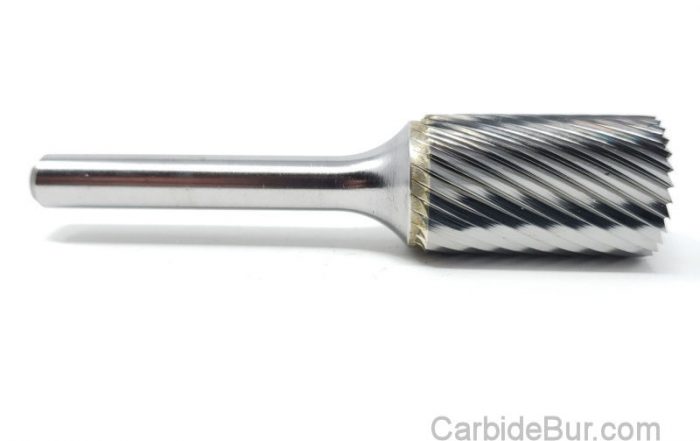
Carbide burrs come in various shapes, each serving a specific purpose. Cylindrical burrs are perfect for flat surfaces and right-angled corners. Flame burrs allow you to reach tight spaces. Ball-shaped burrs are ideal for creating concave cuts.
Choosing the right shape is crucial. It ensures you get the desired finish without damaging the engine. By matching the burr shape to your task, you can achieve remarkable results. Understanding these shapes helps in making informed decisions during porting.
Selecting the Right Burr for the Job
Selection depends on the job at hand. For general shaping, go with a cylindrical burr. Flame burrs are great for more detailed work, like creating curves or removing excess material in tight spots. Ball burrs offer precision for intricate tasks.
Consider the material of your engine parts. Different metals respond differently to burrs. Choosing the right tool can prevent mishaps. Getting this right saves time and effort. For more on why professionals use carbide burrs for cylinder head porting, visit this article.
Essential Tools and Techniques
Equipping yourself with the right tools is as important as knowing the techniques. Let’s dive into what you’ll need.
Must-Have Tools for Beginners
Every project starts with the basics. A high-speed rotary tool is essential. This tool drives your burrs, enabling you to shape metal with ease. Safety gear is non-negotiable: goggles, gloves, and a dust mask protect you during work.
For precision, invest in a quality set of carbide burrs. These are the backbone of your porting toolkit. An adjustable workbench provides stability, ensuring you can focus on details. These tools set the stage for successful porting.
Effective Porting Techniques
Technique is key to effective porting. Start by cleaning the area. Remove dirt and grease to get a clear view. Use light pressure: let the burr do the work. Rushing can cause mistakes.
Check your progress regularly. This helps ensure you don’t remove too much material. Take breaks to avoid overheating both yourself and the tool. By keeping a steady hand and sharp eye, you can transform your engine’s performance.
Safety Precautions in Porting
Safety should be your top priority. Let’s explore the necessary precautions to keep you safe during engine porting.
Protective Gear and Measures
Wearing the right gear is crucial. Safety goggles protect your eyes from metal shavings. Gloves shield your hands from sharp edges. A dust mask is vital to prevent inhaling harmful particles.
Work in a well-ventilated area. Proper lighting helps you see clearly and avoid mistakes. Keep a fire extinguisher nearby, just in case. These measures create a safe environment, allowing you to focus on your work confidently.
Common Mistakes to Avoid
Avoid common pitfalls by planning ahead. Rushing through a project can lead to errors. Always double-check your measurements before making a cut. Using the wrong burr shape can damage parts, so ensure you have the right tool for the job.
Ignoring safety can be costly. Always wear protective gear and keep your workspace organized. By avoiding these mistakes, you ensure a smooth, successful porting process. To learn about common pitfalls in cylinder head porting, check out this Reddit thread.
Enhancing Engine Performance
Once the basics are in place, it’s time to reap the benefits. Let’s explore how these modifications can boost your engine.
DIY Engine Modifications
DIY modifications offer control over your vehicle’s performance. By porting engine components, you can tailor how your vehicle runs. This hands-on approach lets you see immediate results.
Transforming your engine gives you an edge. The satisfaction of improving your vehicle yourself is unmatched. With the right tools and knowledge, you can become your engine’s best mechanic. Explore more on DIY porting by checking this guide.
Benefits of Automotive Tuning
Tuning isn’t just about speed. It’s about unlocking your engine’s potential. By optimizing airflow, you enhance power and efficiency, offering a smoother ride and better fuel economy.
Tuning keeps your engine in peak condition. It adapts your vehicle to your driving style, ensuring optimal performance. This investment in time and effort pays off with a superior driving experience.
Frequently Asked Questions
What is engine porting?
Engine porting involves modifying the intake and exhaust ports to improve airflow. This process enhances engine performance by allowing air and fuel to move more freely, which results in increased power and efficiency.
Why are carbide burrs used in porting?
Carbide burrs are used for their precision and durability. They help shape and smooth metal surfaces accurately, which is crucial for optimizing airflow in engine components. Their various shapes allow handling different tasks effectively.
What safety gear is essential for porting?
Essential safety gear includes safety goggles, gloves, and a dust mask. These protect your eyes, hands, and lungs from metal shavings and dust. Working in a well-ventilated area with proper lighting also enhances safety.
How does airflow optimization boost performance?
Optimizing airflow reduces engine strain by allowing air to move more freely. This results in improved power, better fuel efficiency, and a smoother ride. The engine operates more efficiently, leading to longer life and consistent performance.
What tools are necessary for beginner porting?
Beginners need a high-speed rotary tool, a set of carbide burrs, and an adjustable workbench. Safety gear such as goggles, gloves, and a dust mask is also essential to ensure a safe working environment.
Have you seen our selection of carbide bur tools?
Looking for Carbide Bur Tools?
Check out our entire selection of USA made carbide bur die grinder tool bits
Follow us on Twitter

Return to CarbideBur.com
Carbide Burs – 1/4″ on 1/8″ Shanks – Accessories – Aluminum Cut – Bur Sets – End Mills – Long Shank – Solid Burs
Mastering Carbide Burrs for Enhanced Engine Performance
Beginner's Guide to Engine Porting: Mastering Carbide Burrs for Enhanced Engine Performance Most beginners think engine porting is just about grinding metal. The truth is, mastering carbide burrs can change how air moves through your [...]
Unveiling the Secrets of Burr Cutting Efficiency: Double-Cut or Single-Cut?
Unveiling the Secrets of Burr Cutting Efficiency: Double-Cut or Single-Cut? Most metalworkers hit a wall choosing between double-cut carbide burrs and single-cut carbide burrs. Picking the wrong one can slow your work or wear your [...]
How Specialized Carbide Burrs Are Revolutionizing Aluminum Fabrication for Cleaner Cuts
How Specialized Carbide Burrs Are Revolutionizing Aluminum Fabrication for Cleaner Cuts Most aluminum fabricators still wrestle with rough edges and extra cleanup after machining. Those extra steps cost you time and eat into your profits. [...]
U.S. Manufacturing Reshoring: The Role of Domestic Tool Suppliers in 2026
U.S. Manufacturing Reshoring: The Role of Domestic Tool Suppliers in 2026 U.S. manufacturing is shifting closer to home faster than many expected. By 2026, reshoring trends are reshaping how supply chains function, with domestic tool [...]
From Casting Flash to Weld Blending: Essential Techniques for 2026
From Casting Flash to Weld Blending: Essential Techniques for 2026 Forget the old ways of finishing parts in automotive production. As electric vehicles and autonomous vehicle production grow, the need for precise deburring processes and [...]
Understanding the Surge in Cutting Tool Costs and Effective Waste Reduction in Machining
Understanding the Surge in Cutting Tool Costs and Effective Waste Reduction in Machining Cutting tool costs have jumped noticeably in recent years, squeezing machine shop budgets tighter than ever. Raw material scarcity and supply chain [...]
Choosing the Right Carbide Burr Shape for Your Metalworking Projects
Choosing the Right Carbide Burr Shape for Your Metalworking Projects You might think all carbide burr shapes do the same job, but that’s far from true. Choosing the wrong shape can waste time and leave [...]
U.S. Cutting Tool Shipments Reach New Heights
U.S. Cutting Tool Shipments Reach New Heights: What It Means for Manufacturing Professionals U.S. cutting tool shipments soared to $278.1 million in July 2026, marking a 29% jump from last year. If you’re in fabrication [...]
How 3D-Printed Carbide is Redefining Precision Toolmaking with Kennametal’s Latest Technology
How 3D-Printed Carbide is Redefining Precision Toolmaking with Kennametal's Latest Technology Custom hole-finishing tools have long faced limits in design and cooling options that hold back their performance. Kennametal’s new 3D-printed carbide grade changes that [...]

The Future of Additive Manufacturing in Aerospace and Automotive Industries
The Future of Additive Manufacturing in Aerospace and Automotive Industries Metal 3D printing is no longer just a concept for prototypes; it’s scaling up fast in aerospace and automotive fields. But raw prints don’t meet [...]
Navigating the Tungsten Carbide Shortage
Navigating the Tungsten Carbide Shortage: Strategies for Metalworkers in 2026 The tungsten carbide shortage in 2026 is hitting metalworkers hard, pushing tool prices higher and supply tighter than most expected. If you’ve noticed your carbide [...]
How Export Controls and Tungsten Processing Impact Carbide Production
How Export Controls and Tungsten Processing Impact Carbide Production Tungsten supply issues are hitting carbide tool manufacturing harder than ever before. Export controls and shifts in tungsten processing have tightened availability, stretching manufacturing lead times [...]