Unlocking the Secrets of Burr Shape Optimization for Aluminum
Carbide burrs clogging during aluminum cutting can bring your project to a frustrating halt. You’ve seen how the soft, chip-forming nature of aluminum turns your tools into a sticky mess. Knowing which burr shapes work best and how to adjust cutting speeds can make all the difference. This post breaks down what causes clogging and shares burr clogging solutions to keep your tools sharp and your finishes smooth. Read more.

Have you seen our selection of carbide bur tools?
Understanding Aluminum Properties
Aluminum’s properties play a big role in how your tools perform. Let’s start by looking at why aluminum can be tricky to cut and how it affects your carbide burrs.
Softness and Chip Formation
Aluminum is known for being soft. This softness makes it prone to forming chips as you cut. When cutting, the soft material sticks to the burr, creating those annoying clogs. This buildup is not just messy, it’s also a hassle to clean, which can slow down your project.
Chips form as the material peels away during cutting. These chips can get stuck, particularly if you’re not using the right burr shape. Choosing a burr designed for aluminum is key. These specialized shapes help reduce chip accumulation and keep your tools in good shape.
Impact on Tool Performance
The impact on your tools is significant. Clogs reduce cutting efficiency, meaning you have to work harder to achieve a clean finish. Tool performance quickly declines as clogs grow, leading to overheating and wear.
Regularly maintaining your tools helps counter this. Keep them clean and inspect them often for signs of wear. This ensures they last longer, saving you time and money on replacements.
Causes of Burr Clogging
Now that we understand aluminum’s characteristics, let’s explore what causes burr clogging and how it affects your work.
Common Challenges with Cutting
Cutting aluminum comes with its set of challenges. The material’s softness leads to quick clogging, especially if you aren’t using the right technique. A popular mistake is applying too much pressure, which only worsens clogs.
To avoid these issues, adjust your cutting approach. Use light, controlled movements and let the burr do the work. This reduces pressure and buildup, keeping your project on track.
Effects on Burr Longevity
Clogs don’t just impact your current project; they also reduce the lifespan of your tools. Constant cleaning and overheating from clogs wear down the burr. This leads to frequent replacements, which can be costly over time.
Implementing proper cleaning techniques and using the right cutting speed can mitigate these effects. Regular maintenance and correct use are your best strategies for extending tool life.
Selecting the Right Burr Shape
Choosing the right burr shape is crucial. Let’s look at how to select the best shape for your aluminum projects.
Popular Burr Shapes for Aluminum
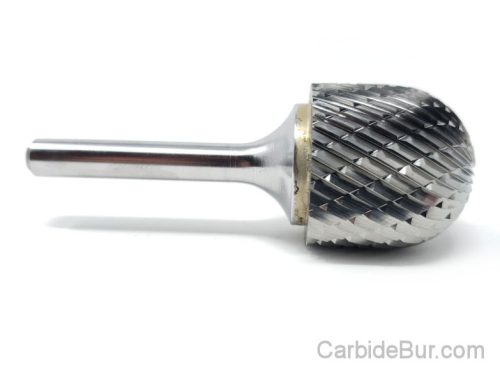
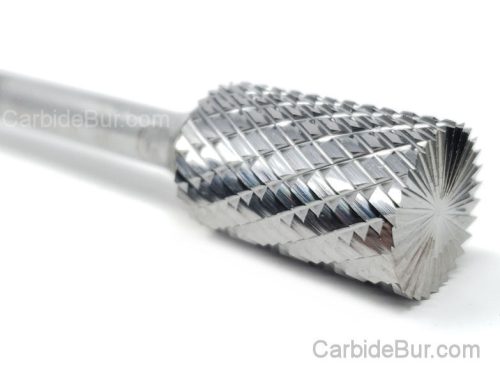
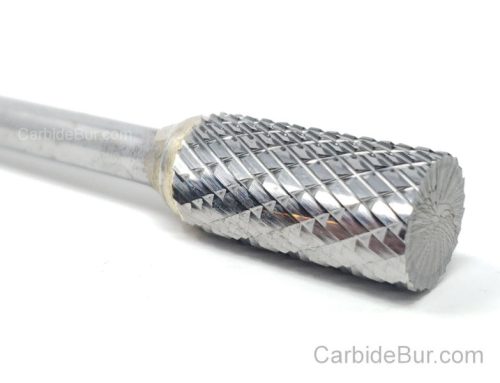
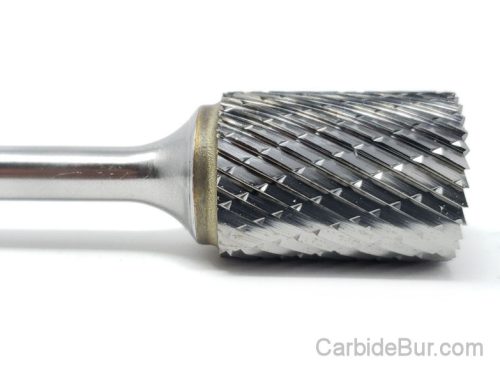
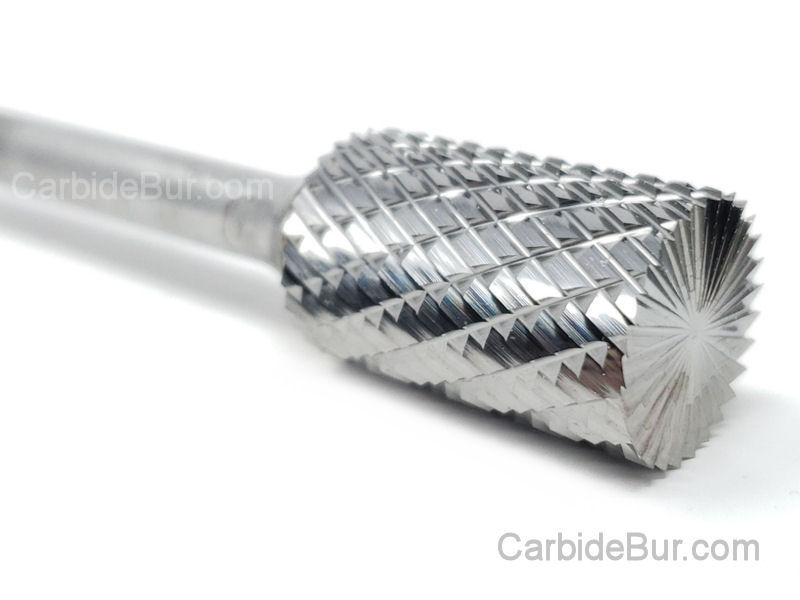
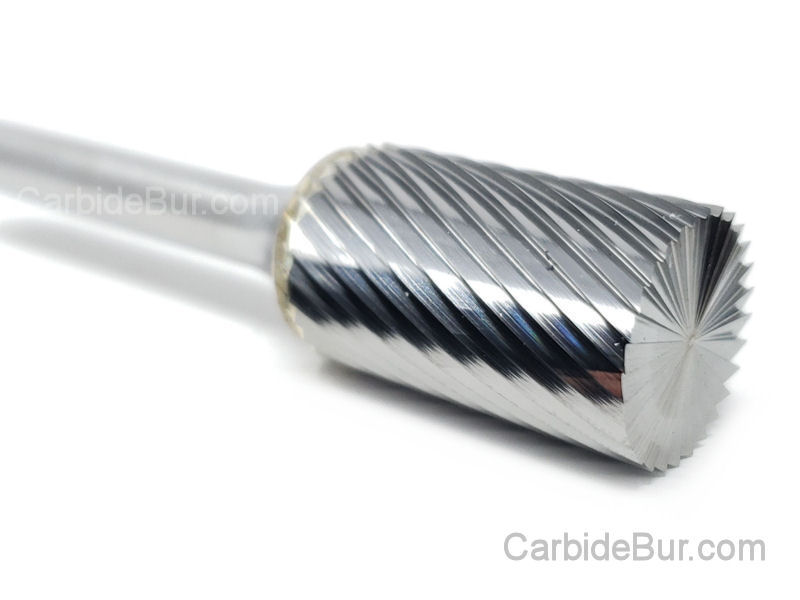
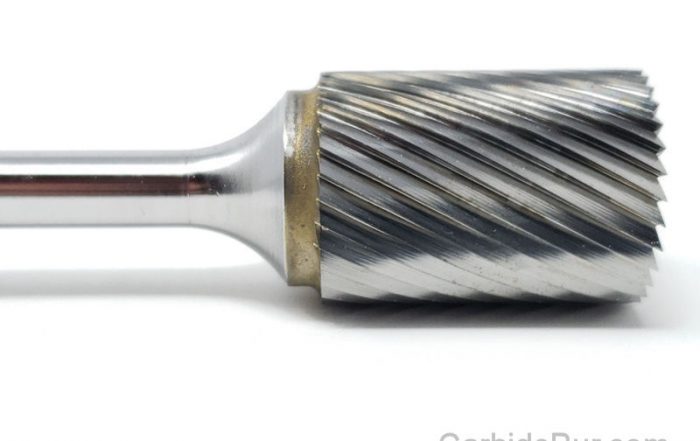
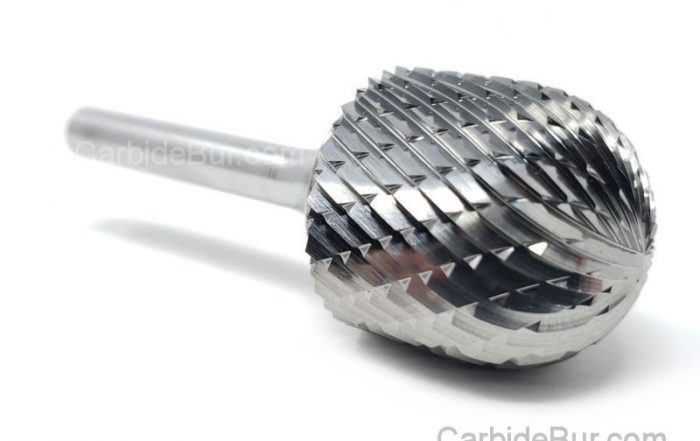
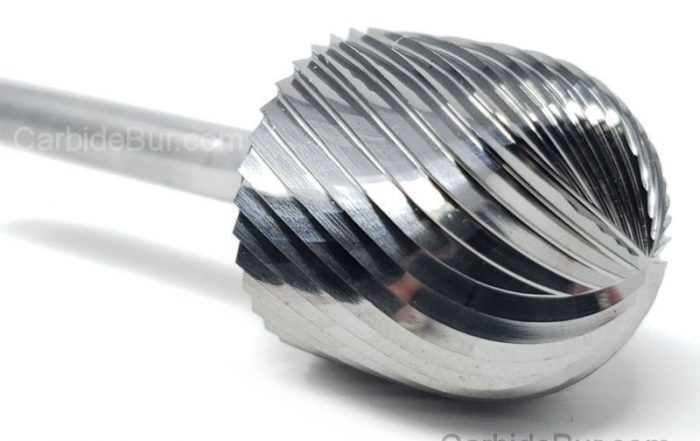
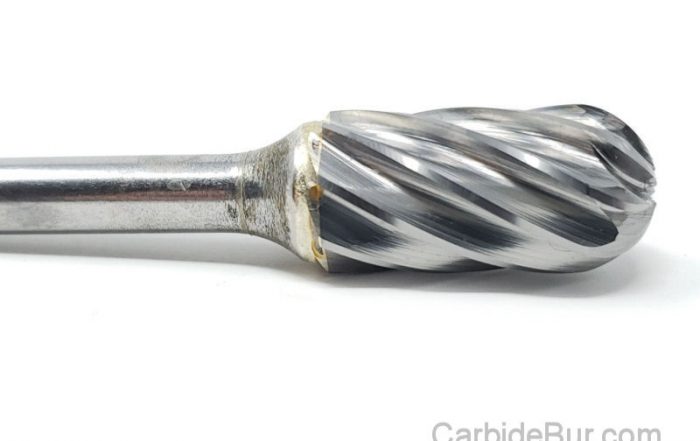
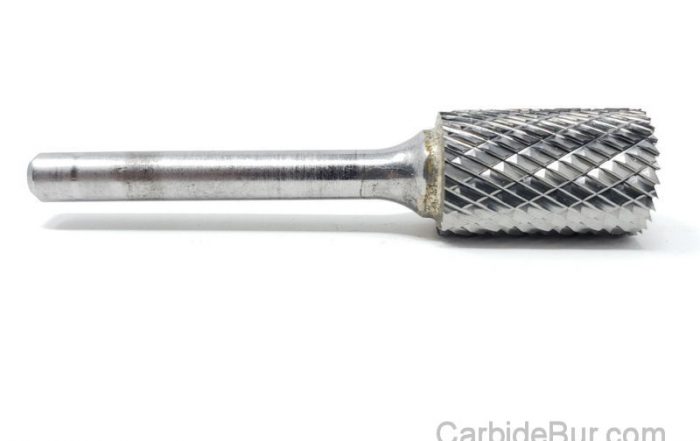
There are several burr shapes specifically for aluminum. Cylinder, oval, and flame shapes are popular choices. Each offers unique benefits for aluminum cutting.
Cylinder burrs are excellent for flat surfaces. Oval shapes work well for rounded areas, and flame shapes are perfect for tight corners. Knowing which shape suits your task helps maximize cutting efficiency.
Matching Burr Shape to Task
Matching the burr shape to your task is essential. A cylinder shape might not suit tasks requiring precision in tight areas. Instead, choose a flame shape for intricate cuts.
Assess your project and choose a burr that aligns with your needs. This ensures you get a clean cut and avoid unnecessary clogs.
Enhancing Cutting Efficiency
With the right burr shape, you can now focus on enhancing cutting efficiency. Let’s dive into optimal speed and lubrication.
Optimal Speed and Feed Rates
Finding the right speed is key to prevent clogging. Too fast or too slow speeds can cause aluminum buildup. Aim for a moderate speed that keeps chips from sticking without sacrificing control.
Feed rates also matter. A steady, consistent feed allows for smooth cuts and minimizes clogs. Adjust speeds and feeds to suit your specific project needs.
Importance of Lubrication
Lubrication plays a crucial role in cutting efficiency. It reduces friction and helps prevent aluminum from sticking. Use a lubricant designed for metal cutting to keep your burrs clean and cool.
Lubrication not only enhances cutting but also prolongs tool life. Apply it regularly to maintain optimal tool performance.
Maintaining Your Tools
Proper maintenance is vital to keep your burrs in top condition. Let’s see how regular cleaning can extend their life.
Regular Cleaning Techniques
Regular cleaning is important to remove aluminum buildup. Use a wire brush or specialized cleaner to keep your burrs in good shape.
Cleaning after every use prevents clogs from becoming a bigger issue. It ensures your tools are ready for the next task without unnecessary delays.
Best Practices for Tool Longevity
Beyond cleaning, there are several best practices to follow. Store your burrs properly to avoid unnecessary damage. Check for wear regularly and replace burrs as needed.
Implementing these practices helps maintain cutting efficiency and extends the life of your tools. Remember, well-maintained tools give you the best results.
Frequently Asked Questions
Why do carbide burrs clog when cutting aluminum?
Carbide burrs clog due to aluminum’s softness and chip-forming nature. The material sticks to the burr, especially if incorrect speeds or feed rates are used.
What burr shapes work best for aluminum?
Popular burr shapes for aluminum include cylinder, oval, and flame shapes. Each is suited to different cutting tasks, helping to minimize clogs.
How can I prevent burr clogs during cutting?
To prevent clogs, use the right burr shape, maintain optimal speeds, and apply lubrication. Regular cleaning and proper maintenance also keep tools in top condition.
What speed should I use for cutting aluminum with carbide burrs?
Moderate speeds are best, as they balance control and prevent aluminum buildup. Adjust speeds based on the specific project and burr shape.
Why is lubrication important when cutting aluminum?
Lubrication reduces friction, prevents aluminum from sticking, and helps maintain cutting efficiency. It also prolongs the life of your burrs by keeping them cool.
Have you seen our selection of carbide bur tools?
Looking for Carbide Bur Tools?
Check out our entire selection of USA made carbide bur die grinder tool bits
Follow us on Twitter

Return to CarbideBur.com
Carbide Burs – 1/4″ on 1/8″ Shanks – Accessories – Aluminum Cut – Bur Sets – End Mills – Long Shank – Solid Burs
Unlocking the Secrets of Burr Shape Optimization for Aluminum
Unlocking the Secrets of Burr Shape Optimization for Aluminum Carbide burrs clogging during aluminum cutting can bring your project to a frustrating halt. You’ve seen how the soft, chip-forming nature of aluminum turns your tools [...]
Enhance Your Metalworking Skills: Top Benefits of Long-Reach Carbide Burrs
Enhance Your Metalworking Skills: Top Benefits of Long-Reach Carbide Burrs Grinding tight spots often feels impossible with standard tools. You waste time twisting and turning, trying to reach every corner without scratching your work. Long-reach [...]
Comparing Electric and Pneumatic Die Grinders with Carbide Burrs
Power and Precision: Comparing Electric and Pneumatic Die Grinders with Carbide Burrs Choosing the right die grinder for your carbide burrs can feel like a maze. Electric die grinders promise power at your fingertips, while [...]
The Top Tools Driving the Future of Aerospace Machining
The Top Tools Driving the Future of Aerospace Machining The demand for aerospace machining has surged, pushing manufacturers to deliver high-precision metal parts faster than ever. Meeting tight standards while cutting lead times in aerospace [...]
Mastering Carbide Burrs for Enhanced Engine Performance
Beginner's Guide to Engine Porting: Mastering Carbide Burrs for Enhanced Engine Performance Most beginners think engine porting is just about grinding metal. The truth is, mastering carbide burrs can change how air moves through your [...]
Unveiling the Secrets of Burr Cutting Efficiency: Double-Cut or Single-Cut?
Unveiling the Secrets of Burr Cutting Efficiency: Double-Cut or Single-Cut? Most metalworkers hit a wall choosing between double-cut carbide burrs and single-cut carbide burrs. Picking the wrong one can slow your work or wear your [...]
How Specialized Carbide Burrs Are Revolutionizing Aluminum Fabrication for Cleaner Cuts
How Specialized Carbide Burrs Are Revolutionizing Aluminum Fabrication for Cleaner Cuts Most aluminum fabricators still wrestle with rough edges and extra cleanup after machining. Those extra steps cost you time and eat into your profits. [...]
U.S. Manufacturing Reshoring: The Role of Domestic Tool Suppliers in 2026
U.S. Manufacturing Reshoring: The Role of Domestic Tool Suppliers in 2026 U.S. manufacturing is shifting closer to home faster than many expected. By 2026, reshoring trends are reshaping how supply chains function, with domestic tool [...]
From Casting Flash to Weld Blending: Essential Techniques for 2026
From Casting Flash to Weld Blending: Essential Techniques for 2026 Forget the old ways of finishing parts in automotive production. As electric vehicles and autonomous vehicle production grow, the need for precise deburring processes and [...]
Understanding the Surge in Cutting Tool Costs and Effective Waste Reduction in Machining
Understanding the Surge in Cutting Tool Costs and Effective Waste Reduction in Machining Cutting tool costs have jumped noticeably in recent years, squeezing machine shop budgets tighter than ever. Raw material scarcity and supply chain [...]
Choosing the Right Carbide Burr Shape for Your Metalworking Projects
Choosing the Right Carbide Burr Shape for Your Metalworking Projects You might think all carbide burr shapes do the same job, but that’s far from true. Choosing the wrong shape can waste time and leave [...]
U.S. Cutting Tool Shipments Reach New Heights
U.S. Cutting Tool Shipments Reach New Heights: What It Means for Manufacturing Professionals U.S. cutting tool shipments soared to $278.1 million in July 2026, marking a 29% jump from last year. If you’re in fabrication [...]