From Casting Flash to Weld Blending: Essential Techniques for 2026
Forget the old ways of finishing parts in automotive production. As electric vehicles and autonomous vehicle production grow, the need for precise deburring processes and finishing techniques demands your full attention. From casting flash removal to weld blending and metal shaping, these surface treatment steps are key to meeting manufacturing standards and boosting production efficiency. Let’s explore why these methods matter more than ever in 2026. Learn more here.

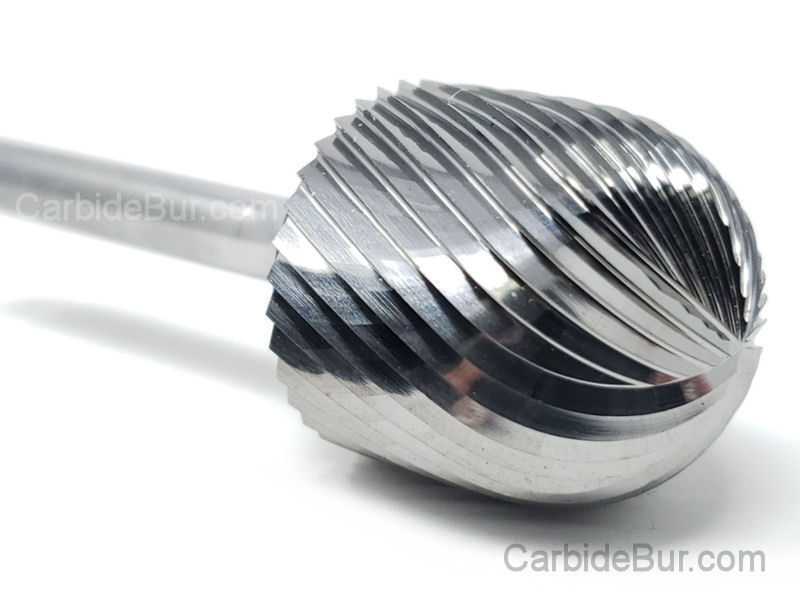
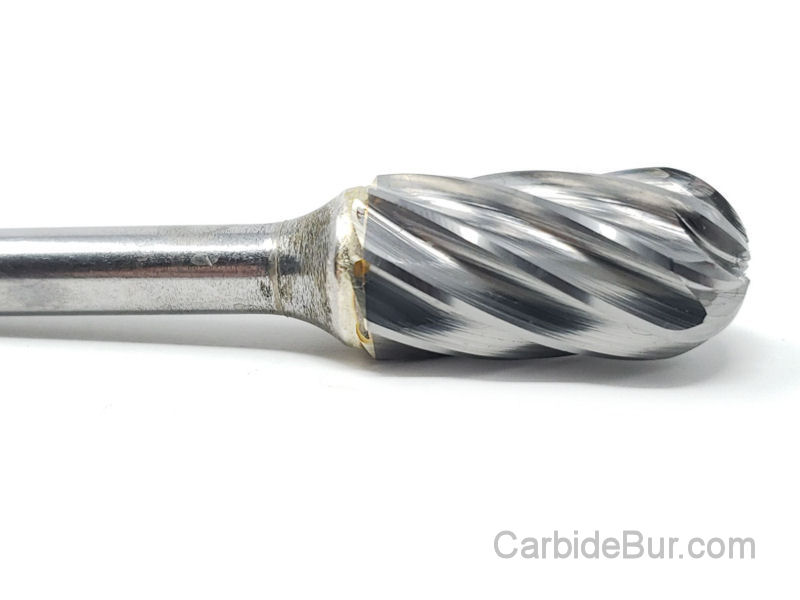
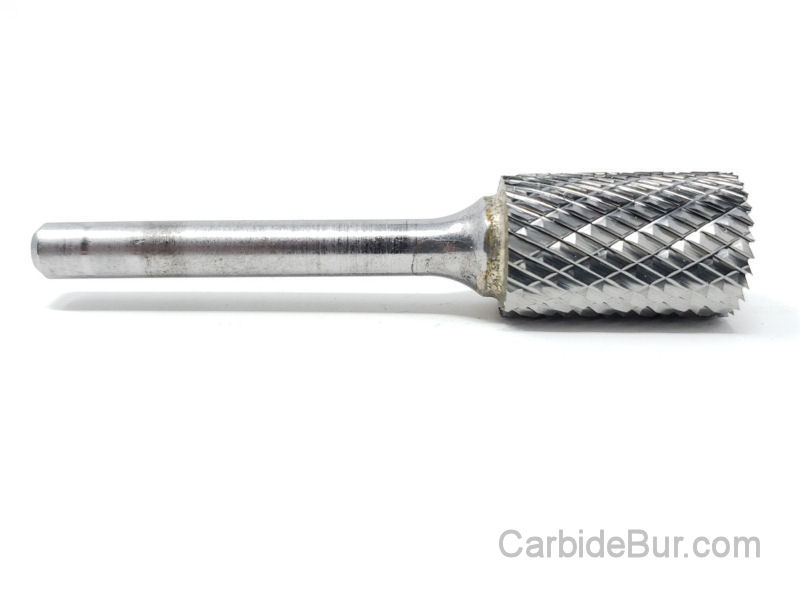
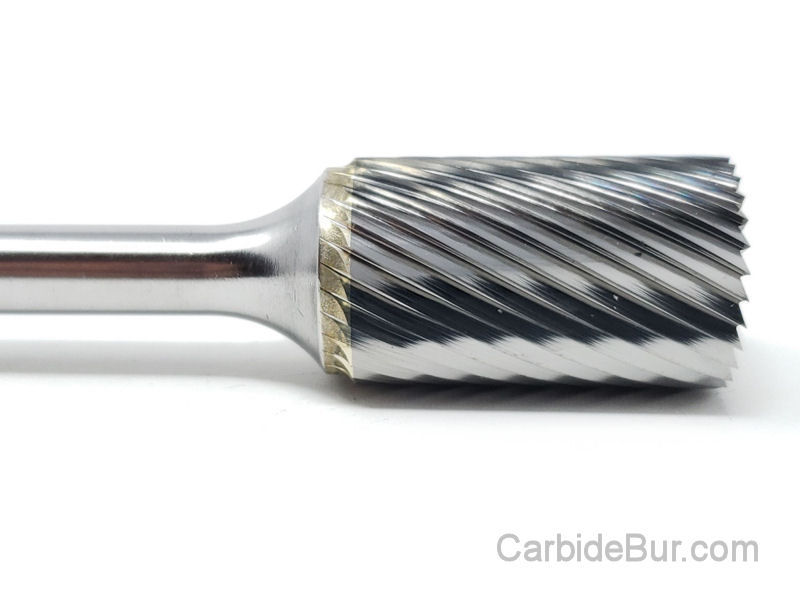
Have you seen our selection of carbide bur tools?
Automotive Manufacturing Trends
The automotive industry is evolving rapidly, and trends are shaping the future of vehicle production. Understanding these trends is crucial for staying competitive.
Rise of Electric Vehicles
Electric vehicles (EVs) are transforming the automotive landscape. With growing environmental concerns and fuel efficiency demands, the shift to EVs is undeniable. These vehicles require unique manufacturing processes compared to traditional cars. The need for lightweight materials and efficient battery production is vital. Manufacturers are investing in new technologies to meet these demands.
Autonomous Vehicle Production
Autonomous vehicles (AVs) promise a future of convenience and safety. Producing these vehicles involves advanced technologies like sensors and AI systems. This complexity requires precise manufacturing standards. Companies are racing to perfect the production of AV components. The focus is on reliability and performance, ensuring every part functions seamlessly.
Evolving Manufacturing Standards
As technology advances, so do manufacturing standards. The automotive industry faces stricter regulations and expectations. This evolution means adopting new techniques and materials. Manufacturers must innovate to meet these standards. Embracing cutting-edge practices is not just a choice; it’s a necessity for success.
Deburring Processes in 2026
Deburring is a crucial part of the automotive manufacturing process. In 2026, it will be even more important as standards rise.
Casting Flash Removal Techniques
Casting flash removal is essential in creating clean, precise components. Effective techniques ensure the smooth function of parts. Traditional methods are giving way to more advanced solutions. Automated systems and lasers are becoming popular for their precision and speed. By minimizing manual intervention, these methods reduce errors and enhance quality.
Advances in Weld Blending
Weld blending plays a significant role in the durability of vehicle components. Smooth welds are crucial for structural integrity. New technologies are improving the blend of welded joints. Automated blending machines offer consistency, reducing the need for manual oversight. This advancement leads to stronger, more reliable vehicles.
Metal Shaping Innovations
Metal shaping is at the heart of vehicle aesthetics and functionality. Innovative techniques allow for complex designs and structures. Precision is key, and modern tools make intricate shaping possible. Technologies like hydroforming and computer-aided design (CAD) are revolutionizing the process. These tools enable manufacturers to push the boundaries of design while maintaining quality.
Finishing Techniques for Modern Needs
Finishing processes are evolving to meet the demands of modern vehicles, ensuring they perform and look their best.
Surface Treatment in Automotive
Surface treatment enhances both aesthetics and durability. It’s vital for protecting components from wear and corrosion. Modern treatments involve advanced coatings and finishes. These solutions extend the lifespan of parts and improve vehicle performance. The right treatment can make a significant difference in quality and reliability.
Component Finishing Strategies
Finishing strategies are crucial for high-quality vehicle components. Effective strategies include precise polishing and coating techniques. These methods ensure components meet exact specifications. By focusing on detail, manufacturers can achieve superior results. The emphasis is on achieving a flawless finish that enhances performance.
Ensuring Optimal Performance
Optimal performance is the end goal of finishing processes. Techniques must align with vehicle requirements to deliver top results. Consistency is key; every component must meet stringent standards. Manufacturers use testing and quality control to ensure this. The focus is on reliability and efficiency, ensuring vehicles perform at their best.
Production Efficiency and Quality
Improving efficiency and maintaining quality are constant challenges in automotive manufacturing.
Impact on Manufacturing Standards
Efficiency affects manufacturing standards directly. Streamlined processes lead to improved quality and reliability. Manufacturers are adopting lean practices to enhance efficiency. By reducing waste and optimizing resources, they maintain high standards. The result is better products and satisfied customers.
Enhancing Shop-Floor Practices
Shop-floor practices are evolving to improve production outcomes. Automation and technology integration play a big role. These practices increase speed and accuracy, reducing the risk of errors. Manufacturers are training workers to adapt to these changes. The goal is to create a proactive and efficient work environment.
Meeting Rigorous Industry Requirements
Meeting industry requirements is crucial for success. Standards are becoming stricter, demanding precision and quality. Manufacturers must stay ahead by adopting the latest technologies. Continuous improvement and adaptation are key strategies. By focusing on quality, they meet and exceed expectations.
Future of Automotive Manufacturing
The future of automotive manufacturing presents both challenges and opportunities.
Challenges and Opportunities
Challenges include rising costs and technology integration. However, opportunities abound in innovation and sustainability. Companies focusing on green technologies gain a competitive edge. Embracing change is crucial for navigating the industry’s future.
Role of Technology and Automation
Technology and automation are transforming manufacturing. They offer solutions for production challenges, enhancing efficiency and quality. Automation reduces costs and improves precision. Manufacturers investing in technology gain significant advantages. It’s about staying competitive in a rapidly changing landscape.
Preparing for Industry Changes
Preparing for industry changes involves strategic planning. Manufacturers must anticipate trends and adapt processes. Investing in research and development is crucial. By staying informed and flexible, they can thrive amid changes. The focus is on proactive strategies that ensure long-term success.
Frequently Asked Questions
What are the key trends in automotive manufacturing for 2026?
Electric and autonomous vehicles are the main trends. These require new manufacturing processes for efficiency and precision.
How are finishing techniques evolving in the automotive industry?
Finishing techniques now focus on advanced coatings and precise polishing. These methods improve component durability and performance.
Why is deburring important in automotive manufacturing?
Deburring ensures smooth, precise parts that meet high standards. It’s essential for component reliability and overall vehicle quality.
Have you seen our selection of carbide bur tools?
Looking for Carbide Bur Tools?
Check out our entire selection of USA made carbide bur die grinder tool bits
Follow us on Twitter

Return to CarbideBur.com
Carbide Burs – 1/4″ on 1/8″ Shanks – Accessories – Aluminum Cut – Bur Sets – End Mills – Long Shank – Solid Burs
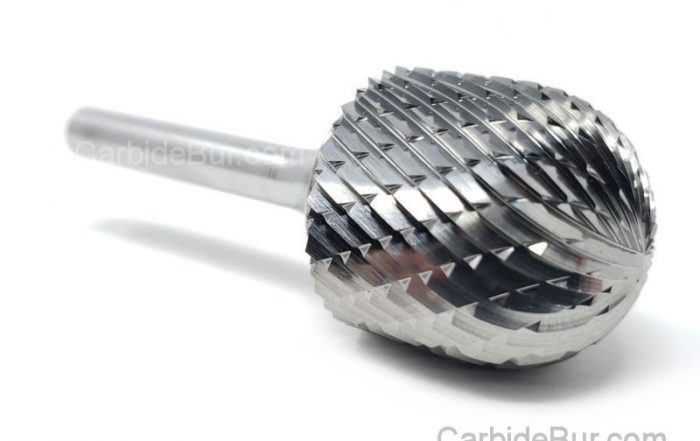
From Casting Flash to Weld Blending: Essential Techniques for 2026
From Casting Flash to Weld Blending: Essential Techniques for 2026 Forget the old ways of finishing parts in automotive production. As electric vehicles and autonomous vehicle production grow, the need for precise deburring processes and [...]
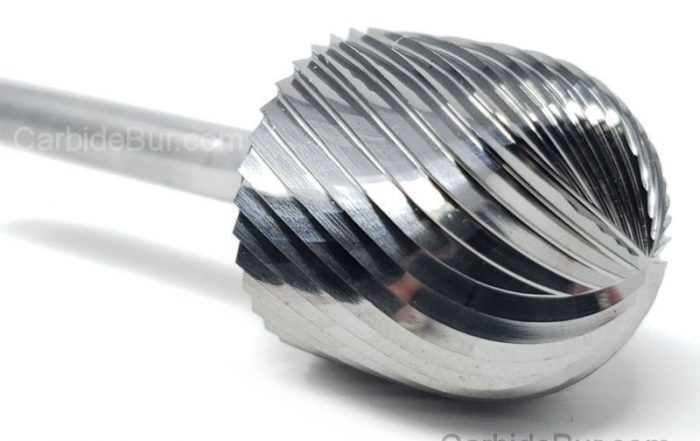
Understanding the Surge in Cutting Tool Costs and Effective Waste Reduction in Machining
Understanding the Surge in Cutting Tool Costs and Effective Waste Reduction in Machining Cutting tool costs have jumped noticeably in recent years, squeezing machine shop budgets tighter than ever. Raw material scarcity and supply chain [...]
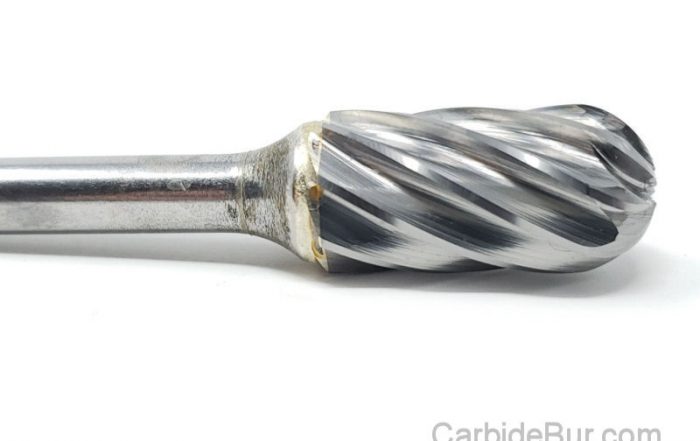
Choosing the Right Carbide Burr Shape for Your Metalworking Projects
Choosing the Right Carbide Burr Shape for Your Metalworking Projects You might think all carbide burr shapes do the same job, but that’s far from true. Choosing the wrong shape can waste time and leave [...]
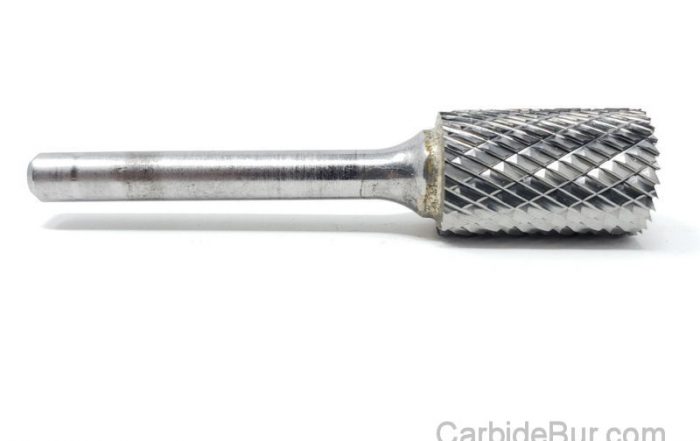
U.S. Cutting Tool Shipments Reach New Heights
U.S. Cutting Tool Shipments Reach New Heights: What It Means for Manufacturing Professionals U.S. cutting tool shipments soared to $278.1 million in July 2026, marking a 29% jump from last year. If you’re in fabrication [...]
How 3D-Printed Carbide is Redefining Precision Toolmaking with Kennametal’s Latest Technology
How 3D-Printed Carbide is Redefining Precision Toolmaking with Kennametal's Latest Technology Custom hole-finishing tools have long faced limits in design and cooling options that hold back their performance. Kennametal’s new 3D-printed carbide grade changes that [...]

The Future of Additive Manufacturing in Aerospace and Automotive Industries
The Future of Additive Manufacturing in Aerospace and Automotive Industries Metal 3D printing is no longer just a concept for prototypes; it’s scaling up fast in aerospace and automotive fields. But raw prints don’t meet [...]
Navigating the Tungsten Carbide Shortage
Navigating the Tungsten Carbide Shortage: Strategies for Metalworkers in 2026 The tungsten carbide shortage in 2026 is hitting metalworkers hard, pushing tool prices higher and supply tighter than most expected. If you’ve noticed your carbide [...]
How Export Controls and Tungsten Processing Impact Carbide Production
How Export Controls and Tungsten Processing Impact Carbide Production Tungsten supply issues are hitting carbide tool manufacturing harder than ever before. Export controls and shifts in tungsten processing have tightened availability, stretching manufacturing lead times [...]
From Alloys to Automation: Mastering CNC Machining for Speed and Accuracy
From Alloys to Automation: Mastering CNC Machining for Speed and Accuracy The old ways of machining can’t keep up with today’s demands for speed and precision. You’re working with tougher alloys and expecting flawless results [...]
Top Deburring Tools for Stainless Steel: From Carbide Burrs to Sanding Blocks
Top Deburring Tools for Stainless Steel: From Carbide Burrs to Sanding Blocks Most people damage their stainless steel finish while trying to deburr it. If you’ve struggled to get smooth edges without ruining your work, [...]

Enhance Your Fabrication Projects with Advanced Finishing Methods
Enhance Your Fabrication Projects with Advanced Finishing Methods You just finished a tough weld, but the job isn’t done yet. Skipping key post-welding processes can leave your joints weak and your project looking rough. In [...]
Grinding Metal in Tight Spaces: Top Tool Picks and Essential Safety Tips
Grinding Metal in Tight Spaces: Top Tool Picks and Essential Safety Tips Grinding metal in tight spaces is a challenge many metalworkers and DIYers face. Using the wrong tools often leads to frustration and sloppy [...]