Power and Precision: Comparing Electric and Pneumatic Die Grinders with Carbide Burrs
Choosing the right die grinder for your carbide burrs can feel like a maze. Electric die grinders promise power at your fingertips, while pneumatic die grinders offer a different kind of control and durability. This die grinder comparison breaks down power output, noise levels, ease of use, and maintenance so you can pick the best die grinders for your metalworking projects. Check out this link for more insights on using die grinders in metal fabrication.

Have you seen our selection of carbide bur tools?
Understanding Die Grinders
Navigating through the world of die grinders? Here’s what you need to know. Both electric and pneumatic die grinders have their unique advantages. Let’s break down these tools so you can make an informed choice.
Electric Die Grinders Overview
Electric die grinders are all about convenience and power. They plug into standard outlets, providing a steady supply of energy, making them a popular choice for many. Electric die grinders typically have robust motors, suitable for heavy-duty tasks. They are ideal for work in locations where consistent power is crucial.
However, it’s essential to consider the weight. Electric models can be heavier than their pneumatic counterparts, which might cause fatigue during extended use. But if you’re working in a home workshop or an area with reliable power, these tools are a great fit. More details on choosing the right grinder can be found here.
Pneumatic Die Grinders Overview
Pneumatic, or air-powered, die grinders are known for their lightweight design. They rely on compressors, which can provide significant power in short bursts. This makes them perfect for quick, repetitive tasks where precision is key. The air-driven nature means they’re less likely to overheat, a common issue with electric models.
However, they do require an air compressor, which can be a significant investment if you don’t already own one. For those constantly on the move or working in places with limited electrical outlets, pneumatic die grinders are a worthy consideration. Learn more about these tools in this article.
Comparing Power and Performance
Now that we’ve looked at the basics, let’s dive deeper into what sets these two types apart in terms of power and performance.
Power Output Differences
Electric die grinders typically offer consistent power output. This reliability makes them indispensable for detailed work requiring steady attention. With electric models, you don’t have to worry about fluctuating performance due to power surges or compressor issues.
On the other hand, pneumatic die grinders excel in delivering bursts of power. This characteristic makes them suitable for jobs requiring quick, decisive actions. However, their performance can depend heavily on the quality and capacity of the air compressor used. For those working in environments where power stability is uncertain, pneumatic options might pose challenges.
Performance with Carbide Burrs
When it comes to carbide burrs, both electric and pneumatic grinders can handle them well, but there are nuances. Electric grinders provide a constant speed, which is fantastic for achieving a smooth finish. But if your project requires quick changes, a pneumatic grinder’s adaptability to speed variations is beneficial.
Pneumatic models, due to their lightweight nature, can be more comfortable for prolonged use, especially when working with hard materials like carbide. The choice between them often boils down to the specific demands of your projects and the work environment.
Ease of Use and User Experience
Ease of use is a crucial factor when choosing your tool. Here, we’ll explore how each type stands in terms of handling and the noise they produce.
Handling and Ergonomics
The ergonomics of a tool can significantly impact your work quality. Electric die grinders tend to be heavier, which might affect precision if used over long periods. However, many electric models feature ergonomic designs to counter the weight factor, making them comfortable to use.
Pneumatic tools, known for their lightweight build, are easier to maneuver. They provide more control, especially in tight spaces or complex angles. Their design focuses on reducing strain, which can be beneficial if your projects require extensive grinding.
Noise Levels of Die Grinders
Noise is another critical aspect to consider. Electric die grinders often operate quietly, making them suitable for environments where noise needs to be minimized. This feature is particularly beneficial for home workshops or shared workspaces.
Pneumatic grinders, due to their air-powered nature, can be noisier. While ear protection is recommended regardless of the tool, it’s especially important with pneumatic models. Understanding the noise levels can help you plan better and ensure a more pleasant work environment.
Maintenance and Longevity
To get the most from your die grinders, understanding their maintenance needs is essential.
Electric Die Grinders Maintenance
Maintaining an electric die grinder involves regular checks on the motor and electrical components. Keeping the motor clean and ensuring there are no blockages is crucial. This ensures consistent performance and extends the tool’s life.
Additionally, frequent inspections of the power cord for any wear and tear can prevent accidents. With proper care, electric grinders can serve you well for many years, providing reliable performance for various tasks.
Pneumatic Die Grinders Maintenance
Pneumatic models require different maintenance. Regular lubrication is vital to keep them running smoothly. Checking the air compressor connections and hoses for leaks ensures optimal performance and safety.
Since pneumatic grinders rely heavily on air supply, maintaining the compressor is equally important. Proper care can prevent output inconsistency and prolong the tool’s life, making them a long-term investment for your workshop.
Choosing the Right Tool
Ultimately, choosing the right die grinder boils down to understanding your specific needs and project requirements.
Applications and Suitability
Electric die grinders are perfect for consistent, heavy-duty tasks where stable power is available. They’re ideal for projects that demand precision and continuous use without interruption.
Pneumatic grinders shine in scenarios requiring flexibility and quick movements. If your work involves intricate designs or on-site jobs with limited electrical outlets, pneumatic tools can be a game changer. The best die grinders for your projects depend on these factors. For more insight, visit this group.
Cost Considerations and Value
Cost is always a consideration. Electric models might have a higher initial cost due to motor components, but they offer long-term savings on operational costs. Pneumatic grinders, while often cheaper initially, require an air compressor, which can add to the overall expense.
Both types offer value for money, depending on your usage and project demands. Evaluating your needs against these factors can guide you to a sound investment.
Frequently Asked Questions
What is the difference between electric and pneumatic die grinders?
Electric die grinders are powered by electricity, providing consistent power ideal for detailed work. Pneumatic grinders use compressed air, offering more flexibility but requiring an air compressor.
Which is more cost-effective: electric or pneumatic die grinders?
Electric grinders may have a higher initial cost but save on long-term operational costs. Pneumatic models might be cheaper upfront but require an air compressor.
How do I maintain a pneumatic die grinder?
Regularly lubricate the tool, check compressor connections for leaks, and ensure the air supply is consistent. This keeps the tool running smoothly and extends its lifespan.
What projects suit electric die grinders best?
Electric die grinders are best for tasks needing steady power and precision, like intricate metalworking or continuous use in a workshop setting.
Are pneumatic die grinders noisy?
Yes, pneumatic grinders can be noisy due to their air-powered operation. It’s advisable to wear ear protection to mitigate the noise impact.
Have you seen our selection of carbide bur tools?
Looking for Carbide Bur Tools?
Check out our entire selection of USA made carbide bur die grinder tool bits
Follow us on Twitter

Return to CarbideBur.com
Carbide Burs – 1/4″ on 1/8″ Shanks – Accessories – Aluminum Cut – Bur Sets – End Mills – Long Shank – Solid Burs
Comparing Electric and Pneumatic Die Grinders with Carbide Burrs
Power and Precision: Comparing Electric and Pneumatic Die Grinders with Carbide Burrs Choosing the right die grinder for your carbide burrs can feel like a maze. Electric die grinders promise power at your fingertips, while [...]
The Top Tools Driving the Future of Aerospace Machining
The Top Tools Driving the Future of Aerospace Machining The demand for aerospace machining has surged, pushing manufacturers to deliver high-precision metal parts faster than ever. Meeting tight standards while cutting lead times in aerospace [...]
Mastering Carbide Burrs for Enhanced Engine Performance
Beginner's Guide to Engine Porting: Mastering Carbide Burrs for Enhanced Engine Performance Most beginners think engine porting is just about grinding metal. The truth is, mastering carbide burrs can change how air moves through your [...]
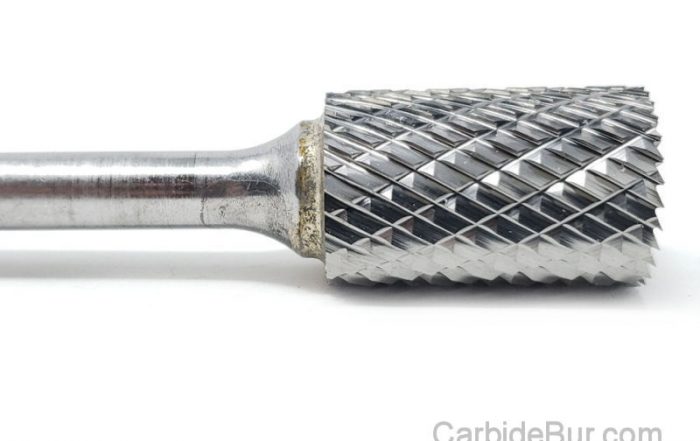
Unveiling the Secrets of Burr Cutting Efficiency: Double-Cut or Single-Cut?
Unveiling the Secrets of Burr Cutting Efficiency: Double-Cut or Single-Cut? Most metalworkers hit a wall choosing between double-cut carbide burrs and single-cut carbide burrs. Picking the wrong one can slow your work or wear your [...]
How Specialized Carbide Burrs Are Revolutionizing Aluminum Fabrication for Cleaner Cuts
How Specialized Carbide Burrs Are Revolutionizing Aluminum Fabrication for Cleaner Cuts Most aluminum fabricators still wrestle with rough edges and extra cleanup after machining. Those extra steps cost you time and eat into your profits. [...]
U.S. Manufacturing Reshoring: The Role of Domestic Tool Suppliers in 2026
U.S. Manufacturing Reshoring: The Role of Domestic Tool Suppliers in 2026 U.S. manufacturing is shifting closer to home faster than many expected. By 2026, reshoring trends are reshaping how supply chains function, with domestic tool [...]
From Casting Flash to Weld Blending: Essential Techniques for 2026
From Casting Flash to Weld Blending: Essential Techniques for 2026 Forget the old ways of finishing parts in automotive production. As electric vehicles and autonomous vehicle production grow, the need for precise deburring processes and [...]
Understanding the Surge in Cutting Tool Costs and Effective Waste Reduction in Machining
Understanding the Surge in Cutting Tool Costs and Effective Waste Reduction in Machining Cutting tool costs have jumped noticeably in recent years, squeezing machine shop budgets tighter than ever. Raw material scarcity and supply chain [...]
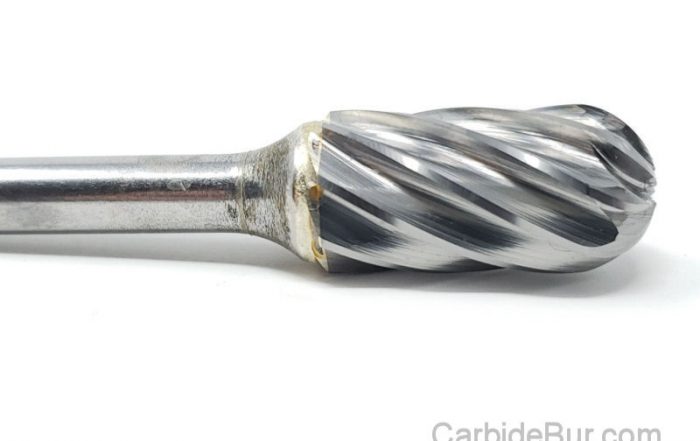
Choosing the Right Carbide Burr Shape for Your Metalworking Projects
Choosing the Right Carbide Burr Shape for Your Metalworking Projects You might think all carbide burr shapes do the same job, but that’s far from true. Choosing the wrong shape can waste time and leave [...]
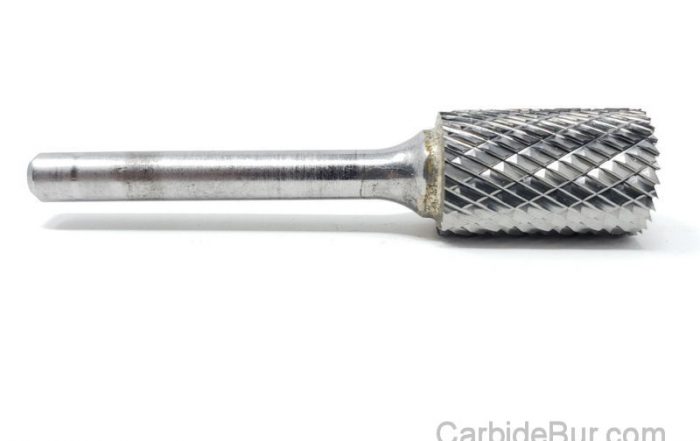
U.S. Cutting Tool Shipments Reach New Heights
U.S. Cutting Tool Shipments Reach New Heights: What It Means for Manufacturing Professionals U.S. cutting tool shipments soared to $278.1 million in July 2026, marking a 29% jump from last year. If you’re in fabrication [...]
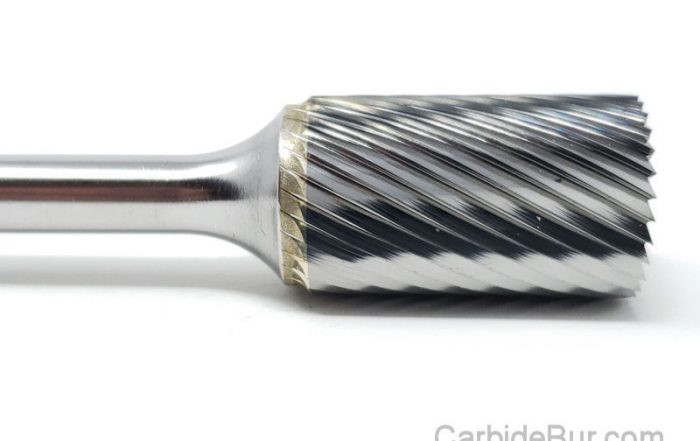
How 3D-Printed Carbide is Redefining Precision Toolmaking with Kennametal’s Latest Technology
How 3D-Printed Carbide is Redefining Precision Toolmaking with Kennametal's Latest Technology Custom hole-finishing tools have long faced limits in design and cooling options that hold back their performance. Kennametal’s new 3D-printed carbide grade changes that [...]

The Future of Additive Manufacturing in Aerospace and Automotive Industries
The Future of Additive Manufacturing in Aerospace and Automotive Industries Metal 3D printing is no longer just a concept for prototypes; it’s scaling up fast in aerospace and automotive fields. But raw prints don’t meet [...]