Unveiling the Secrets of Burr Cutting Efficiency: Double-Cut or Single-Cut?
Most metalworkers hit a wall choosing between double-cut carbide burrs and single-cut carbide burrs. Picking the wrong one can slow your work or wear your tools out faster. This carbides burrs comparison breaks down chip removal capabilities and cutting styles so you know exactly which burr fits your project. Ready to cut smarter and finish faster? Learn more here.

Have you seen our selection of carbide bur tools?
Understanding Carbide Burr Types
Choosing between the right carbide burr is crucial for efficient metalworking. Let’s explore the key differences to help you make an informed decision.
Key Differences Explained
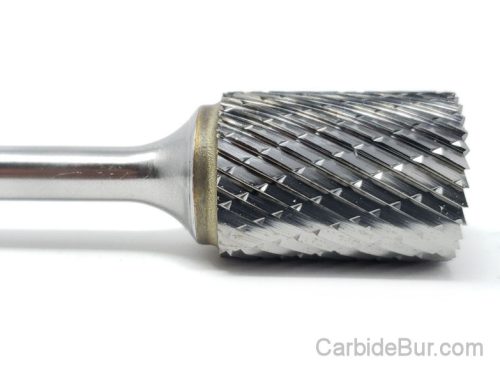
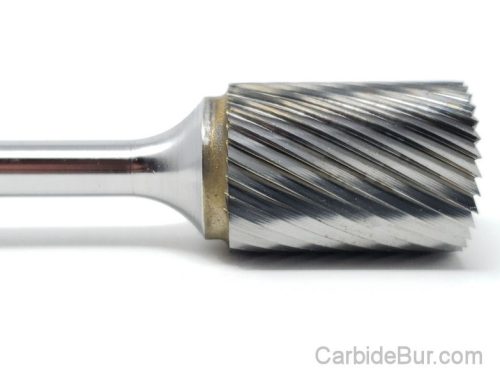
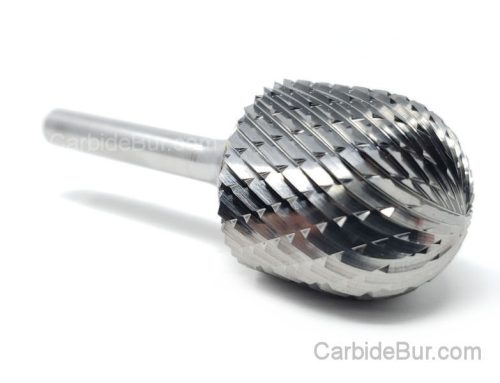
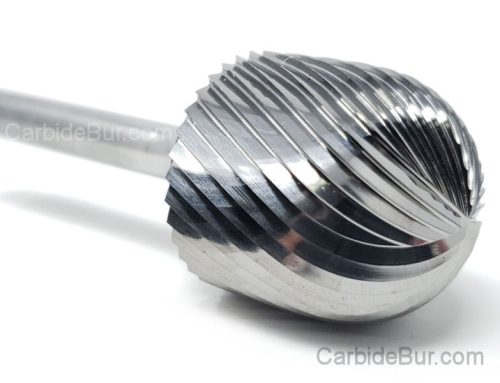
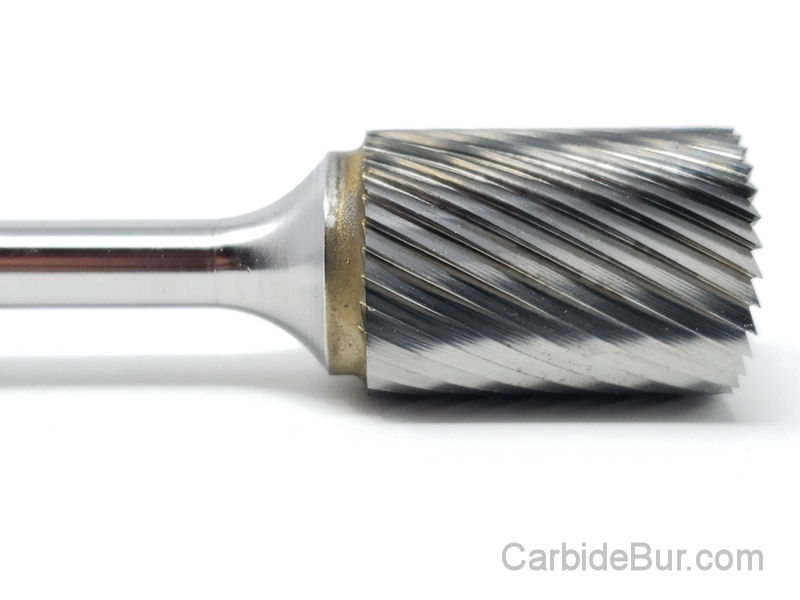
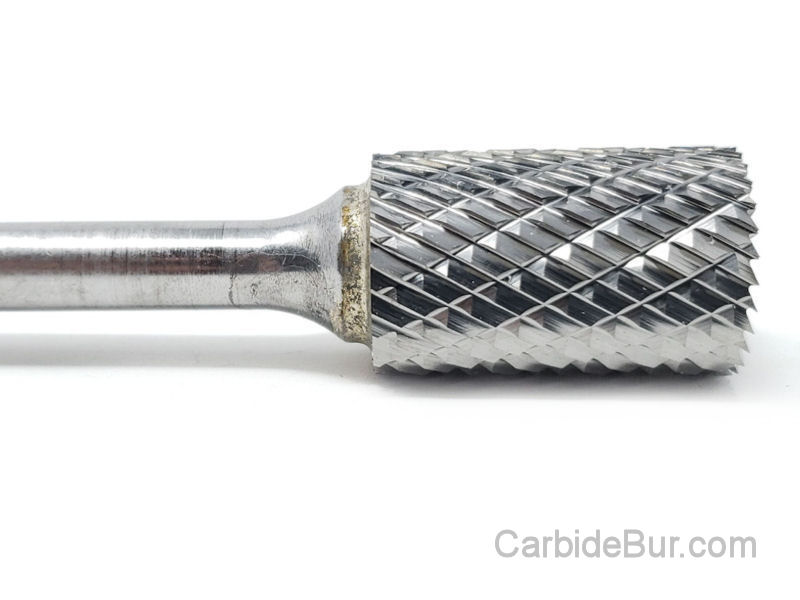
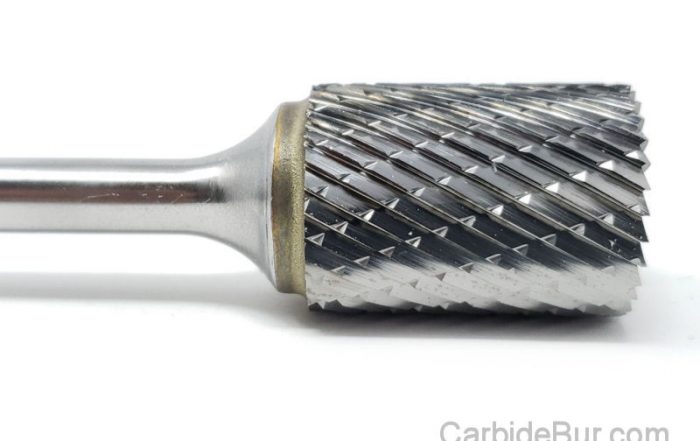
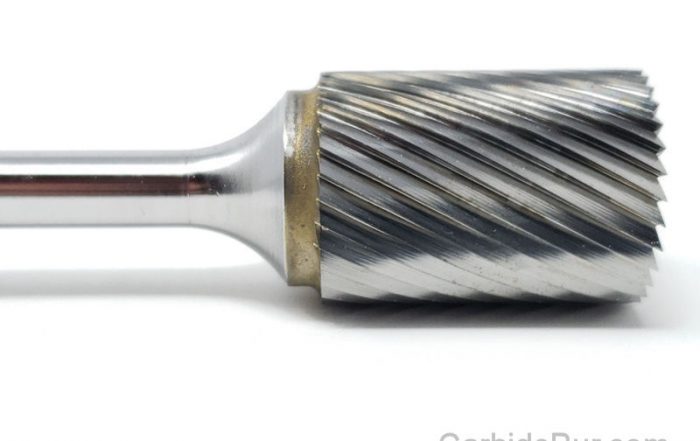
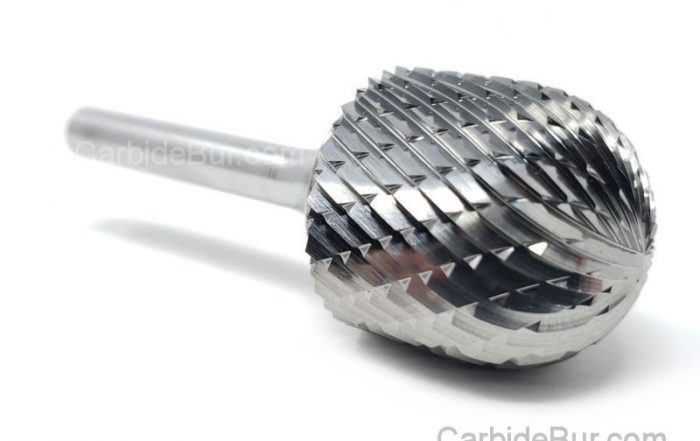
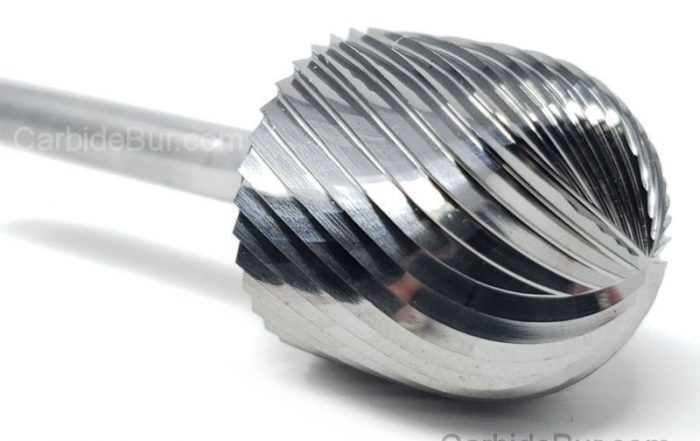
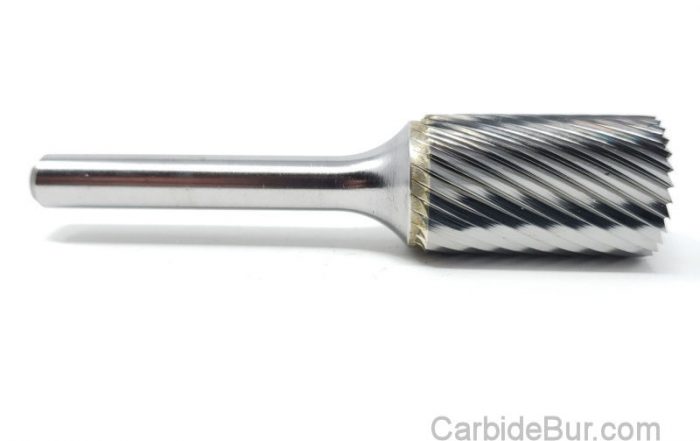
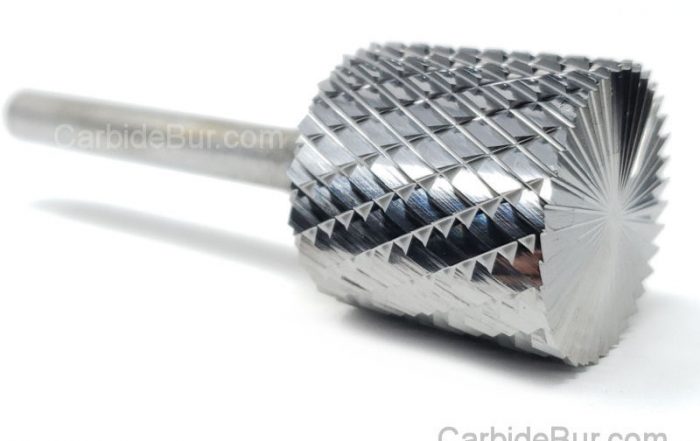
Carbide burrs come in two main types: double-cut and single-cut. Double-cut burrs have two sets of flutes that cross each other, resulting in a smoother finish. This design allows for quick material removal and controlled cutting. In contrast, single-cut burrs have one set of straight flutes, ideal for deeper cuts and long chip removal. If your task requires precision and a finer finish, double-cut burrs are the go-to. Meanwhile, for tasks demanding faster and deeper cuts, single-cut burrs excel. Understanding these core differences will guide you in selecting the perfect burr for your needs.
Choosing the Right Burr
Selecting the right burr can make or break your project. Double-cut burrs are your ally for complex shapes and intricate detailing. They offer better control and reduce chatter. On the other hand, single-cut burrs are best for heavy-duty tasks. They remove material quickly and are perfect for harder materials. Evaluate your project requirements, considering factors like material type and the intricacy of the work. By doing so, you ensure a smoother workflow and optimal results. Check out this detailed comparison guide for more insights.
Double-Cut Carbide Burrs
Let’s dive deeper into why double-cut carbide burrs are favored in specific applications and what benefits they offer.
Advantages of Double-Cut
Double-cut carbide burrs provide a smoother finish and are easier to control. Their design reduces vibration, making them ideal for intricate and detailed work. These burrs excel in creating fine finishes on softer metals like aluminum and brass. They also help in reducing the risk of tool chatter, which is common in delicate operations. This makes them perfect for precision-based work where finesse is key. If your project demands a polished finish, double-cut burrs should be your tool of choice.
Applications for Double-Cut
Double-cut burrs are versatile, suitable for extensive applications. They’re frequently used in surface finishing and contouring tasks. You’ll find them indispensable when working on molds and die castings, where accuracy is crucial. Their ability to handle detailed work makes them popular in automotive and aerospace industries. Whether you’re smoothing edges or working on complex shapes, double-cut burrs provide the finesse and control required for high-quality outcomes. For more on their applications, explore this resource.
Single-Cut Carbide Burrs
Single-cut carbide burrs stand out for different reasons. Let’s explore what makes them a reliable choice for certain tasks.
Benefits of Single-Cut
Single-cut burrs are renowned for their aggressive cutting capability. They provide fast material removal, making them ideal for harder metals like steel and iron. These burrs are excellent for deeper cuts and creating longer chips. If your work involves heavy material removal where speed is critical, single-cut burrs are unmatched. They minimize clogging, ensuring a smooth and continuous operation. This efficiency in chip removal sets them apart in high-intensity tasks.
Best Uses for Single-Cut
Single-cut burrs shine in coarse stock removal and where precision isn’t the primary concern. They’re perfect for tasks like welding prep and deburring. Their robust nature makes them suitable for hard metals and materials requiring significant cutting force. Industries like construction and heavy machinery often rely on single-cut burrs for their rugged performance. When speed and efficiency are paramount, these burrs deliver. For a comprehensive look at their uses, visit this guide.
Burr Cutting Efficiency Factors
Understanding burr cutting efficiency is essential for optimizing your tool use. Let’s examine what affects this efficiency.
Comparing Cutting Efficiencies
Double-cut and single-cut burrs have distinct efficiencies. Double-cut burrs offer controlled, smooth finishes, while single-cut burrs excel in rapid material removal. Efficiency depends on your project’s requirements. Double-cut burrs are efficient in reducing tool wear due to their smoother operation. In contrast, single-cut burrs can complete more demanding tasks quickly, reducing the time spent on heavy-duty jobs. Recognizing these efficiencies ensures that you choose the right tool, optimizing both time and results.
Chip Removal Capabilities
Chip removal is vital for maintaining tool performance. Double-cut burrs create smaller chips, reducing the risk of clogging and overheating. This makes them suitable for lighter, more detailed work. Single-cut burrs, however, produce longer chips, which are ideal for larger materials and more extensive cutting. By understanding these chip removal capabilities, you can better decide which burr to use for specific applications. For a deeper dive into chip removal, refer to this informative article.
Selecting Burrs for Different Materials
Finally, let’s look at how to choose the right burrs based on the materials you’re working with.
Ideal Burrs for Metalworking
Metalworking demands precision and power. Double-cut burrs are ideal for softer metals where detailing is key. They ensure a clean finish without compromising on quality. Single-cut burrs, however, are perfect for harder metals like stainless steel. They offer the force needed for efficient cutting without risking damage to the material. By matching burr type to metal hardness, you enhance both the quality and efficiency of your work.
Burrs for Various Projects
Different projects require different tools. Double-cut burrs work well for projects needing finesse, like jewelry making or automotive detailing. Single-cut burrs are preferred for construction or large-scale manufacturing where speed is a priority. By understanding the nature of your project and the materials involved, you can select the most suitable burr, ensuring optimal performance and results.
Frequently Asked Questions
What is the main difference between double-cut and single-cut burrs?
Double-cut burrs provide a smoother finish with better control, while single-cut burrs are designed for fast material removal and deeper cuts. Selecting the right one depends on your specific task needs.
Can I use double-cut burrs on hard metals?
Double-cut burrs are better suited for softer metals like aluminum. For hard metals, single-cut burrs offer more efficient removal and prevent tool damage.
How do chip removal capabilities affect burr performance?
Efficient chip removal prevents clogging and overheating. Double-cut burrs create smaller chips, which are less likely to clog, while single-cut burrs produce longer chips, allowing for faster cutting in robust materials.
By understanding the unique benefits and applications of each carbide burr type, you can ensure optimal performance and results in your metalworking projects.
Have you seen our selection of carbide bur tools?
Looking for Carbide Bur Tools?
Check out our entire selection of USA made carbide bur die grinder tool bits
Follow us on Twitter

Return to CarbideBur.com
Carbide Burs – 1/4″ on 1/8″ Shanks – Accessories – Aluminum Cut – Bur Sets – End Mills – Long Shank – Solid Burs
Unveiling the Secrets of Burr Cutting Efficiency: Double-Cut or Single-Cut?
Unveiling the Secrets of Burr Cutting Efficiency: Double-Cut or Single-Cut? Most metalworkers hit a wall choosing between double-cut carbide burrs and single-cut carbide burrs. Picking the wrong one can slow your work or wear your [...]
How Specialized Carbide Burrs Are Revolutionizing Aluminum Fabrication for Cleaner Cuts
How Specialized Carbide Burrs Are Revolutionizing Aluminum Fabrication for Cleaner Cuts Most aluminum fabricators still wrestle with rough edges and extra cleanup after machining. Those extra steps cost you time and eat into your profits. [...]
U.S. Manufacturing Reshoring: The Role of Domestic Tool Suppliers in 2026
U.S. Manufacturing Reshoring: The Role of Domestic Tool Suppliers in 2026 U.S. manufacturing is shifting closer to home faster than many expected. By 2026, reshoring trends are reshaping how supply chains function, with domestic tool [...]
From Casting Flash to Weld Blending: Essential Techniques for 2026
From Casting Flash to Weld Blending: Essential Techniques for 2026 Forget the old ways of finishing parts in automotive production. As electric vehicles and autonomous vehicle production grow, the need for precise deburring processes and [...]
Understanding the Surge in Cutting Tool Costs and Effective Waste Reduction in Machining
Understanding the Surge in Cutting Tool Costs and Effective Waste Reduction in Machining Cutting tool costs have jumped noticeably in recent years, squeezing machine shop budgets tighter than ever. Raw material scarcity and supply chain [...]
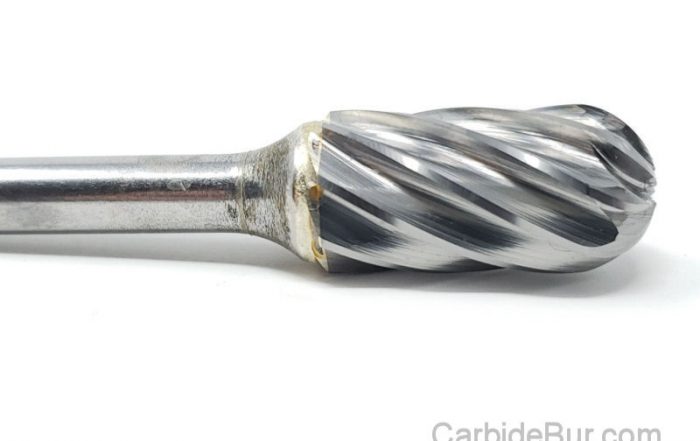
Choosing the Right Carbide Burr Shape for Your Metalworking Projects
Choosing the Right Carbide Burr Shape for Your Metalworking Projects You might think all carbide burr shapes do the same job, but that’s far from true. Choosing the wrong shape can waste time and leave [...]
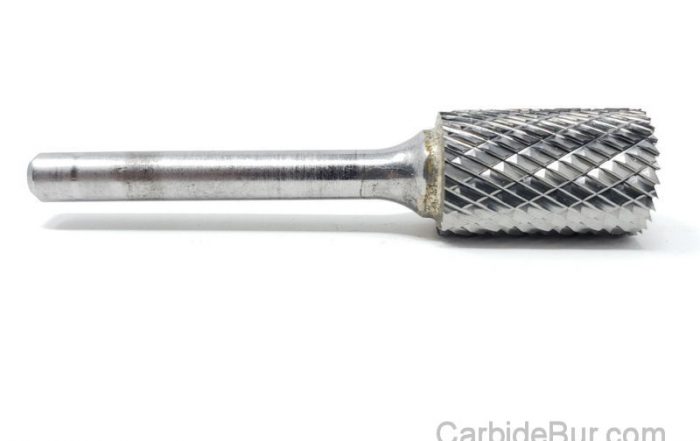
U.S. Cutting Tool Shipments Reach New Heights
U.S. Cutting Tool Shipments Reach New Heights: What It Means for Manufacturing Professionals U.S. cutting tool shipments soared to $278.1 million in July 2026, marking a 29% jump from last year. If you’re in fabrication [...]
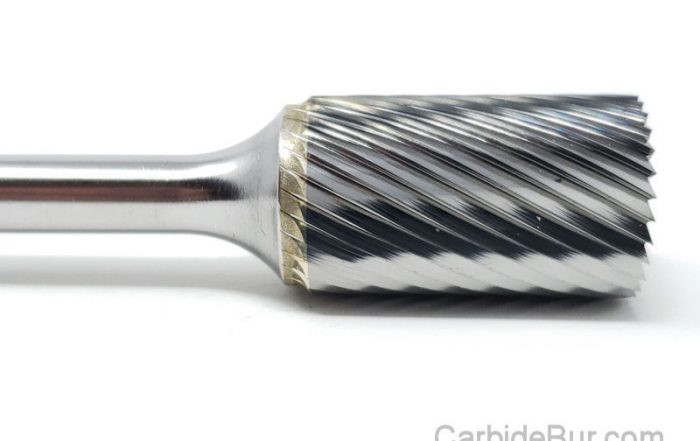
How 3D-Printed Carbide is Redefining Precision Toolmaking with Kennametal’s Latest Technology
How 3D-Printed Carbide is Redefining Precision Toolmaking with Kennametal's Latest Technology Custom hole-finishing tools have long faced limits in design and cooling options that hold back their performance. Kennametal’s new 3D-printed carbide grade changes that [...]

The Future of Additive Manufacturing in Aerospace and Automotive Industries
The Future of Additive Manufacturing in Aerospace and Automotive Industries Metal 3D printing is no longer just a concept for prototypes; it’s scaling up fast in aerospace and automotive fields. But raw prints don’t meet [...]
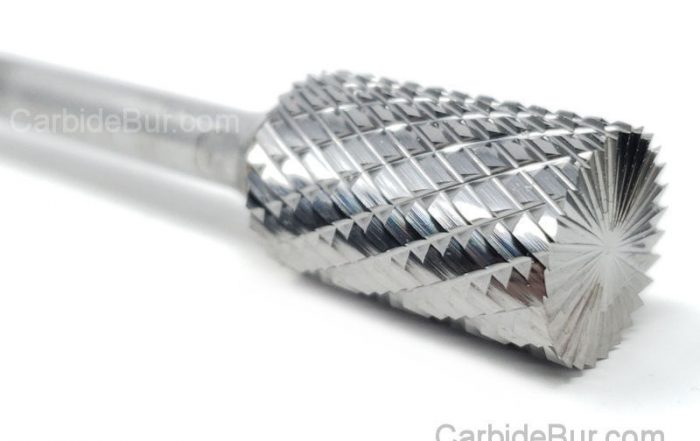
Navigating the Tungsten Carbide Shortage
Navigating the Tungsten Carbide Shortage: Strategies for Metalworkers in 2026 The tungsten carbide shortage in 2026 is hitting metalworkers hard, pushing tool prices higher and supply tighter than most expected. If you’ve noticed your carbide [...]
How Export Controls and Tungsten Processing Impact Carbide Production
How Export Controls and Tungsten Processing Impact Carbide Production Tungsten supply issues are hitting carbide tool manufacturing harder than ever before. Export controls and shifts in tungsten processing have tightened availability, stretching manufacturing lead times [...]
From Alloys to Automation: Mastering CNC Machining for Speed and Accuracy
From Alloys to Automation: Mastering CNC Machining for Speed and Accuracy The old ways of machining can’t keep up with today’s demands for speed and precision. You’re working with tougher alloys and expecting flawless results [...]