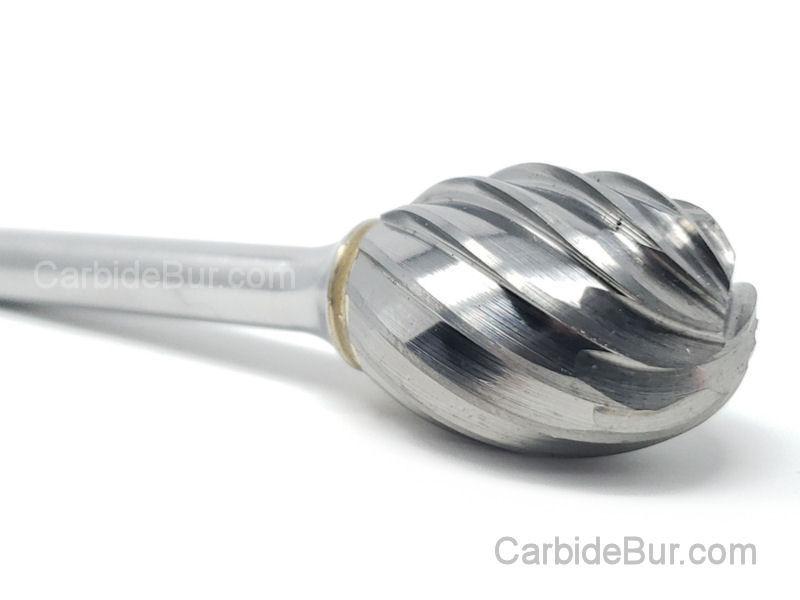
Can You Use Carbide Burrs on Brass and Copper?
Most machinists hesitate when it comes to using carbide burrs on soft metals like brass and copper. The challenge is real: these metals tend to clog and overheat, ruining cuts and wasting time. This post breaks down how to pick the right burr types and cutting techniques for smooth, precise machining without the usual headaches. For more information on selecting the best tools for your projects, check out this guide on choosing the right carbide burrs.
Understanding Carbide Burrs
Embarking on the journey of metalworking requires knowing your tools, starting with carbide burrs. These cutting tools are pivotal in shaping metals, providing precision and control.
What Are Carbide Burrs?
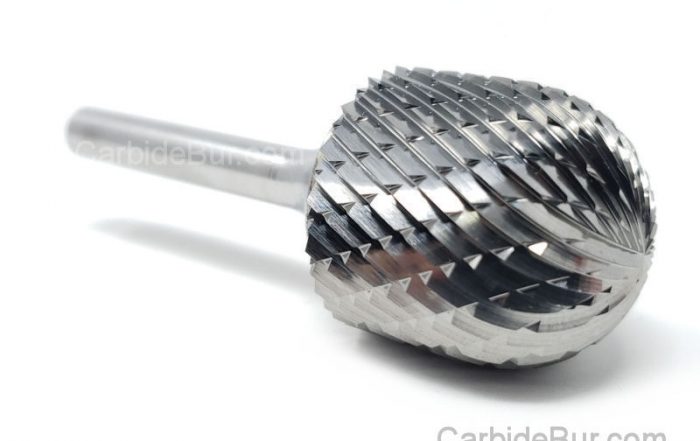
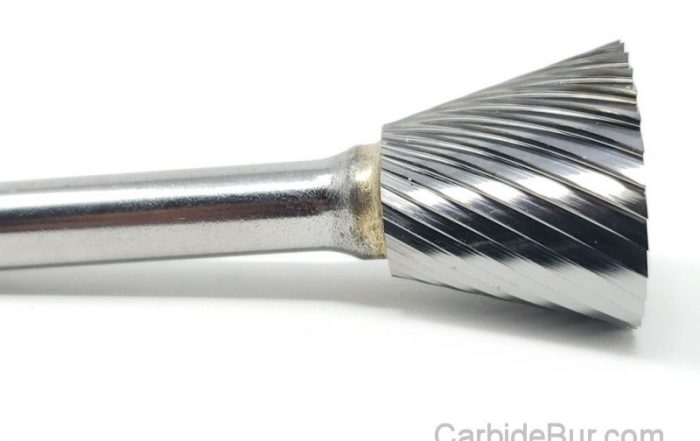
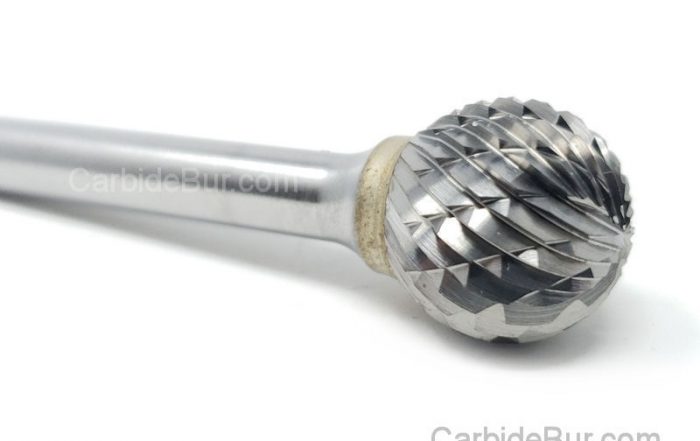
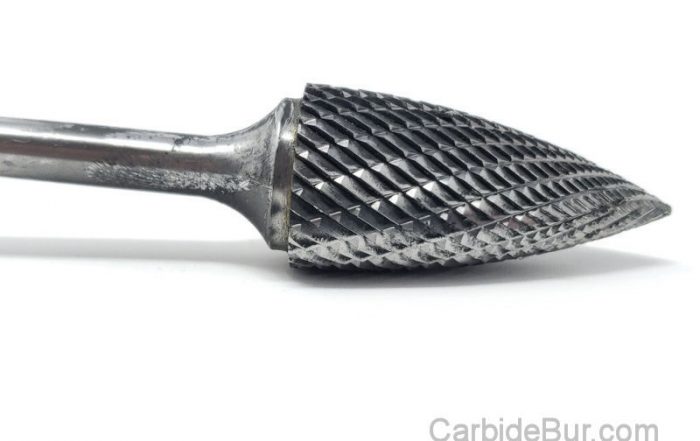
Carbide burrs are small, rotary cutting tools made from tungsten carbide, a material known for its hardness. They are used to cut, shape, and grind materials, making them indispensable in metalworking. Their durability allows them to maintain sharpness longer, reducing downtime for replacements. With various shapes and sizes, carbide burrs cater to specific tasks, ensuring you have the right tool for each job. For more insights into the versatility of carbide burrs, explore this resource.
Benefits of Carbide Burrs in Metalworking
Carbide burrs bring several benefits to the table. First, they allow for precise cuts, which is essential when working on intricate designs. This precision helps reduce waste and increase efficiency. Second, their longevity means you spend less on replacements, saving money in the long run. Lastly, their ability to handle a range of materials makes them versatile. Whether you’re shaping metal or smoothing edges, carbide burrs get the job done effectively.
Common Applications in Machining
In machining, carbide burrs are used across a wide range of applications. They are perfect for deburring, cleaning, and shaping metals. Their utility extends to hobbyists who might use them in crafting detailed pieces. Additionally, machinists rely on them for tasks that demand accuracy and a quality finish. Understanding their uses can help you select the right burr for your needs, optimizing your machining process.
Characteristics of Brass and Copper
When dealing with brass and copper, knowing their unique properties is crucial. These metals are popular in various applications due to their softness and ductility, but they present specific challenges in machining.
Unique Properties of Brass
Brass is an alloy of copper and zinc, known for its bright, gold-like appearance. It’s malleable, making it easy to shape and form. However, its softness can lead to clogging when using cutting tools. The key to machining brass effectively is using sharp, well-maintained tools that reduce friction and heat. This approach minimizes the risk of damaging the metal and extends the life of your tools.
Working with Copper: What to Know
Copper is prized for its excellent conductivity, making it essential in electrical applications. It’s softer than brass, posing similar challenges when machining. The metal can quickly become gummy, leading to tool wear and surface imperfections. To combat this, using high-speed tools and maintaining a clean workspace is vital. These practices help ensure smooth cuts and a high-quality finish.
Challenges of Machining Nonferrous Metals
Machining nonferrous metals like brass and copper requires addressing specific issues. These metals tend to clog tools, leading to overheating and poor cuts. To avoid these problems, selecting the right tools and techniques is crucial. Understanding the material properties and maintaining your equipment helps mitigate these challenges, leading to better outcomes and longer tool life.
Carbide Burrs for Brass and Copper
Choosing the correct carbide burr is essential for machining brass and copper effectively. The right burr type and size can make a significant difference in achieving precise results.
Recommended Burr Types and Sizes
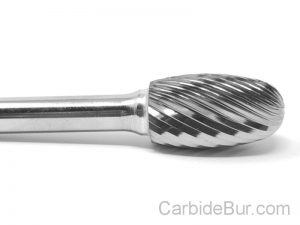
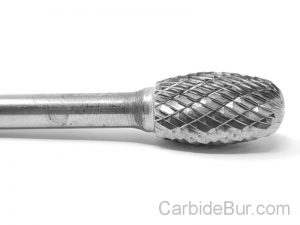
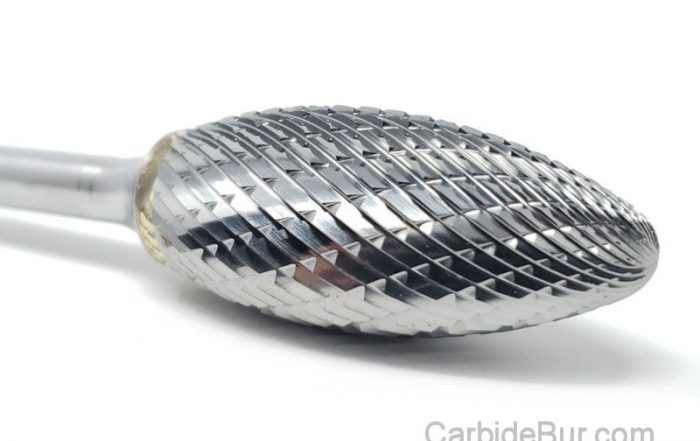
For brass and copper, using burrs with fine or medium cuts is advisable. These cuts reduce the risk of clogging and overheating. Smaller burr sizes work well for intricate details, while larger ones are suited for broader surfaces. Selecting the appropriate size ensures that you can tackle different projects with confidence, achieving the desired level of detail and finish.
Selecting the Right Carbide Burr
To select the right carbide burr, consider the metal’s properties and the task at hand. Sharp, well-maintained burrs are essential for clean cuts. Assess the shape and size of the burr based on your specific needs, whether it’s detailed work or smoothing large areas. This careful selection leads to efficient and effective machining, preserving both your materials and tools.
Cutting Techniques for Precision
Precision in cutting brass and copper requires a steady hand and the right techniques. Use a light touch and let the tool do the work to avoid excessive pressure that may damage the metal. Additionally, keep the workspace clean to prevent clogging. Implementing these techniques not only enhances precision but also extends the life of your tools.
Tips for Successful Machining
Mastering the art of machining nonferrous metals involves overcoming common issues like clogging and overheating. By adopting effective strategies, you can achieve better results and prolong tool life.
Avoiding Clogging: Best Practices
Clogging is a frequent challenge when machining. To avoid it, use burrs with the right flute design for brass and copper. Keep your tools clean and dry to maintain efficiency. Regularly check and remove any build-up to prevent clogging and ensure consistent performance.
Overheating Solutions for Metalworkers
Overheating can damage both the metal and your tools. To mitigate this, maintain a moderate speed and apply light pressure. Use coolants or cutting oils to dissipate heat effectively. These solutions help protect your workpiece and extend the life of your burrs.
Key Metalworking Tips for Beginners
For beginners, understanding the fundamentals of metalworking is essential. Start with simple projects to build confidence and skill. Gradually introduce more complex tasks as your proficiency improves. Practicing these tips will enhance your ability to tackle a variety of machining projects.
Achieving Optimal Results
To achieve the best results when working with brass and copper, focus on techniques that ensure smooth finishes and long-term tool care.
Ensuring Smooth Finishes on Brass
Achieving a smooth finish on brass involves using the right burr with a fine cut. Slow down your speed to avoid heat build-up. Regularly inspect your work and adjust your technique as needed. This attention to detail ensures a high-quality finish that elevates your projects.
Effective Techniques for Copper Machining
Copper machining demands careful attention to tool maintenance and technique. Use sharp, well-maintained burrs and apply a steady hand to avoid surface imperfections. Consistent practice and refinement of your approach lead to superior results.
Long-Term Care of Carbide Burrs
Proper maintenance of carbide burrs extends their life and ensures consistent performance. Regularly clean and inspect your tools, replacing them when necessary. Store them in a dry environment to prevent rust and damage. These practices help maintain the tools’ effectiveness and your project’s quality.
Frequently Asked Questions
Q: What types of carbide burrs work best for brass and copper?
A: Burrs with fine or medium cuts are recommended for brass and copper. They reduce the risk of clogging and overheating, providing smoother finishes.
Q: How can I prevent clogging when using carbide burrs?
A: To prevent clogging, use burrs with suitable flute designs for soft metals. Regular cleaning and maintenance of your tools also help ensure efficient performance.
Q: What are common mistakes when machining copper?
A: Common mistakes include applying too much pressure and using dull tools. These can lead to overheating and surface damage. Using sharp tools and light pressure are key to success.
Q: How can I achieve a smooth finish on brass?
A: Use a fine-cut burr and moderate speed to avoid heat build-up. Inspect your work frequently and adjust your technique to ensure a high-quality finish.
Q: Why is tool maintenance important for carbide burrs?
A: Proper maintenance extends the life of carbide burrs and ensures they perform consistently. Regular cleaning and inspection prevent damage and maintain cutting efficiency.
Looking for Carbide Bur Tools?
Check out our entire selection of USA made carbide bur die grinder tool bits
Follow us on Twitter

Return to CarbideBur.com
Carbide Burs – 1/4″ on 1/8″ Shanks – Accessories – Aluminum Cut – Bur Sets – End Mills – Long Shank – Solid Burs
What RPM Should You Use for a 1/8 Inch Carbide Burr?
What RPM Should You Use for a 1/8 Inch Carbide Burr? Most people guess the right carbide burr RPM by feel—and waste hours redoing work. If you want cleaner cuts and longer tool life, your [...]
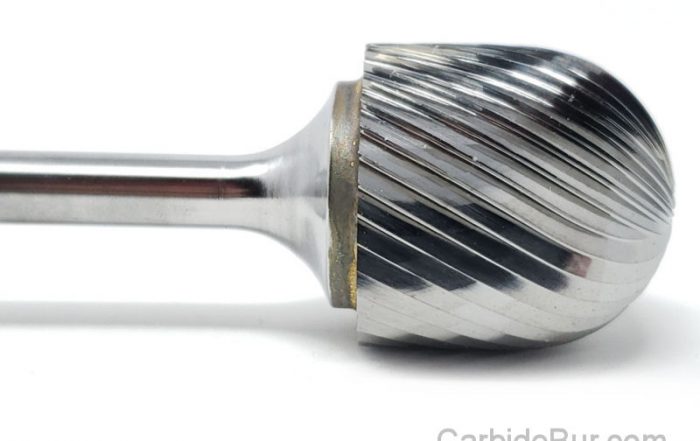
Carbide Burrs for Tight Spaces: Choosing the Right Shape
Carbide Burrs for Tight Spaces: Choosing the Right Shape Tackling tight spaces with the wrong carbide burrs wastes time and risks damaging your work. Choosing the right burr shape makes all the difference when working [...]
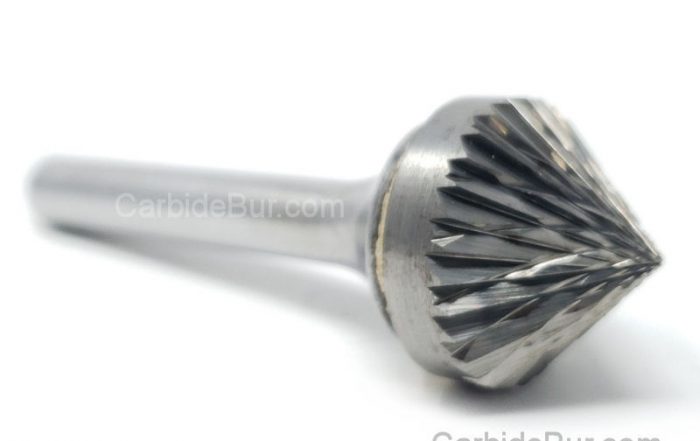
Can Carbide Burrs Remove Paint From Metal?
Can Carbide Burrs Remove Paint From Metal? Stripping paint from metal often feels like a tough chore that risks damaging the surface underneath. Many turn to carbide burrs hoping they can speed things up without [...]
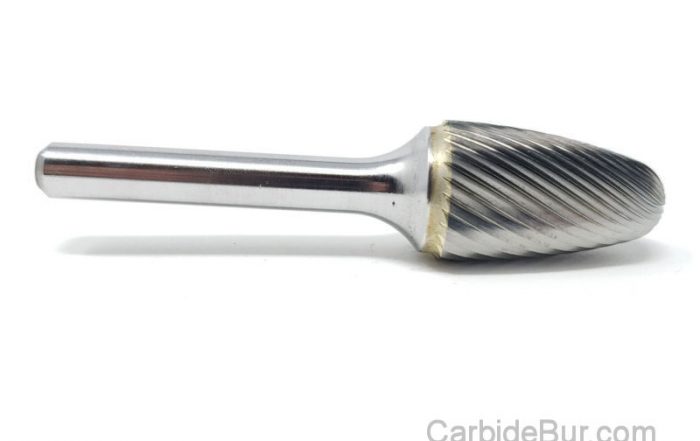
How to Grind a Groove in Metal With a Carbide Burr
How to Grind a Groove in Metal With a Carbide Burr Most metalworkers struggle to cut clean grooves without wasting time or ruining their workpiece. Many try different metalworking tools but end up with uneven [...]
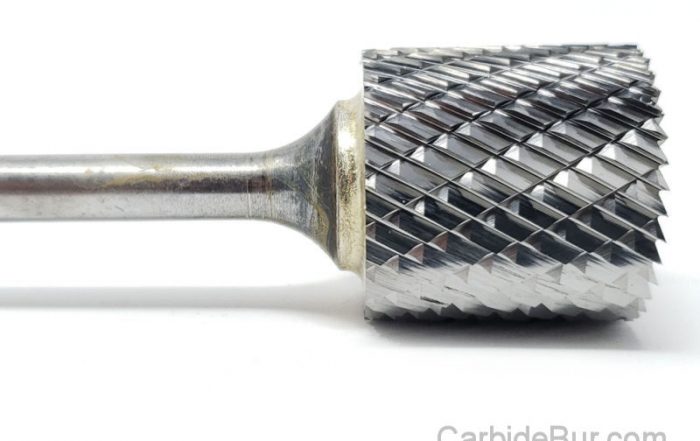
Can Carbide Burrs Cut Through Welds?
Can Carbide Burrs Cut Through Welds? Cutting through welds can feel like a battle, especially when you need clean results without harming the base metal. Carbide burrs offer a sharp edge in this fight, but [...]
How to Use a Carbide Burr With a Die Grinder
How to Use a Carbide Burr With a Die Grinder Most people treat a carbide burr like just another tool, but using it with a die grinder takes skill. If you’ve struggled with burr installation [...]
1/8 vs 1/4 Inch Carbide Burrs: What’s the Difference?
1/8 vs 1/4 Inch Carbide Burrs: What's the Difference? Choosing between a 1/8 inch carbide burr and a 1/4 inch carbide burr can change how your project turns out. Many machinists and hobbyists overlook how [...]
Best Carbide Burr for Removing Flash From Castings
Best Carbide Burr for Removing Flash From Castings Removing flash from castings is a task that can slow down your entire metalworking process if you don’t have the right tools. Picking the best carbide burr [...]
What RPM Should You Use for a 1/4 Inch Carbide Burr?
What RPM Should You Use for a 1/4 Inch Carbide Burr? Most machinists guess the right speed for a 1/4 inch carbide burr and hope for the best. Using the wrong carbide burr RPM can [...]
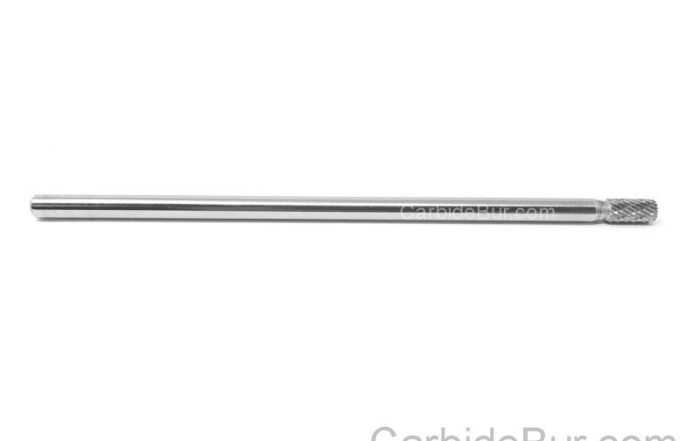
Long Shank Carbide Burrs: When Do You Need One?
Long Shank Carbide Burrs: When Do You Need One? Most machinists overlook the power of long shank carbide burrs until a project demands precision in tight spaces. When your usual tools can’t reach intricate contours, [...]
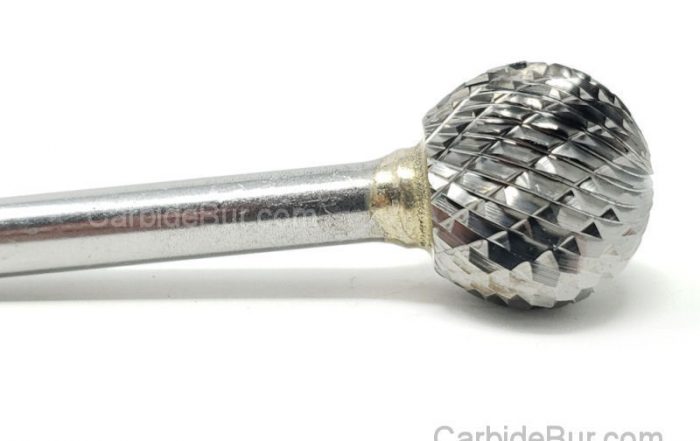
How Deep Can a Carbide Burr Cut Metal?
How Deep Can a Carbide Burr Cut Metal? Carbide burrs often get praised for their precision, but many users hit a wall wondering how deep they can actually cut metal. The truth is, cutting depth [...]
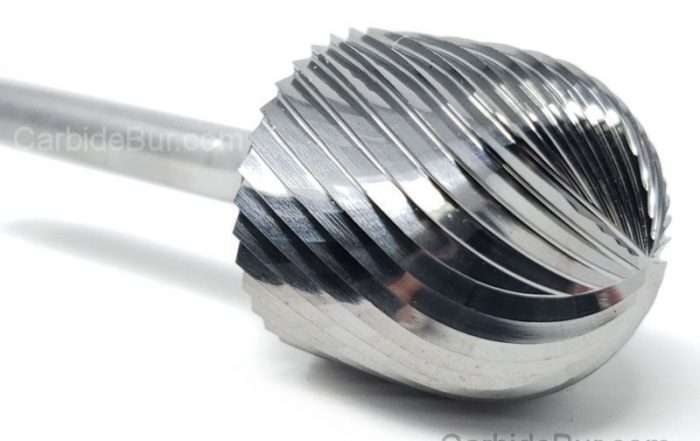
How to Use Carbide Burrs for Port Matching
How to Use Carbide Burrs for Port Matching Most engine builds hit a wall when airflow doesn’t flow smoothly between the ports and manifolds. If your engine isn’t breathing right, your performance stalls. Using the [...]