
Ultrasonic Cleaners vs. Solvent Baths: Best Practices for Cleaning Carbide Burrs
Carbide burrs lose their edge fast when resin and material build up. You’ve probably tried scrubbing or soaking with mixed results. Knowing the right carbide burr cleaning methods can save you time and keep your tools sharp longer. This post breaks down when to use an ultrasonic cleaner for burrs, solvent baths, or simple brushing—and why regular care prevents costly damage. Keep reading to get practical tips that make maintaining carbide tools easier. For more on ultrasonic cleaning best practices, check out this link.
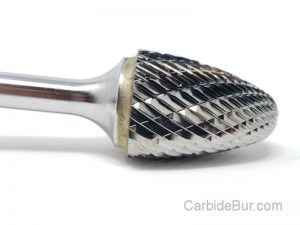
Check out this selection of USA made carbide burs
Introduction to Carbide Burr Cleaning
Keeping your carbide burrs clean is essential for maintaining their effectiveness and longevity. When they are clean, they cut better and last longer. Let’s explore why maintaining them is so important and how you can do it effectively.
Importance of Clean Carbide Burrs
Clean carbide burrs are crucial for optimal performance. When burrs are free from resin and material buildup, they cut smoothly and efficiently. This not only improves the quality of your work but also extends the life of your tools. Think of clean burrs as a sharp pencil: the sharper it is, the better it writes.
Keeping your burrs clean also reduces the risk of overheating. When debris clogs the burrs, it causes friction, leading to excessive heat. This can wear down the burrs faster, meaning more frequent replacements. Regular cleaning ensures you get the most out of each tool, saving you time and money in the long run.
Impact of Resin Buildup on Efficiency
Resin buildup is like a sticky roadblock for your burrs. It not only dulls the cutting edge but also requires more force to use, leading to slower work and less precise cuts. Imagine trying to cut with a dull knife; it’s frustrating and ineffective.
When your burrs are clogged with resin, the heat generated increases, which can cause your tools to degrade and even break. More frequent replacements mean higher costs and more downtime. Keeping your burrs clean prevents these issues, ensuring smoother and more efficient cutting.
Overview of Cleaning Methods
There are several effective methods to keep your carbide burrs clean. Ultrasonic cleaners provide a thorough clean without damaging your tools, making them a popular choice. Solvent baths can dissolve stubborn buildup, reaching areas that are hard to scrub manually. For lighter cleaning, simple brushing can remove loose debris and keep your burrs in good condition.
Each method has its strengths, and choosing the right one depends on the level of buildup and your specific needs. By understanding these methods, you can make informed decisions to maintain your tools effectively.
Ultrasonic Cleaners for Burrs
Ultrasonic cleaners have become a favored tool in maintaining carbide burrs. They offer a deep clean that manual methods often cannot achieve. Let’s dive into what makes them so beneficial and how they work.
Benefits of Ultrasonic Cleaning
Ultrasonic cleaning offers a hands-off approach to maintaining your carbide burrs. This method uses sound waves to create tiny bubbles in a cleaning solution, which gently removes dirt and debris. It’s like giving your burrs a gentle bath that reaches every nook and cranny.
The primary benefit is precision. Ultrasonic cleaners can remove buildup that might be missed by brushes or solvents. They are also time-efficient; you can clean multiple tools at once, freeing you to focus on other tasks. This method is perfect for those who want a thorough clean without manual scrubbing.

Need a longer reach for your die grinder?
How Ultrasonic Cleaners Work
Ultrasonic cleaners operate by emitting high-frequency sound waves into a liquid solution. These waves create microscopic bubbles that implode when they contact surfaces, effectively lifting away dirt and resin. It’s a process called cavitation and is highly effective for cleaning detailed surfaces like burrs.
This method is gentle yet thorough, ensuring your tools remain in top condition without the risk of damage from harsh scrubbing. The process is fast, often taking just a few minutes to complete, making it ideal for busy workshops.
Best Practices for Using Ultrasonic Cleaners
To get the best results from your ultrasonic cleaner, there are a few key practices to follow. First, choose the right cleaning solution. Some solutions are designed specifically for metal tools, enhancing the cleaning power.
Ensure your burrs are fully submerged in the solution to allow even cleaning. Avoid stacking tools to prevent uneven results. Regularly maintain your ultrasonic cleaner by changing the solution and cleaning the tank to keep it effective.
For more insight into the chemistry of cleaning with ultrasonic solvents, check out this page.
Solvent Baths for Carbide Burrs
Sometimes, a solvent bath is the answer to stubborn buildup on your carbide burrs. It’s a straightforward method that, when done correctly, can save your tools from wear and tear.
Choosing the Right Solvent
Selecting the appropriate solvent is crucial for effective cleaning. Different solvents have varying strengths, and choosing the wrong one can damage your burrs or leave residues. Look for solvents designed for metal tools, as they provide the right balance of cleaning power and safety.
The right solvent can dissolve resin and debris, making it easier for you to maintain your burrs. Test a small amount of the solvent on an inconspicuous area if you’re unsure of its effects.
Steps for Effective Solvent Bathing
-
Preparation: Ensure you have the right solvent and a container large enough to submerge your burrs.
-
Submersion: Fully submerge the burrs in the solvent, allowing them to soak for the recommended time.
-
Agitation: Occasionally stir or agitate the solution to help loosen debris.
-
Rinse and Dry: After soaking, rinse the burrs thoroughly with water to remove any solvent residue, then dry them using a clean cloth.
This method is effective for tools with heavy buildup and can restore your burrs to optimal cutting condition.
Safety Tips for Solvent Use
Safety is paramount when working with solvents. Always work in a well-ventilated area to avoid inhaling fumes. Wear gloves and protective eyewear to prevent skin and eye contact. Follow the manufacturer’s instructions for safe handling and disposal.
Never mix solvents, as this can create dangerous chemical reactions. Ensure that your work area is free from open flames or sparks, as many solvents are flammable.
For more advice on solvent safety and options, explore discussions in this forum.
Regular Maintenance Tips
Regular maintenance is the key to preventing buildup and extending the life of your carbide burrs. Let’s explore practical tips that keep your tools in top shape.
Preventing Resin Buildup
To prevent resin from accumulating, clean your burrs after each use. A quick rinse or brush can remove loose particles before they harden. Consider using a lubricant during operations to reduce resin sticking to the burrs.
Regular cleaning reduces the chance of buildup, ensuring your burrs remain sharp and efficient. It’s a small step that makes a big difference in tool longevity.
Routine Inspection and Cleaning
Make it a habit to inspect your burrs regularly. Look for signs of wear or damage and clean them frequently. Routine checks can help you catch issues early, preventing costly repairs or replacements.
Develop a cleaning schedule based on how often you use your tools. This ensures they are always ready for the next project, saving you time and hassle.
Long-term Care for Carbide Tools
Long-term care involves more than just cleaning. Store your burrs in a dry, safe place to prevent rust or damage. Keep them organized so you can easily find and use them when needed.
Regular maintenance and proper storage extend the life of your tools, making them a worthwhile investment for any machinist or enthusiast.
Comparing Cleaning Methods
Choosing between ultrasonic and solvent methods depends on your specific needs. Let’s compare their benefits to help you decide.
Ultrasonic vs. Solvent: Which is Better?
Both methods have their strengths. Ultrasonic cleaning is effective for detailed and quick cleaning. It’s perfect when you need a thorough clean without manual effort. Solvent baths are ideal for heavy buildup, offering a deep clean when other methods fall short.
Consider the level of buildup and your available equipment. Both methods provide excellent results when used appropriately.
Cost and Efficiency Analysis
Ultrasonic cleaners may have a higher initial cost, but they save time and labor in the long run. Solvent baths are cost-effective and simple, ideal for occasional use.
Evaluate your budget and cleaning needs to determine the most efficient method. Each has its place, and a combination of both might offer the best solution.
Final Recommendations for Burr Maintenance
For optimal burr maintenance, use a combination of methods. Regularly inspect and clean your tools, choosing ultrasonic or solvent based on the buildup level. Store your burrs properly and use them with care to maximize their life.
These steps ensure your carbide burrs remain sharp and effective, supporting all your machining tasks with precision and reliability.
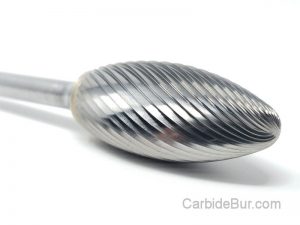
Looking for Carbide Bur Tools?
Check out our entire selection of USA made carbide bur die grinder tool bits
Follow us on Twitter

Return to CarbideBur.com
Carbide Burs – 1/4″ on 1/8″ Shanks – Accessories – Aluminum Cut – Bur Sets – End Mills – Long Shank – Solid Burs
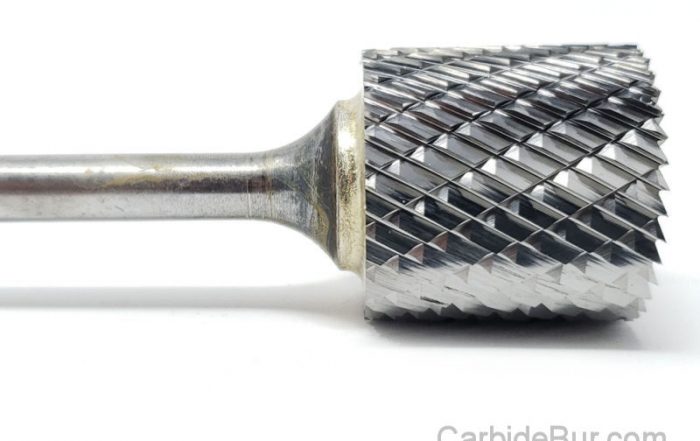
Can Carbide Burrs Cut Through Welds?
Can Carbide Burrs Cut Through Welds? Cutting through welds can feel like a battle, especially when you need clean results without harming the base metal. Carbide burrs offer a sharp edge in this fight, but [...]
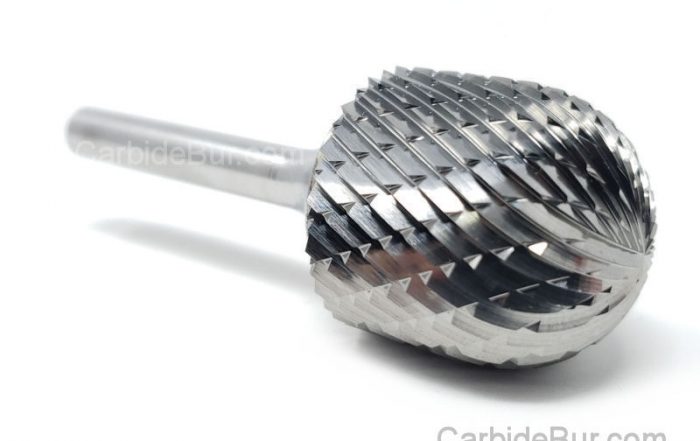
How to Use a Carbide Burr With a Die Grinder
How to Use a Carbide Burr With a Die Grinder Most people treat a carbide burr like just another tool, but using it with a die grinder takes skill. If you’ve struggled with burr installation [...]
1/8 vs 1/4 Inch Carbide Burrs: What’s the Difference?
1/8 vs 1/4 Inch Carbide Burrs: What's the Difference? Choosing between a 1/8 inch carbide burr and a 1/4 inch carbide burr can change how your project turns out. Many machinists and hobbyists overlook how [...]
Best Carbide Burr for Removing Flash From Castings
Best Carbide Burr for Removing Flash From Castings Removing flash from castings is a task that can slow down your entire metalworking process if you don’t have the right tools. Picking the best carbide burr [...]
What RPM Should You Use for a 1/4 Inch Carbide Burr?
What RPM Should You Use for a 1/4 Inch Carbide Burr? Most machinists guess the right speed for a 1/4 inch carbide burr and hope for the best. Using the wrong carbide burr RPM can [...]
Long Shank Carbide Burrs: When Do You Need One?
Long Shank Carbide Burrs: When Do You Need One? Most machinists overlook the power of long shank carbide burrs until a project demands precision in tight spaces. When your usual tools can’t reach intricate contours, [...]
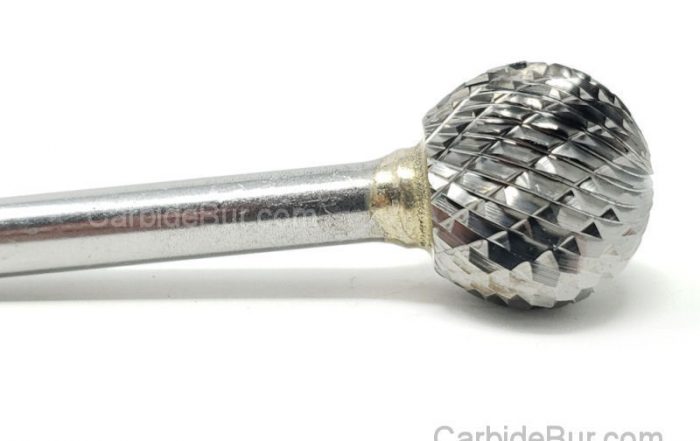
How Deep Can a Carbide Burr Cut Metal?
How Deep Can a Carbide Burr Cut Metal? Carbide burrs often get praised for their precision, but many users hit a wall wondering how deep they can actually cut metal. The truth is, cutting depth [...]
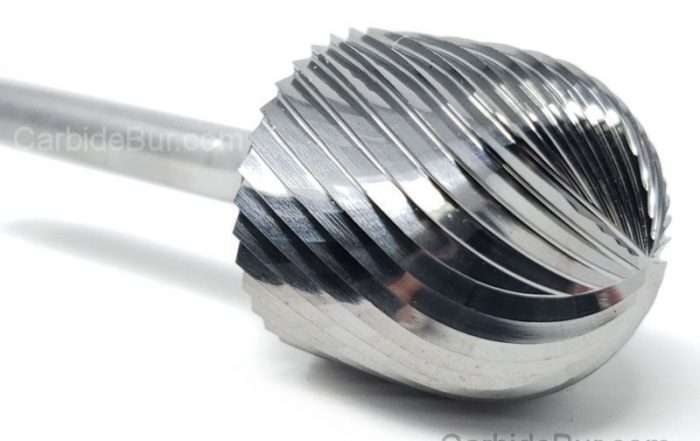
How to Use Carbide Burrs for Port Matching
How to Use Carbide Burrs for Port Matching Most engine builds hit a wall when airflow doesn’t flow smoothly between the ports and manifolds. If your engine isn’t breathing right, your performance stalls. Using the [...]
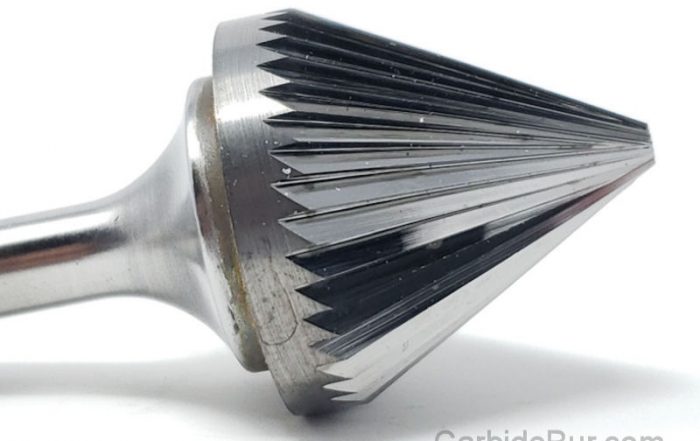
Best Carbide Burr for Porting Intake Manifolds
Best Carbide Burr for Porting Intake Manifolds Porting intake manifolds can make or break your engine’s airflow, yet many struggle with the right tools for the job. Choosing the best carbide burrs is key to [...]
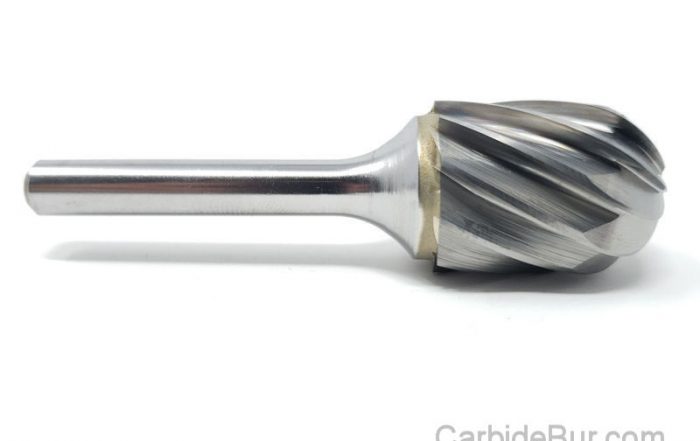
Best Carbide Burr for Concave Surfaces
Best Carbide Burr for Concave Surfaces Concave surfaces can turn a straightforward project into a frustrating challenge if you don’t have the right tool. Carbide burrs designed for these tricky curves make all the difference [...]
How to Grind a Slot in Metal With a Carbide Burr
How to Grind a Slot in Metal With a Carbide Burr Grinding a precise slot in metal can feel like a tricky task, especially if you’re unsure which tools to trust. Carbide burr grinding offers [...]

Best Carbide Burr for Inside Corners
Best Carbide Burr for Inside Corners Working in tight inside corners can turn even simple projects into frustrating tasks. Many carbide burrs just don’t fit or cut cleanly where you need them most. The best [...]
