Best Carbide Burr for Stainless Steel: Complete Guide
Working with stainless steel can quickly wear down your tools if you don’t have the right carbide burrs. Choosing the best carbide burr for stainless steel means understanding how burr shapes, sizes, and tooth designs affect your cuts and finishes. This guide breaks down what you need to know to pick the right burrs, reduce tool wear, and get cleaner results every time you handle this tough material. For more detailed insights, you can check out The Ultimate Guide to Choosing the Best Carbide Burrs for Stainless Steel.
Understanding Stainless Steel
Working with stainless steel presents unique challenges. Its hardness and toughness can wear tools quickly, but choosing the right carbide burrs can make a significant difference.
Challenges in Machining
Stainless steel is notorious for its durability. This means it can resist cutting, leading to increased wear on tools. The heat generated during machining can also cause work hardening, making the material even tougher. As a result, using the wrong tools can result in poor cuts and damaged equipment. Selecting tools designed specifically for stainless steel is crucial to overcoming these challenges.
Impact on Burr Selection
The choice of burrs impacts not only the quality of your work but also tool longevity. Using inappropriate burrs can lead to increased tool wear and inefficient cuts. For stainless steel, burrs with specific shapes and tooth patterns are essential to ensure smooth, clean cuts. This is why understanding burr selection is vital for metalworkers who regularly handle this material.
Benefits of Using Carbide Burrs
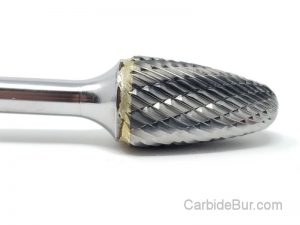
Carbide burrs are designed to handle the hardness of stainless steel. They offer precision in cutting and shaping, reducing the wear on your tools. With carbide burrs, you can achieve cleaner finishes and extend the life of your equipment. This makes them a valuable investment for anyone working with tough materials like stainless steel.
Types of Carbide Burrs
Choosing the right type of carbide burr is essential for efficient machining. Each burr type serves a different purpose, and knowing these differences can guide you in making the best choice.
Optimal Burr Shapes and Sizes
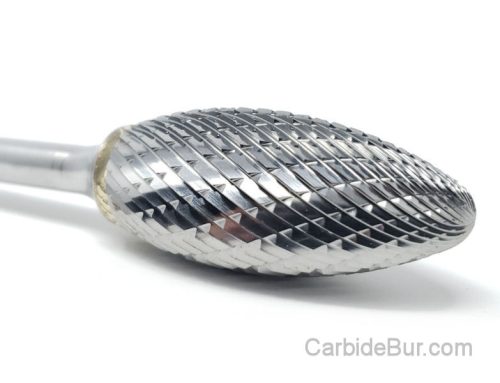
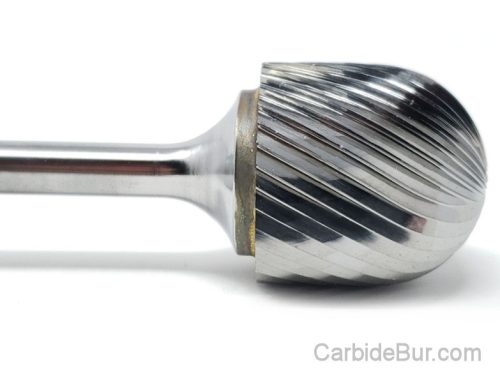
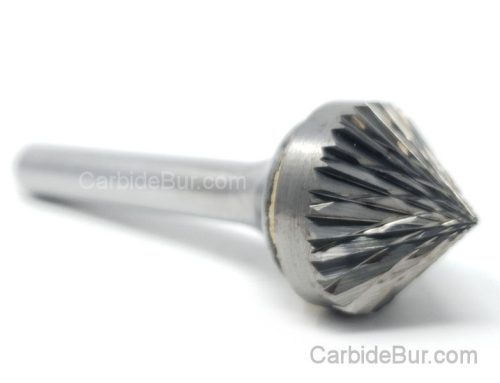
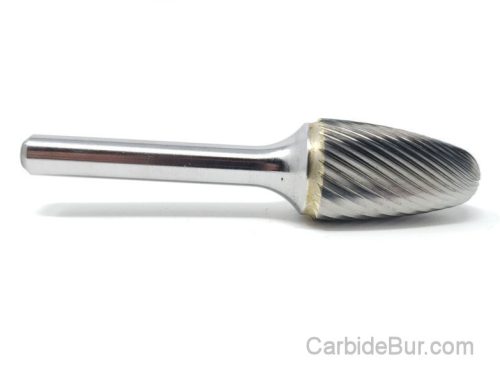
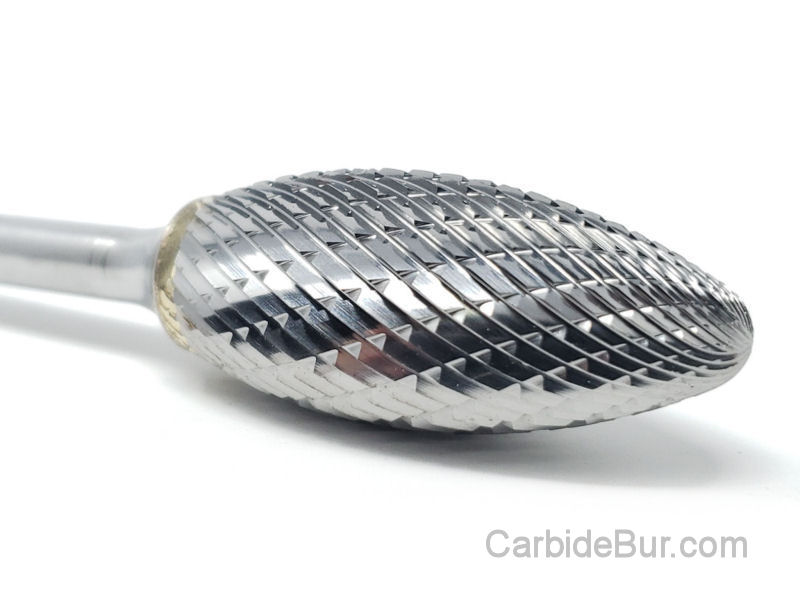
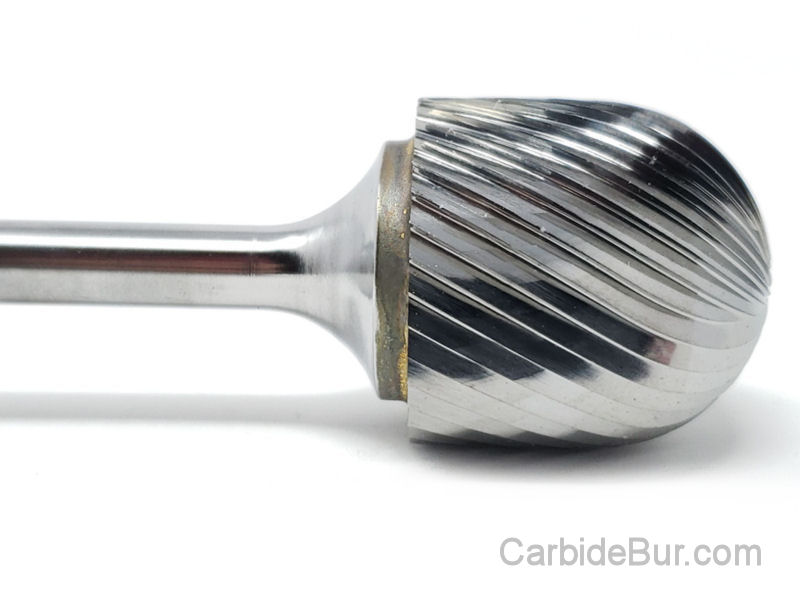
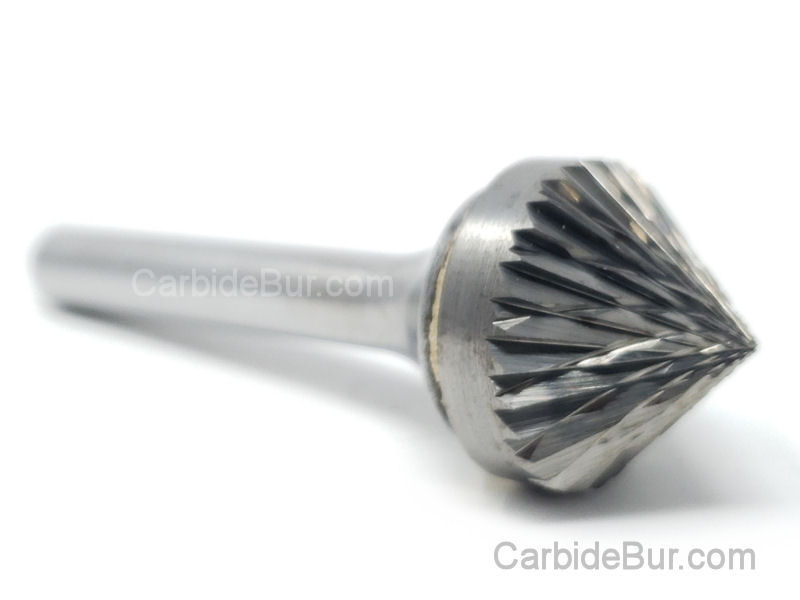
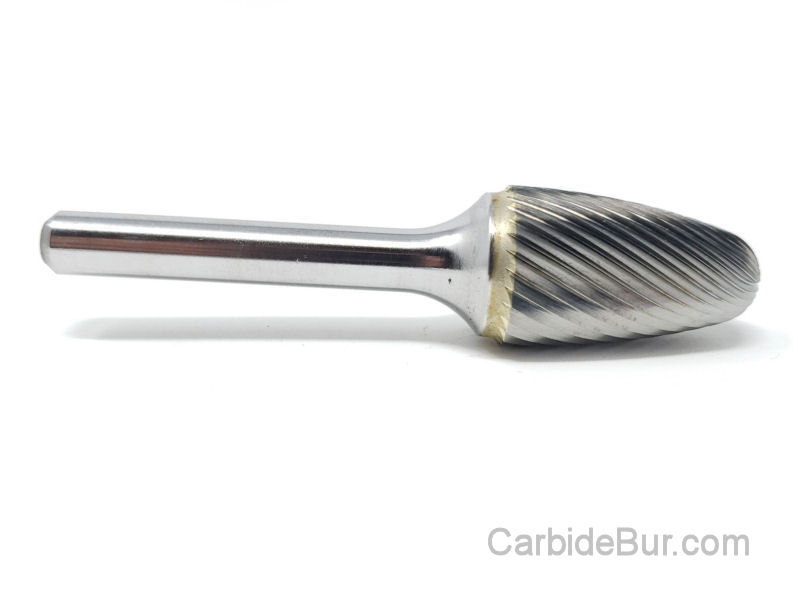
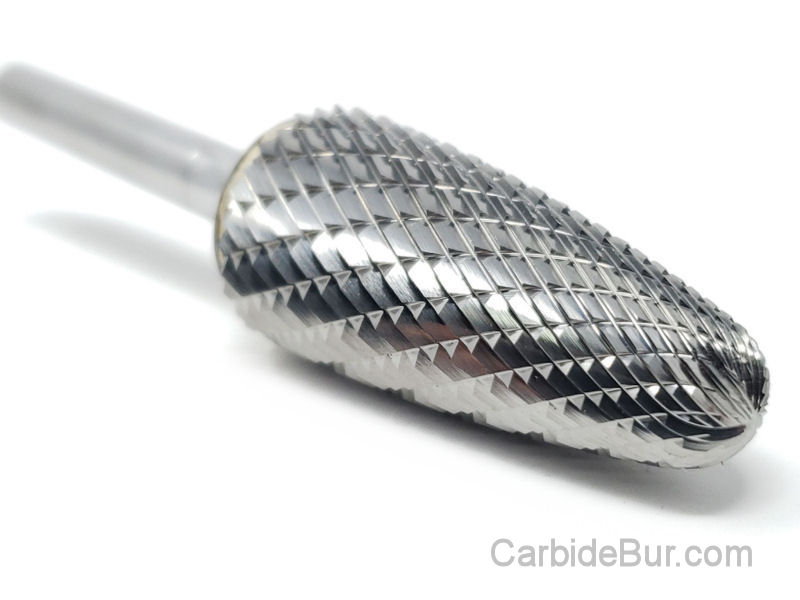
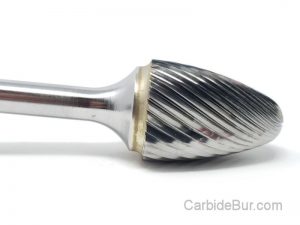
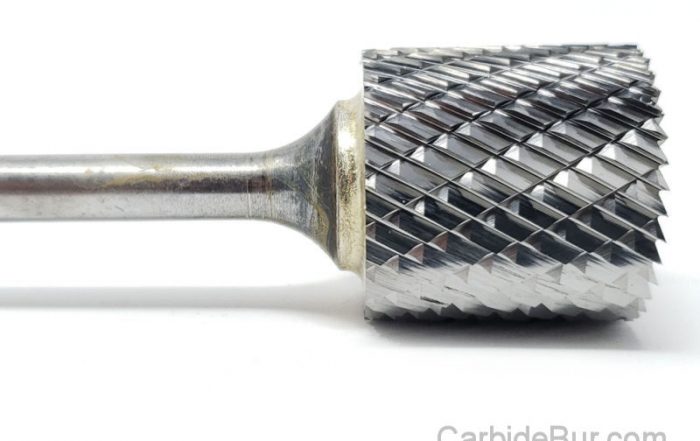
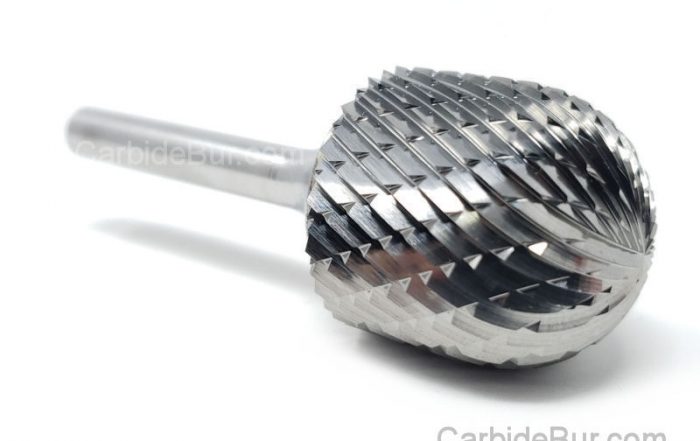
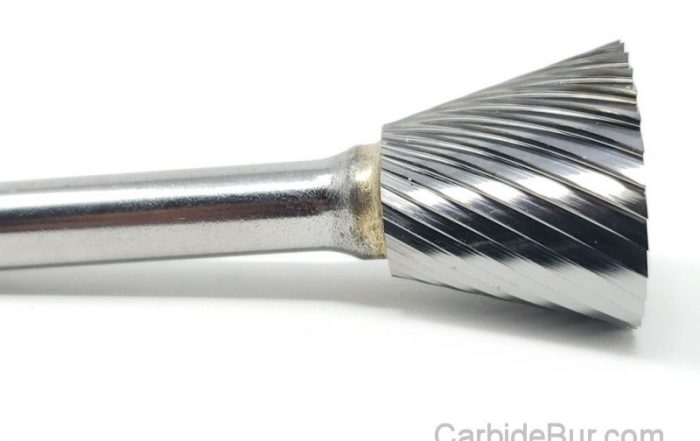
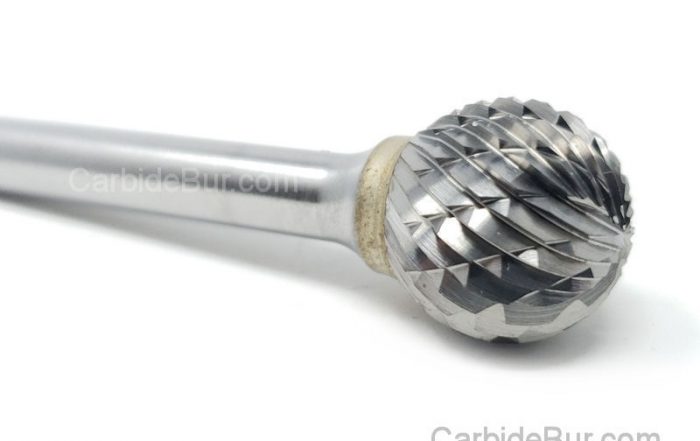
Different shapes and sizes of burrs cater to various tasks. For instance, a cylindrical shape is excellent for flat surfaces, while a spherical burr can be perfect for rounded edges. The size of the burr affects how much material can be removed, influencing the precision of your work. Consider the specific task at hand when selecting burr shapes and sizes.
Exploring Burr Tooth Designs
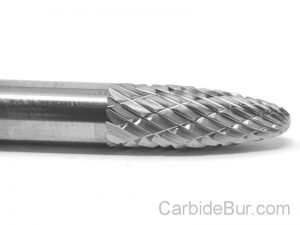
Tooth design plays a crucial role in how effectively a burr can cut through stainless steel. Coarse teeth remove material quickly but may leave rougher edges. Fine teeth provide smoother finishes but require more time. Balancing speed with finish quality is key, and understanding these designs helps in making the best choice.
Best Carbide Burrs for Stainless Steel
When working with stainless steel, select burrs specifically designed for the material. These burrs are crafted to handle the metal’s hardness, offering better durability and cleaner cuts. By choosing the best carbide burrs, you ensure efficiency and quality in your machining tasks.
Practical Application Tips
Knowing how to apply your tools effectively is just as important as selecting them. Here’s how you can make the most out of your carbide burrs for stainless steel.
Selecting the Right Burr
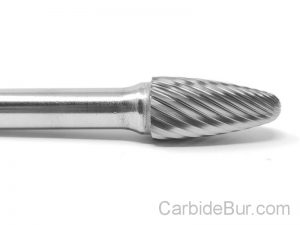
The right burr depends on your specific needs. Consider the type of cut you need: rough or smooth. Evaluate the material thickness and hardness before making a decision. Selecting the correct burr can significantly improve your work quality and tool lifespan.
Machining Stainless Steel Tips
Working with stainless steel requires patience and precision. Use slow cutting speeds to reduce heat buildup. Apply consistent pressure, and frequently check the burr for wear. These practices can make your machining process smoother and more efficient.
Tool Wear Reduction Techniques
To minimize tool wear, keep your burrs sharp and clean. Use appropriate cutting fluids to prevent overheating. Regular maintenance and correct usage techniques can extend the life of your tools significantly, saving you time and money.
Maintenance and Safety
Proper maintenance and safety measures are crucial in ensuring both your safety and the longevity of your tools.
Burr Maintenance Practices
Regular cleaning of your burrs helps maintain their efficiency. Remove debris after each use to prevent build-up that can affect performance. Frequent inspections for wear are also important, allowing you to replace burrs before they become ineffective.
Essential Safety Guidelines
Always wear protective gear when working with carbide burrs. Eye protection and gloves are a must to prevent injuries from flying debris. Ensure your workspace is well-lit and free of any obstructions to maintain a safe environment.
Extending Tool Life
To extend the life of your tools, store them properly. Keep your burrs in a dry place to prevent corrosion. Regularly sharpen them to maintain cutting efficiency. Proper care and storage can greatly enhance the durability of your equipment.
Conclusion and Recommendations
Understanding how to choose and maintain your tools can greatly impact your work with stainless steel.
Key Takeaways for Metalworkers
Select burrs based on the specific tasks at hand. Regular maintenance is key to prolonging tool life. By choosing the right tools and using them correctly, you can enhance both efficiency and quality in your work.
Encouraging Safe Practices
Always prioritize safety in your workspace. Use the right protective gear and maintain a clean environment. Safe practices not only protect you but also ensure smoother operations.
Final Thoughts on Burr Selection
Choosing the best carbide burrs for stainless steel is essential for efficient and quality machining. By understanding burr types and applications, you can significantly improve your work outcomes. For more insights, explore Exploring the Versatility of Carbide Burrs.
Frequently Asked Questions
What are the best carbide burrs for stainless steel?
The best carbide burrs for stainless steel are ones specifically crafted for handling tough materials. These usually have the right balance of tooth design and shape to ensure effective cutting and long-lasting durability.
How do I reduce tool wear when working with stainless steel?
To reduce tool wear, use cutting fluids to minimize heat buildup, operate at slower speeds, and apply consistent pressure. Regular maintenance of your burrs is also crucial.
What safety precautions should I take when using carbide burrs?
Always wear protective gear such as safety glasses and gloves. Ensure your workspace is well-lit and free from clutter to avoid accidents.
Why is burr maintenance important?
Regular maintenance ensures that your burrs remain effective. It prevents material build-up that can hinder performance and extends the lifespan of your tools.
How can I choose the right burr shape for my project?
Consider the type of cut you need and the surface you’re working on. Different shapes serve different functions, so align your choice with your specific project needs.
Looking for Carbide Bur Tools?
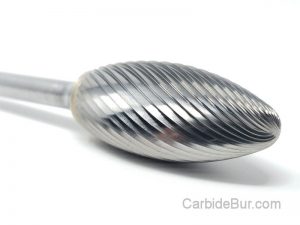
Check out our entire selection of USA made carbide bur die grinder tool bits
Follow us on Twitter

Return to CarbideBur.com
Carbide Burs – 1/4″ on 1/8″ Shanks – Accessories – Aluminum Cut – Bur Sets – End Mills – Long Shank – Solid Burs
What RPM Should You Use for a 1/8 Inch Carbide Burr?
What RPM Should You Use for a 1/8 Inch Carbide Burr? Most people guess the right carbide burr RPM by feel—and waste hours redoing work. If you want cleaner cuts and longer tool life, your [...]
Carbide Burrs for Tight Spaces: Choosing the Right Shape
Carbide Burrs for Tight Spaces: Choosing the Right Shape Tackling tight spaces with the wrong carbide burrs wastes time and risks damaging your work. Choosing the right burr shape makes all the difference when working [...]
Can Carbide Burrs Remove Paint From Metal?
Can Carbide Burrs Remove Paint From Metal? Stripping paint from metal often feels like a tough chore that risks damaging the surface underneath. Many turn to carbide burrs hoping they can speed things up without [...]
How to Grind a Groove in Metal With a Carbide Burr
How to Grind a Groove in Metal With a Carbide Burr Most metalworkers struggle to cut clean grooves without wasting time or ruining their workpiece. Many try different metalworking tools but end up with uneven [...]
Can Carbide Burrs Cut Through Welds?
Can Carbide Burrs Cut Through Welds? Cutting through welds can feel like a battle, especially when you need clean results without harming the base metal. Carbide burrs offer a sharp edge in this fight, but [...]
How to Use a Carbide Burr With a Die Grinder
How to Use a Carbide Burr With a Die Grinder Most people treat a carbide burr like just another tool, but using it with a die grinder takes skill. If you’ve struggled with burr installation [...]
1/8 vs 1/4 Inch Carbide Burrs: What’s the Difference?
1/8 vs 1/4 Inch Carbide Burrs: What's the Difference? Choosing between a 1/8 inch carbide burr and a 1/4 inch carbide burr can change how your project turns out. Many machinists and hobbyists overlook how [...]
Best Carbide Burr for Removing Flash From Castings
Best Carbide Burr for Removing Flash From Castings Removing flash from castings is a task that can slow down your entire metalworking process if you don’t have the right tools. Picking the best carbide burr [...]
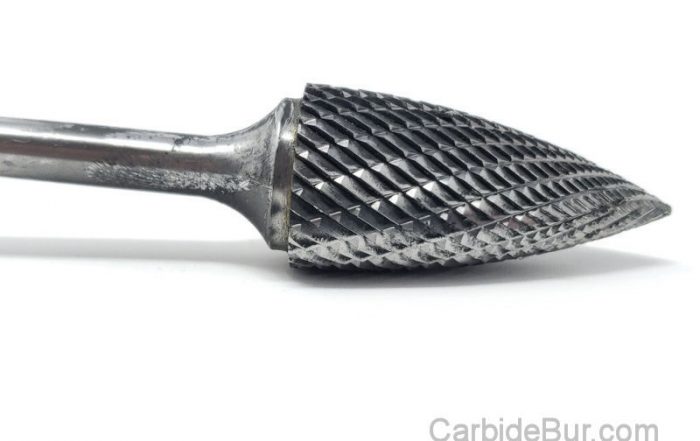
What RPM Should You Use for a 1/4 Inch Carbide Burr?
What RPM Should You Use for a 1/4 Inch Carbide Burr? Most machinists guess the right speed for a 1/4 inch carbide burr and hope for the best. Using the wrong carbide burr RPM can [...]
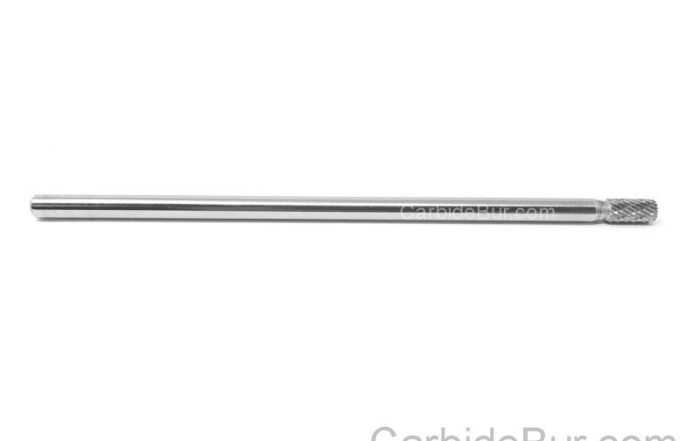
Long Shank Carbide Burrs: When Do You Need One?
Long Shank Carbide Burrs: When Do You Need One? Most machinists overlook the power of long shank carbide burrs until a project demands precision in tight spaces. When your usual tools can’t reach intricate contours, [...]
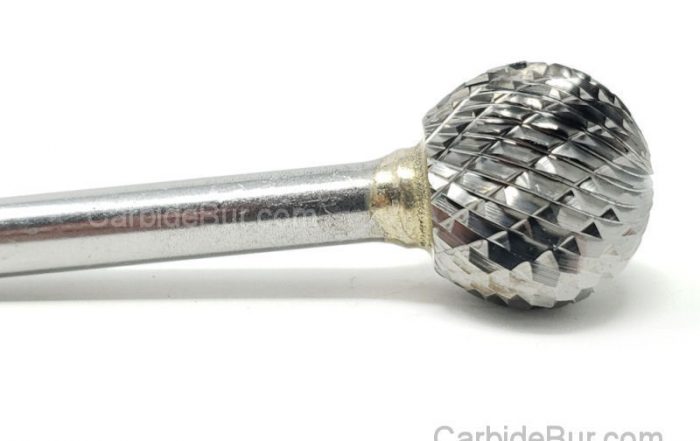
How Deep Can a Carbide Burr Cut Metal?
How Deep Can a Carbide Burr Cut Metal? Carbide burrs often get praised for their precision, but many users hit a wall wondering how deep they can actually cut metal. The truth is, cutting depth [...]
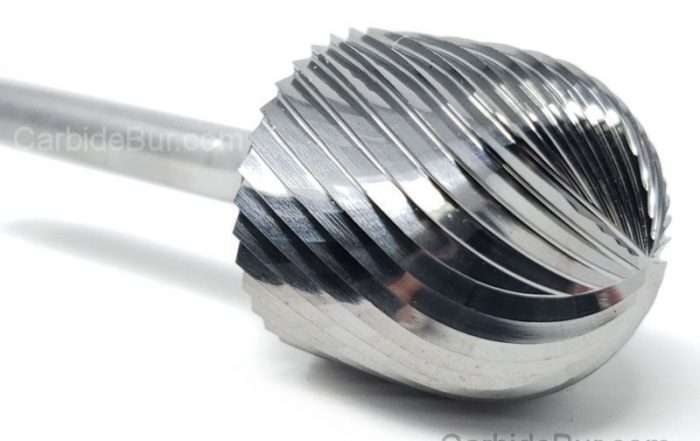
How to Use Carbide Burrs for Port Matching
How to Use Carbide Burrs for Port Matching Most engine builds hit a wall when airflow doesn’t flow smoothly between the ports and manifolds. If your engine isn’t breathing right, your performance stalls. Using the [...]