Flame Carbide Burr vs. Tree Carbide Burr: Which Should You Use?
You’ve got the right tools, but choosing between a flame carbide burr and a tree carbide burr can still slow down your project. Picking the wrong shape wastes time and leaves your metalwork rough or uneven. This carbide burr comparison breaks down which burr suits your tasks, from shaping to deburring, so you get cleaner cuts and faster results every time. For more insights on choosing the right burr, visit this link.
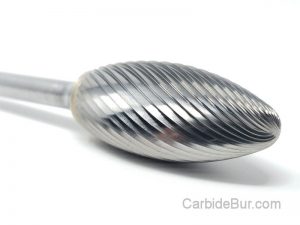
Understanding Carbide Burrs
Carbide burrs are essential in many metalworking tasks. They help you create precise shapes and smooth finishes. Understanding their role can improve your crafting skills and results.
What Are Carbide Burrs?
Carbide burrs are rotary tools used to cut, shape, and grind materials like metal. They are made from tungsten carbide, which is incredibly tough and long-lasting. You attach them to rotary tools to perform various tasks. These burrs come in different shapes and sizes, making them versatile for different applications.
Key Characteristics of Carbide Burrs
One of the key features of carbide burrs is their durability. They can withstand high speeds and intense pressure without dulling quickly. This means you can work faster and more efficiently. Additionally, they offer precision in cutting, which is crucial for detailed work. Different shapes cater to specific tasks, so choosing the right one is important.
Applications in Metalworking
Carbide burrs have a wide range of applications. They are perfect for deburring, removing sharp edges, and refining surfaces. They can also shape intricate designs, making them vital for detailed projects. If you work with metal often, these burrs are indispensable. For more insights on their versatility, check out this resource.
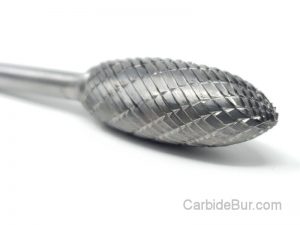
Flame Carbide Burr Overview
Flame carbide burrs have unique attributes that set them apart. Understanding these can help you decide if they’re right for your project needs.
Unique Features of Flame Burrs
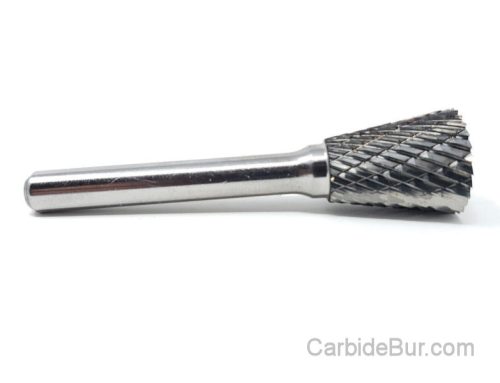
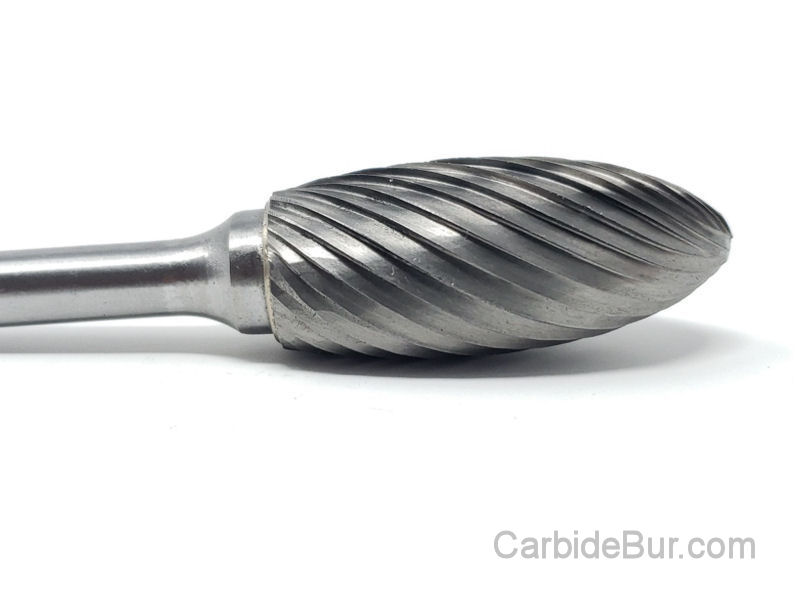
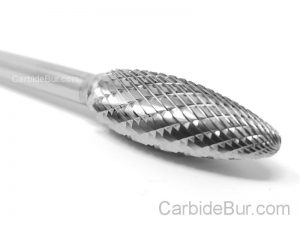
Flame burrs have a tapered shape, narrowing to a point. This design allows them to reach tight spaces easily. They are great for detailed work because of their shape. You can use them to carve, sculpt, and remove material in confined areas.
Ideal Uses for Flame Burrs
Flame burrs excel in tasks that require precision. They are perfect for intricate designs and tight corners. If your project involves fine details, these burrs can achieve the desired result. Their shape also makes them suitable for working inside small cavities.
Pros and Cons of Flame Burrs
Flame burrs offer excellent control and precision. Their design is perfect for detailed work, but they may not be ideal for large material removal tasks. If you need to work quickly and remove a lot of material, you might find them slower compared to other shapes.
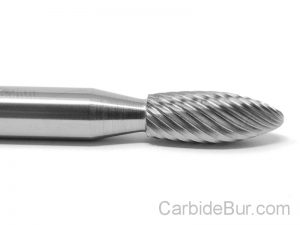
Tree Carbide Burr Overview
Tree carbide burrs bring their own advantages to metalworking. Their distinct shape offers different benefits.
Unique Features of Tree Burrs
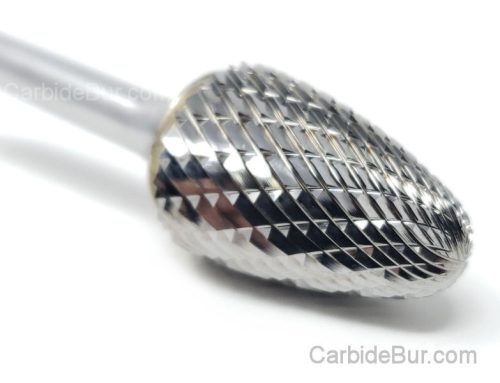
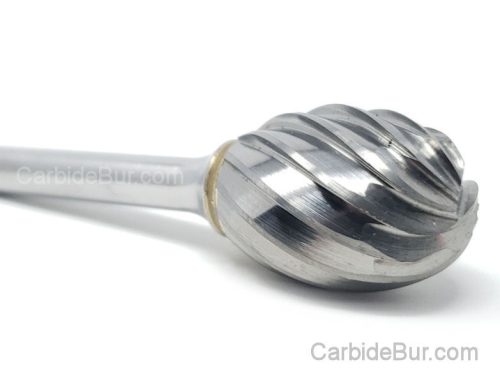
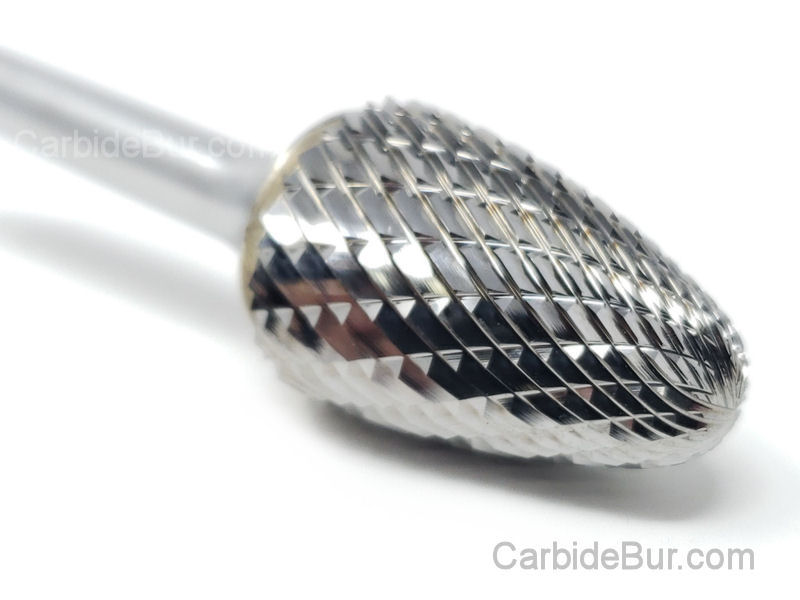
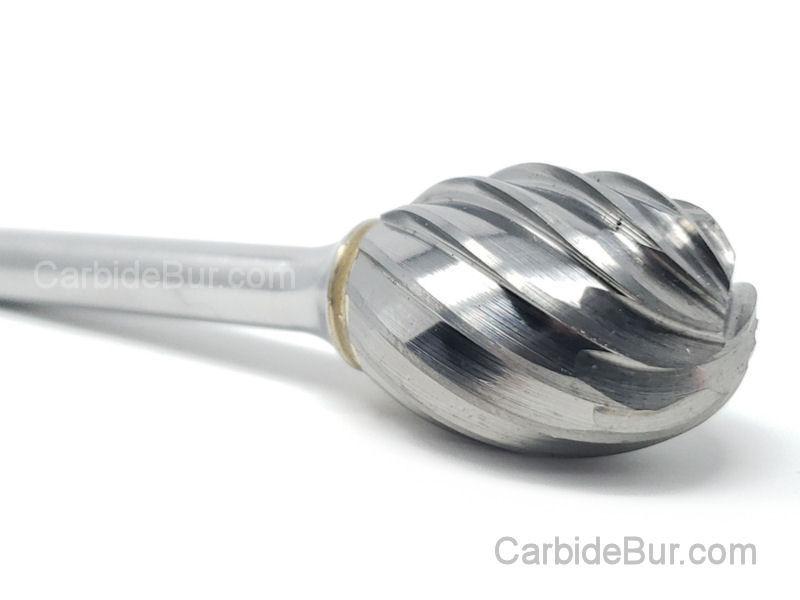
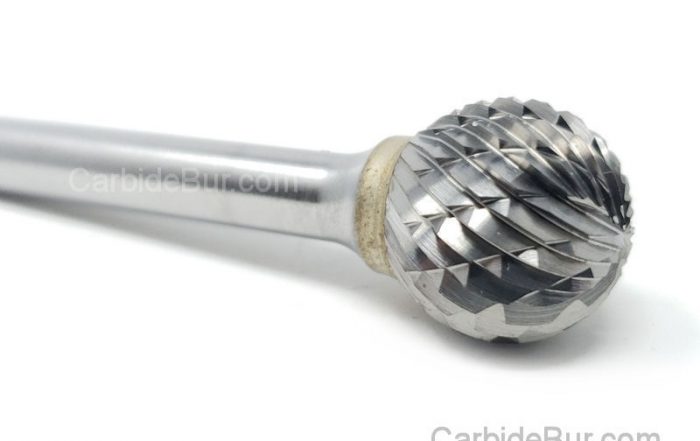
Tree burrs have a rounded top with a smooth taper. This shape is good for contouring and blending. They can effortlessly glide along surfaces, making them great for smoothing and shaping.
Ideal Uses for Tree Burrs
Tree burrs are perfect for shaping and smoothing surfaces. They work well on rounded edges and contours. If you’re looking for a burr that can blend and finish with ease, this is a good choice. They are versatile, handling multiple tasks effectively.
Pros and Cons of Tree Burrs
Tree burrs are excellent for smooth finishes and shaping. Their rounded shape is ideal for blending. However, they might not reach tiny, tight spaces as effectively as flame burrs. Consider your project’s needs to determine the best fit.
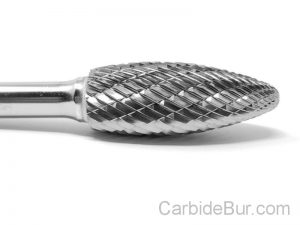
Direct Comparison: Flame vs Tree
Comparing flame and tree burrs helps you choose the right tool. Each has strengths in specific areas.
Performance in Deburring Techniques
Flame burrs excel in detailed deburring tasks. They reach tight spots easily, making them suitable for fine work. Tree burrs, however, offer smooth deburring on larger surfaces. Choose based on the level of detail you need.
Effectiveness in Shaping Tools
Tree burrs are great for shaping and contouring. Their rounded design allows for smooth transitions. Flame burrs provide precision in shaping, especially in confined areas. Your task’s nature will guide your choice.
Efficiency in Finishing Techniques
For finishing, tree burrs offer a smooth, polished look. They work efficiently on rounded surfaces. Flame burrs can also finish well but excel in intricate details. Consider your desired finish when selecting.
Selecting the Right Burr
Choosing the right carbide burr involves several considerations. Material type and project specifics can guide your decision.
Factors to Consider in Material Type
Different materials need different burr types. Harder materials may require more durable burrs. Both flame and tree burrs can handle various materials, but consider the demands of your specific metalworking task.
Project-Specific Requirements
Your project will dictate the best burr choice. If you need precision, flame burrs are ideal. For shaping and smoothing, tree burrs are better. Assess your project’s needs to make an informed decision.
Tips for Optimal Performance
To get the best results, select the right burr for your task. Regularly check burr condition and replace worn tools. Proper technique is crucial: apply the right pressure and speed for the best finish. For more tips, explore this resource.
Frequently Asked Questions
What are carbide burrs used for?
Carbide burrs are used to cut, shape, and finish metal. They are vital in deburring and creating intricate designs.
How do flame and tree carbide burrs differ?
Flame burrs are tapered and good for detailed work. Tree burrs have a rounded shape, ideal for smoothing and shaping.
Which burr is better for finishing tasks?
Tree burrs are typically better for finishing due to their smooth blending capabilities. Flame burrs excel in detailed finishes.
Can both burr types work on all metals?
Yes, both burrs can work on various metals. Choose based on your project’s detail requirements and material hardness.
What should I consider when choosing a carbide burr?
Consider the material type and specific project requirements. Decide based on the level of detail and finishing needed.
Looking for Carbide Bur Tools?
Check out our entire selection of USA made carbide bur die grinder tool bits
Follow us on Twitter

Return to CarbideBur.com
Carbide Burs – 1/4″ on 1/8″ Shanks – Accessories – Aluminum Cut – Bur Sets – End Mills – Long Shank – Solid Burs
Carbide Burrs for Removing Rust: What Works Best?
Carbide Burrs for Removing Rust: What Works Best? Rust can turn your favorite tools into useless junk faster than you expect. Removing it without ruining the metal underneath takes more than just elbow grease—it demands [...]
How Much Pressure Should You Use With a Carbide Burr?
How Much Pressure Should You Use With a Carbide Burr? Most people think pressing harder with a carbide burr speeds up the job. That’s not true—too much pressure wears out your tool and ruins the [...]
Can You Use Carbide Burrs With an Air Die Grinder?
Can You Use Carbide Burrs With an Air Die Grinder? Most people don’t realize how well carbide burrs work with air die grinders until they try them. If you’ve ever struggled with finding the right [...]
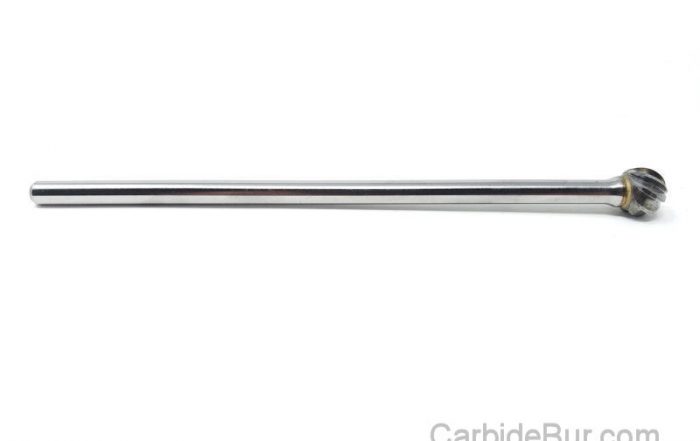
Best Long Reach Carbide Burr for Deep Metal Work
Best Long Reach Carbide Burr for Deep Metal Work Long reach carbide burrs often promise deep metal access, but many fall short where it counts most. You need a tool that cuts cleanly, lasts through [...]
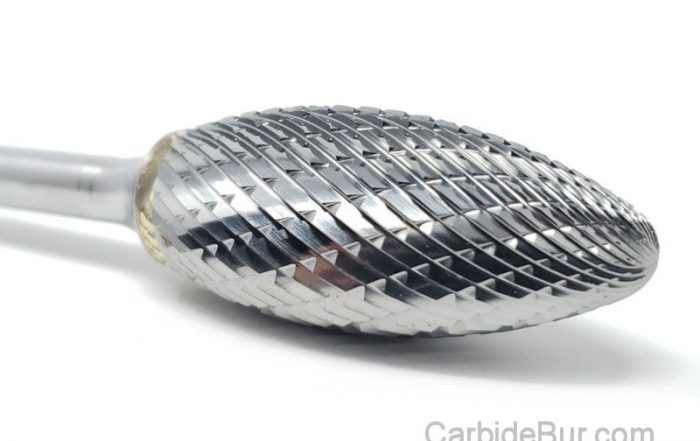
What RPM Should You Use for a 1/8 Inch Carbide Burr?
What RPM Should You Use for a 1/8 Inch Carbide Burr? Most people guess the right carbide burr RPM by feel—and waste hours redoing work. If you want cleaner cuts and longer tool life, your [...]
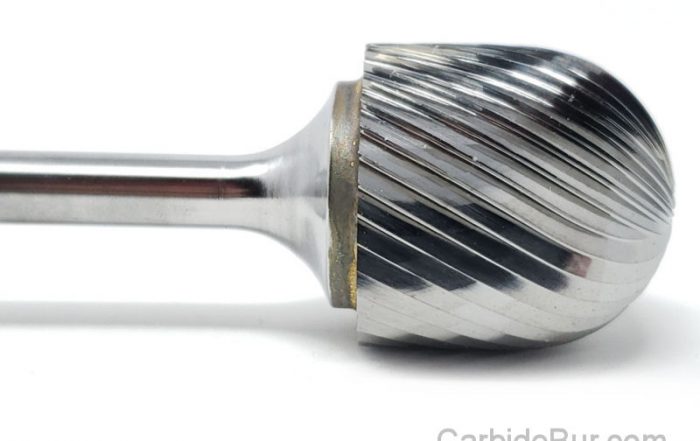
Carbide Burrs for Tight Spaces: Choosing the Right Shape
Carbide Burrs for Tight Spaces: Choosing the Right Shape Tackling tight spaces with the wrong carbide burrs wastes time and risks damaging your work. Choosing the right burr shape makes all the difference when working [...]
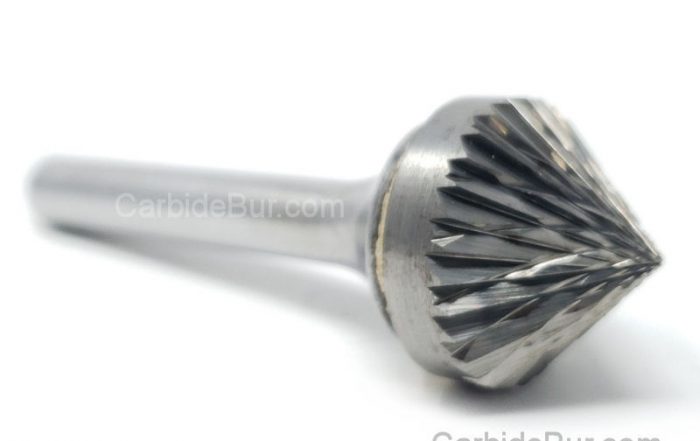
Can Carbide Burrs Remove Paint From Metal?
Can Carbide Burrs Remove Paint From Metal? Stripping paint from metal often feels like a tough chore that risks damaging the surface underneath. Many turn to carbide burrs hoping they can speed things up without [...]
How to Grind a Groove in Metal With a Carbide Burr
How to Grind a Groove in Metal With a Carbide Burr Most metalworkers struggle to cut clean grooves without wasting time or ruining their workpiece. Many try different metalworking tools but end up with uneven [...]
Can Carbide Burrs Cut Through Welds?
Can Carbide Burrs Cut Through Welds? Cutting through welds can feel like a battle, especially when you need clean results without harming the base metal. Carbide burrs offer a sharp edge in this fight, but [...]
How to Use a Carbide Burr With a Die Grinder
How to Use a Carbide Burr With a Die Grinder Most people treat a carbide burr like just another tool, but using it with a die grinder takes skill. If you’ve struggled with burr installation [...]
1/8 vs 1/4 Inch Carbide Burrs: What’s the Difference?
1/8 vs 1/4 Inch Carbide Burrs: What's the Difference? Choosing between a 1/8 inch carbide burr and a 1/4 inch carbide burr can change how your project turns out. Many machinists and hobbyists overlook how [...]
Best Carbide Burr for Removing Flash From Castings
Best Carbide Burr for Removing Flash From Castings Removing flash from castings is a task that can slow down your entire metalworking process if you don’t have the right tools. Picking the best carbide burr [...]