
A Closer Look at Bur Design Trends: Empowering Engineers with the Latest in Carbide Technology
In the rapidly evolving world of machining, staying ahead of the curve in carbide bur technology is crucial for engineers and manufacturers seeking to enhance their operations. As the demand for precision and efficiency grows, understanding the latest porting innovations becomes vital. Recent advancements in bur design trends are reshaping the landscape, offering enhanced performance and durability for various applications. This post will explore these emerging advancements and their direct impact on the machining tools that drive industries forward. By leveraging these insights, professionals can empower their processes and remain competitive in an ever-changing market.
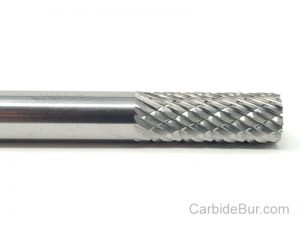
Check out all our USA made carbide bur cutting tools here
Understanding Carbide Bur Technology
Carbide bur technology is foundational in modern machining. These tools are designed to carve, shape, and grind materials with precision. Understanding their key features and benefits is essential for professionals in the field.
Key Features of Carbide Burs
Carbide burs are crafted from tungsten carbide, a material known for its hardness and resistance to heat. This makes them ideal for heavy-duty machining tasks. The design of the bur, including its flute geometry and cutting edge, plays a crucial role in its performance.
The fluting of a carbide bur determines how material is removed and affects the smoothness of the finish. Different designs are optimized for various materials and tasks, offering versatility across applications.
Durability is another key feature. Carbide burs maintain their sharpness much longer than other types of burs, reducing the frequency of tool changes and increasing productivity.
These burs can operate at high speeds, which enhances their cutting efficiency. The combination of speed and precision makes them indispensable in machining.
Benefits for Machining Tools
Carbide burs offer several benefits that improve machining tools. They enhance operational efficiency and precision, making them invaluable in high-demand environments.
Precision is a significant advantage. Carbide burs allow for intricate work on hard materials without sacrificing accuracy, essential in industries requiring tight tolerances.
Reduced wear and tear on machinery is another benefit. Because these burs stay sharp longer, machines experience less stress, potentially extending their lifespan.
Increased productivity stems from fewer tool changes and faster machining speeds. This efficiency translates into cost savings and higher output.
Finally, carbide burs provide a consistent finish, which is crucial in applications where surface quality matters. This reliability makes them a preferred choice in many sectors.
Porting Innovations in Design
In the realm of carbide burs, design innovations are constantly emerging. These changes are not merely aesthetic; they streamline processes and enhance precision in engineering applications.
Streamlining Processes
Streamlining processes with carbide burs involves optimizing design for better performance. Engineers focus on features that enhance material removal rates while maintaining tool integrity.
-
Enhanced flute geometry allows for smoother material ejection, reducing clogging and downtime.
-
Optimized cutting angles improve cutting efficiency, allowing for faster work without sacrificing quality.
-
Lighter tool designs reduce operator fatigue, improving overall productivity.
Case studies in industries like aerospace demonstrate these improvements. Enhanced designs lead to faster production times and reduced operational costs.
Enhancing Precision in Engineering
Precision is paramount in engineering. Carbide burs contribute significantly by allowing for detailed and accurate material shaping.
The precision of carbide burs is achieved through meticulous design. The geometry of the cutting edges ensures minimal deviation from intended designs.
Real-world examples include their use in medical device manufacturing, where minute details are critical. Carbide burs enable the creation of components with exact specifications.
-
Consistent performance ensures uniformity across batches.
-
Advanced coatings can further improve precision by reducing friction and wear.
-
High-speed capabilities mean more work can be accomplished in less time without loss of accuracy.
Studies have shown that these features reduce errors and rework, saving time and resources.
Emerging Advancements in Carbide Burs
The field of carbide burs is witnessing several emerging advancements. These include new materials and coatings, as well as improvements in durability and efficiency.
New Materials and Coatings
New materials in carbide burs aim to enhance tool performance. Innovations focus on materials that are tougher and more heat-resistant.
-
Tungsten carbide remains a staple, but alloys and composites are being explored for added benefits.
-
Coatings such as titanium nitride or diamond-like carbon improve wear resistance and reduce friction.
Research and development in this area are driven by the need for longer-lasting tools that maintain their cutting edge in extreme conditions. According to Future Market Insights, the demand for advanced materials is set to grow, reflecting their importance in maintaining competitive manufacturing processes.
Improved Durability and Efficiency
Durability and efficiency improvements in carbide burs translate to better performance and longer tool life.
-
Advanced manufacturing techniques have led to more robust burs that can withstand high-pressure environments.
-
Improved bonding methods enhance the integrity of the cutting edges, ensuring they remain sharp over prolonged use.
-
Innovations in tool design also contribute to improved durability, addressing common wear issues.
Real-world applications highlight these improvements. In sectors like automotive manufacturing, where high volumes of parts are produced, the longevity of carbide burs reduces costs and increases operational uptime.
Impact on Machining Tools
Emerging advancements in carbide burs significantly impact machining tools. They lead to improvements in milling techniques and help reduce downtime with new designs.
Advancements in Milling Techniques
Advancements in milling involve the integration of carbide burs into modern milling practices. These burs allow for more precise and efficient material removal.
-
High-speed milling with carbide burs increases throughput and reduces cycle times.
-
Complex geometries are easily achieved with advanced bur designs, expanding the range of possible applications.
Case studies from industries such as mold making show how these advancements lead to better surface finishes and reduced production times.
Innovations in CNC technology further enhance the capabilities of carbide burs, allowing for automated processes that increase efficiency and accuracy.
Reducing Downtime with New Designs
Reducing downtime is a priority for any manufacturing process. New carbide bur designs help achieve this goal.
-
Quick-change systems allow for faster tool swaps, minimizing machine stoppages.
-
Longer-lasting burs mean less frequent replacements, keeping operations running smoothly.
-
Enhanced durability reduces the incidence of tool failure, further decreasing downtime.
Real-world implementations in heavy industries demonstrate significant reductions in operational interruptions. Companies report higher productivity levels due to the increased reliability of these new designs.
Carbide Bur technologies play a pivotal role in setting new machining standards, leading to more consistent and reliable production processes.
Future Bur Design Trends
Looking ahead, future bur design trends focus on predicting industry shifts and preparing for upcoming technological changes. These trends will shape the next generation of machining tools.
Predicting Industry Shifts
Predicting industry shifts involves understanding market demands and technological advancements. Future trends in carbide burs will likely address the need for:
-
Greater versatility to handle a wider range of materials and applications.
-
Enhanced precision to meet the demands of emerging technologies.
Studies indicate that as industries adopt new manufacturing processes, the need for innovative bur designs will grow. This requires a proactive approach to research and development to stay ahead of the curve.
Insights from industry leaders, like Carbide Burr, suggest that adaptability will be key in maintaining competitiveness.
Preparing for Technological Changes
Preparing for technological changes requires foresight and flexibility. As new technologies emerge, carbide bur designs must evolve to meet these demands.
-
Integration with digital tools such as AI and machine learning will enhance manufacturing processes.
-
Automation will continue to rise, necessitating burs that are compatible with smart manufacturing systems.
Actionable advice for professionals includes:
-
Staying informed about emerging technologies.
-
Investing in adaptable tools that can meet future needs.
By embracing these changes, manufacturers can ensure they remain at the forefront of their industries, leveraging the latest in carbide bur technology to maintain operational excellence.
Check out all our USA made carbide bur cutting tools here
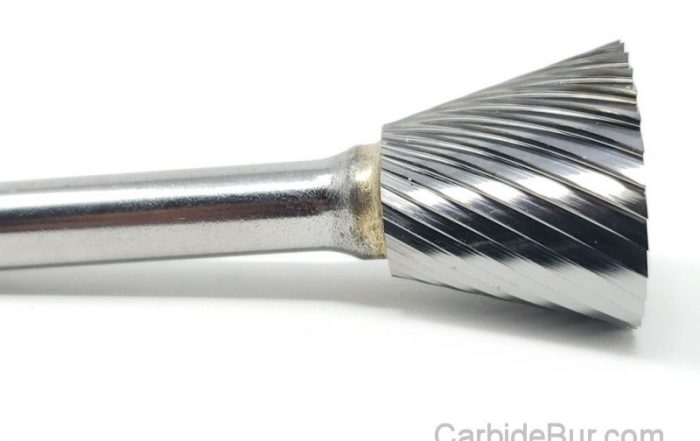
1/8 vs 1/4 Inch Carbide Burrs: What’s the Difference?
1/8 vs 1/4 Inch Carbide Burrs: What's the Difference? Choosing between a 1/8 inch carbide burr and a 1/4 inch carbide burr can change how your project turns out. Many machinists and hobbyists overlook how [...]
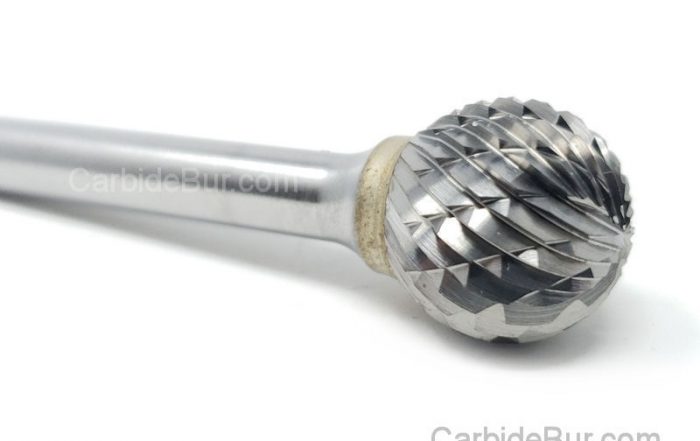
Best Carbide Burr for Removing Flash From Castings
Best Carbide Burr for Removing Flash From Castings Removing flash from castings is a task that can slow down your entire metalworking process if you don’t have the right tools. Picking the best carbide burr [...]
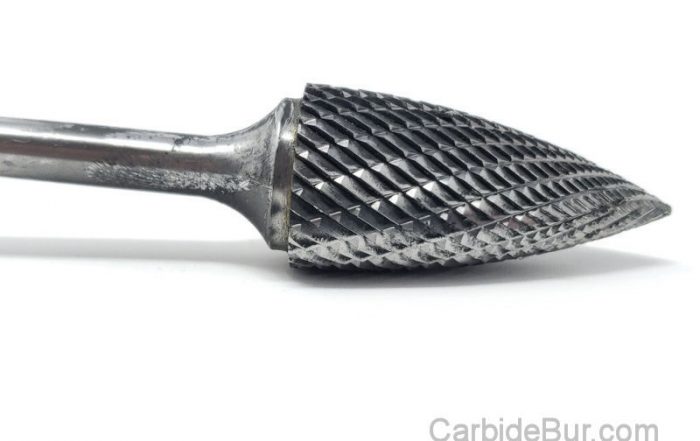
What RPM Should You Use for a 1/4 Inch Carbide Burr?
What RPM Should You Use for a 1/4 Inch Carbide Burr? Most machinists guess the right speed for a 1/4 inch carbide burr and hope for the best. Using the wrong carbide burr RPM can [...]
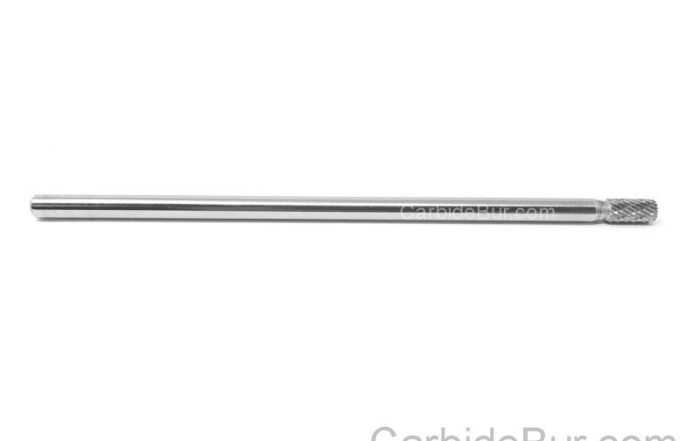
Long Shank Carbide Burrs: When Do You Need One?
Long Shank Carbide Burrs: When Do You Need One? Most machinists overlook the power of long shank carbide burrs until a project demands precision in tight spaces. When your usual tools can’t reach intricate contours, [...]
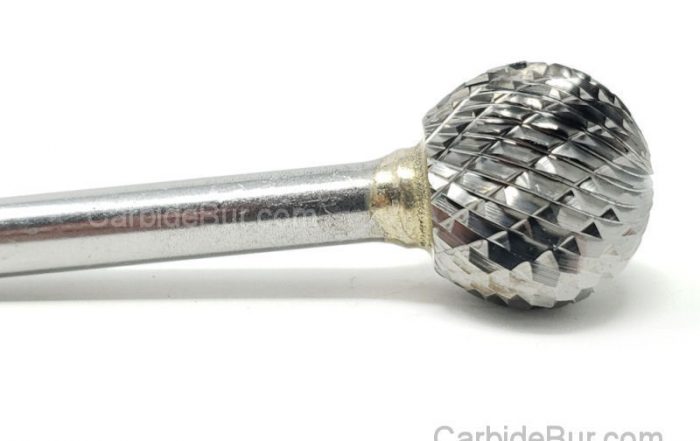
How Deep Can a Carbide Burr Cut Metal?
How Deep Can a Carbide Burr Cut Metal? Carbide burrs often get praised for their precision, but many users hit a wall wondering how deep they can actually cut metal. The truth is, cutting depth [...]
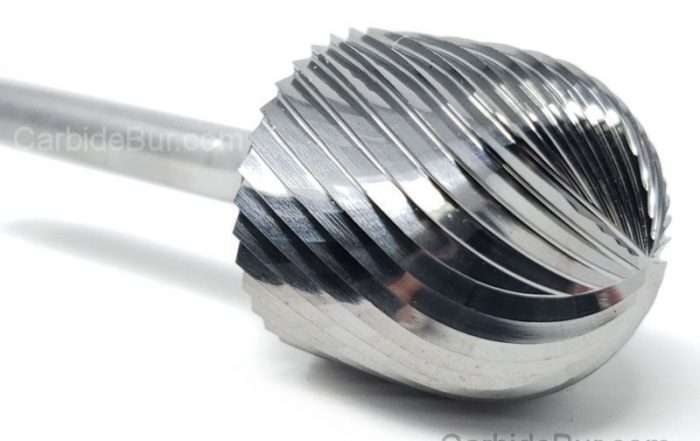
How to Use Carbide Burrs for Port Matching
How to Use Carbide Burrs for Port Matching Most engine builds hit a wall when airflow doesn’t flow smoothly between the ports and manifolds. If your engine isn’t breathing right, your performance stalls. Using the [...]
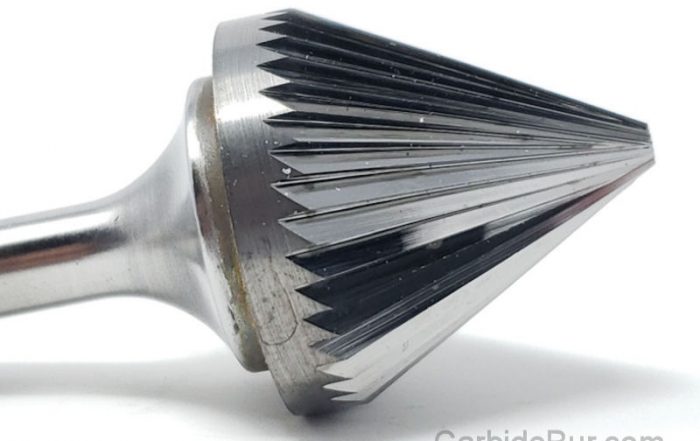
Best Carbide Burr for Porting Intake Manifolds
Best Carbide Burr for Porting Intake Manifolds Porting intake manifolds can make or break your engine’s airflow, yet many struggle with the right tools for the job. Choosing the best carbide burrs is key to [...]
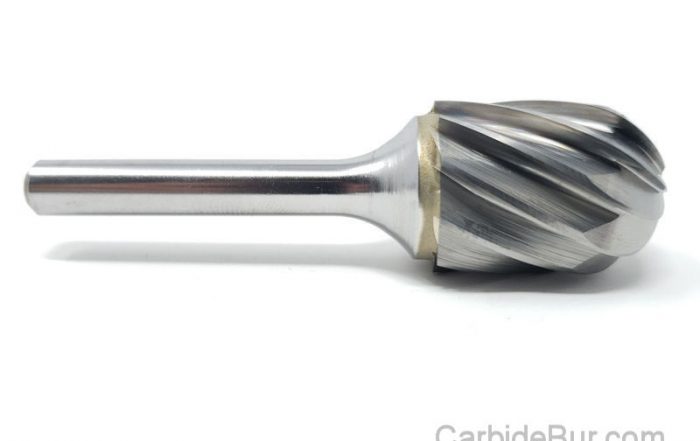
Best Carbide Burr for Concave Surfaces
Best Carbide Burr for Concave Surfaces Concave surfaces can turn a straightforward project into a frustrating challenge if you don’t have the right tool. Carbide burrs designed for these tricky curves make all the difference [...]
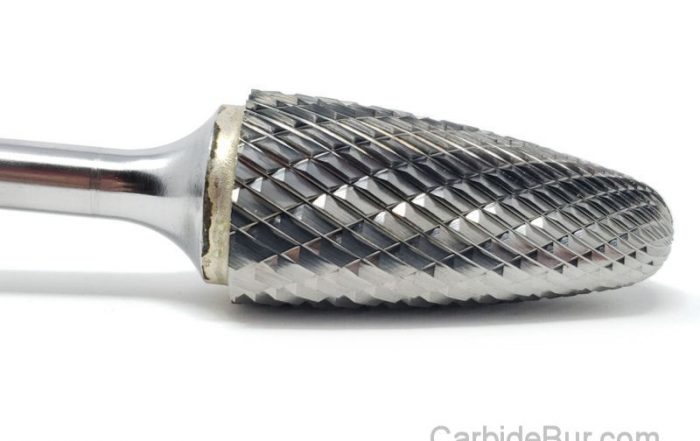
How to Grind a Slot in Metal With a Carbide Burr
How to Grind a Slot in Metal With a Carbide Burr Grinding a precise slot in metal can feel like a tricky task, especially if you’re unsure which tools to trust. Carbide burr grinding offers [...]

Best Carbide Burr for Inside Corners
Best Carbide Burr for Inside Corners Working in tight inside corners can turn even simple projects into frustrating tasks. Many carbide burrs just don’t fit or cut cleanly where you need them most. The best [...]
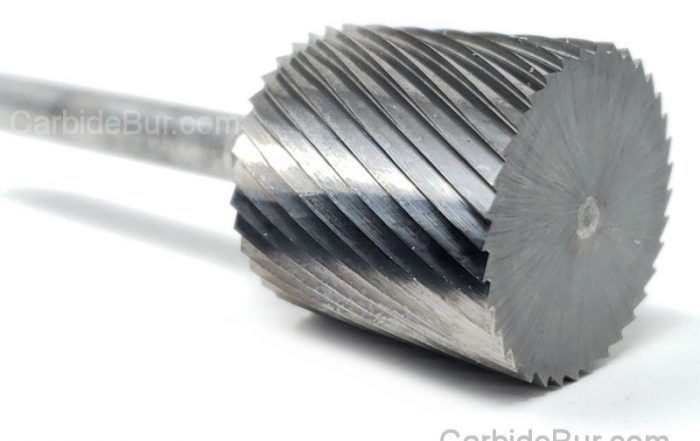
What Size Carbide Burr Do I Need?
What Size Carbide Burr Do I Need? Picking the wrong carbide burr can turn a simple project into a frustrating mess. You might have the best machining tools but still miss the mark if your [...]
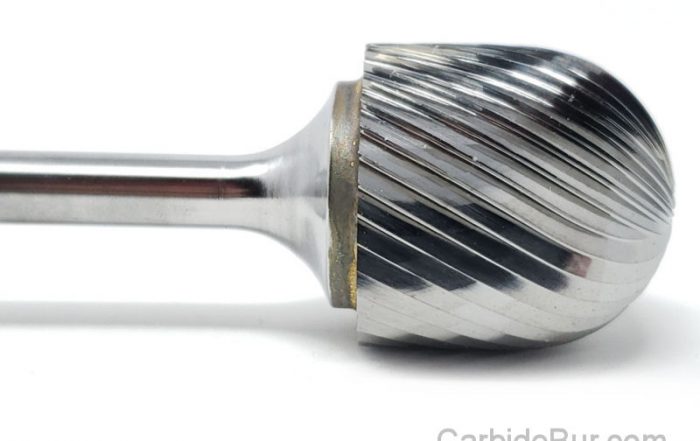
How to Smooth Sharp Metal Edges With a Carbide Burr
How to Smooth Sharp Metal Edges With a Carbide Burr Sharp metal edges can turn your project from professional to risky in seconds. If you’ve struggled with smoothing metal edges without scratching or weakening the [...]
