
Weld Finishing Tools That Care: Discover the Safety Benefits of Carbide Burs
In the world of welding, safety is always a top priority, and the tools we choose play a crucial role in ensuring a secure environment. Carbide burs are at the forefront of weld finishing tools, offering an impressive edge in enhancing welder safety. These little powerhouses significantly reduce sparks and heat, making the welding process not only safer but also more efficient. As we explore the benefits of using carbide burs, we’ll uncover how these tools can make a significant difference in the way welders approach their craft. From cutting down on heat to reducing the risk of accidents, these burs are truly a game-changer in the realm of welding equipment.
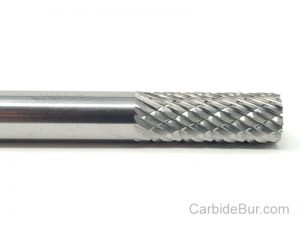
Check out all our USA made carbide bur cutting tools here
Understanding Carbide Burs
Carbide burs are essential in the welding industry, known for their durability and precision. This section delves into what makes these tools unique and how they compare to traditional options.
What Are Carbide Burs?
Carbide burs are rotary tools made from tungsten carbide, a material much harder than steel. This hardness allows them to cut through various materials with ease. Used primarily for shaping, grinding, and material removal, carbide burs are integral in many industrial applications.
They come in different shapes and sizes, each designed for specific tasks. For instance, cylindrical burs are ideal for flat surfaces, while conical burs work well in confined spaces.
Their versatility extends beyond welding, making them valuable across numerous fields. Compared to traditional bits, carbide burs provide greater precision and longevity, reducing the need for frequent replacements.
For more detailed insights into carbide burs, visit this guide.
Benefits Over Traditional Tools
Carbide burs offer several advantages over traditional tools, making them a preferred choice in many industries.
-
Durability: Made from tungsten carbide, these burs last longer, reducing costs over time.
-
Precision: Their design allows for more accurate cuts, minimizing errors in weld finishing.
-
Versatility: Suitable for a variety of materials, they can be used in different applications.
The table below highlights key differences:
|
Feature |
Carbide Burs |
Traditional Tools |
|---|---|---|
|
Material |
Tungsten Carbide |
Steel |
|
Longevity |
High |
Moderate |
|
Precision |
Excellent |
Adequate |
These benefits make carbide burs an essential component in modern welding equipment. Learn more about their uses here.
Key Features of Carbide Burs
Carbide burs stand out due to their unique features, which include:
-
Hardness: Capable of cutting even the toughest materials.
-
Variety: Available in assorted shapes and sizes for diverse applications.
-
Efficiency: Cuts faster than most traditional tools, saving time.
These features make them highly efficient and desirable for weld finishing. Their use is not limited to welding; they also find applications in dentistry and crafts.
For more on the features and applications of carbide burs, see this resource.
Check out all our USA made carbide bur cutting tools here
Enhancing Safety in Weld Finishing
Safety is paramount in welding processes. Carbide burs play a significant role in enhancing safety by minimizing risks associated with sparks and heat.
Reduce Sparks with Carbide Burs
Reducing sparks during welding is crucial for safety. Carbide burs help achieve this by minimizing material friction.
-
Material Composition: The tungsten carbide material inherently reduces sparking.
-
Precision Cuts: Allows for cleaner cuts, which generates fewer sparks.
Using carbide burs not only improves safety but also enhances the quality of the weld. This reduction in sparks is especially important in environments prone to fire hazards.
For additional insights, explore carbide burs at this link.
Heat Reduction Techniques
Heat reduction is another critical safety aspect in welding. Carbide burs contribute to this by dispersing heat more effectively.
-
Efficient Cutting: Faster cuts mean less heat buildup.
-
Material Properties: Tungsten carbide dissipates heat better than steel.
-
Design Efficiency: Various shapes allow for optimized heat distribution.
These techniques not only protect the welder but also extend the life of the equipment. For more information, visit here.
Importance of Welder Safety
Welder safety is of utmost importance, and using the right tools is a key component. Carbide burs contribute by:
-
Reducing risks of burns from excessive heat.
-
Minimizing exposure to harmful sparks.
-
Improving overall working conditions.
These benefits highlight the importance of choosing the right tools to ensure safety and efficiency. Proper training and equipment can significantly reduce accidents in welding environments.
For more on safety in welding, explore this guide.
Choosing the Right Finishing Tools
Selecting the right finishing tools is crucial for achieving the desired results in weld finishing. Here, we explore the factors to consider and compare different equipment options.
Factors to Consider
When choosing finishing tools, several factors come into play:
-
Material Compatibility: Ensure the tool can handle the specific materials you’re working with.
-
Tool Durability: Opt for tools that offer a longer lifespan to reduce costs.
-
Precision Needs: Consider the level of precision required for your project.
Understanding these factors can help in selecting tools that enhance both safety and efficiency. Visit this site for more guidance.
Comparing Welding Equipment Options
Comparing welding equipment is essential to find the right match for your needs. Here’s a brief comparison:
|
Equipment Type |
Pros |
Cons |
|---|---|---|
|
Carbide Burs |
Durable, precise, versatile |
Higher upfront cost |
|
Traditional Bits |
Lower cost initially |
Less durable, less precise |
Choosing between these options depends on your specific requirements and budget. Carbide burs often offer better long-term value. For more insights, see this resource.
Maintaining Your Carbide Burs
Proper maintenance of carbide burs ensures longevity and performance:
-
Regular Cleaning: Remove debris after each use to prevent build-up.
-
Proper Storage: Store in a dry place to avoid rust.
-
Periodic Inspection: Check for wear and tear regularly.
These practices not only extend the life of the tools but also maintain their effectiveness in weld finishing. For more maintenance tips, visit this guide.
Best Practices for Safe Welding
Implementing best practices is essential for maintaining a safe welding environment. This section covers tool handling, personal protective equipment, and essential safety guidelines.
Proper Tool Handling
Handling tools properly is vital to ensure safety during welding:
-
Hold Firmly: Maintain a steady grip to prevent accidental slips.
-
Use Correct Tools: Always use the appropriate tool for the task.
-
Follow Instructions: Adhere to the manufacturer’s guidelines.
Proper handling reduces the risk of accidents and enhances tool performance. For more detailed guidance, see this resource.
Personal Protective Equipment
Wearing the right personal protective equipment (PPE) is non-negotiable:
-
Gloves: Protect hands from heat and sparks.
-
Helmet: Shield eyes and face from UV light and debris.
-
Apron: Safeguard clothing and skin from splatter.
Using PPE is a simple yet effective way to mitigate risks in welding. For more on PPE, visit here.
Safety Guidelines to Follow
Adhering to safety guidelines ensures a secure working environment:
-
Regular Training: Stay updated with the latest safety protocols.
-
Inspect Equipment: Regularly check tools and machinery for defects.
-
Emergency Preparedness: Know the location of safety equipment and emergency exits.
Following these guidelines helps prevent accidents and creates a safer workspace. For more on safety practices, explore this guide.
The Role of Carbide Burs in Modern Welding
Carbide burs have transformed modern welding practices, impacting efficiency and safety. This section explores their influence and future potential.
Impact on Welding Efficiency
The efficiency of welding processes has improved significantly with carbide burs:
-
Faster Operations: Their cutting speed reduces time on task.
-
Better Quality: Precision cuts enhance the final product.
-
Reduced Downtime: Longer-lasting tools mean fewer interruptions.
These improvements lead to cost savings and higher-quality results. For more on their impact, see this resource.
Future of Weld Finishing Tools
The future of weld finishing tools looks promising with advancements in carbide burs:
-
Innovative Designs: New shapes and sizes for better performance.
-
Improved Materials: Even harder and more durable compounds.
-
Advanced Technology: Integration with smart tools for enhanced efficiency.
These trends indicate a shift towards more sophisticated welding equipment. For insights into future developments, visit here.
Empowering Welders with Safety
Carbide burs play a crucial role in empowering welders by enhancing safety:
-
Minimized Risks: Reduced sparks and heat lower accident likelihood.
-
Increased Confidence: Reliable tools boost welder assurance.
-
Better Work Environment: Safer conditions lead to improved morale.
By prioritizing safety, carbide burs help create a more productive and secure workspace. For more on how they empower welders, explore this guide.
Check out all our USA made carbide bur cutting tools here
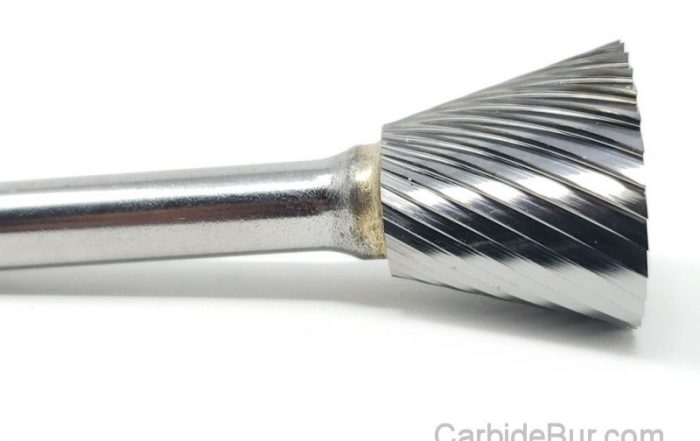
1/8 vs 1/4 Inch Carbide Burrs: What’s the Difference?
1/8 vs 1/4 Inch Carbide Burrs: What's the Difference? Choosing between a 1/8 inch carbide burr and a 1/4 inch carbide burr can change how your project turns out. Many machinists and hobbyists overlook how [...]

Best Carbide Burr for Removing Flash From Castings
Best Carbide Burr for Removing Flash From Castings Removing flash from castings is a task that can slow down your entire metalworking process if you don’t have the right tools. Picking the best carbide burr [...]
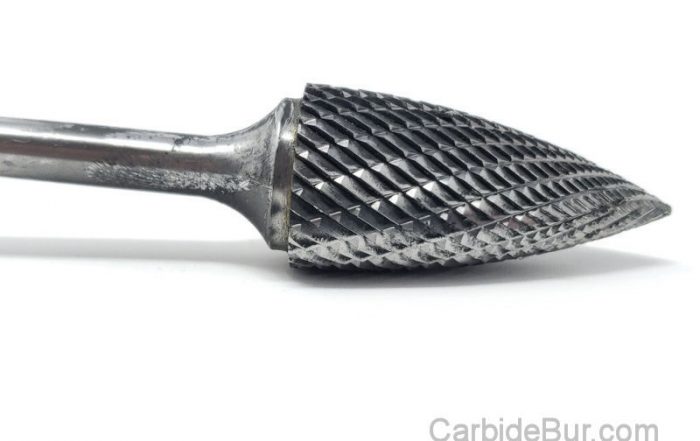
What RPM Should You Use for a 1/4 Inch Carbide Burr?
What RPM Should You Use for a 1/4 Inch Carbide Burr? Most machinists guess the right speed for a 1/4 inch carbide burr and hope for the best. Using the wrong carbide burr RPM can [...]
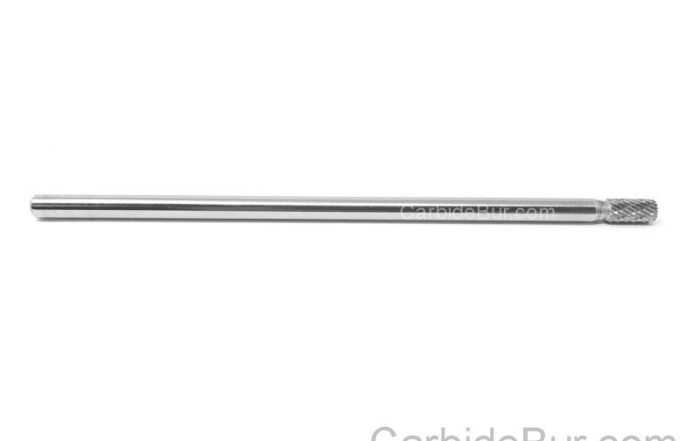
Long Shank Carbide Burrs: When Do You Need One?
Long Shank Carbide Burrs: When Do You Need One? Most machinists overlook the power of long shank carbide burrs until a project demands precision in tight spaces. When your usual tools can’t reach intricate contours, [...]
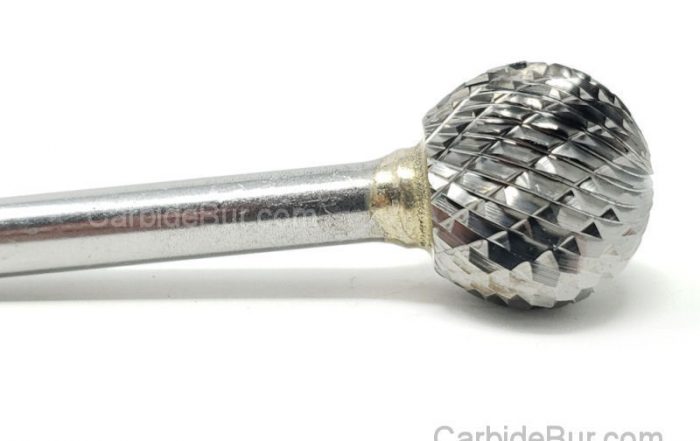
How Deep Can a Carbide Burr Cut Metal?
How Deep Can a Carbide Burr Cut Metal? Carbide burrs often get praised for their precision, but many users hit a wall wondering how deep they can actually cut metal. The truth is, cutting depth [...]
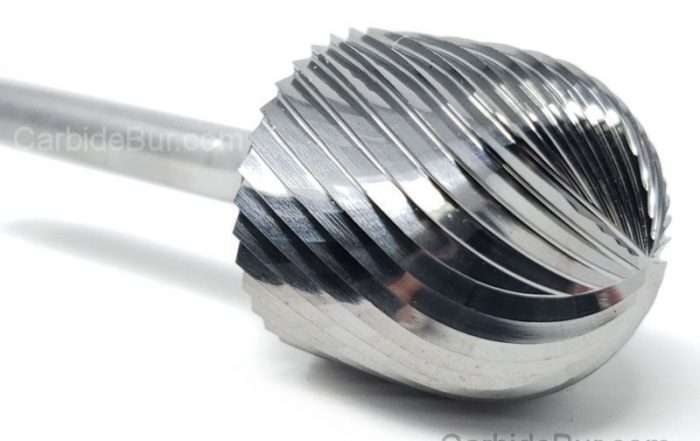
How to Use Carbide Burrs for Port Matching
How to Use Carbide Burrs for Port Matching Most engine builds hit a wall when airflow doesn’t flow smoothly between the ports and manifolds. If your engine isn’t breathing right, your performance stalls. Using the [...]
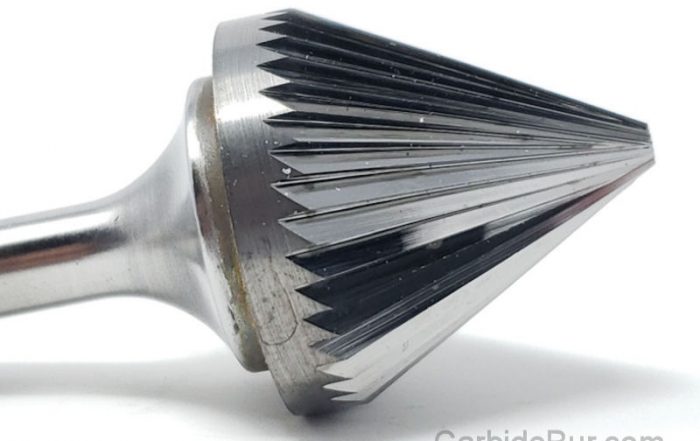
Best Carbide Burr for Porting Intake Manifolds
Best Carbide Burr for Porting Intake Manifolds Porting intake manifolds can make or break your engine’s airflow, yet many struggle with the right tools for the job. Choosing the best carbide burrs is key to [...]
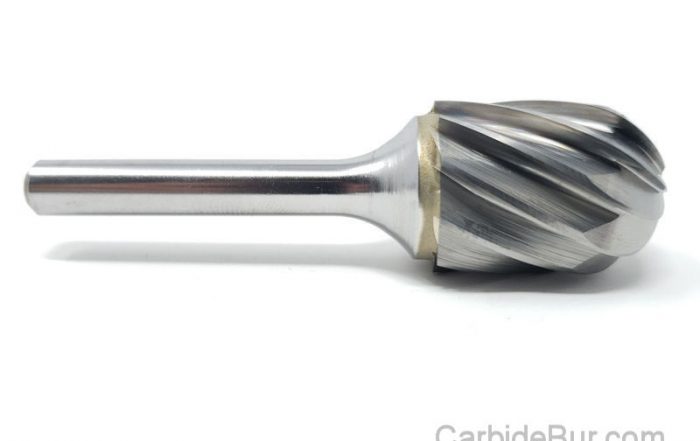
Best Carbide Burr for Concave Surfaces
Best Carbide Burr for Concave Surfaces Concave surfaces can turn a straightforward project into a frustrating challenge if you don’t have the right tool. Carbide burrs designed for these tricky curves make all the difference [...]
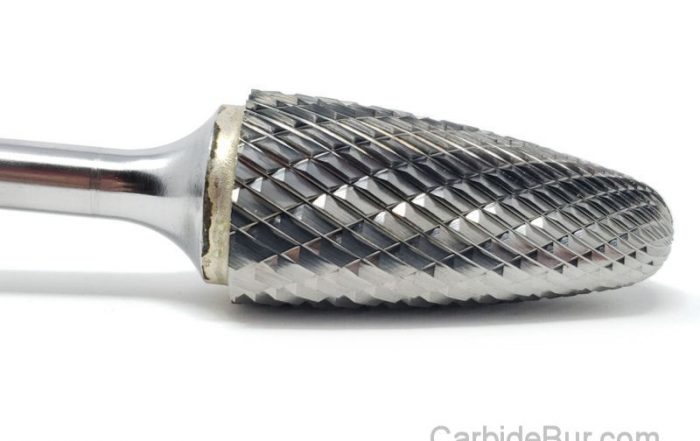
How to Grind a Slot in Metal With a Carbide Burr
How to Grind a Slot in Metal With a Carbide Burr Grinding a precise slot in metal can feel like a tricky task, especially if you’re unsure which tools to trust. Carbide burr grinding offers [...]

Best Carbide Burr for Inside Corners
Best Carbide Burr for Inside Corners Working in tight inside corners can turn even simple projects into frustrating tasks. Many carbide burrs just don’t fit or cut cleanly where you need them most. The best [...]
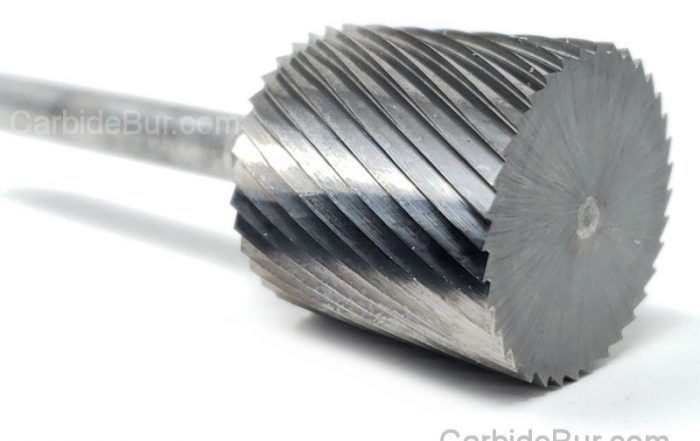
What Size Carbide Burr Do I Need?
What Size Carbide Burr Do I Need? Picking the wrong carbide burr can turn a simple project into a frustrating mess. You might have the best machining tools but still miss the mark if your [...]
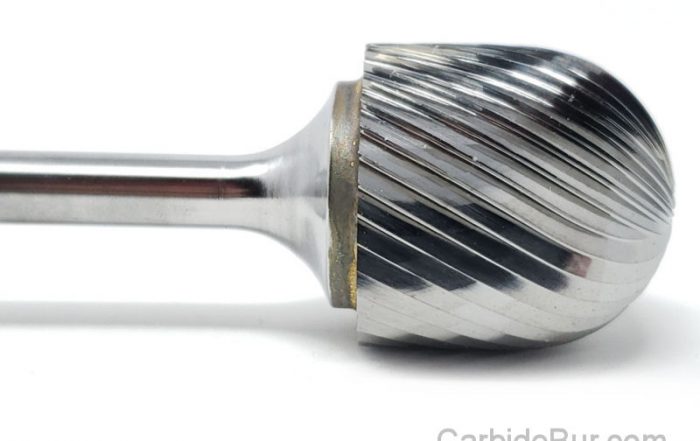
How to Smooth Sharp Metal Edges With a Carbide Burr
How to Smooth Sharp Metal Edges With a Carbide Burr Sharp metal edges can turn your project from professional to risky in seconds. If you’ve struggled with smoothing metal edges without scratching or weakening the [...]
