
Protective Gear Essentials: Enhancing Safety When Working with Carbide Burs
Carbide burs can cut through tooth enamel in seconds, but they also bring risks if not handled with care. Every dental professional knows a small slip or the wrong speed can lead to injury or infection. This guide breaks down dental safety tips, focusing on protective equipment for dentists, handpiece speed control, and infection prevention in dentistry to keep your practice safe and smooth. Learn more about dental safety here.
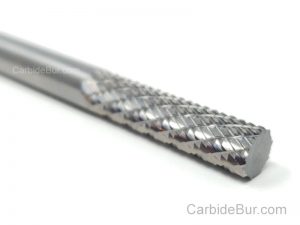
Have you checked out our selection of Carbide Bur Tools?
Essential Protective Equipment
Starting with the right gear sets the stage for safety in your dental practice. Let’s explore the essentials that every dental professional should have.
Must-Have Safety Gear
When you’re working with carbide burs, protection is your first line of defense. Eye protection is vital—choose goggles that shield you from debris and splashes. A face mask keeps harmful particles at bay, ensuring you breathe easy. Don’t forget gloves; they provide a crucial barrier against contamination and injury.
Selecting the right protective gear isn’t just about safety—it’s about confidence. Knowing you’re equipped for any situation lets you focus on delivering the best care for your patients. You’ll find that with the right gear, you’re not just protected but also empowered to perform at your best.
Protective Equipment for Dentists
For dentists, having the right equipment is non-negotiable. A well-fitted gown protects clothing and skin, while head coverings prevent hair from becoming a contamination source. Shoe covers are another smart choice, keeping your floor clean and safe.
Being prepared with the right gear means you’re always ready, no matter what comes your way. This level of readiness is what separates good practices from great ones. By investing in quality protective equipment, you’re investing in peace of mind—for both you and your patients. For more on personal protective equipment, visit this guide.
Enhancing Dental Safety Tips
Safety isn’t just about having the right equipment—it’s about using it correctly. Regularly inspect your gear for wear and tear. Replace any damaged items immediately to ensure maximum protection. Develop a routine for donning and doffing your gear to maintain a sterile environment.
Think about this: most people assume their gear is enough, but the way you use it can make all the difference. By following these dental safety tips, you create a safer workspace for everyone involved. Discover more about PPE practices here.
Handpiece Speed Control
Moving from protective gear to equipment handling, understanding speed control is crucial. It’s not just about precision—it’s about safety and effectiveness.
Importance of Speed Regulation
Speed control is key when working with carbide burs. It ensures precision and reduces the chance of accidents. Balancing speed with control helps you achieve the desired result without compromising safety.
Imagine driving a car at full speed in a crowded area—without control, you’re risking everything. The same applies here. Proper speed regulation minimizes risks and enhances your capability to deliver effective treatment.
Safe Handling Techniques
Safe handling is not just about what you do but how you do it. Always check your handpiece before use. Ensure it’s functioning correctly and that all parts are secure. Practice a steady hand technique to maintain control and precision.
Here’s the key insight: a consistent approach to handling means fewer mistakes. This translates to a safer environment for both you and your patients. It’s a simple step with a significant payoff.
Dental Equipment Safety Measures
Regular maintenance of your dental equipment is essential. Routine checks and timely repairs prevent unexpected failures. Clean and sterilize tools to protect against contamination—follow best practices for sterilization, as outlined here.
Most people think their equipment is ready to go, but without regular checks, surprises can happen. Stay ahead by ensuring your tools are always in top condition.
Infection Prevention in Dentistry
As we move from equipment handling to infection prevention, maintaining hygiene is your next focus. It’s all about creating a safe and sterile environment for every procedure.
Key Infection Control Practices
Effective infection control starts with standard procedures. Use disinfectants that are proven to eliminate harmful germs. Regular hand washing and sanitization between patients should be a non-negotiable rule.
Remember, small habits can lead to big changes. By prioritizing hygiene, you safeguard your practice against potential outbreaks. This proactive approach reassures patients and builds trust in your services.
Maintaining a Sterile Environment
Creating a sterile environment isn’t just about cleanliness—it’s a comprehensive strategy. Use barriers on surfaces to prevent cross-contamination. Dispose of single-use items properly to avoid lingering germs.
Here’s a truth to ponder: while most believe cleaning is enough, maintaining sterility involves a complete system. Consistent practices ensure that your space remains safe for everyone involved.
Effective Protective Strategies
Integrate protective strategies that reinforce your infection control plan. Use technology to track sterilization schedules and maintain a log of procedures to ensure compliance.
Consider this: while many assume they’re covered, consistent application of these strategies makes a tangible difference. It’s about staying vigilant and proactive in your approach to infection prevention.
By following these infection prevention in dentistry tips, you can build a robust safety culture. For more tips and techniques, check out additional resources here.
By integrating these practices, you not only enhance safety but also elevate the quality of care you provide. Remember, the longer you wait to implement these strategies, the more you put at risk. So start today, and ensure a safer tomorrow for your practice and patients alike.
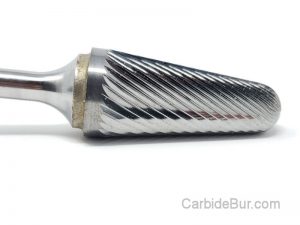
Find more information at CarbideBur.com

Can You Use a Carbide Burr With an Electric Die Grinder?
Can You Use a Carbide Burr With an Electric Die Grinder? Most people don’t realize how much a carbide burr can change the way an electric die grinder works. Using the right burr type can [...]
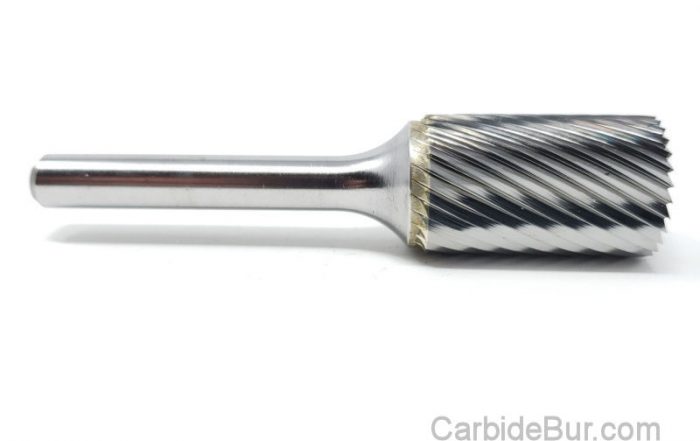
How to Deburr Holes With a Carbide Burr
How to Deburr Holes With a Carbide Burr Most people think any tool will do for deburring holes. The truth is, using the right carbide burr with the correct size and shape changes everything. In [...]
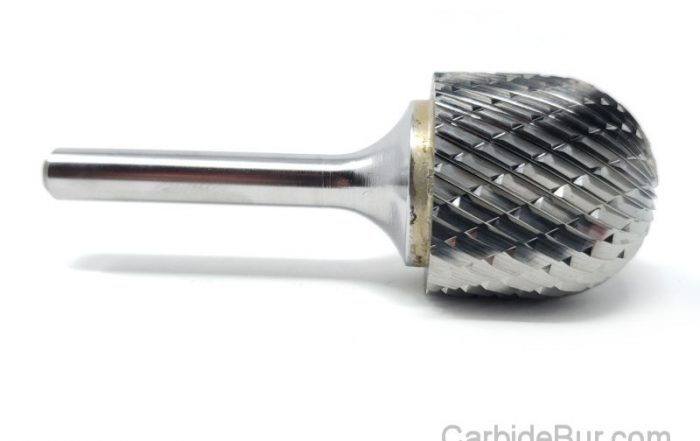
How to Choose the Correct Carbide Burr Shank Size
How to Choose the Correct Carbide Burr Shank Size Many machinists lose hours troubleshooting tool issues caused by the wrong carbide burr shank size. Using a shank that doesn’t fit your grinder can lead to [...]
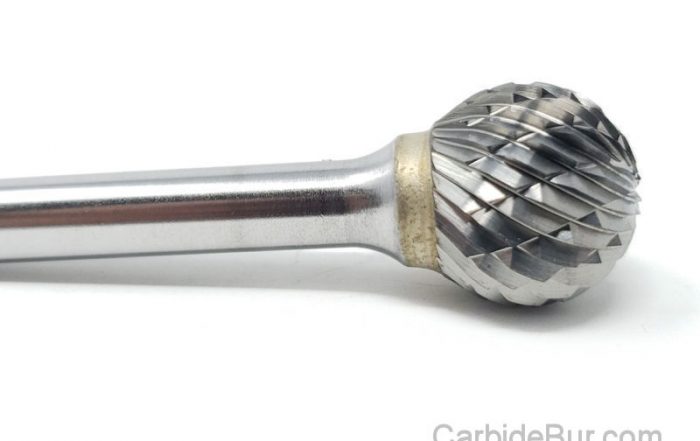
How to Remove Casting Flash With a Carbide Burr
How to Remove Casting Flash With a Carbide Burr Casting flash ruins the look and fit of your metal parts. You’ve tried sanding or grinding, but the results aren’t clean or fast enough. Learning how [...]
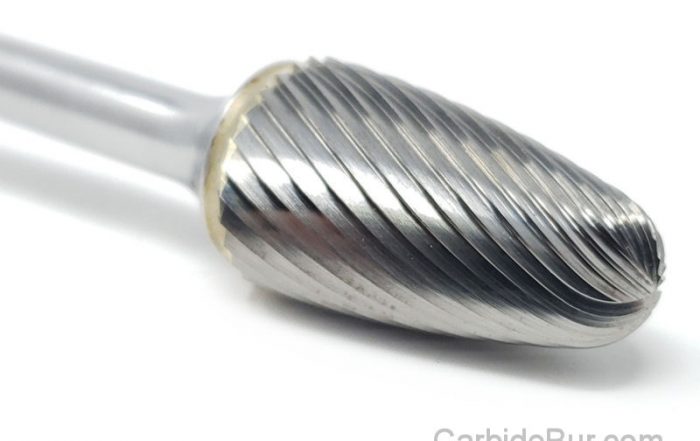
Best Carbide Burr for Enlarging a Hole in Metal
Best Carbide Burr for Enlarging a Hole in Metal When you need to enlarge a hole in metal, grabbing the wrong carbide burr can turn a simple task into a frustrating mess. Picking the best [...]
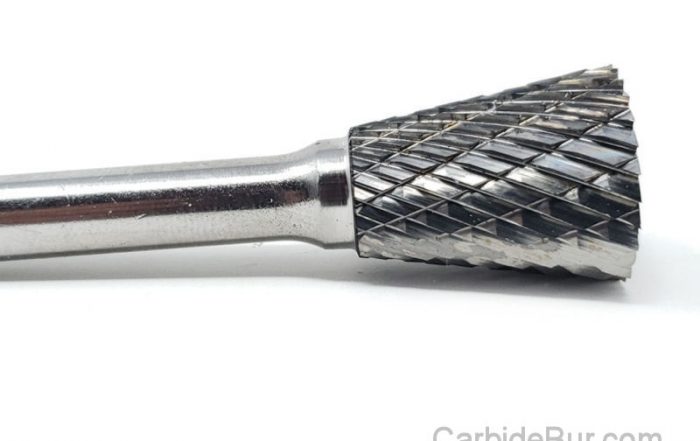
Carbide Burr Safety: 15 Mistakes That Can Cause Injury or Damage
Carbide Burr Safety: 15 Mistakes That Can Cause Injury or Damage Carbide burr safety is often overlooked until a costly mistake happens. Many metalworkers and DIYers make the same errors that lead to injuries or [...]
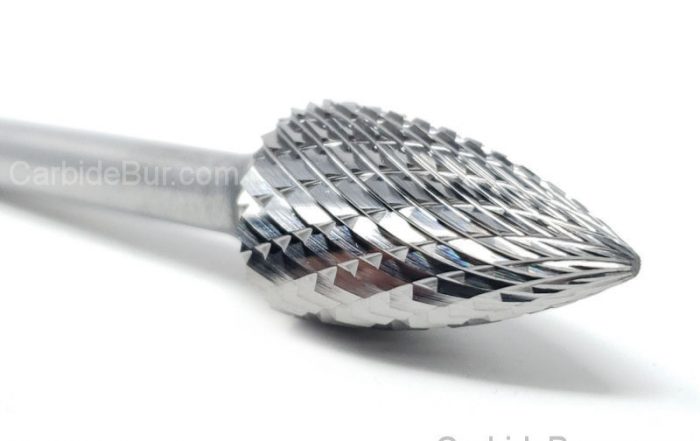
Can You Use a Carbide Burr in a Drill?
Can You Use a Carbide Burr in a Drill? Most people think a standard drill can’t handle a carbide burr, but that’s not true. Using carbide burr in the right drill can speed up your [...]
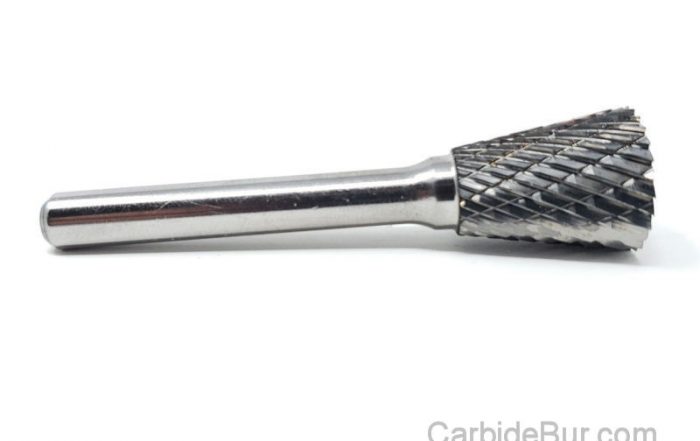
Carbide Burrs for Removing Rust: What Works Best?
Carbide Burrs for Removing Rust: What Works Best? Rust can turn your favorite tools into useless junk faster than you expect. Removing it without ruining the metal underneath takes more than just elbow grease—it demands [...]
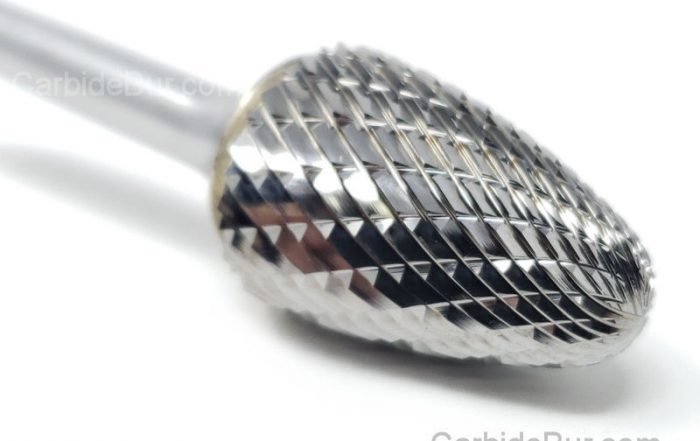
How Much Pressure Should You Use With a Carbide Burr?
How Much Pressure Should You Use With a Carbide Burr? Most people think pressing harder with a carbide burr speeds up the job. That’s not true—too much pressure wears out your tool and ruins the [...]
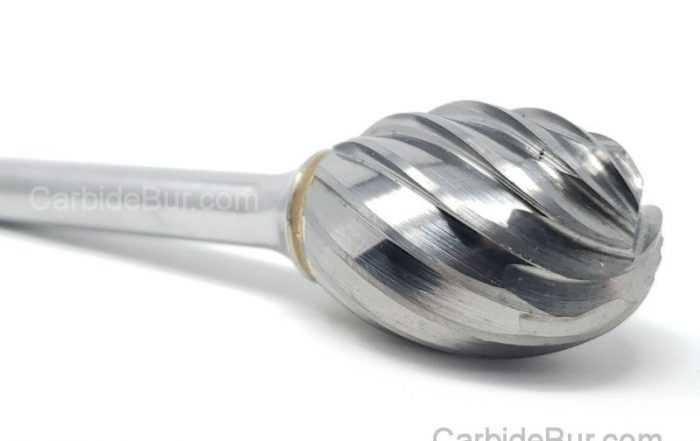
Can You Use Carbide Burrs With an Air Die Grinder?
Can You Use Carbide Burrs With an Air Die Grinder? Most people don’t realize how well carbide burrs work with air die grinders until they try them. If you’ve ever struggled with finding the right [...]
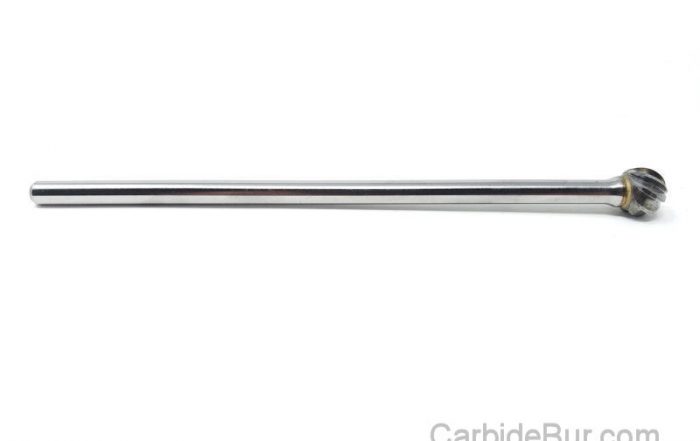
Best Long Reach Carbide Burr for Deep Metal Work
Best Long Reach Carbide Burr for Deep Metal Work Long reach carbide burrs often promise deep metal access, but many fall short where it counts most. You need a tool that cuts cleanly, lasts through [...]
What RPM Should You Use for a 1/8 Inch Carbide Burr?
What RPM Should You Use for a 1/8 Inch Carbide Burr? Most people guess the right carbide burr RPM by feel—and waste hours redoing work. If you want cleaner cuts and longer tool life, your [...]
