
Keep Your Carbide Burrs Running Smooth: Essential Metalworking Tips for Aluminum
Clogged carbide burrs slow down your aluminum machining and wreck your finish. You’ve probably tried pushing harder or changing speeds, only to see the same mess. This guide shares metalworking tips on tool selection, feed rates, and lubricants for tools that keep your carbide burrs cutting clean and lasting longer. For more details, explore this resource.
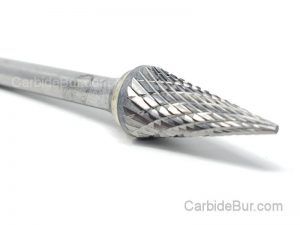
Click here for our entire selection of carbide bur tools
Proper Tool Selection
Choosing the right tools sets the stage for successful machining. Let’s dive into how you can pick the best carbide burrs to avoid clogging and get a cleaner cut.
Choosing the Right Carbide Burr
Picking the correct carbide burr means understanding the material you’re working with. Aluminum is soft, so you need a burr with a specific design to prevent clogging. Look for burrs with fewer flutes as they allow larger chips to be removed, reducing the chance of clogging. Brands like Carbide Burr offer a variety of designs specifically for aluminum.
Benefits of Tungsten Carbide Burrs
Tungsten carbide burrs are known for their hardness and durability. They last longer and cut more efficiently than other materials. For aluminum, they provide a smoother finish and maintain their edge longer, reducing downtime. Most professionals rely on these burrs because they stand up to the demands of metalworking. This makes them a popular choice among seasoned metalworkers.
Carbide Burr Set Essentials
A complete carbide burr set offers versatility. You want a set with multiple shapes and sizes to handle different tasks. A well-chosen set saves you time and effort, allowing you to switch tools effortlessly. By having the right tools at hand, you reduce the risk of damage to your workpiece and keep your processes smooth.
Optimal Feed Rates
Getting feed rates right is crucial for clog-free machining. Learn how to adjust your feed rates to keep aluminum machining efficient.
Understanding Feed Rate Impact
The impact of feed rates on machining is significant. Too fast, and you risk damaging the tool; too slow, and you may not cut efficiently. Proper feed rates ensure clean cuts and prevent tool wear. Generally, a slower feed rate allows for smoother operations and minimizes the risk of clogging.
Adjusting for Aluminum Machining
When working with aluminum machining, adjusting your feed rate is essential. Start with a moderate speed and adjust based on the material’s response. Aluminum’s softness means it can clog easily if the rate is too high. Watching the chips can guide you—if they’re too small, increase the feed rate slightly.
Avoiding Common Mistakes
One common mistake is using the same settings for different materials. Each metal has unique properties, so adapt your approach. Also, ensure your tools are sharp and well-maintained. Dull tools will increase the likelihood of clogging and produce poor finishes. Visit Speed-Talk Forum for discussions on avoiding such pitfalls.
Using Lubricants for Tools
Lubrication is the unsung hero of metalworking. Discover how it enhances tool performance and longevity.
Importance of Lubrication
Lubrication reduces friction, prevents overheating, and helps carry away chips. It’s vital for maintaining clean cuts and prolonging tool life. By using the right lubricant, you minimize resistance and enhance performance. This simple step can lead to significant improvements in your machining process.
Recommended Lubricants for Aluminum
For aluminum, not every lubricant will do. Choose ones designed for aluminum to prevent reaction and ensure efficiency. Products like cutting oils or sprays are commonly recommended. Regular application is key to keeping tools in top condition and preventing aluminum build-up.
Extending Tool Lifespan Through Lubrication
Proper lubrication extends the lifespan of your tools. Consistent use of lubricants reduces wear and tear, saving you money in the long run. By investing in quality lubricants, you can keep your tools running smoothly and your projects on track.
With these tips, you’re equipped to tackle aluminum machining with confidence. The right tools, feed rates, and lubricants make all the difference. Stay ahead by keeping your carbide burrs clean and efficient.
Click here for our entire selection of carbide bur tools
Choosing the Best Burr Shapes and Tools for Flawless Metalworking
Choosing the Best Burr Shapes and Tools for Flawless Metalworking Removing burrs can feel like walking a tightrope—one wrong move, and your parts get damaged. If you want clean edges without the risk, mastering deburring [...]
Essential Metalworking Tips for Aluminum
Keep Your Carbide Burrs Running Smooth: Essential Metalworking Tips for Aluminum Clogged carbide burrs slow down your aluminum machining and wreck your finish. You’ve probably tried pushing harder or changing speeds, only to see the [...]
How Different Burr Shapes Can Improve Your Deburring Projects
Mastering Metal Finishing: How Different Burr Shapes Can Improve Your Deburring Projects Metal deburring often feels like a tedious task that slows down your projects. Using the right carbide burrs can change that by cutting [...]
A Guide to Selecting the Right Carbide Burr
Boost Your Metalworking Projects: A Guide to Selecting the Right Carbide Burr You’ve spent hours working with your carbide burr, yet the results fall short of what you expected. Most of the time, the problem [...]
Personal Protective Equipment and Handling Techniques for Carbide Burrs
Mastering Metalwork: Personal Protective Equipment and Handling Techniques for Carbide Burrs Most metalworkers underestimate the risks of using carbide burrs until an accident happens. Whether you’re a hobbyist or a pro, ignoring carbide burr safety [...]
Essential Tips for Using Carbide Burrs Effectively
Mastering Weld Grinding: Essential Tips for Using Carbide Burrs Effectively Most welders waste hours fixing uneven surfaces after grinding. Using carbide burrs the right way can cut that time in half and deliver a smooth, [...]
Choosing the Right Carbide Burr for Every Metalworking Task
From Novice to Pro: Choosing the Right Carbide Burr for Every Metalworking Task Picking the wrong carbide burr can turn a simple metalworking task into a frustrating mess. You’ve got a pile of metal to [...]
Choosing Between Carbide Burrs and Flap Wheels for Your Projects
Grinding Tools Showdown: Choosing Between Carbide Burrs and Flap Wheels for Your Projects Picking the right grinding tool can make or break your project. You might be torn between a carbide burr and a flap [...]
The Ultimate Guide to Choosing Carbide Burr Sets for Die Grinders in 2026
The Ultimate Guide to Choosing Carbide Burr Sets for Die Grinders in 2026 Most carbide burr sets promise the same results, but few deliver consistent performance across materials. If your die grinder isn’t cutting as [...]
Essential Tips for Extending the Life of Your Carbide Burrs
Prolong Tool Lifespan: Essential Tips for Extending the Life of Your Carbide Burrs You’ve probably noticed how quickly your carbide burrs lose their edge, turning sharp tools into frustrating chores. Wasting time and money on [...]
Precision Cutting with Carbide Burrs
Precision Cutting with Carbide Burrs: Essential Tips for Welders Most welders struggle to get clean, precise cuts with their carbide burrs. Using the wrong burr or cutting angle can waste time and ruin metal surfaces. [...]
Choosing the Right Carbide Burr Set for Your Die Grinder
The Ultimate Burr Selection Guide: Choosing the Right Carbide Burr Set for Your Die Grinder Picking the wrong carbide burr set can waste your time and ruin your die grinder’s potential. Many metalworkers struggle to [...]

Leave A Comment
You must be logged in to post a comment.