
Avoid Overheating: How to Choose the Right RPM for Your Carbide Tools
Running your carbide burrs at the wrong speed costs you time and tool life. Overheating can wreck your tools and leave you with rough finishes. Getting the carbide burr RPM right depends on factors like burr size and material type. This post breaks down the best speeds for different tasks so you can avoid those common mistakes and get the most from your carbide bur.
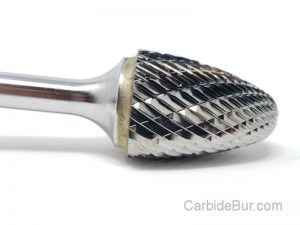
Check out this selection of USA made carbide burs
Understanding Carbide Burr RPM
Choosing the right carbide burr RPM is essential for getting the most out of your tools. Let’s explore why RPM matters so much in terms of tool life and overall performance.
Importance of RPM in Tool Life
RPM plays a critical role in extending the life of your tools. When running at the right speed, carbide burrs are less likely to overheat or wear down quickly. For most applications, knowing the best optimal speeds for carbide burrs can save you both time and money.
Imagine a craftsman working diligently on a metal sculpture. Using the correct RPM ensures that each cut is smooth and precise. This not only enhances the final product but also keeps the tools sharp for future projects. It’s clear: the right speed makes all the difference.
Effects of Improper Speeds
Using the wrong speed can lead to several problems. Firstly, running a burr too fast can cause overheating, which damages both the tool and the material. Secondly, a slow speed might not cut effectively, leading to poor finishes.
Most people think any speed will do, but that’s not the case. Consider a carpenter using a dull saw. The effort is greater, the result is subpar, and the tool wears out faster. Similarly, improper RPM settings can lead to inefficient work and increased costs. Don’t let this happen to your projects.
Factors Influencing Optimal RPM
Several elements determine the best RPM for your carbide burrs. Let’s delve into two major factors: the size of the burr and the type of material you’re working with.
Burr Size and RPM Correlation
The size of the burr significantly affects the ideal RPM. Smaller burrs typically require higher speeds, while larger ones need slower rotations. For example, a burr under 1/8 inch might need speeds over 20,000 RPM, whereas a larger burr might function best around 8,000 RPM.
Consider a jeweler working on intricate designs. A smaller burr allows for detailed work, making higher RPMs beneficial. This ensures precision, while a larger burr at a slower speed is better for removing bulk material. Matching burr size to RPM optimizes tool performance.

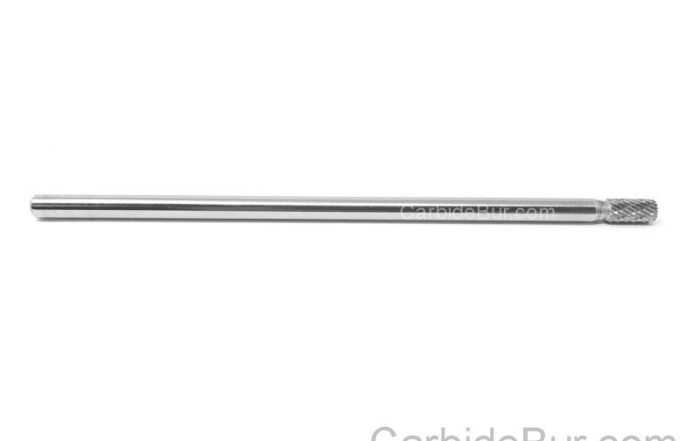
Need a longer reach for your die grinder?
Material Type Considerations
Different materials require varied RPM settings to achieve the best results. Metals such as steel and aluminum need specific speeds to maintain tool efficiency. Meanwhile, working with non-metals like plastics and woods demands entirely different considerations.
Envision a machinist switching from metal to wood. The RPM needs adjusting to handle the new material’s softness. This adaptability not only improves the outcome but also preserves the burr’s condition. It’s all about knowing your material and adjusting accordingly.
RPM Recommendations for Various Materials
Selecting the right RPM involves understanding your materials. Let’s break down the optimal speeds for both metals and non-metals, ensuring you achieve quality finishes every time.
Metals: Steel, Aluminum, and More
When working with metals, precision is key. Steel, aluminum, and similar materials have specific RPM requirements. For instance, aluminum may need around 25,000 RPM, while steel might be better at 15,000 RPM. These speeds offer the best combination of cutting efficiency and tool longevity.
Learn more about mastering these settings to ensure your metal projects are always on point. The right RPM can mean the difference between a smooth, polished finish and a rough, uneven surface.
Non-Metals: Plastics and Woods
Non-metals like plastics and woods require different approaches. Plastics might need lower RPMs, around 10,000 to 15,000, to prevent melting. Woods, on the other hand, can handle a broader range but generally perform well with speeds under 20,000 RPM.
Imagine crafting a wooden sculpture. The right RPM lets you carve smoothly without splintering. Each project deserves the right speed for the material, ensuring the best results without unnecessary wear on your tools.
Practical Carbide Burr Usage Tips
Armed with RPM knowledge, you’re ready to tackle projects efficiently. Here are some practical tips to help you adjust RPM for your specific goals and avoid common pitfalls.
Adjusting RPM for Project Goals
Every project has unique requirements. Adjusting RPM to fit your goals can make all the difference. If you need a smooth finish, higher speeds may be necessary. For detailed work, slower, controlled speeds might be best.
Picture a metalworker polishing a complex piece. By fine-tuning the RPM, they ensure each curve is flawless. Tailoring your approach to the project guarantees success and satisfaction in your work.
Avoiding Overheating and Wear
Preventing overheating is crucial to tool longevity. Keep a close eye on speed and apply consistent pressure to avoid unnecessary wear. Remember, the longer you can use your tools effectively, the more value you get from them.
Check out these recommendations for proper speeds and ensure your tools serve you well over time. Staying vigilant about speed settings protects your investment and keeps your tools in top condition.
Enhancing Machining with Carbide Burrs
Mastering RPM settings can dramatically enhance your machining results. Focus on achieving quality finishes and prolonging tool life through smart practices.
Achieving Quality Finishes
A quality finish is every machinist’s goal. Using the right RPM is key to achieving this. Smooth edges and polished surfaces are attainable when your speed settings match the task.
Take a moment to think about a sculptor perfecting a masterpiece. Each stroke is calculated, and the results speak for themselves. Achieving similar perfection requires the right RPM, ensuring every project shines with excellence.
Prolonging Tool Longevity
Extending the life of your tools saves money and frustration. Consistent, appropriate RPM use is essential to keeping your carbide burrs in great shape. Regular checks and adjustments prevent unnecessary wear.
Join the conversation with other professionals and share tips on maintaining tool health. Together, you can discover new strategies for maximizing tool life and achieving success in every machining endeavor.
By understanding the role of RPM in your work, you unlock the potential for exceptional results and extended tool life. Stay informed and make RPM adjustments a regular part of your routine. Here’s to achieving your best work yet!
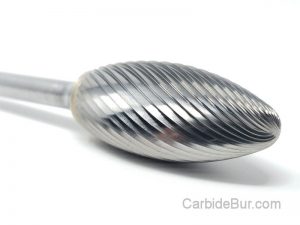
Looking for Carbide Bur Tools?
Check out our entire selection of USA made carbide bur die grinder tool bits
Follow us on Twitter

Return to CarbideBur.com
Carbide Burs – 1/4″ on 1/8″ Shanks – Accessories – Aluminum Cut – Bur Sets – End Mills – Long Shank – Solid Burs
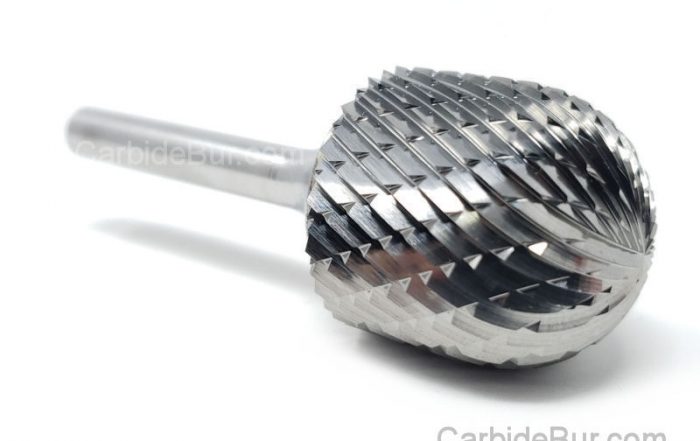
How to Use a Carbide Burr With a Die Grinder
How to Use a Carbide Burr With a Die Grinder Most people treat a carbide burr like just another tool, but using it with a die grinder takes skill. If you’ve struggled with burr installation [...]
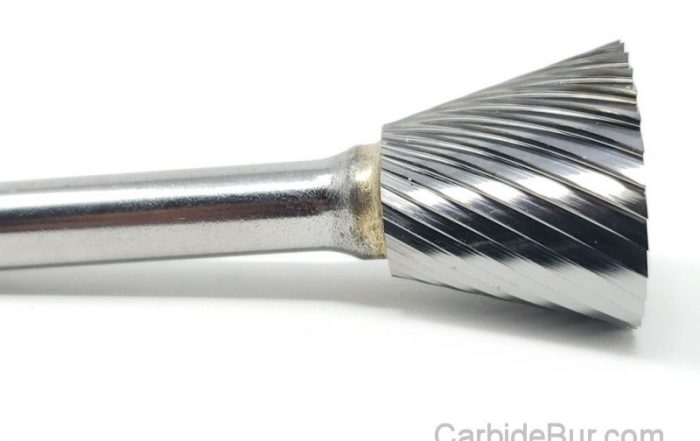
1/8 vs 1/4 Inch Carbide Burrs: What’s the Difference?
1/8 vs 1/4 Inch Carbide Burrs: What's the Difference? Choosing between a 1/8 inch carbide burr and a 1/4 inch carbide burr can change how your project turns out. Many machinists and hobbyists overlook how [...]
Best Carbide Burr for Removing Flash From Castings
Best Carbide Burr for Removing Flash From Castings Removing flash from castings is a task that can slow down your entire metalworking process if you don’t have the right tools. Picking the best carbide burr [...]
What RPM Should You Use for a 1/4 Inch Carbide Burr?
What RPM Should You Use for a 1/4 Inch Carbide Burr? Most machinists guess the right speed for a 1/4 inch carbide burr and hope for the best. Using the wrong carbide burr RPM can [...]
Long Shank Carbide Burrs: When Do You Need One?
Long Shank Carbide Burrs: When Do You Need One? Most machinists overlook the power of long shank carbide burrs until a project demands precision in tight spaces. When your usual tools can’t reach intricate contours, [...]
How Deep Can a Carbide Burr Cut Metal?
How Deep Can a Carbide Burr Cut Metal? Carbide burrs often get praised for their precision, but many users hit a wall wondering how deep they can actually cut metal. The truth is, cutting depth [...]
How to Use Carbide Burrs for Port Matching
How to Use Carbide Burrs for Port Matching Most engine builds hit a wall when airflow doesn’t flow smoothly between the ports and manifolds. If your engine isn’t breathing right, your performance stalls. Using the [...]
Best Carbide Burr for Porting Intake Manifolds
Best Carbide Burr for Porting Intake Manifolds Porting intake manifolds can make or break your engine’s airflow, yet many struggle with the right tools for the job. Choosing the best carbide burrs is key to [...]
Best Carbide Burr for Concave Surfaces
Best Carbide Burr for Concave Surfaces Concave surfaces can turn a straightforward project into a frustrating challenge if you don’t have the right tool. Carbide burrs designed for these tricky curves make all the difference [...]
How to Grind a Slot in Metal With a Carbide Burr
How to Grind a Slot in Metal With a Carbide Burr Grinding a precise slot in metal can feel like a tricky task, especially if you’re unsure which tools to trust. Carbide burr grinding offers [...]

Best Carbide Burr for Inside Corners
Best Carbide Burr for Inside Corners Working in tight inside corners can turn even simple projects into frustrating tasks. Many carbide burrs just don’t fit or cut cleanly where you need them most. The best [...]
What Size Carbide Burr Do I Need?
What Size Carbide Burr Do I Need? Picking the wrong carbide burr can turn a simple project into a frustrating mess. You might have the best machining tools but still miss the mark if your [...]
