
The Ultimate Burr Speed Chart: Optimize Your Cutting Speeds Today
You’ve probably felt the frustration of a carbide burr that just won’t cut right or wears out too fast. Getting the cutting speeds wrong wastes time and dulls your tools faster. This burr speed chart breaks down the perfect burr RPM for different materials, so you can boost your material removal rate without guessing. Keep reading to master the right speeds and make your woodworking or metal cutting tools work like new every time. Check out this speed guide for more details.
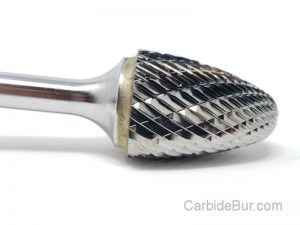
Check out this selection of USA made carbide burs
Understanding Carbide Burrs
Let’s start by understanding the basics of carbide burrs. These little tools can significantly impact your work quality and efficiency. Knowing what they are and how they function is crucial.
What is a Carbide Burr?
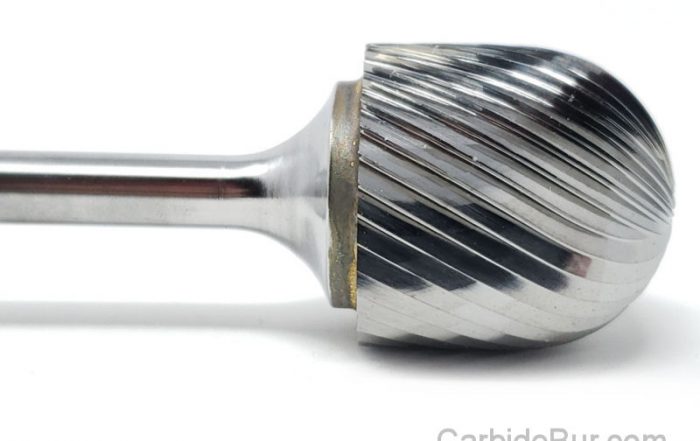
A carbide burr is a tool used for cutting, shaping, and grinding. Made of durable tungsten carbide, it’s perfect for tough jobs. These burrs are known for their ability to handle various materials, including metals and wood. By using a carbide burr, you can achieve precise cuts and detailed finishes.
Types of Carbide Burrs
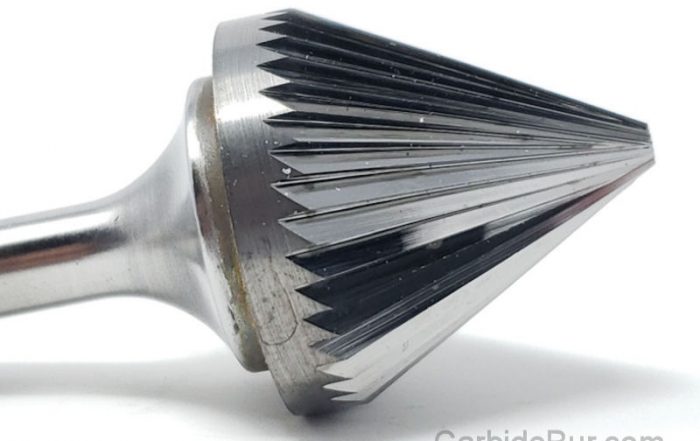
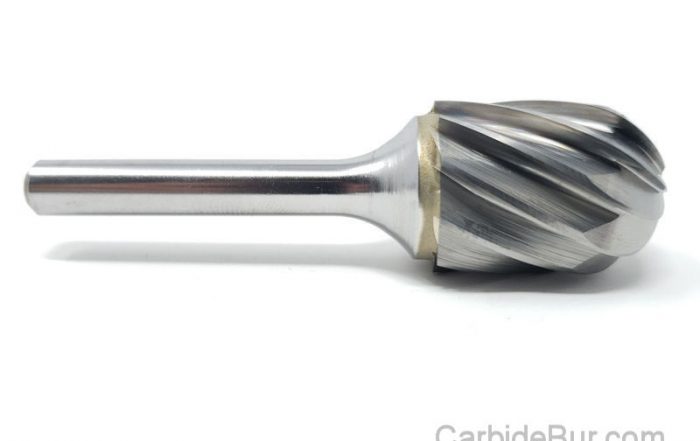
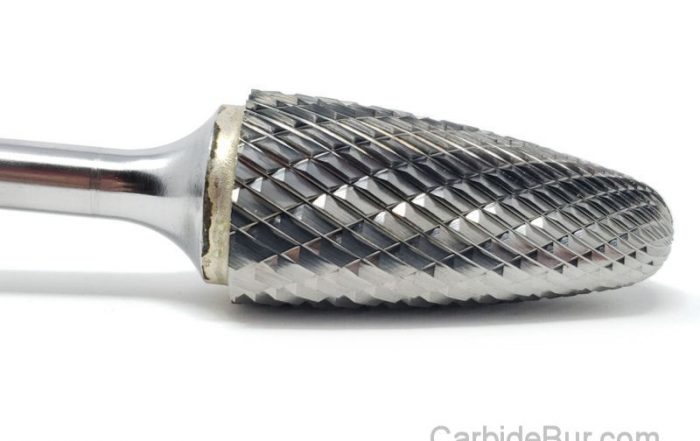
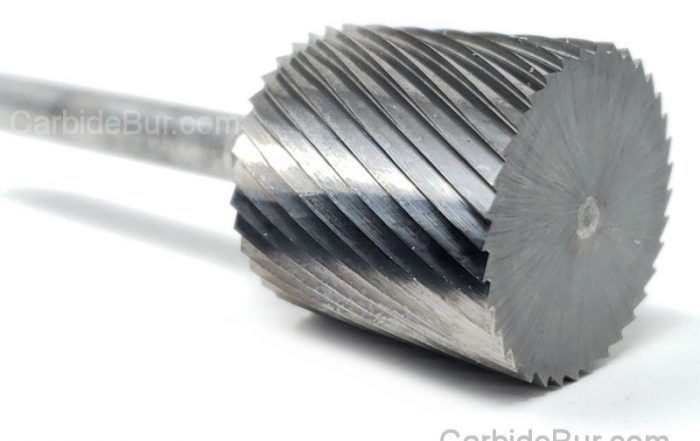
Different jobs require different burrs. There are several types, such as ball, cone, and cylindrical burrs. Each type serves a specific purpose. For example, a ball burr is great for carving, while a cylindrical one helps in creating straight lines. Choosing the right one ensures better results.
Common Uses in Wood and Metal
Carbide burrs are versatile. In woodworking, they help in detailed carving and shaping. Metalworkers use them for smoothing welds and deburring edges. Whether you’re a hobbyist or a professional, these tools are essential for precision work.
The Burr Speed Chart Explained
Now that you know about carbide burrs, let’s explore the burr speed chart. Understanding this chart is crucial for optimizing your cutting speeds and prolonging tool life.
Deciphering the Burr Speed Chart
The burr speed chart provides recommended RPMs for various materials. This chart helps you choose the right speed for your task. For instance, cutting aluminum might require 10,000 RPM, while steel could need 5,000 RPM. Choosing the right speed ensures efficient work and reduces tool wear.
Why Cutting Speeds Matter
Cutting speed affects your work outcome. Incorrect speeds cause tools to wear out quickly and result in poor finishes. By following the speed chart, you can enhance your material removal rate. Proper speeds lead to smoother cuts and longer-lasting tools.

Need a longer reach for your die grinder?
Benefits of Optimizing Cutting Speed
Optimizing cutting speed has multiple benefits. It improves work quality, extends tool life, and saves time. Most people think faster is better, but matching the speed to the material is key. The longer you wait to adjust your speeds, the more you risk tool damage.
Selecting the Right Metal Cutting Tools
Choosing the right tool is as important as knowing the correct speed. Let’s dive into factors that influence tool selection and how to compare different types.
Factors to Consider
When selecting metal cutting tools, consider material type, desired finish, and tool longevity. Different materials require specific tools. For example, softer metals might need different tools than harder ones. Taking these factors into account ensures effectiveness.
Comparing Types of Metal Cutting Tools
Metal cutting tools come in various forms, such as drills, saws, and burrs. Each has unique features suited for particular tasks. A drill might be perfect for small holes, while a saw could handle larger cuts. Comparing these tools based on your needs helps in making the right choice.
Best Practices for Tool Longevity
To extend tool life, follow best practices. Regular maintenance, proper storage, and correct usage are key. Keeping tools sharp and clean ensures they last longer. Most people overlook this, but it’s vital for getting the most out of your tools.
Woodworking Tools and Their Impact
Woodworking requires specific tools and techniques. Understanding tool selection and speed can transform your projects.
Choosing the Right Woodworking Tools
Selecting the right woodworking tools depends on your project. Consider the wood type and the desired outcome. Tools like chisels, saws, and routers each serve specific functions. Picking the right tool makes a significant difference in your work quality.
How Tool Speed Affects Material Removal Rate
Tool speed directly impacts how much material you can remove. Faster speeds might seem appealing, but they can lead to errors. By adjusting speeds to match the task, you achieve better accuracy and efficiency. This understanding enhances your overall material removal rate.
Enhancing Your Woodworking Projects
Better tools and speeds lead to improved projects. Incorporating these practices elevates your work. The right tool selection and speed adjustments bring your woodworking to the next level. The results can be both satisfying and professional.
Practical Tips for Using Burr RPM
Finally, let’s cover some practical tips for using burr RPM effectively. These insights will help ensure safety and efficiency in your work.
Safety First: Essential Guidelines
Always prioritize safety when using burrs. Wear protective gear, secure materials, and maintain a steady hand. These precautions prevent accidents and ensure a safe working environment. Safety must always come first in any project.
Step-by-Step Burr Tool Guide
Using burrs involves a few simple steps:
-
Choose the right burr type and size.
-
Set the correct RPM based on the material.
-
Steadily guide the burr along the desired path.
Following these steps ensures precision and efficiency in your work.
Troubleshooting Common Issues
Encountering problems is inevitable. Common issues include tool chatter and poor finishes. To troubleshoot, check your speed settings and tool condition. Adjust as needed to overcome these challenges and achieve the best results.
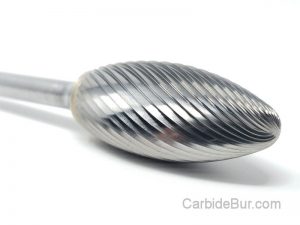
Looking for Carbide Bur Tools?
Check out our entire selection of USA made carbide bur die grinder tool bits
Follow us on Twitter

Return to CarbideBur.com
Carbide Burs – 1/4″ on 1/8″ Shanks – Accessories – Aluminum Cut – Bur Sets – End Mills – Long Shank – Solid Burs
1/8 vs 1/4 Inch Carbide Burrs: What’s the Difference?
1/8 vs 1/4 Inch Carbide Burrs: What's the Difference? Choosing between a 1/8 inch carbide burr and a 1/4 inch carbide burr can change how your project turns out. Many machinists and hobbyists overlook how [...]
Best Carbide Burr for Removing Flash From Castings
Best Carbide Burr for Removing Flash From Castings Removing flash from castings is a task that can slow down your entire metalworking process if you don’t have the right tools. Picking the best carbide burr [...]
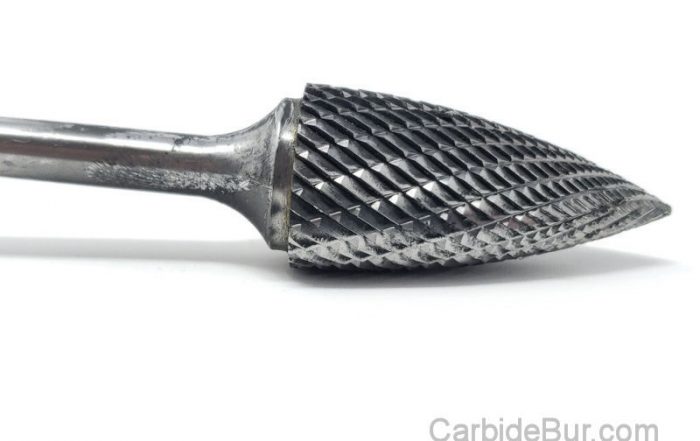
What RPM Should You Use for a 1/4 Inch Carbide Burr?
What RPM Should You Use for a 1/4 Inch Carbide Burr? Most machinists guess the right speed for a 1/4 inch carbide burr and hope for the best. Using the wrong carbide burr RPM can [...]
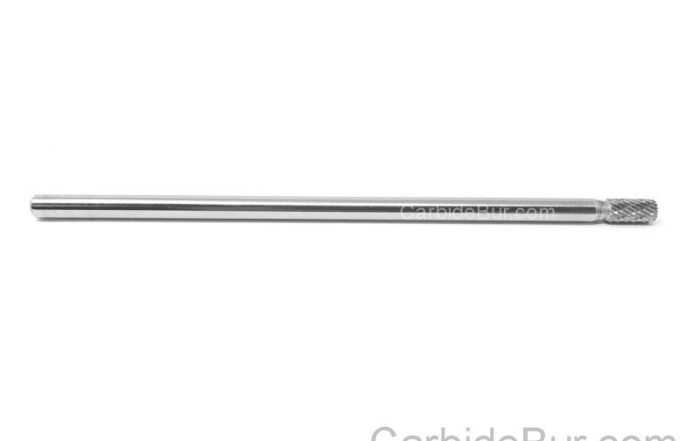
Long Shank Carbide Burrs: When Do You Need One?
Long Shank Carbide Burrs: When Do You Need One? Most machinists overlook the power of long shank carbide burrs until a project demands precision in tight spaces. When your usual tools can’t reach intricate contours, [...]
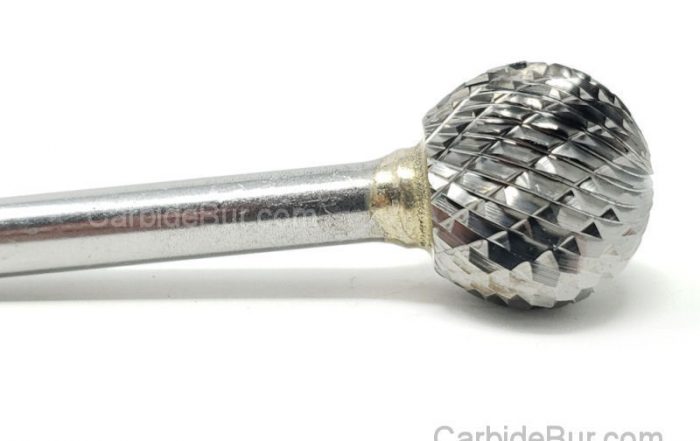
How Deep Can a Carbide Burr Cut Metal?
How Deep Can a Carbide Burr Cut Metal? Carbide burrs often get praised for their precision, but many users hit a wall wondering how deep they can actually cut metal. The truth is, cutting depth [...]
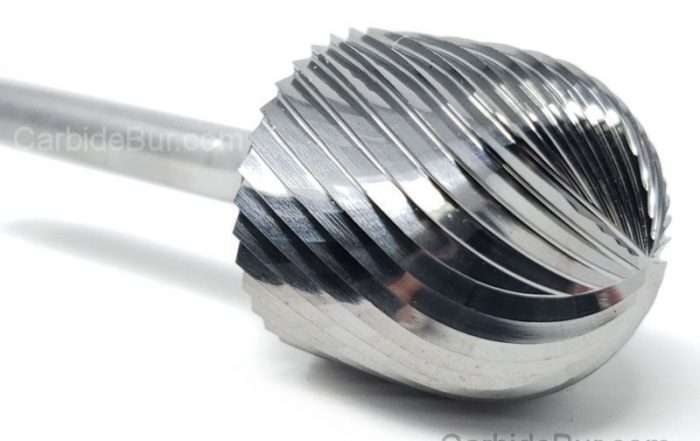
How to Use Carbide Burrs for Port Matching
How to Use Carbide Burrs for Port Matching Most engine builds hit a wall when airflow doesn’t flow smoothly between the ports and manifolds. If your engine isn’t breathing right, your performance stalls. Using the [...]
Best Carbide Burr for Porting Intake Manifolds
Best Carbide Burr for Porting Intake Manifolds Porting intake manifolds can make or break your engine’s airflow, yet many struggle with the right tools for the job. Choosing the best carbide burrs is key to [...]
Best Carbide Burr for Concave Surfaces
Best Carbide Burr for Concave Surfaces Concave surfaces can turn a straightforward project into a frustrating challenge if you don’t have the right tool. Carbide burrs designed for these tricky curves make all the difference [...]
How to Grind a Slot in Metal With a Carbide Burr
How to Grind a Slot in Metal With a Carbide Burr Grinding a precise slot in metal can feel like a tricky task, especially if you’re unsure which tools to trust. Carbide burr grinding offers [...]

Best Carbide Burr for Inside Corners
Best Carbide Burr for Inside Corners Working in tight inside corners can turn even simple projects into frustrating tasks. Many carbide burrs just don’t fit or cut cleanly where you need them most. The best [...]
What Size Carbide Burr Do I Need?
What Size Carbide Burr Do I Need? Picking the wrong carbide burr can turn a simple project into a frustrating mess. You might have the best machining tools but still miss the mark if your [...]
How to Smooth Sharp Metal Edges With a Carbide Burr
How to Smooth Sharp Metal Edges With a Carbide Burr Sharp metal edges can turn your project from professional to risky in seconds. If you’ve struggled with smoothing metal edges without scratching or weakening the [...]
