
How To Leverage Versatile Applications Of Die Grinder Bits For Various Materials
Most DIY enthusiasts and professionals alike can benefit from the diverse applications of die grinder bits. Understanding how to use these tools effectively allows you to work on various materials, whether it’s metal, wood, or plastic. In this guide, you’ll discover the different types of bits available and how to select the right one for your project. With the right knowledge, you can enhance your skills and achieve cleaner, more precise results with every task you undertake.
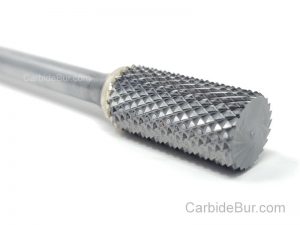
Find more carbide bur die grinder tool bits here
Unlocking the Potential: Choosing the Right Die Grinder Bit
Selecting the appropriate die grinder bit can transform your project from mediocre to professional-grade. Each bit type has distinct attributes tailored for specific materials and tasks, ensuring efficiency and precision. Assess your project needs, considering factors like material hardness, desired finish, and available grinder speed. Make informed choices to elevate your craftsmanship and ensure you achieve the best results possible.
Material-Specific Bit Selection
Choosing bits tailored to specific materials is key to achieving efficient results. For instance, carbide bits excel in metalwork, offering durability and sharpness, while diamond bits are ideal for glass and ceramics due to their hardness. When tackling wood, high-speed steel or tungsten carbide bits can provide an excellent balance of speed and smooth finishing. Matching the right bit to the material can dramatically enhance your project’s quality.
Essential Characteristics of Quality Bits
Quality die grinder bits share several key characteristics that directly impact performance. Look for bits crafted from high-grade materials, such as carbide or high-speed steel, for optimal durability. A well-designed bit features precise geometry for better cutting efficiency, reducing heat build-up during operation. Additionally, bits with coatings like titanium can enhance longevity and reduce friction. These factors collectively ensure your bits serve you well through various projects.
High-quality bits not only last longer but also perform better, which can ultimately save you time and effort. For instance, a robust carbide bit can outlast multiple cheaper alternatives, making it a cost-effective choice in the long run. Bits with precise tip designs can improve cutting speed and accuracy, allowing you to achieve smoother finishes without excessive sanding or polishing. Investing in premium bits significantly impacts your overall productivity and the quality of your finished work.
Mastering the Techniques: Application Tips for Different Materials
Utilizing die grinder bits effectively across various materials requires distinct techniques for optimal results. Understanding the nuances in speed, pressure, and angle of attack enhances your capabilities. Whether you’re drilling into wood, grinding metal, or shaping stone, consider these guidelines:
- Use lower speeds for soft materials like wood to prevent burning.
- Increase speed when working with metals for efficient material removal.
- Maintain a steady hand and consistent pressure for even wear.
- Choose the right bit for your material type, considering factors such as grain and hardness.
Any attention to these practices will elevate your craftsmanship across all projects.
Woodworking Wonders: Techniques for Wood
When working with wood, select finer bits for detailed carving and shaping. A slower speed minimizes heat buildup, reducing the risk of scorch marks while ensuring cleaner cuts. Employ light pressure to maintain control and prevent tearing the grain, particularly in softer woods.
Find more carbide bur die grinder tool bits here
Metal Mastery: Grinding and Polishing Metal Surfaces
Grinding and polishing metal requires understanding the hardness of the material. For tougher metals like stainless steel, work with higher speeds and a sturdy die grinder bit designed specifically for metalwork. Begin with a coarser grit to remove excess material and follow up with finer bits for a polished finish.
Achieving a flawless finish on metal surfaces involves a careful approach. Start with a heavier-duty bit to grind away any imperfections or welds, applying firm yet controlled pressure. Transition to finer bits or polishing wheels for an immaculate surface. It’s beneficial to periodically check for heat buildup, as excessive temperatures can affect both the metal and the bit, potentially leading to dulling and reduced performance. Keeping your workspace well-ventilated will also help manage heat and ensure optimal results.
Stone and Ceramic Precision: Doing It Right
For stone and ceramics, choose diamond-coated bits for their strength and durability. Begin at a low speed to avoid damaging the material, allowing for precise control over your cuts and shaping. Wetting the surface during work helps prevent dust and maintain bit effectiveness.
Precision work with stone and ceramics demands careful attention. Using the right technique improves accuracy and prevents chipping. When cutting or grinding, steady pressure is key, as uneven force can lead to fractures. For intricate designs, start with a finer bit and gradually move to additional grits if necessary. Additionally, consider using a guide or template to ensure consistency in your patterns. This methodical approach will ensure clean edges and stunning finishes on your stone projects.
Customization and Modification: Enhancing Bit Utility
Modifying die grinder bits extends their functionality and allows you to tailor them to your specific needs. By customizing the shape, size, and grit of the bits, you can enhance their utility for various materials and intricate tasks. Whether you’re working with metal, wood, or softer materials, having the ability to adapt your die grinder bits can greatly improve your workflow and results.
Shaping and Sharpening Techniques
Shaping and sharpening are pivotal skills in maximizing your die grinder bits’ lifespan and performance. Utilizing an appropriate sharpening tool or diamond wheel will help you maintain the cutting edge and achieve more precise results. Regularly honing your bits not only improves efficiency but also minimizes wear, allowing for consistent performance across all your projects.
Creating Custom Profiles for Unique Projects
Creating custom profiles for your die grinder bits can significantly enhance their versatility. This involves adjusting the bit shape to fit the specific contours or textures needed for a project. For example, if you’re working on detailed engraving or sculpting, modifying a bit to create a pointed end can allow for intricate designs that standard bits cannot accomplish.
Consider the intricacies of your unique projects; you may require concave or convex profiles that suit specific forms or designs. For instance, if you are sculpting a complex artwork in wood or stone, customizing a bit to create curves or grooves can be important. This enables you to tackle challenging designs with precision, ensuring your finished product meets your exact specifications. Investing time into creating custom profiles not only elevates the quality of your work but also sets your projects apart from the ordinary. After all, being able to shape the tool to your vision is a game-changer in achieving artistic success.
Safety First: Essential Precautions and Best Practices
Working with die grinders can present certain hazards, making safety precautions non-negotiable. Ensure you familiarize yourself with the right techniques and gear to avoid injuries. A safe workspace includes proper ventilation and keeping work surfaces clear of obstacles, while organized storage for tools minimizes the risk of accidents during use. When engaging with various materials, staying alert to potential hazards can safeguard you from unexpected mishaps.
Proper Safety Gear and Equipment
Equipping yourself with the right safety gear protects against flying debris and potential injuries. Use safety goggles or a face shield to shield your eyes from shards, and wear ear protection to prevent hearing damage from the grinder’s noise. Additionally, gloves can enhance grip and protect your hands, while a dust mask may be necessary when working with materials that generate harmful particles.
Preventing Common Mishaps During Operation
To operate a die grinder safely, it’s vital to maintain a focused mindset and adhere to best practices. Always secure your workpiece to prevent it from moving unexpectedly, and keep both hands on the tool for optimal control. Avoid distractions and maintain a clean workspace to eliminate potential hazards. Regularly inspect your die grinder and bits for wear and tear, replacing any damaged components to ensure reliable performance and safety.
Staying mindful of common pitfalls can greatly reduce the risk of accidents. Avoid forcing the tool through the material, as this can cause it to overheat or bind, leading to kickback. Maintain a steady hand and apply even pressure, allowing the bit to do the work instead. Properly calibrating the speed for each specific material prevents excessive wear and damage to both your tool and your workspace. By following these guidelines, you not only ensure your safety but also improve the efficiency and quality of your work.
Beyond the Basics: Advanced Techniques and Innovations
Exploring advanced techniques can significantly enhance your experience with die grinder bits. Innovation in tools, materials, and methodologies allows for greater efficiency and creativity in your work. From computer-aided design (CAD) consultations to 3D printing custom bits, gaining a deeper understanding of the technology can lead to phenomenal results.
- Incorporating high-speed tools for increased precision
- Implementing cooling systems to prevent overheating
- Using variable speed controls for optimal results
- Experimenting with custom attachments for diverse projects
- Exploring ergonomic designs to reduce strain and increase comfort
| Advanced Techniques | Benefits |
|---|---|
| High-speed operations | Enhanced precision and clean finishes |
| Custom attachment designs | Versatile functionality for various projects |
| Ergonomic bit shapes | Reduced operator fatigue during prolonged use |
Leveraging New Technologies and Designs
Innovations in die grinder bit design and technology have opened new avenues for efficiency and performance. Utilizing advanced materials, such as carbide and diamond-coated options, enhances durability and effectiveness on tougher substrates. Additionally, smart technology integration allows for real-time monitoring of performance, enabling you to adjust as necessary for optimal results.
Exploring Creative Uses Outside Traditional Applications
Think outside traditional materials when using die grinder bits. These versatile tools can be employed in a variety of unexpected scenarios, from crafting intricate jewelry pieces to refurbishing antique furniture. The artistry and innovation in applying die grinder bits demonstrate their flexibility and potential in artistic and industrial realms. Additional creative uses include engraving patterns on glass or stone, achieving textured surfaces on wood, and even redesigning automotive parts for personalized aesthetics. This adaptability allows you to redefine your projects, utilizing die grinder bits to achieve results that are not only functional but also enhance the visual appeal of your creations. Engaging in unique applications makes exploring the capabilities of die grinder bits not just practical but also an exciting form of self-expression.
Conclusion
Upon reflecting, you can significantly enhance your projects by leveraging the versatile applications of die grinder bits across various materials. By understanding the specific types of bits and their appropriate uses, you can achieve optimal results in metal, wood, plastic, and more. This knowledge not only improves efficiency in your tasks but also allows you to explore creative possibilities. Always consider your material and the intended outcome to select the right bit for the job, thereby elevating your craftsmanship and precision.
