
How To Avoid Common Mistakes When Using Carbide Burs For Engine Porting
There’s a learning curve when it comes to using carbide burs for engine porting, and avoiding common mistakes can dramatically enhance your results. In this guide, you’ll discover necessary tips that will help you navigate the intricacies of burr selection, speed control, and material removal techniques. By focusing on these key areas, you can achieve smoother finishes and optimize your engine’s performance without unnecessary errors. Let’s examine the best practices that will ensure your porting project is successful and efficient.
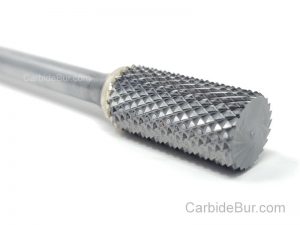
Find more carbide bur die grinder tool bits here
Selecting the Right Carbide Bur for Your Project
Understanding Shapes and Their Applications
Each carbide bur shape has a specific purpose, and identifying the right one can significantly enhance your engine porting efforts. For instance, ball-shaped burs excel in creating radiuses and contours, making them ideal for smoothening transition areas. Conversely, cylindrical burs, with their flat end, are perfect for widening passages and creating larger openings. The flame-shaped bur serves well in both exhaust and intake applications, as its tapered form allows precision in accessing tight areas while retaining effective material removal. Familiarizing yourself with these various shapes will streamline your work, reducing time spent in trial and error.
Additionally, the risk of damaging the substrate or creating undesirable shapes can be minimized by selecting appropriate burs. If you’re aiming for intricate detailing, opt for conical or knife-edge burs, which are adept at carving fine lines and edges. As you profile your engine components, keep in mind the overall geometry and airflow; the right bur not only improves aesthetics but also optimizes performance, ensuring you’re investing wisely in your chosen tools.
Evaluating Coarseness and Material Compatibility
The coarseness of your carbide bur directly influences the speed and quality of material removal. Burs come in various grit sizes, with coarse options designed for rapid stock removal while finer grits serve to finish surfaces with enhanced precision. Evaluating your project’s requirements will help you strike the right balance. For heavy deburring or significant reshaping, a coarse bur is invaluable, while finer burs can refine the areas where detail and smoothness are paramount.
Compatibility between the bur and the material being worked on cannot be overlooked. For aluminum and softer alloys, a bur with medium to fine coarseness can effectively shape without excessive wear, while harder materials such as cast iron or stainless steel will benefit from a more coarse bur to endure the increased resistance. Understanding these nuances will not only extend the life of your burs but also ensure optimal results.
When choosing coarseness, consider how frequently you will need to change or sharpen your tools based on the material and application. A more durable bur may save time in your overall project, whereas a shorter-lasting option might require repeated replacements, adding to your expenses and downtime. Striking an appropriate balance between efficiency and durability can lead to a smoother workflow and more satisfying results in your engine porting endeavors.
Mastering Technique to Maximize Efficiency
Optimal Speed and Pressure Guidelines
Finding the right balance between speed and pressure is important to achieving optimal results when using carbide burs for engine porting. A general recommendation is to operate your rotary tool between 15,000 to 30,000 RPM, depending on the material and the specific bur you’re using. Higher speeds can remove material quickly, but can also generate excessive heat, leading to wear and potential damage to the workpiece. Maintaining a consistent and adequate pressure while working allows you to achieve a cleaner cut and more precise shaping, enhancing overall efficiency.
Begin with lighter pressure to gauge how the carbide bur interacts with the material. Gradually increase your pressure as you develop a feel for the tool’s responsiveness. Often, a pressure range of 5 to 10 pounds can yield the best results, enabling you to maintain control while efficiently removing material. It’s wise to take short breaks to allow both the tool and the workpiece to cool down, minimizing the risk of overheating and maintaining the longevity of your equipment.
Hand Positioning and Tool Control
Appropriate hand positioning plays a significant role in maintaining control and accuracy while using carbide burs. Your grip should be firm yet relaxed, avoiding any death grip that can lead to unexpected slips or excessive wear on the tool. Positioning your hands in a way that allows for smooth, fluid movements enhances your ability to guide the bur precisely along contours. Angle your hands according to the curvature of the area you’re porting, which enhances your control and reduces the likelihood of errors.
Additionally, using both hands to stabilize the tool not only maximizes control but also helps reduce fatigue during longer sessions. Engaging your whole arm instead of just your wrist can improve your accuracy and consistency, allowing you to follow intricate patterns without straining. Positioning your body closer to the workpiece will further enhance control by lowering the risk of wobbling, giving you a steadier hand and a more precise result.
Posture also matters significantly when it comes to tool control. Keeping your elbows close to your body and using a stable workstation allows you to create a solid foundation from which to operate the tool. Developing a rhythmic and comfortable motion while you work will not only help you maintain consistency but also cuts down on the risk of fatigue, enabling you to keep your focus on precision—crucial for attaining the best manifold or port shape for performance optimization.
Common Pitfalls: Misconceptions and Errors
Overlooking Tool Wear and Maintenance
Your carbide burs are precision tools designed for high-performance applications, but they won’t stay effective forever without proper care. Observing signs of wear, such as a dull cutting edge or uneven wear patterns, can mean the difference between a successful porting task and a frustrating experience. Regularly inspecting your burs and replacing or sharpening them when needed will enhance your efficiency and the quality of your work. Ideally, when you notice a decline in cutting effectiveness, it’s time to stop and evaluate your tooling. This not only affects the finish on your porting job but also prolongs your overall project timeline.
Ignoring Workpiece Cooling Practices
Utilizing Visual and Tactile Feedback
Engaging visual and tactile feedback during the porting process can drastically improve the outcomes of your efforts. Utilizing mirrors and focused lighting enables you to thoroughly examine the surfaces you’re working on, ensuring you can see the results of your work from various angles. This visual assessment is complemented by tactile feedback, where the resistance you feel through your bur serves as a vital indicator of your cutting progress. Noticing shifts in resistance can give you insights into whether material is coming off evenly or if more care is needed.
As you become attuned to visual cues, consider incorporating magnifying tools or adjustable lighting to reveal imperfections or areas that require additional attention. This awareness not only leads to greater accuracy but develops your skill set over time. Each interaction with the material intensifies your understanding of its properties, further enhancing your porting techniques. Mastering both visual and tactile feedback sets the stage for refining engine performance to new heights.
The Role of Proper Lighting and Workspace Setup
Creating an optimally illuminated workspace significantly influences your accuracy and comfort while using carbide burs for engine porting. Fluorescent lights or LED lighting strips are ideal as they provide bright, even illumination, ensuring you can see the finer details of your workpiece without shadows obscuring your view. Positioning lights at the right angles also aids in uncovering surface irregularities or imperfections that you might otherwise miss. If your workspace lacks natural light, consider using portable task lights to achieve a well-lit environment that enhances visibility, contributing to superior results.
Set up your workstation in a way that minimizes clutter and distractions. A clean, organized space reduces the likelihood of errors and allows you to focus entirely on the task at hand. Having all necessary tools and materials within easy reach—including your carbide burs, safety goggles, and any templates for your porting work—ensures a seamless workflow. Ensuring your seat and workstation height are ergonomically set up can also prevent fatigue, keeping you sharp and focused during lengthy tasks.
The Impact of Ambient Conditions
Ambient conditions play a pivotal role in the effectiveness of your porting work. High humidity or temperature extremes can affect both the performance of your tools and the materials you’re working on. When working in spaces that are too hot or humid, your carbide burs may become discolored or wear out more quickly. For instance, an environment with consistent temperatures can lead to consistent results and less tool degradation. Ensuring a ventilated space can also help manage heat build-up from prolonged use.
Incorporating a climate control system or working in a temperature-regulated garage can help mitigate these problems. Pay attention to how these conditions impact your ability to see your work clearly, as too much glare can obscure details, and too little light can diminish accuracy. Modifying your workspace according to seasonal changes or specific conditions will support better performance overall.
Tools for Enhancing Visibility and Comfort
Utilizing the right tools to enhance visibility significantly affects your comfort and precision. Magnifying lamps can empower you with a closer look at your work, making it easier to spot discrepancies. Additionally, adding a non-slip mat can help absorb vibrations and enhance grip, ensuring you maintain control over your burs as you work. Beyond just seeing clearly, comfortable seating and posture supports affect how effectively and efficiently you perform intricate work.
Investing in adjustable-height workbenches and ergonomic stools can also elevate your performance. Reach for features such as padded armrests or back support to help minimize discomfort during extensive tasks. Each of these considerations collectively contributes not only to the mission but also to your overall experience while porting an engine. In this manner, you not only invest in the quality of your work but also in your personal well-being during the process.
Summing up
From above, it is clear that using carbide burs for engine porting requires a combination of knowledge and technique to achieve optimal results. By avoiding common pitfalls, such as using the wrong bur for the task, applying excessive pressure, or neglecting tool maintenance, you can enhance both your efficiency and the quality of your work. Focus on selecting the appropriate burs for specific materials and tasks, as this will significantly impact the effectiveness of your porting process. Regularly inspecting and maintaining your tools will not only improve their longevity but also ensure the highest level of performance during your machining tasks.
Additionally, practice makes perfect, so make it a point to refine your skills with carbide burs through hands-on experience. Start with small projects and gradually take on more complex tasks as you gain confidence in your technique. Incorporating these guidelines into your process allows you to maximize the potential of your engine porting endeavors. With diligence and attention to detail, you will find yourself avoiding frequent mistakes and achieving superior results that enhance the performance of your engine.
